My Visit to the Meteorite Laboratories at the University of Bern
At Saharagems, meteorites are more than just collectibles — they are a passion. Back in February 2019, I had the rare opportunity to visit the Institute of Geological Sciences at the University of Bern, thanks to two scientists, Dev from India and Ake from Sweden, who were working there at the time.
A few weeks earlier, Dev and Ake had purchased some meteorite slices from me as a graduation gift for one of their colleagues at the University. Both were directly involved in research and the scientific classification of meteorites. When I visited them on a Saturday, they generously gave me an in-depth tour of several laboratories.
During this visit, I learned first-hand how complex and fascinating the process of meteorite classification really is. Using high-precision laboratory instruments, researchers examine meteorites in great detail to determine their composition, type, and origin. The insights I gained provided me with a much deeper understanding of the effort and advanced technology required to properly identify and classify meteorites.
Special thanks to Dev and Ake for their time and patience — they explained the methods and equipment used for classification over several hours, making the tour both educational and inspiring.
At the University of Bern, Prof. Dr. Beda Hofmann, curator of the Meteorite Collection of the Natural History Museum Bern, is also actively engaged in meteorite classification. Among many important studies, the Martian meteorite NWA 8171 “Black Beauty” was classified here. This unique and world-famous meteorite is part of the Bern Natural History Museum’s collection, with two individual stones of NWA 8171 preserved there.
My experience at the University of Bern confirmed how special and scientifically valuable every meteorite truly is — and strengthened my mission at Saharagems: to share these extraordinary visitors from space with collectors and enthusiasts around the world.
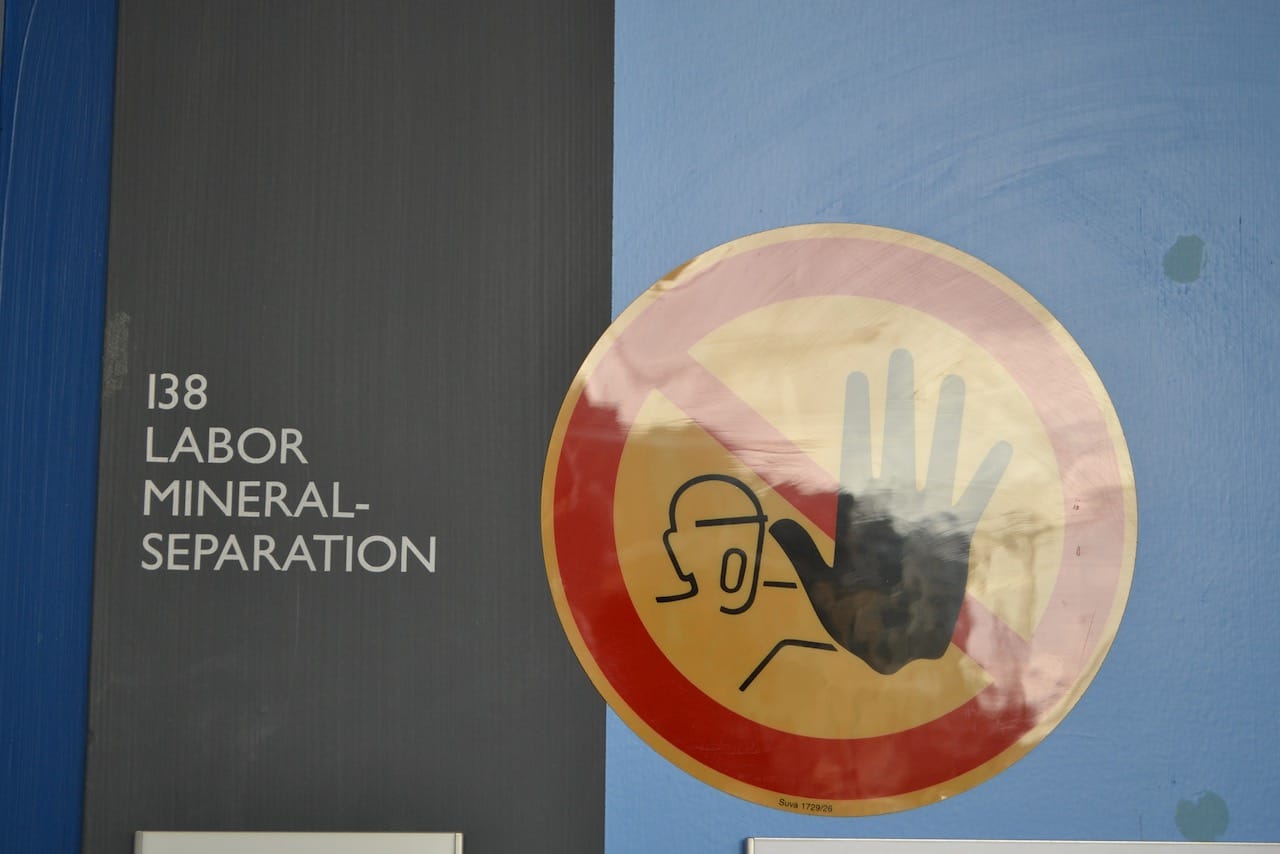
Mineral Seperation Lab
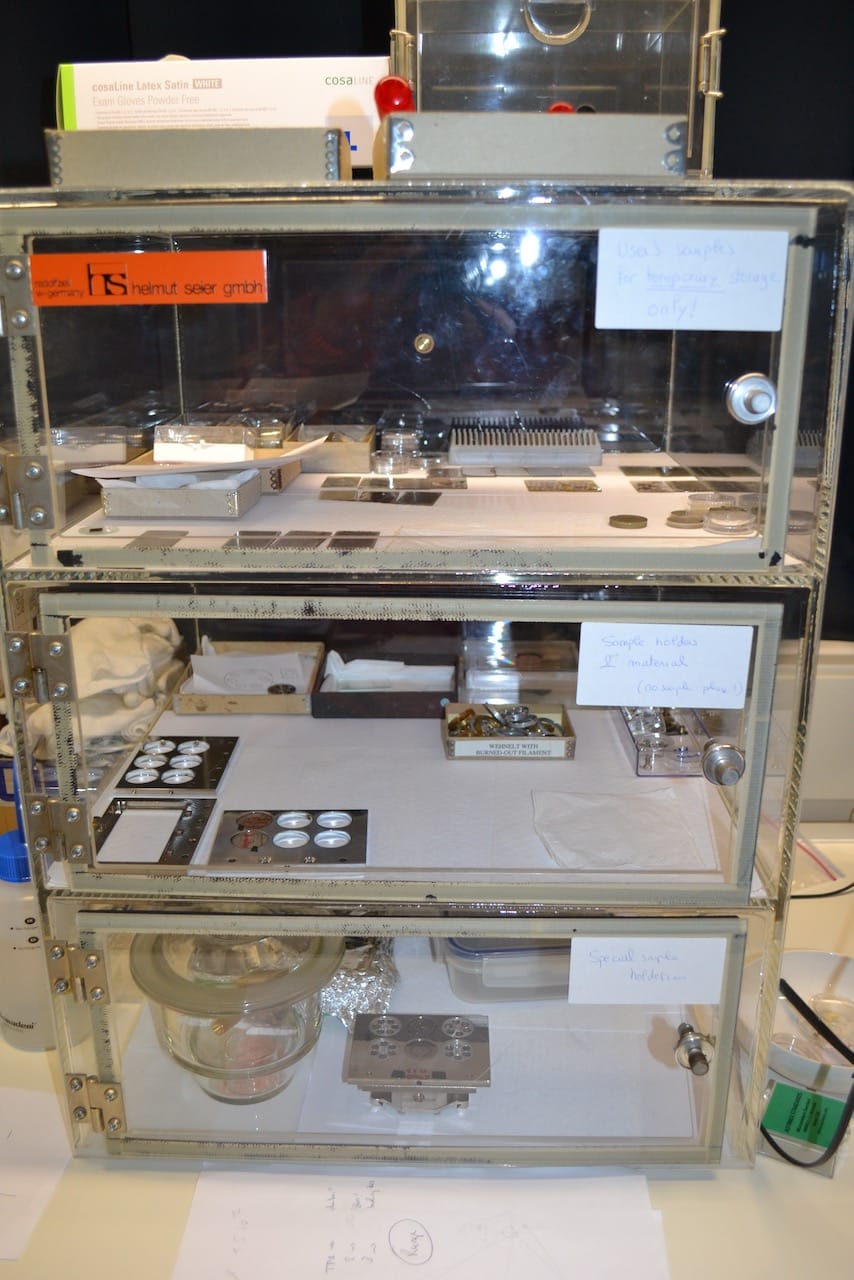
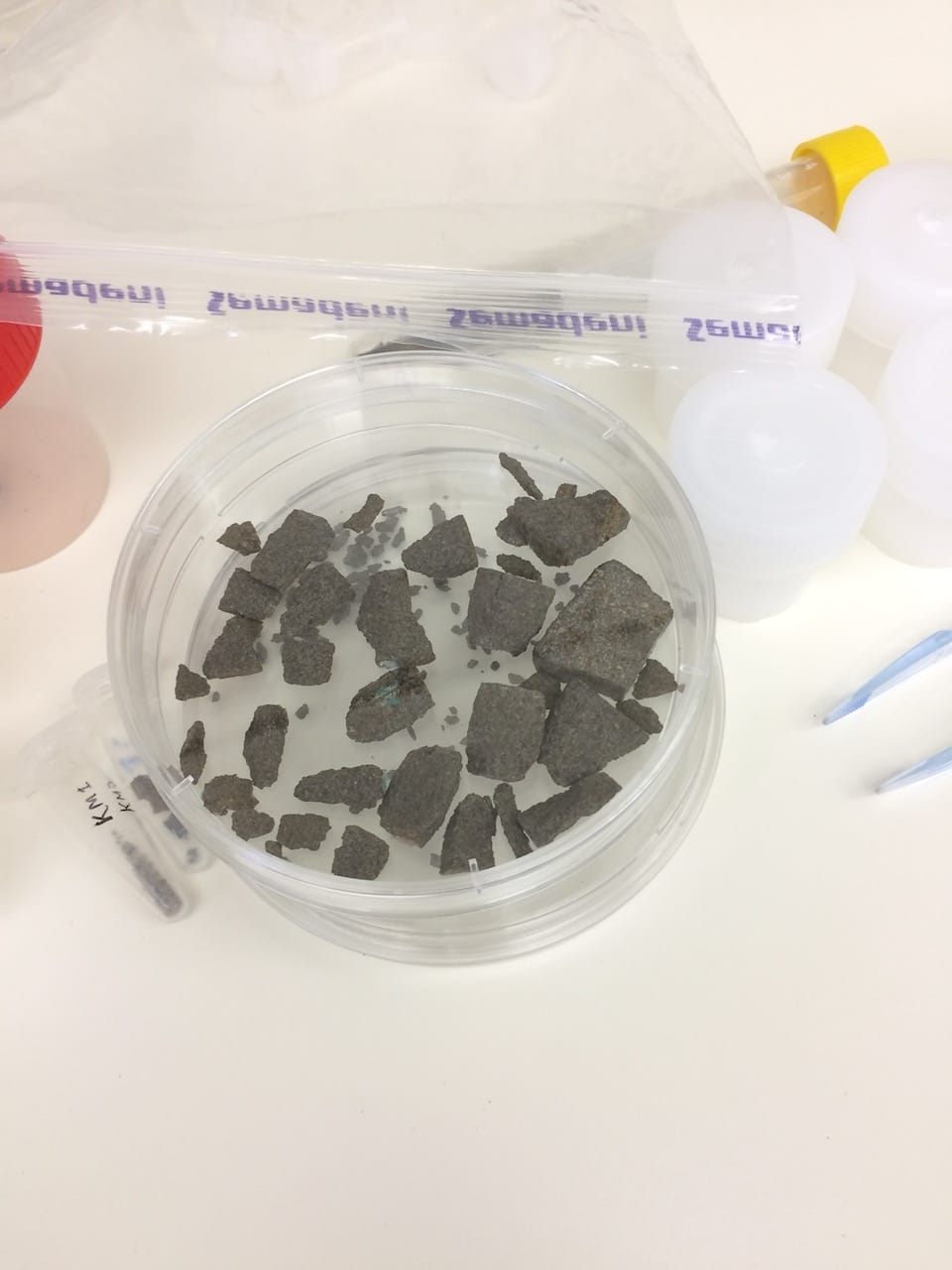
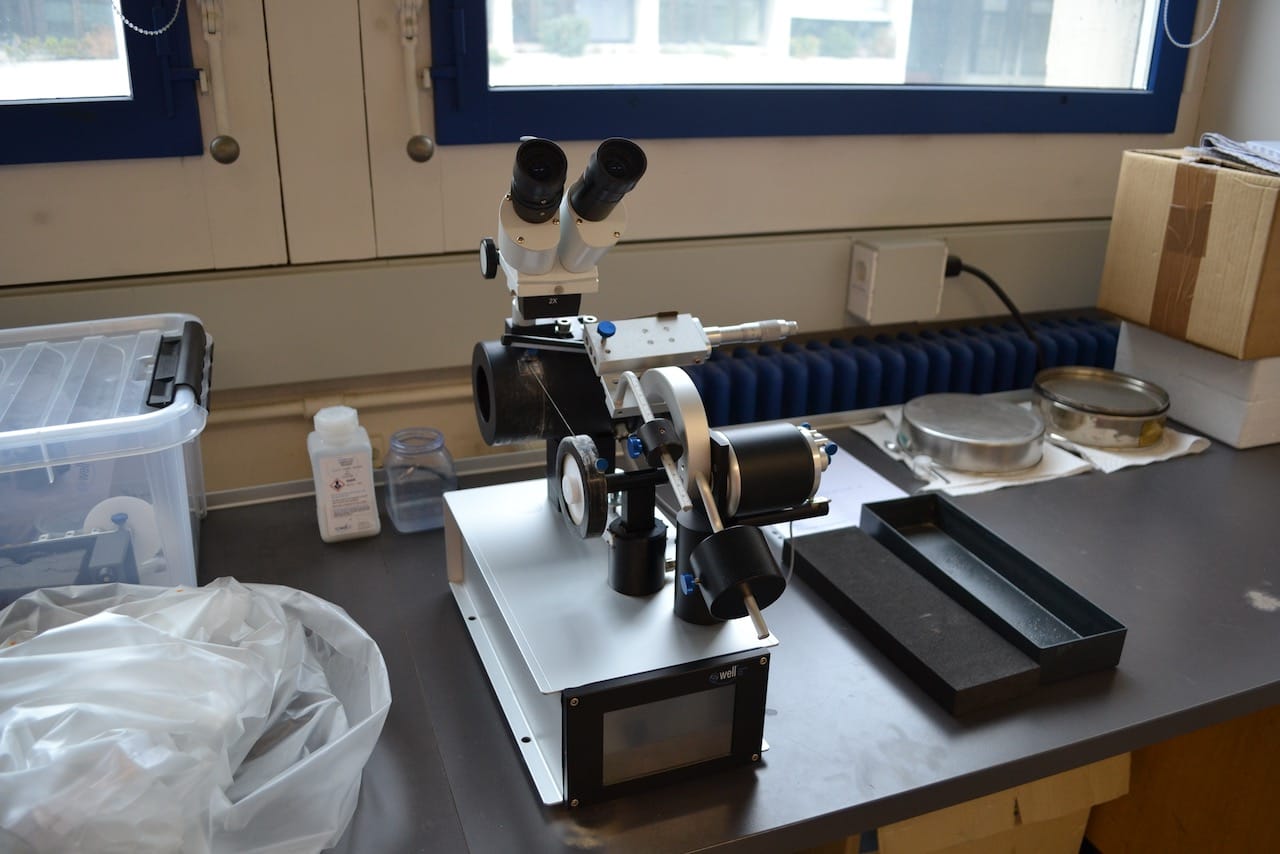
In the mineral separation lab crushed rocks are treated with various methods in order to separate or concentrate specific kinds of rock-forming minerals in different grain sizes. The equipment in this lab includes a magnetic separator, sieves, a binocular microscope and agate mortars.
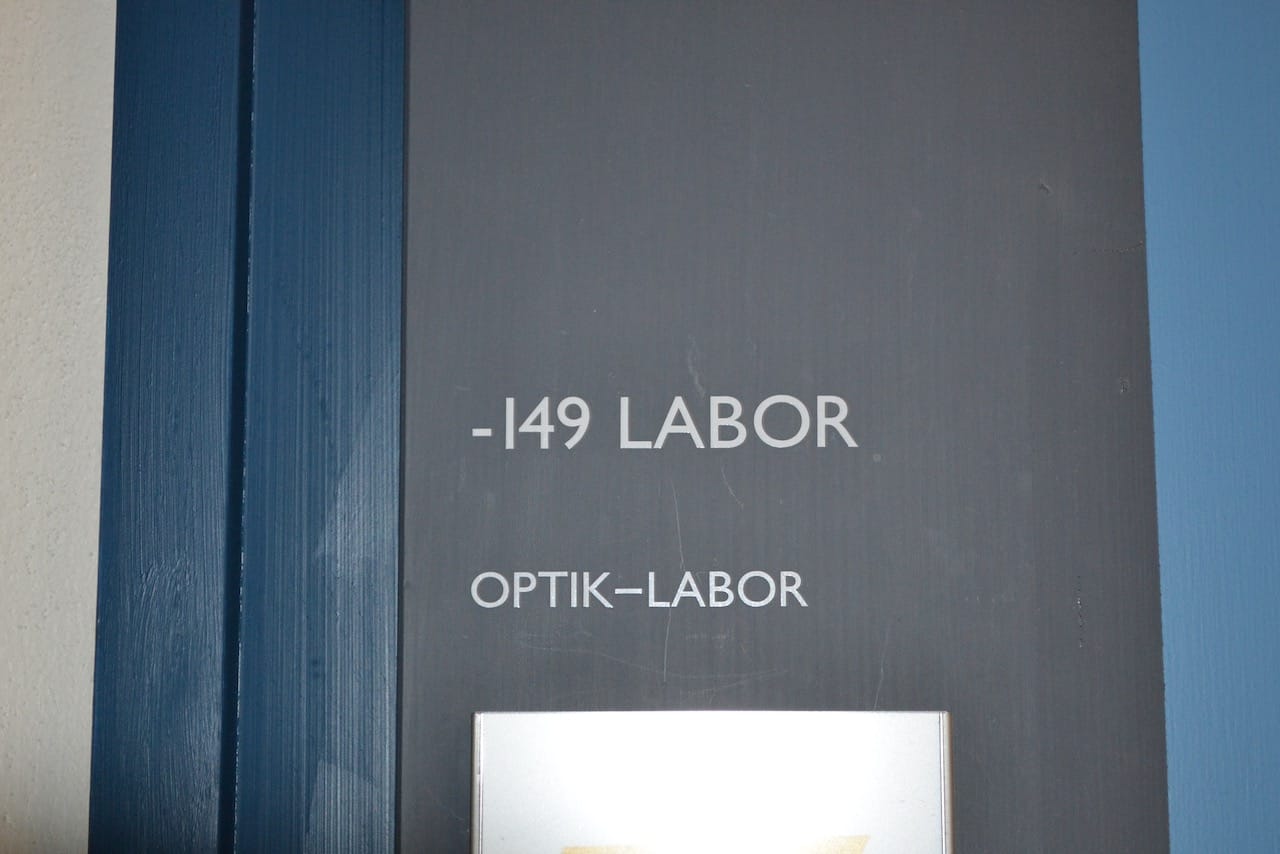
Optical Lab
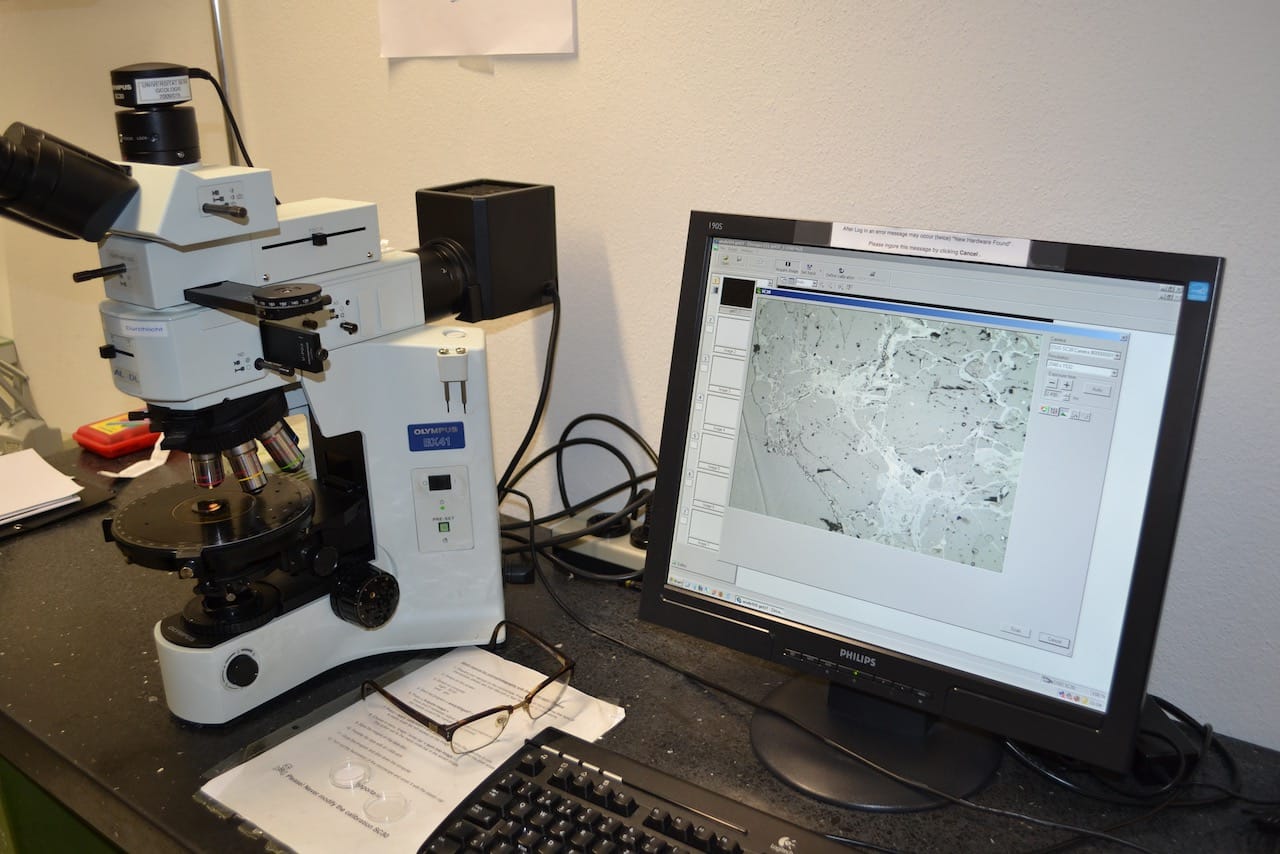
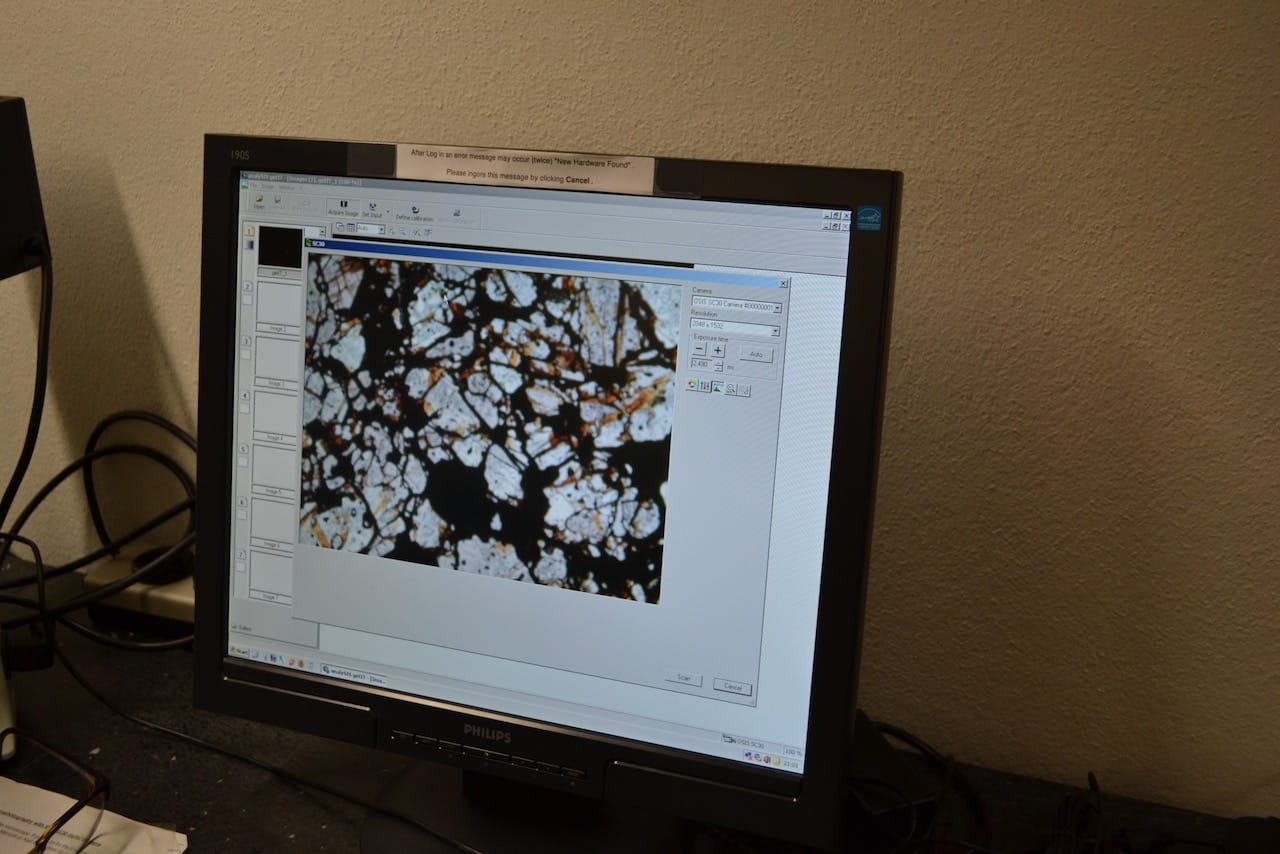
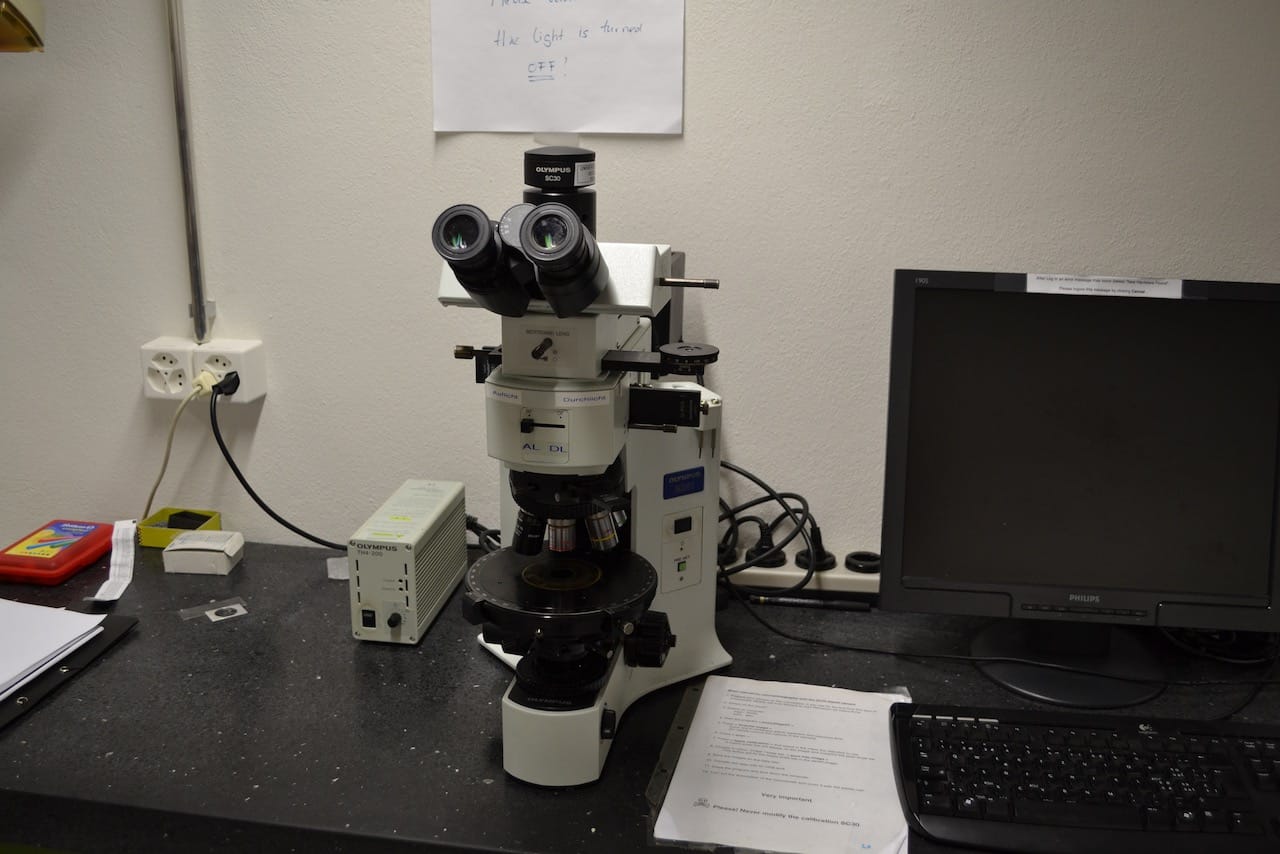
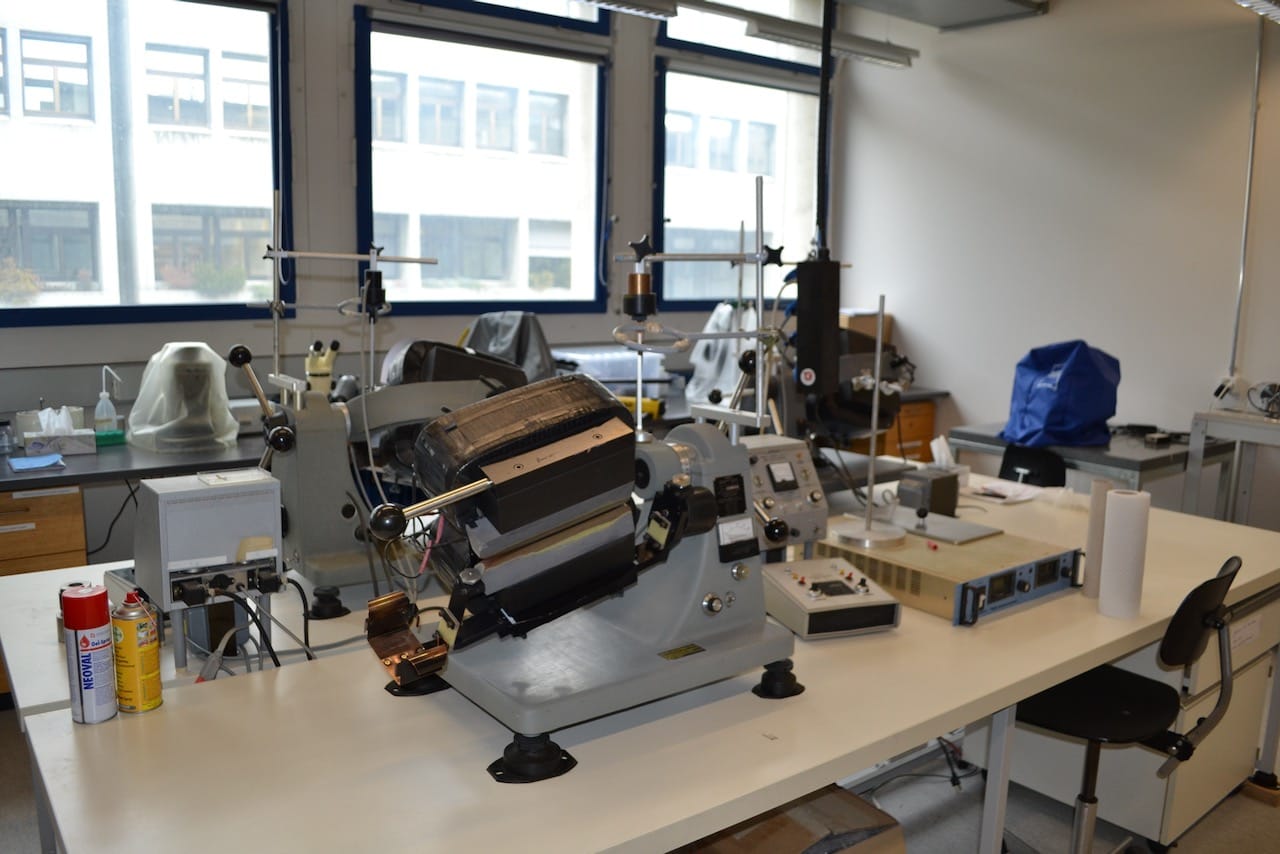
The optical lab is the main microscope room open for thestaff and students at the institute. Here we can capture images through a petrographic (polarizing) microscope in reflected and transmitted light. Additional equipment in this room includes a luminescence microscope with an automated stage and an atom force probe. Petrographic microscopy is still today one of the most essential analytical methods used to identify minerals, study rock microstructures and to classify meteorites.
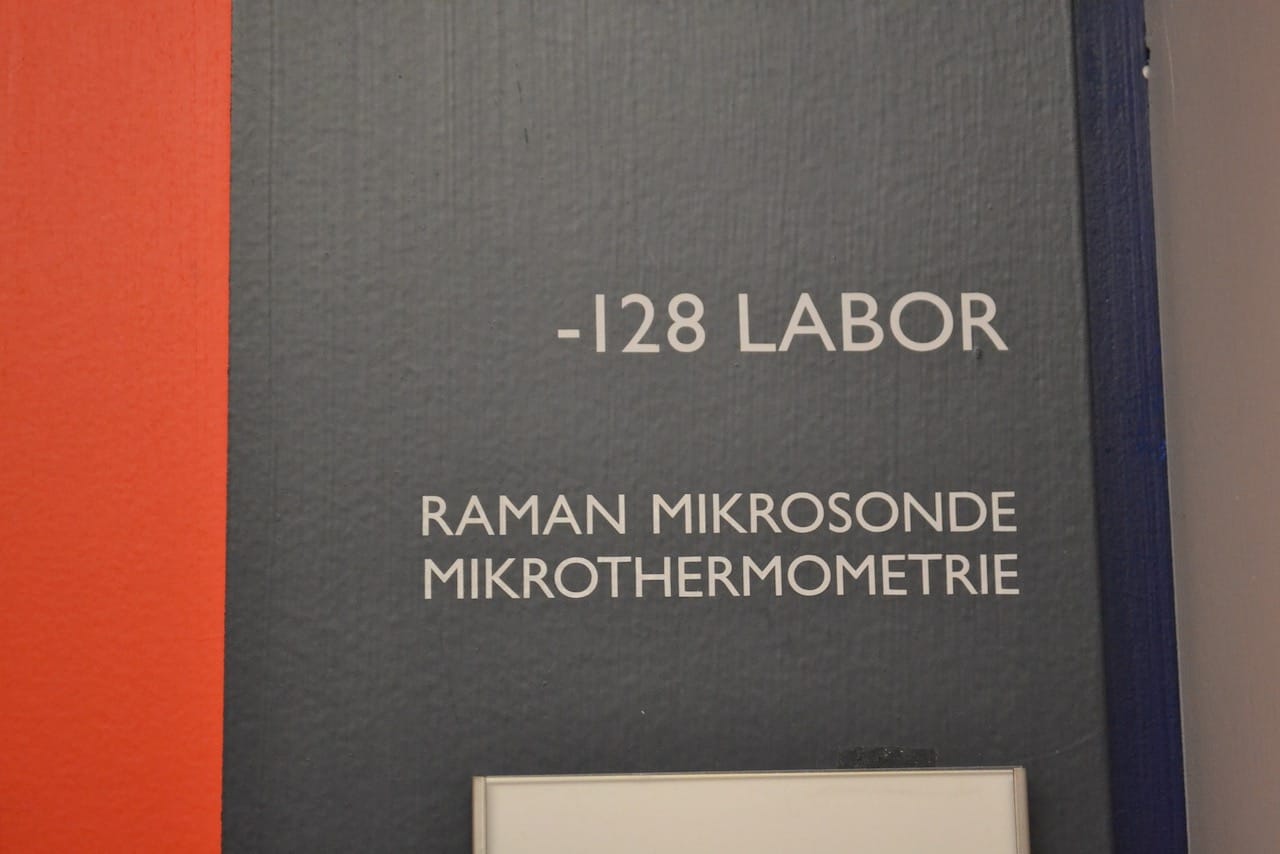
Raman Microprobe
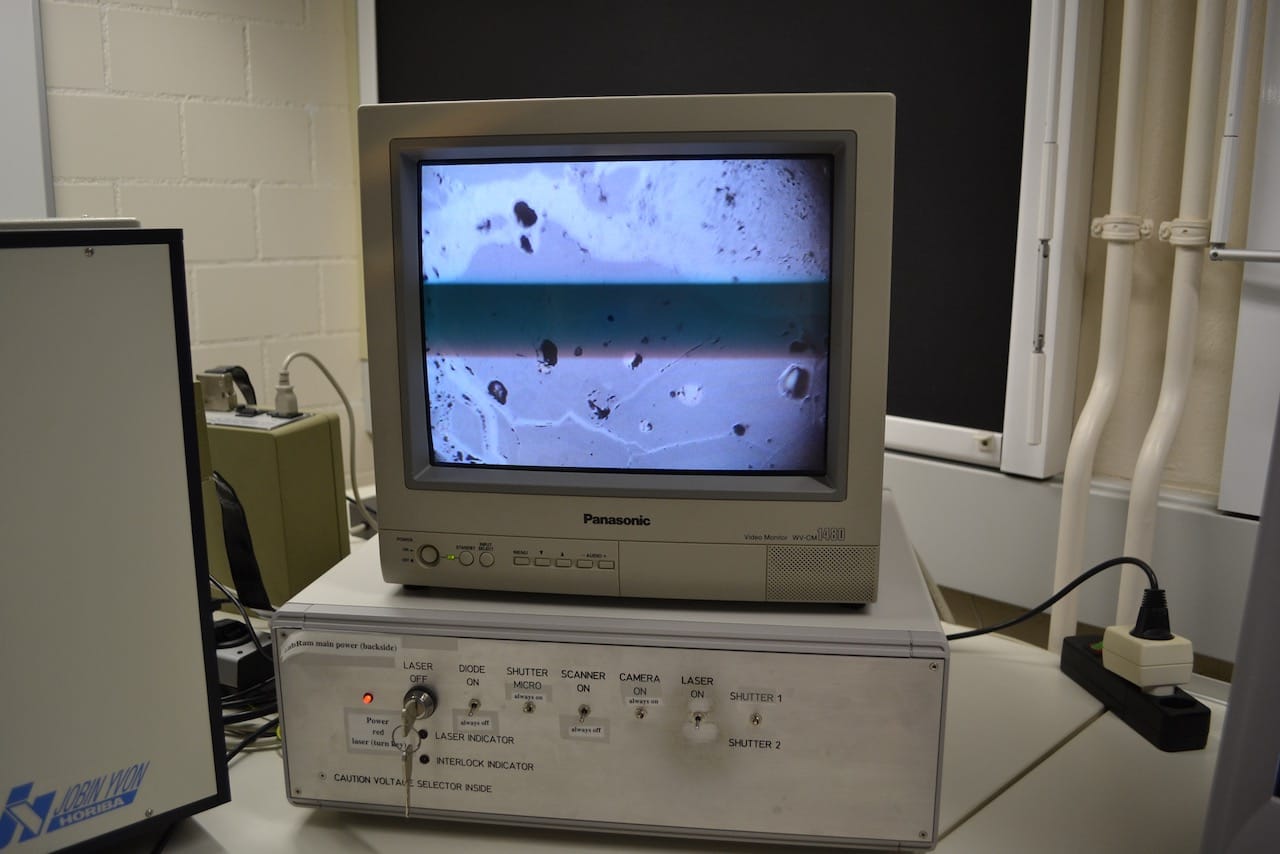
The Raman and micro thermometry lab is equipped with a Raman spectrometer and additionally with microscope equipment used to analyze fluid inclusions in minerals at different temperatures. The Raman equipment works by focusing a laser beam at a sample in up to 100x magnification. The crystal/molecular structure of the analyzed sample causes a shift of wavelength in the incident laser which is characteristic and can be used to identify minerals and other molecular compounds.
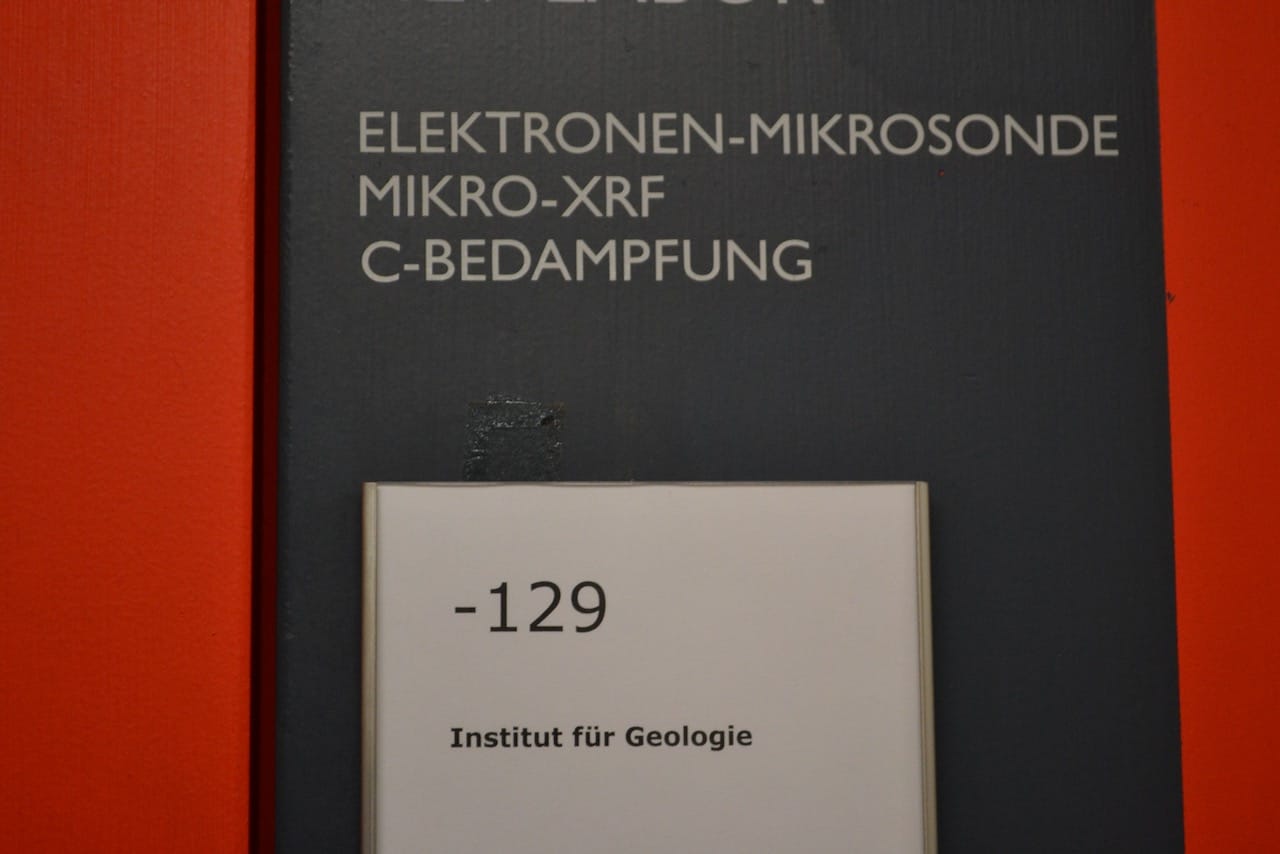
Electron Microprobe
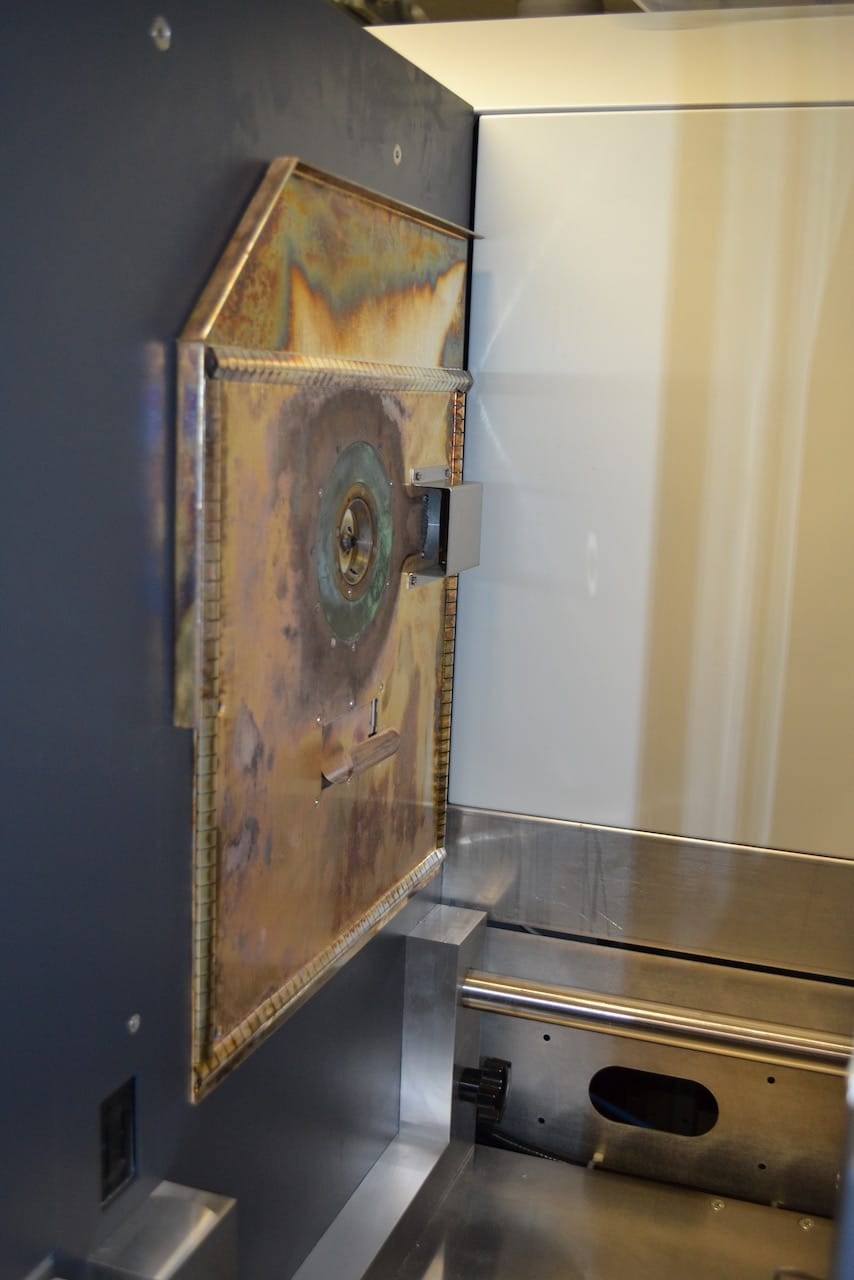
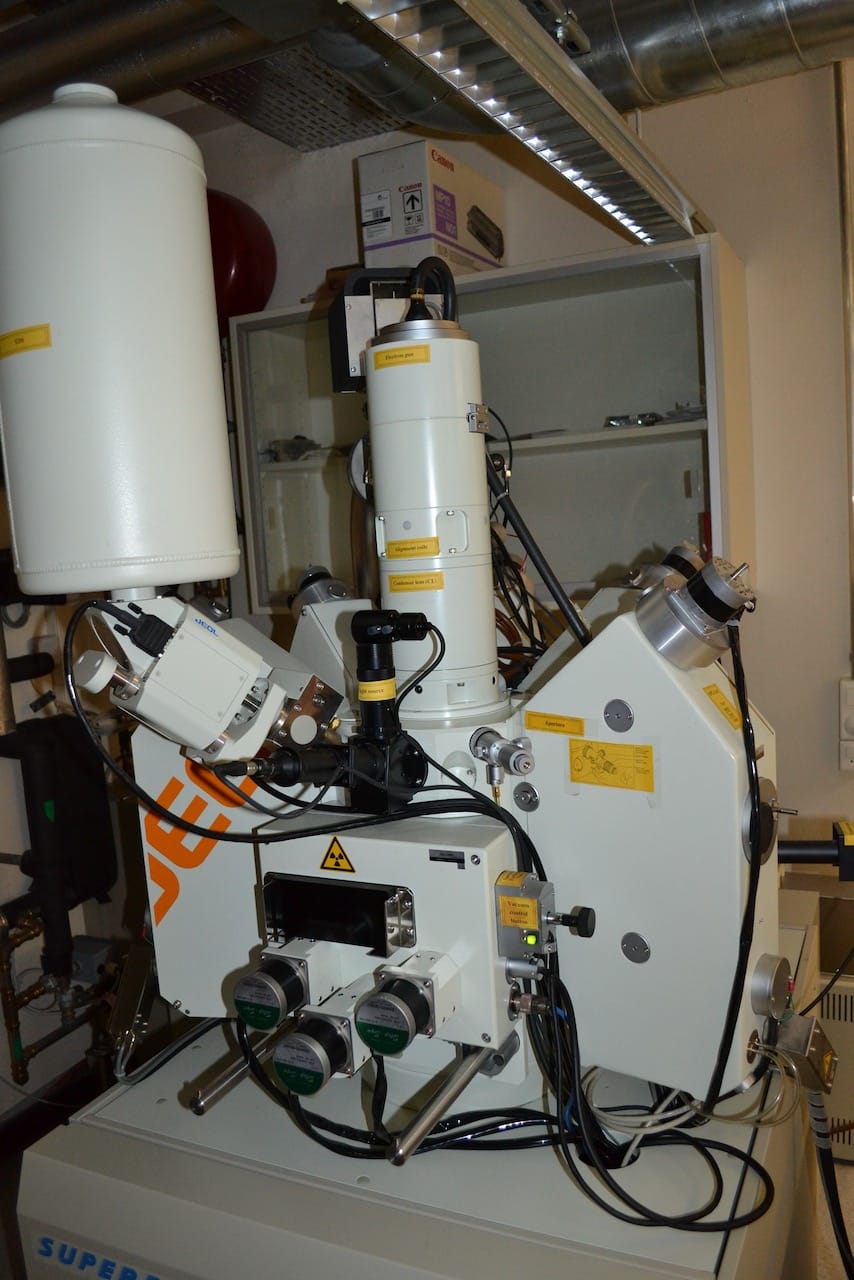
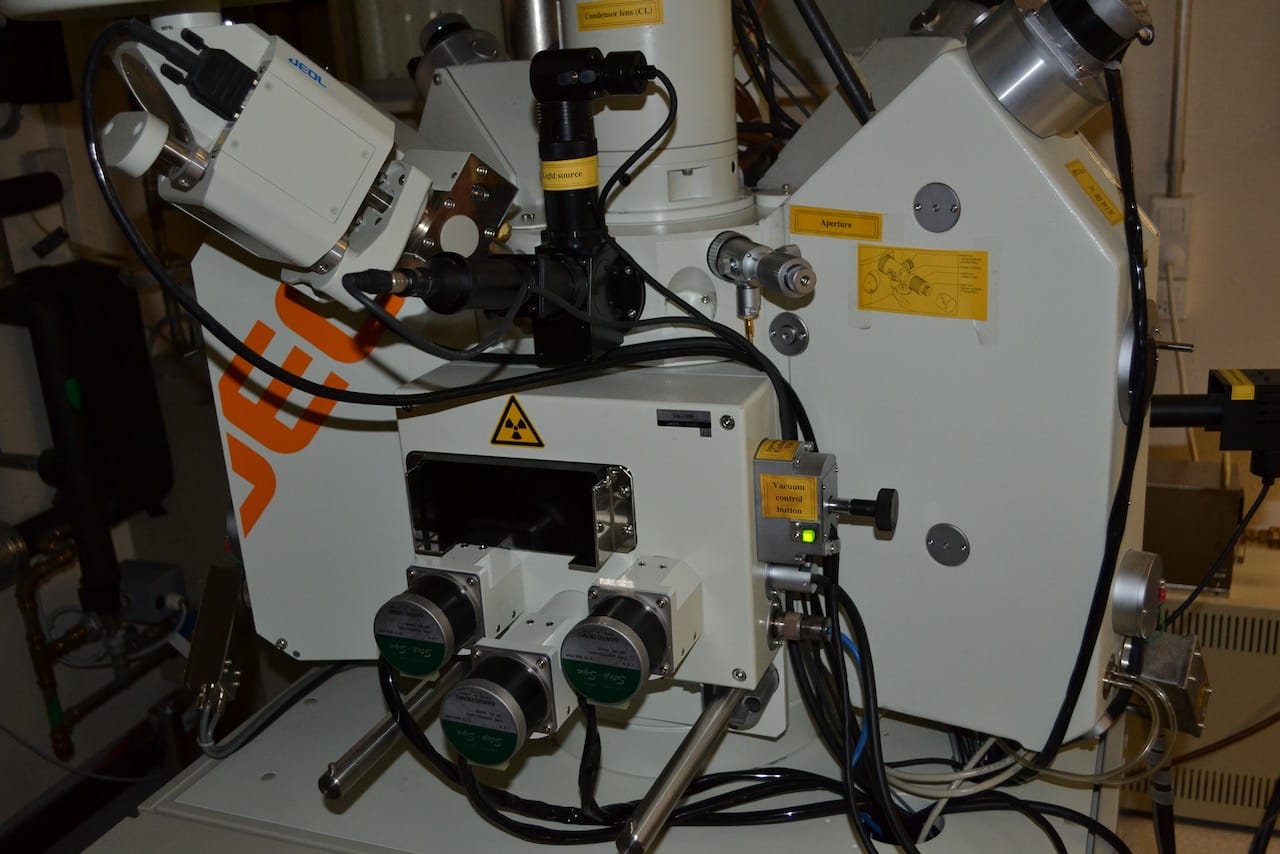
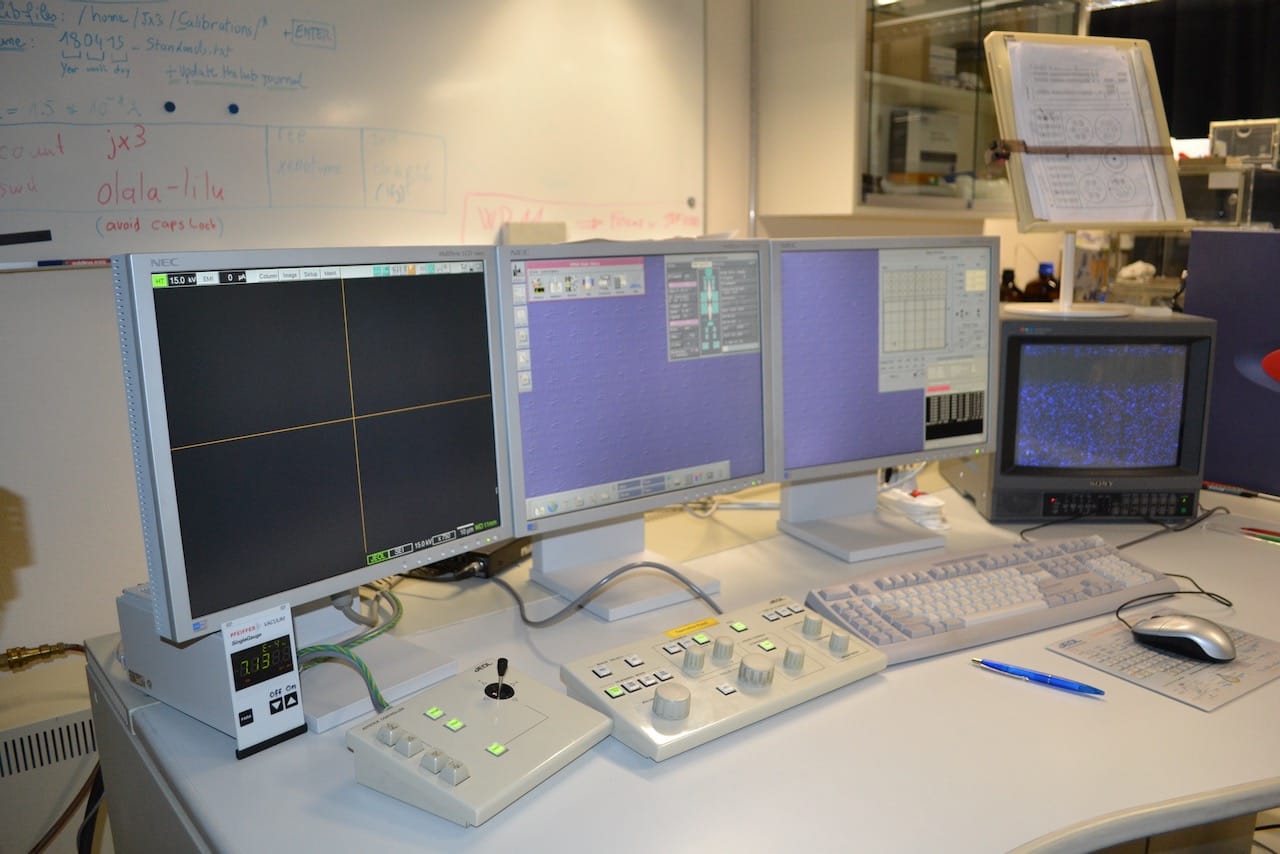
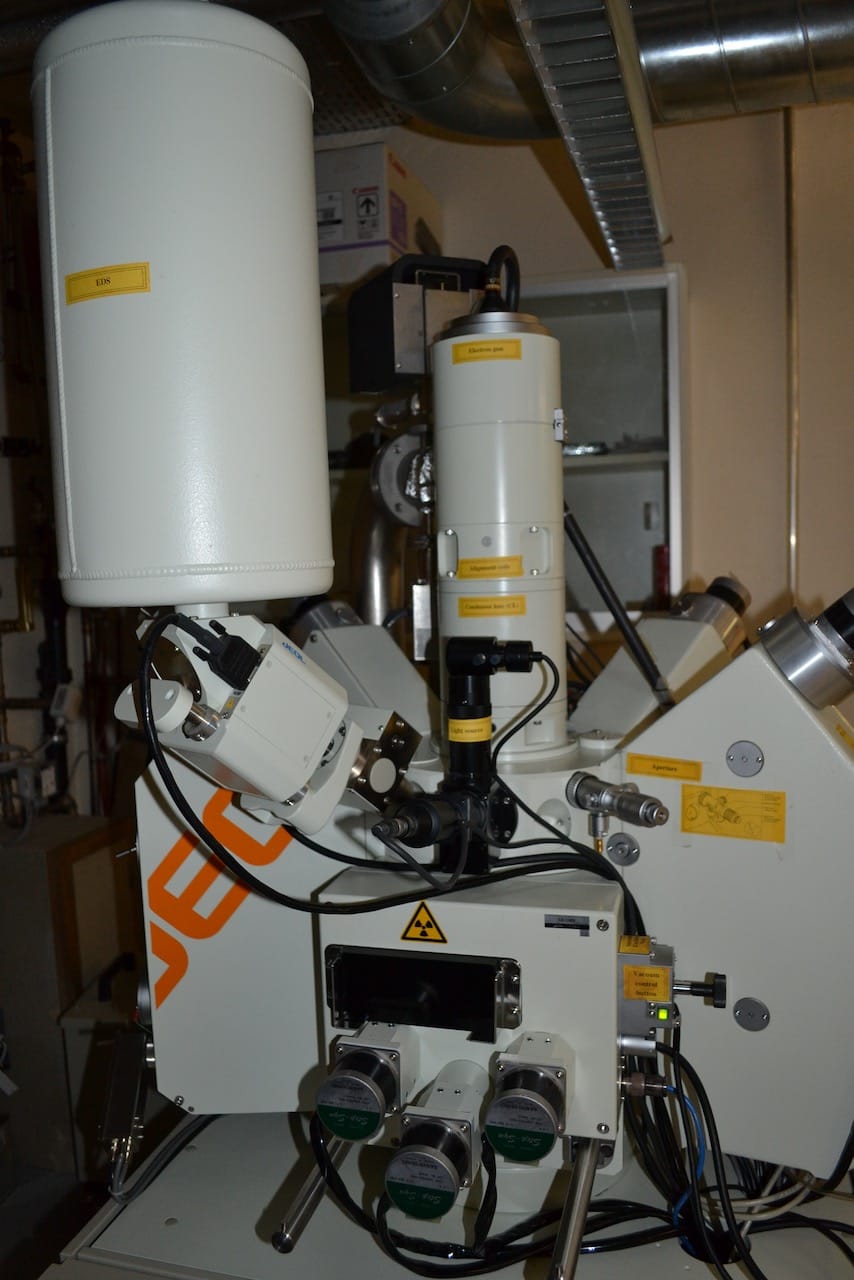
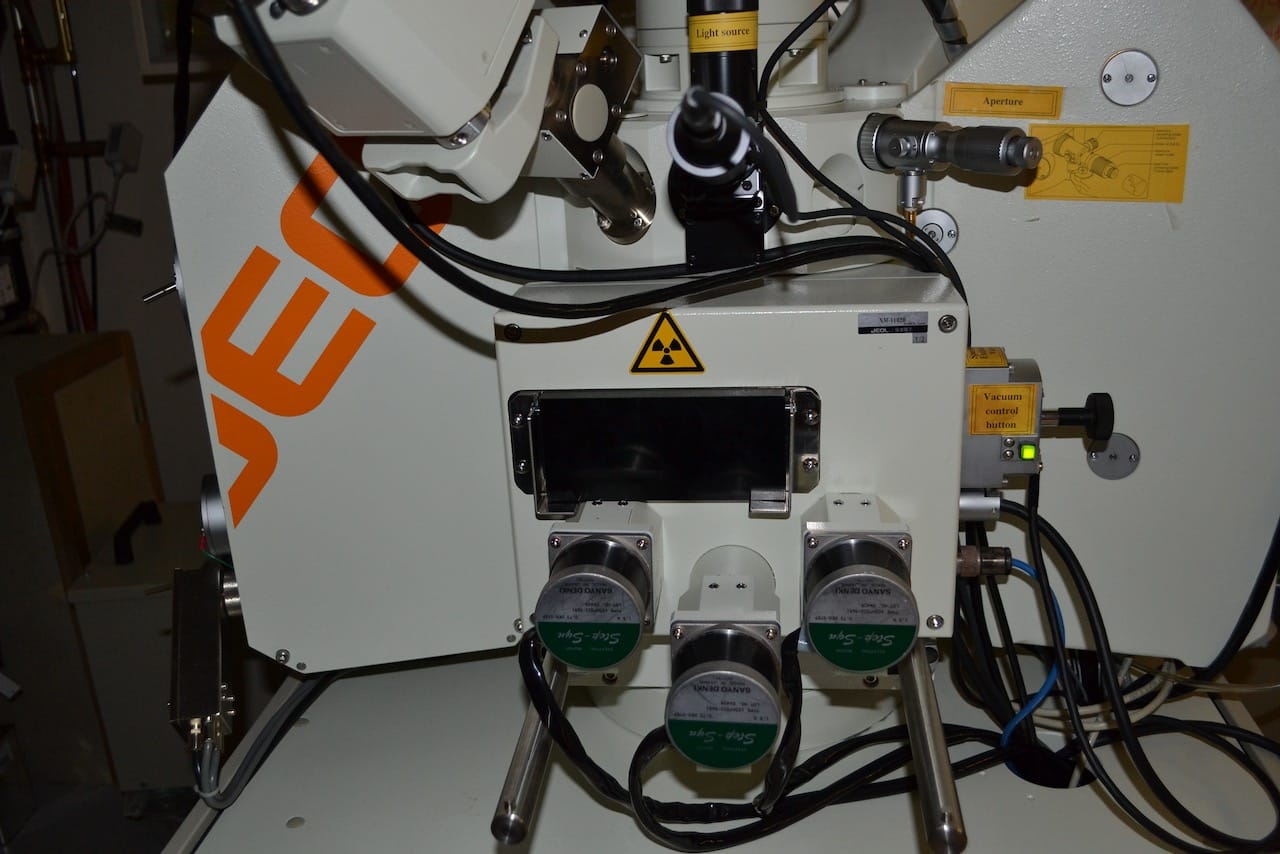
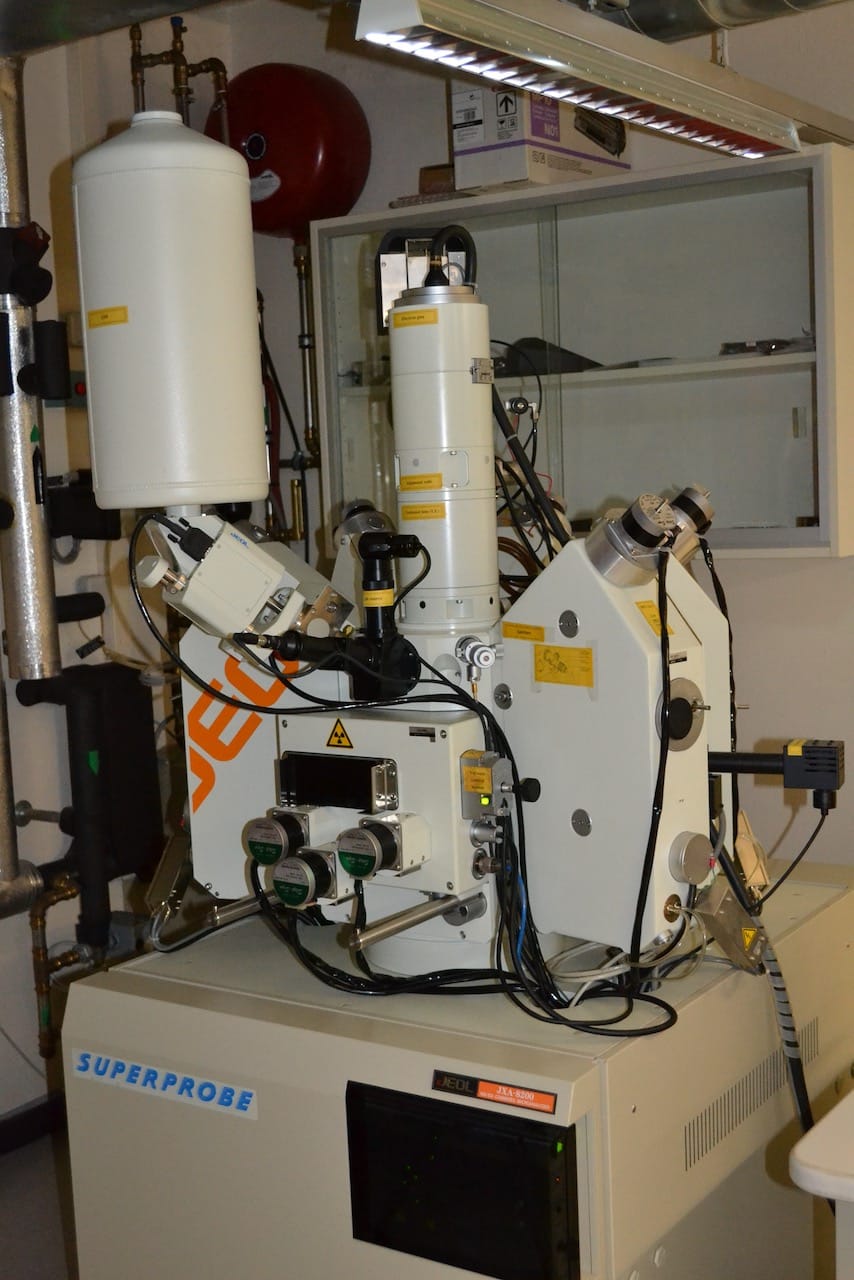
The electron microprobeis an essential analytical tool in petrographic studiesof rocksand for the classification of meteorites. This instrument can be used to analyzethe element composition of polished surfaces with a high spatial resolution and at good precision. The technique is based on characteristic x-rays which are emitted from atoms as their electrons are excited by a focused electron beam. The machine moves detectors to the angle which correspond to the x-rays of interest, allowing for one element per detector to be measured simultaneously. By comparing the counts from the sample with standard material of well-known composition the exact composition of the analyzed volume in a mineral can then be accurately determined. When classifying meteorites an essential piece of information is the iron content sand oxidation state of the unclassified specimen which conventionally, using an electron microprobe, allow us to distinguish between different types of e.g.,ordinary chondrites.
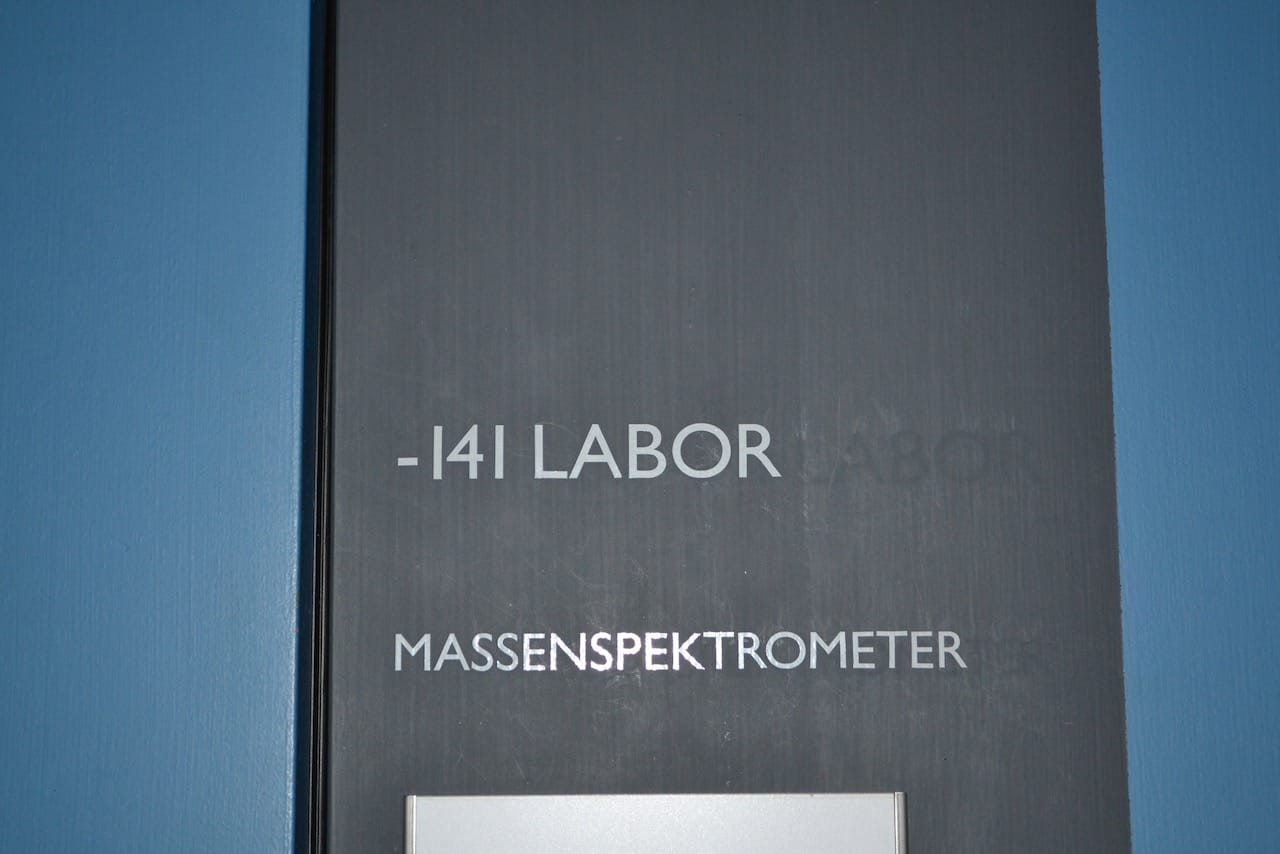
Mass Spectrometry
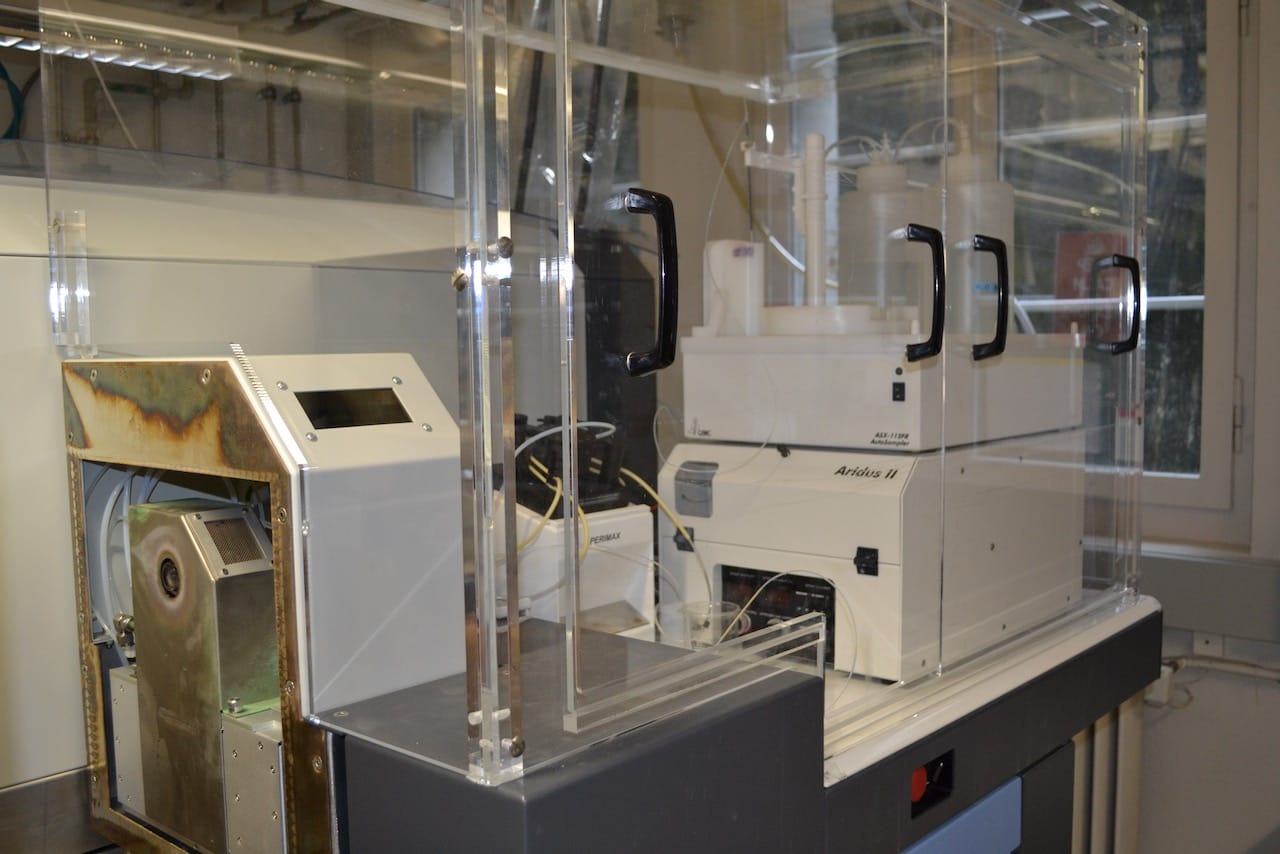
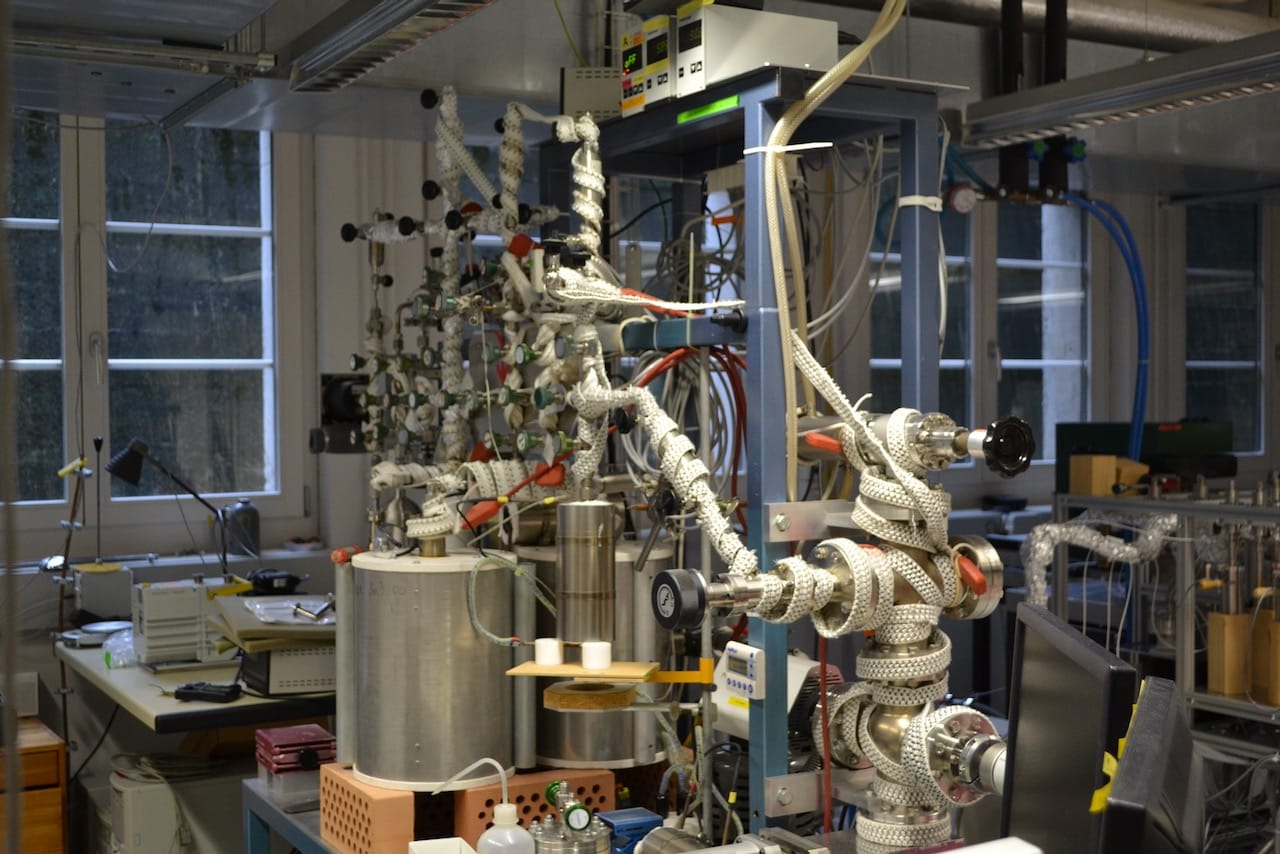
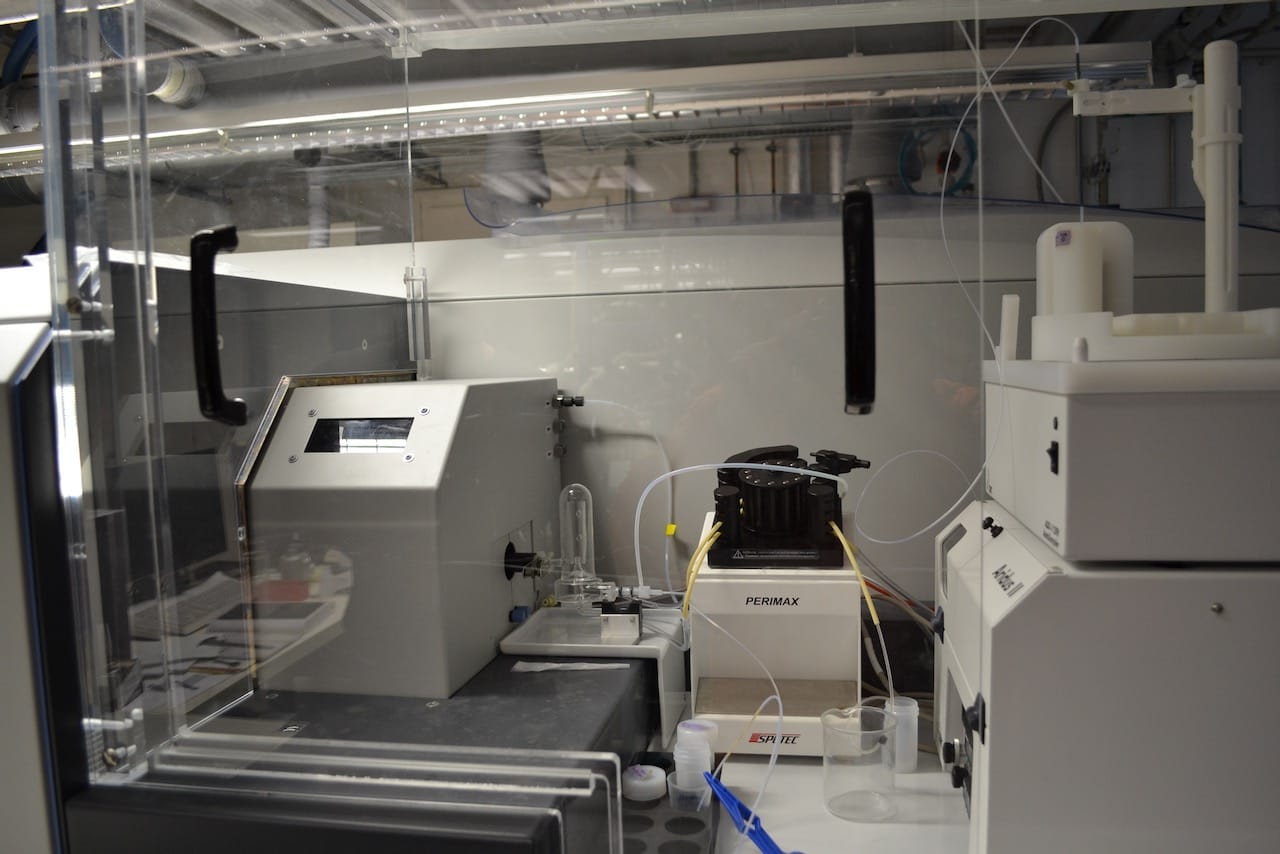
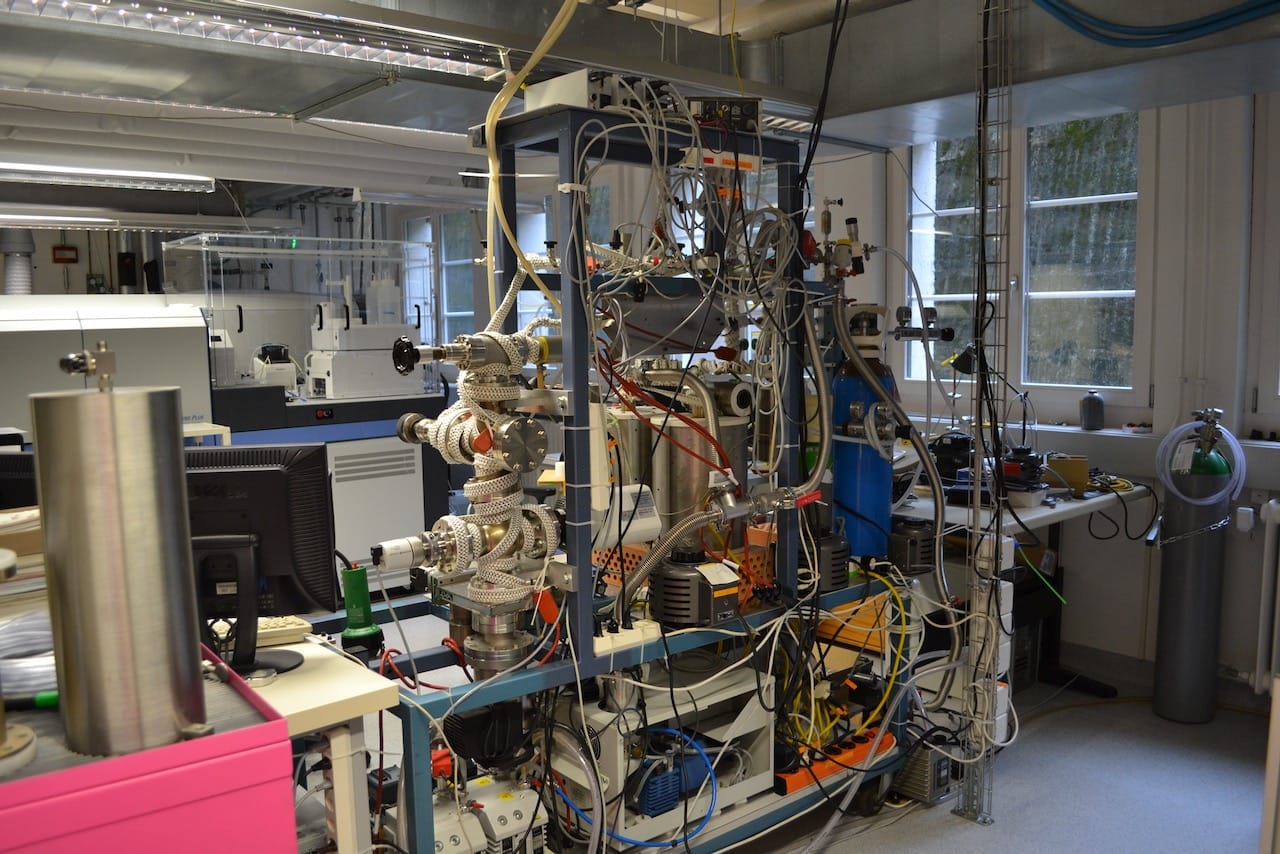
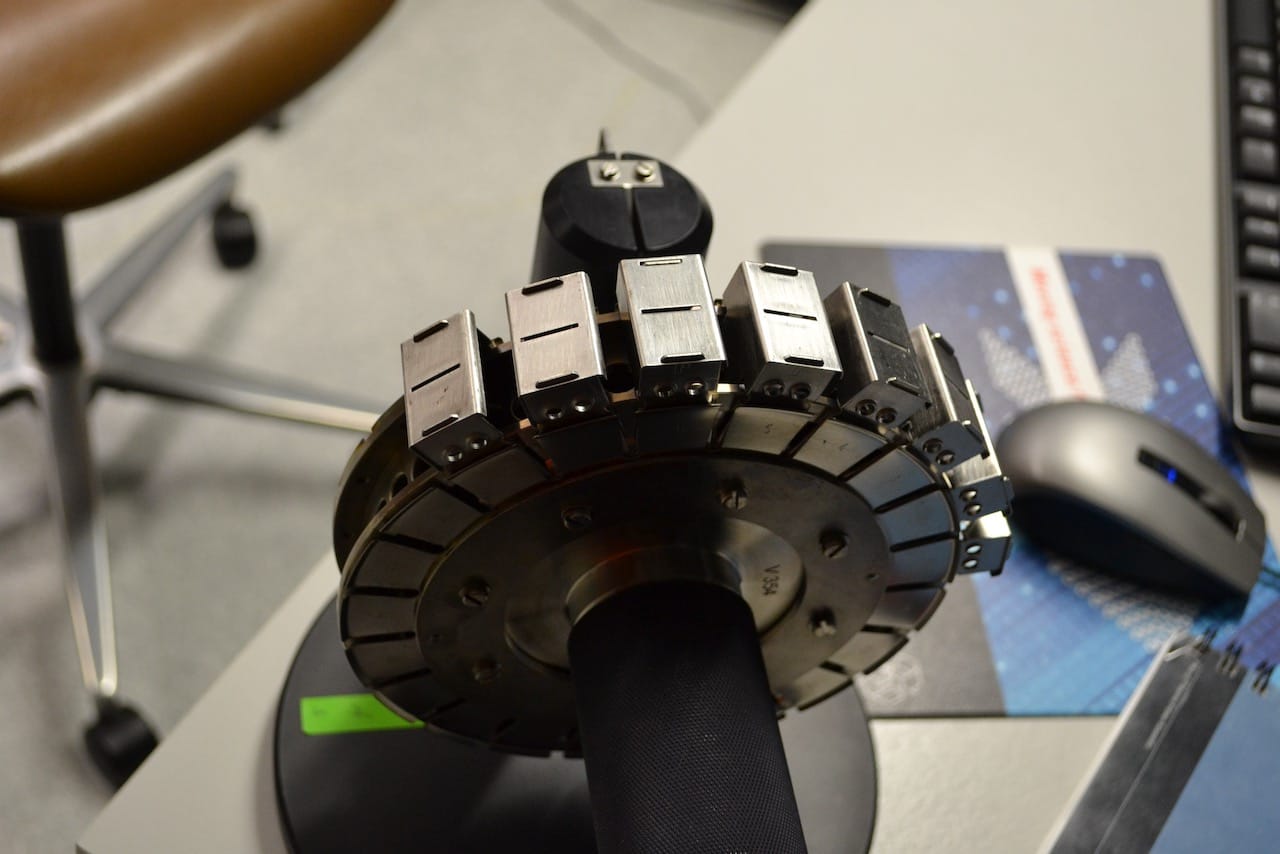
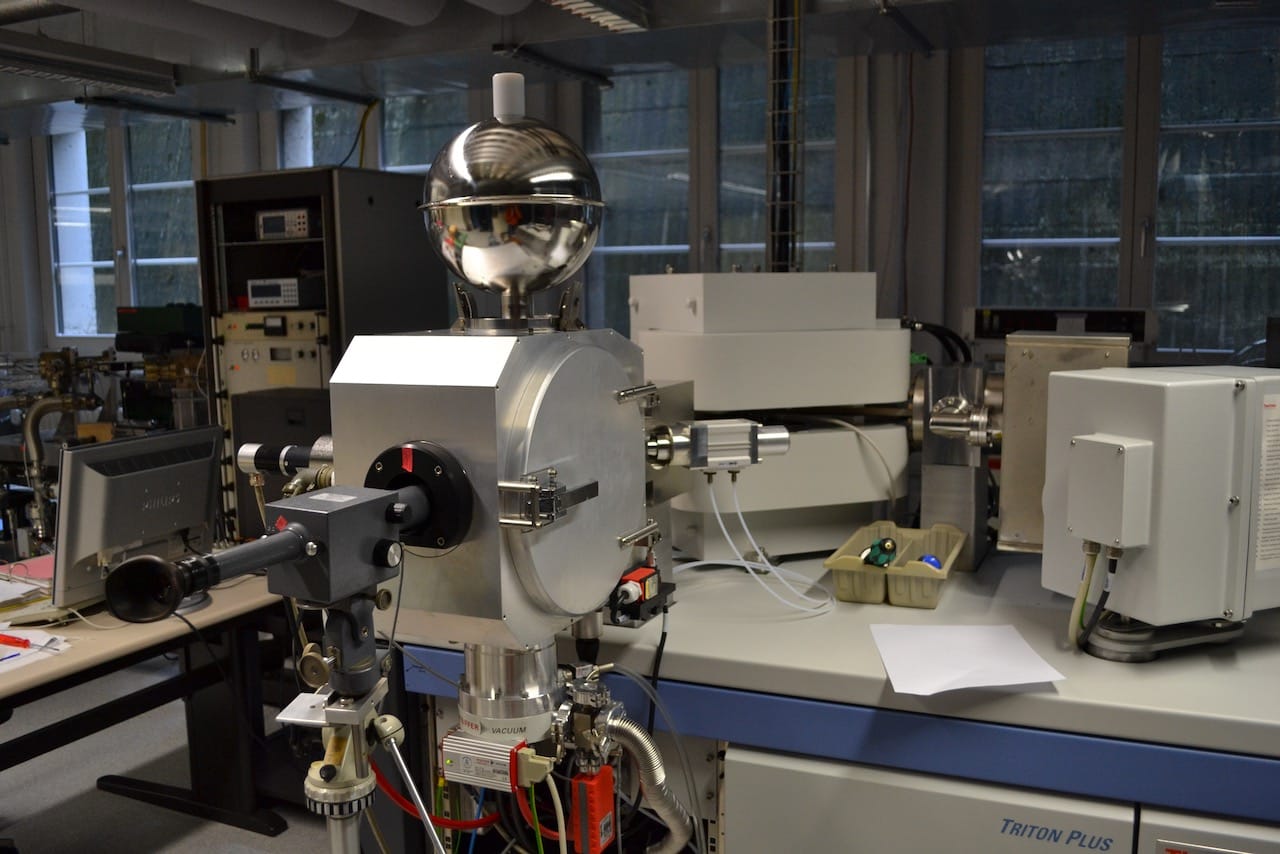
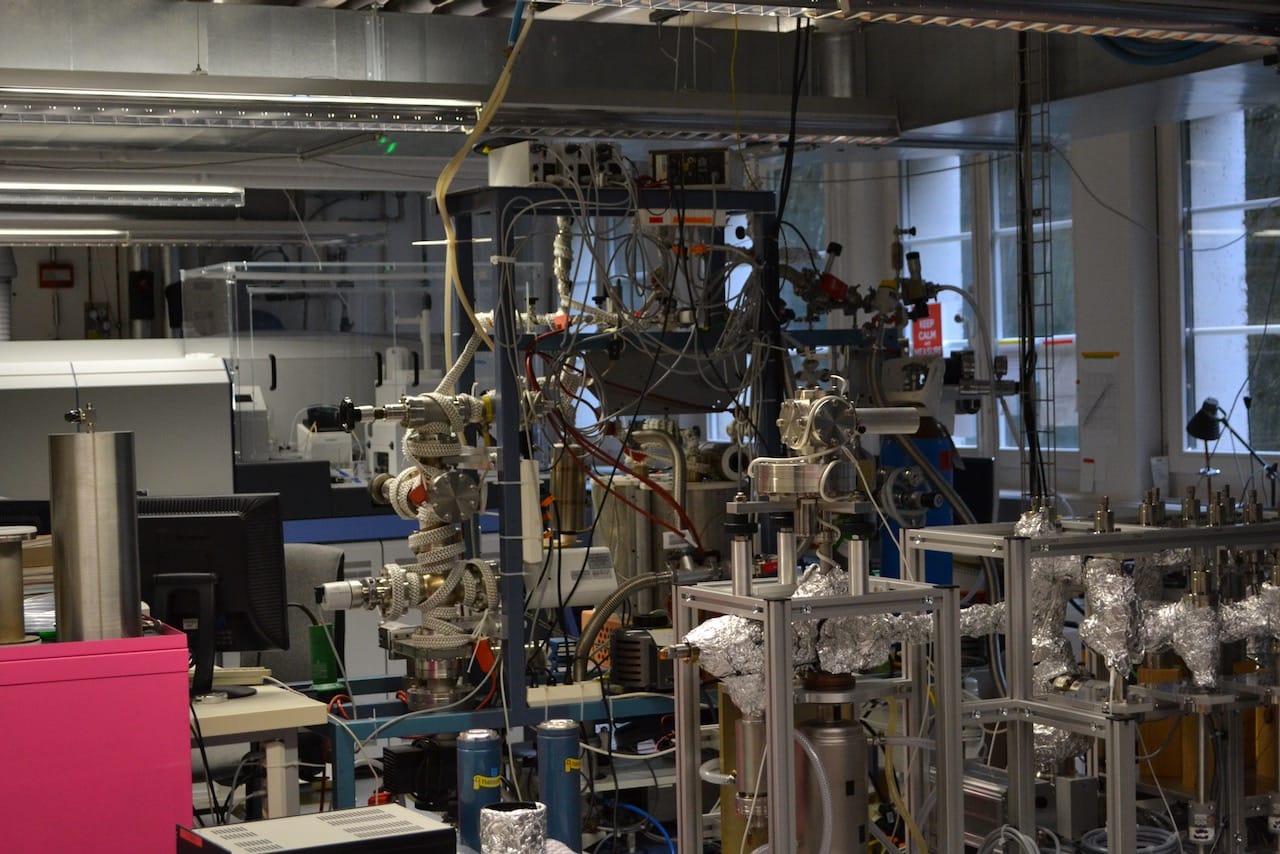
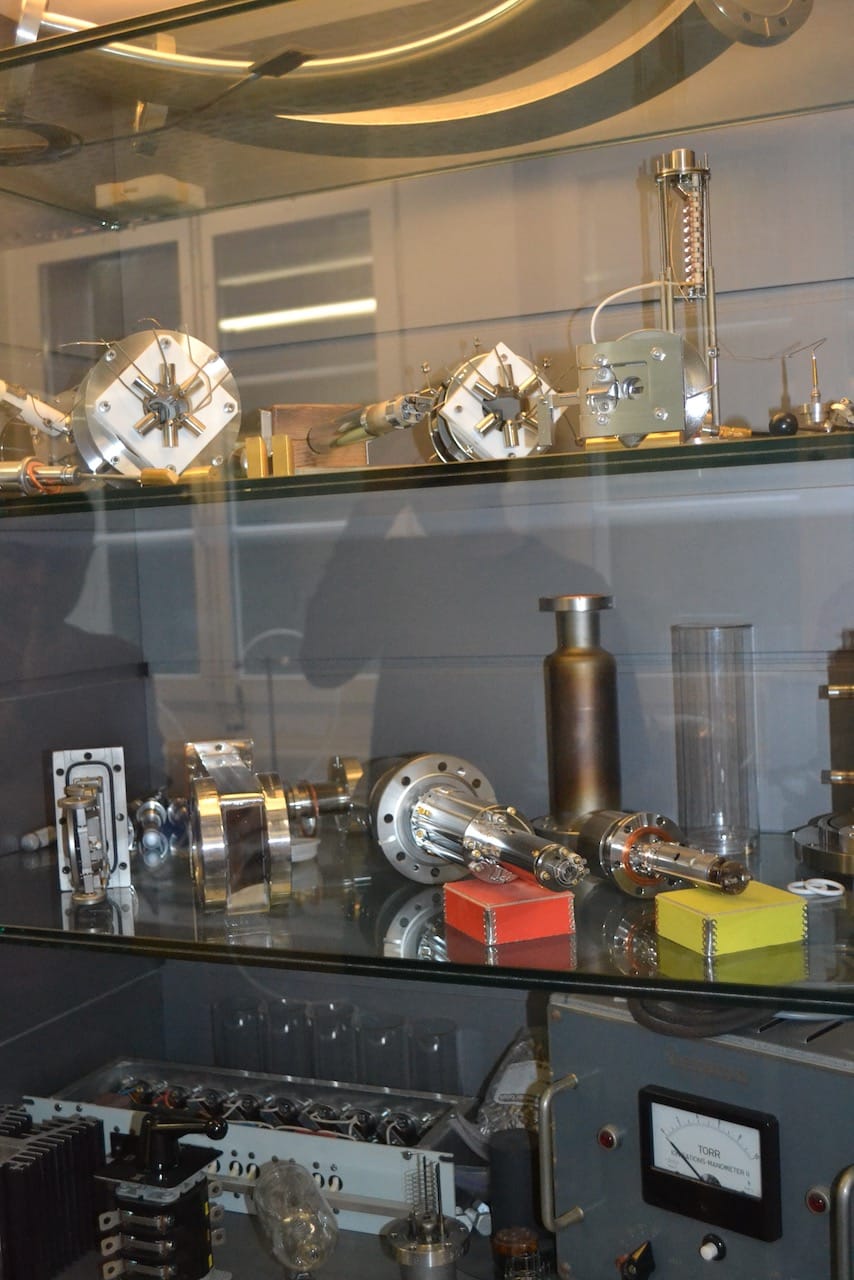
Two types of mass-spectrometers at the Institute of Geological sciences in Bern are used to investigate the isotopic ratios of elements from terrestrial samples and meteorites – thermal ionization mass spectrometer (TIMS) and an inductively coupled plasma mass spectrometry (ICP-MS). In both these instruments, thermal energy is used to vaporize and ionize the element of interest which then gets accelerated and focused into an ion beam. A magnetic field is then used to spatially separate different isotopes by forcing them into different trajectories depending on their mass/charge ratio. Both instruments are equipped with multiple detectors to precisely determine the abundance variation of different isotopes of radiogenic elements like Sr, Nd and Pb and stable elements like Cr, Mo and Sn. This information can be used toe.g.,reconstruct formation ages of sample minerals, reconstruct the geochemical evolution of meteorites, reconstruct the evolution of reservoirs like the earth crust, mantle and earth hydro-/atmosphere.
Chemical Lab
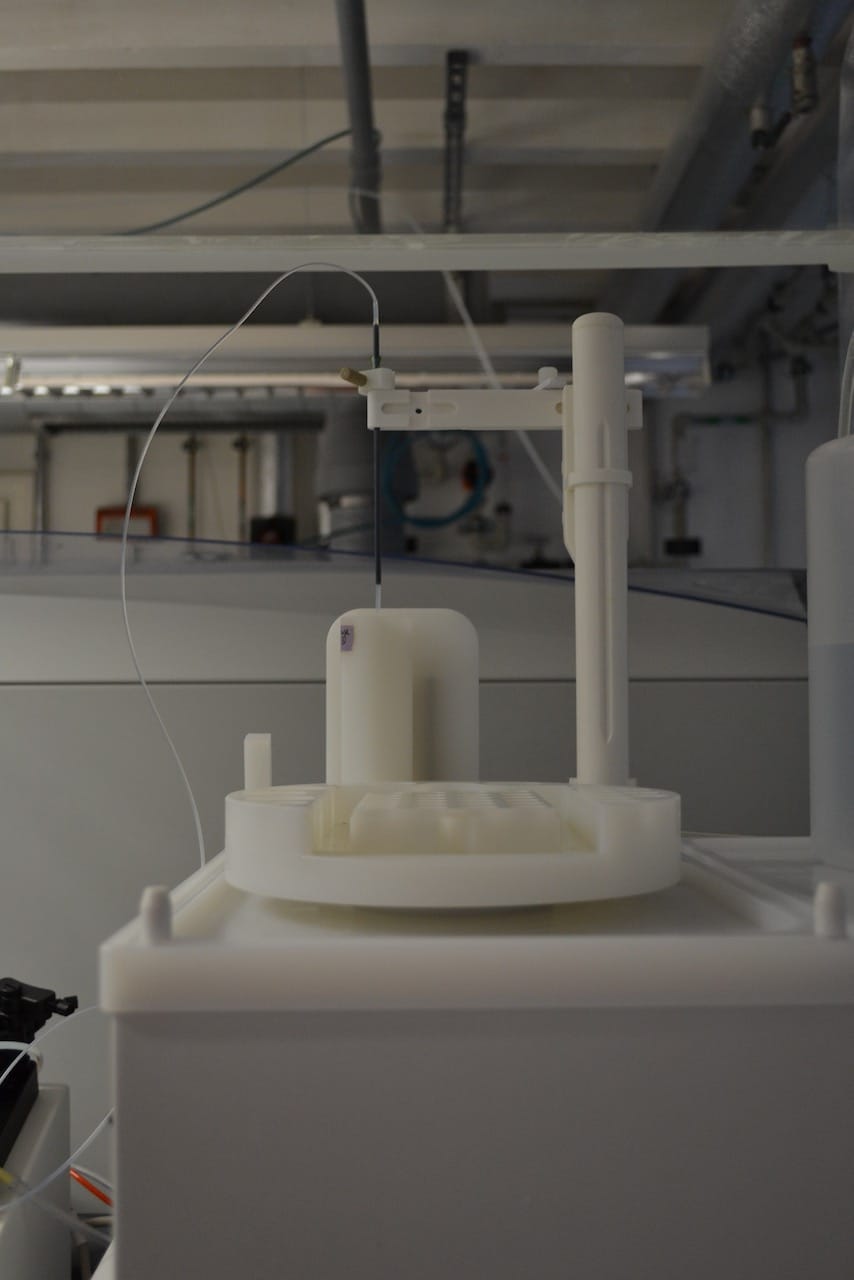
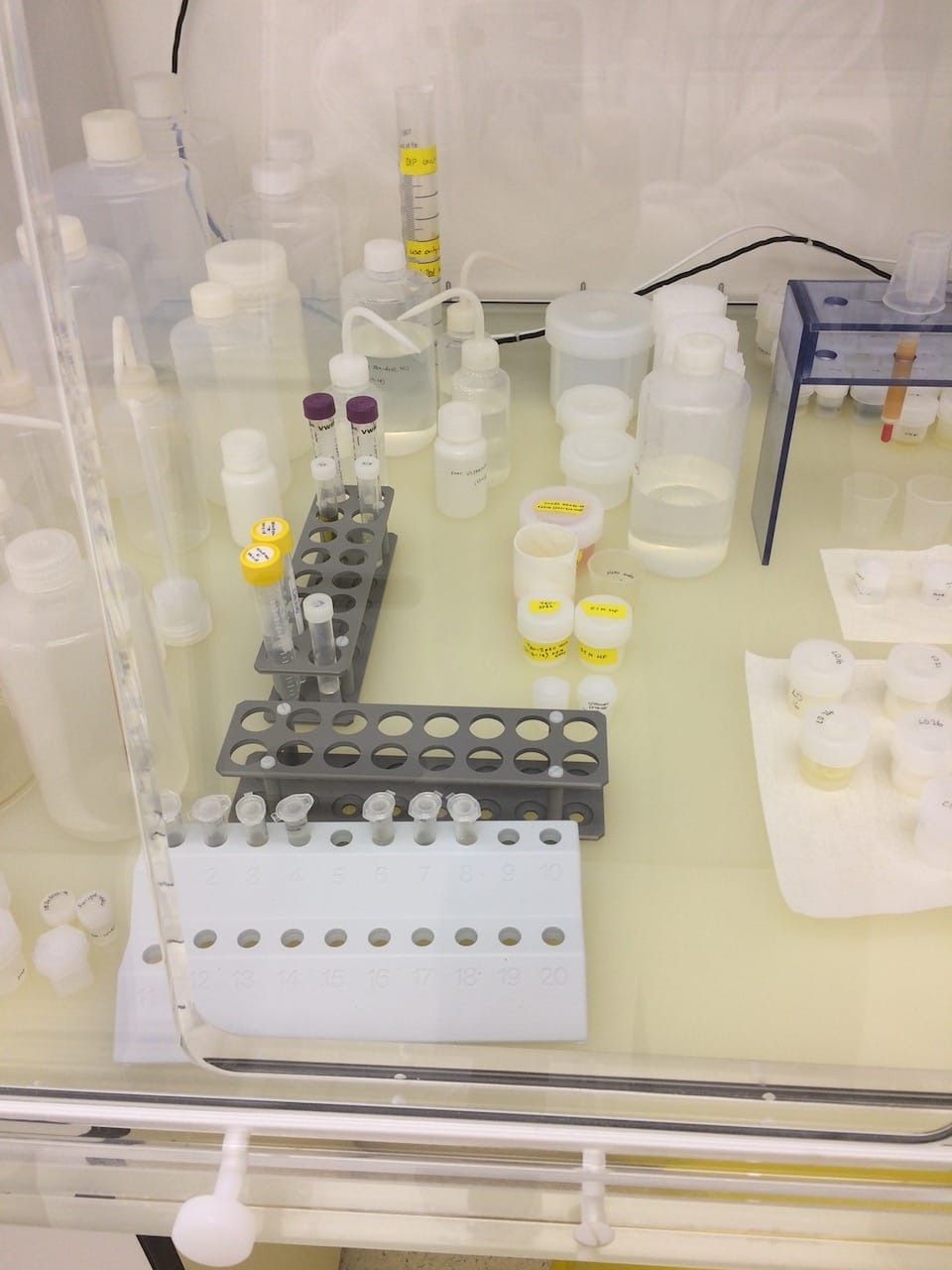
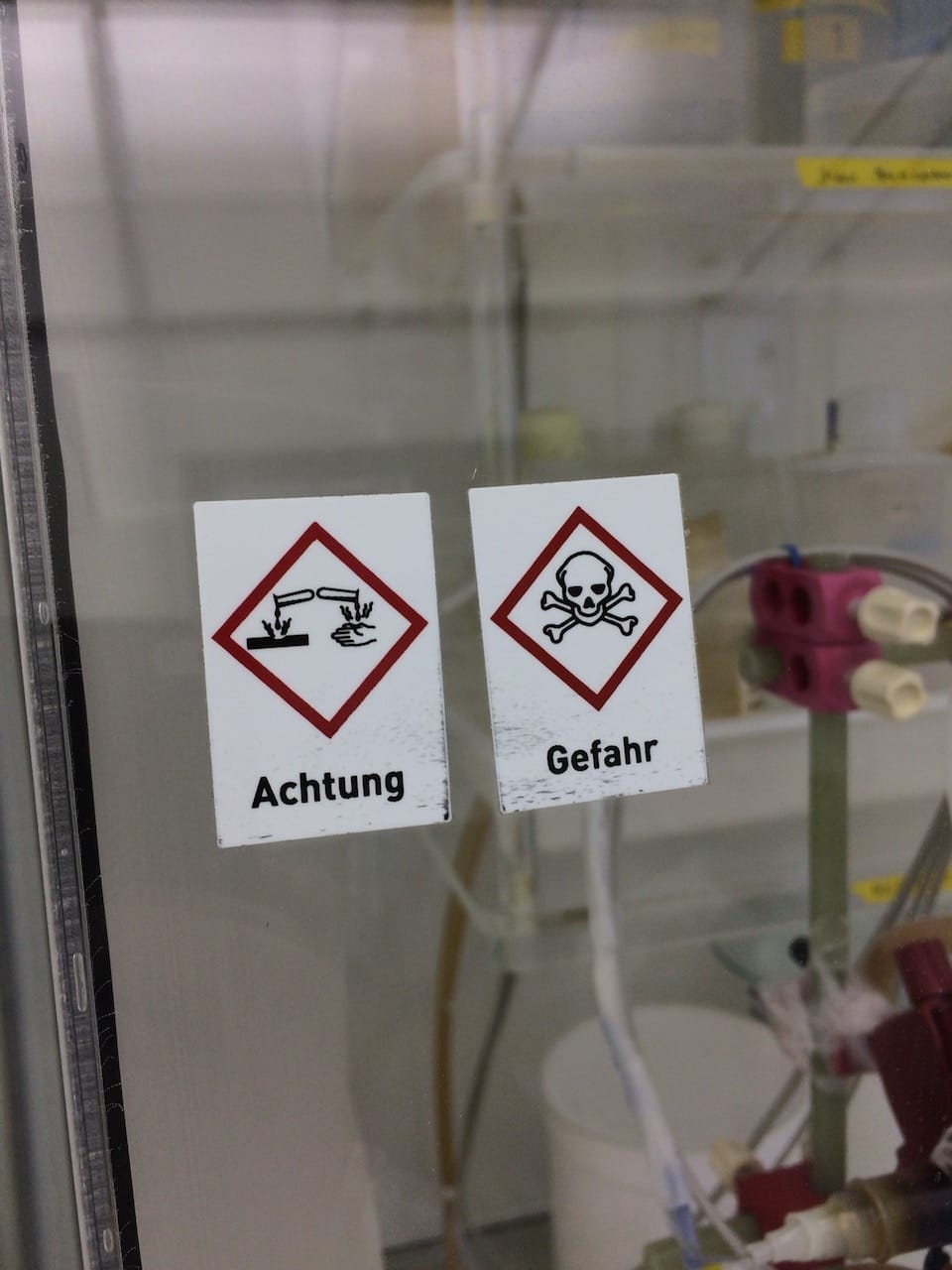
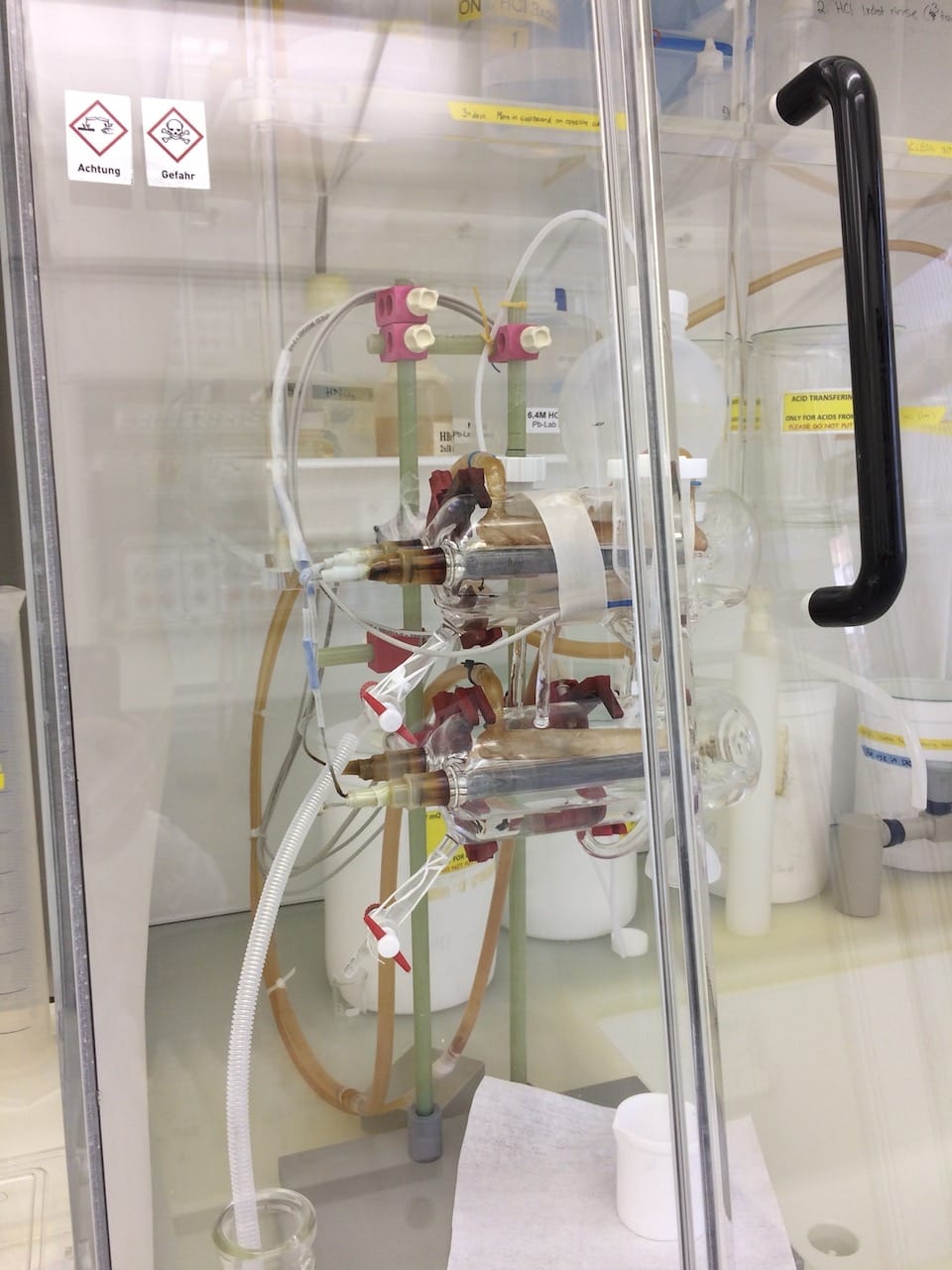
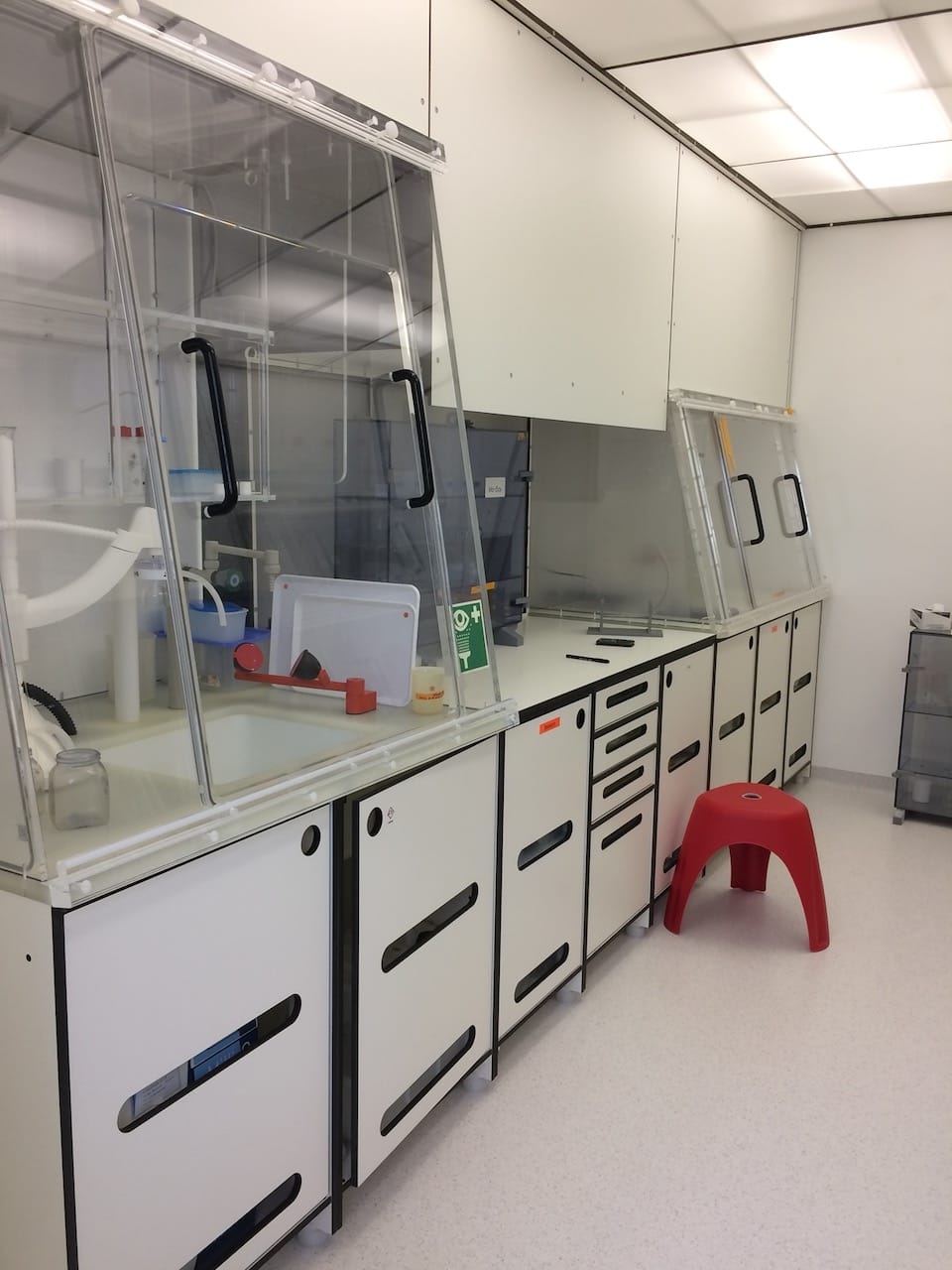
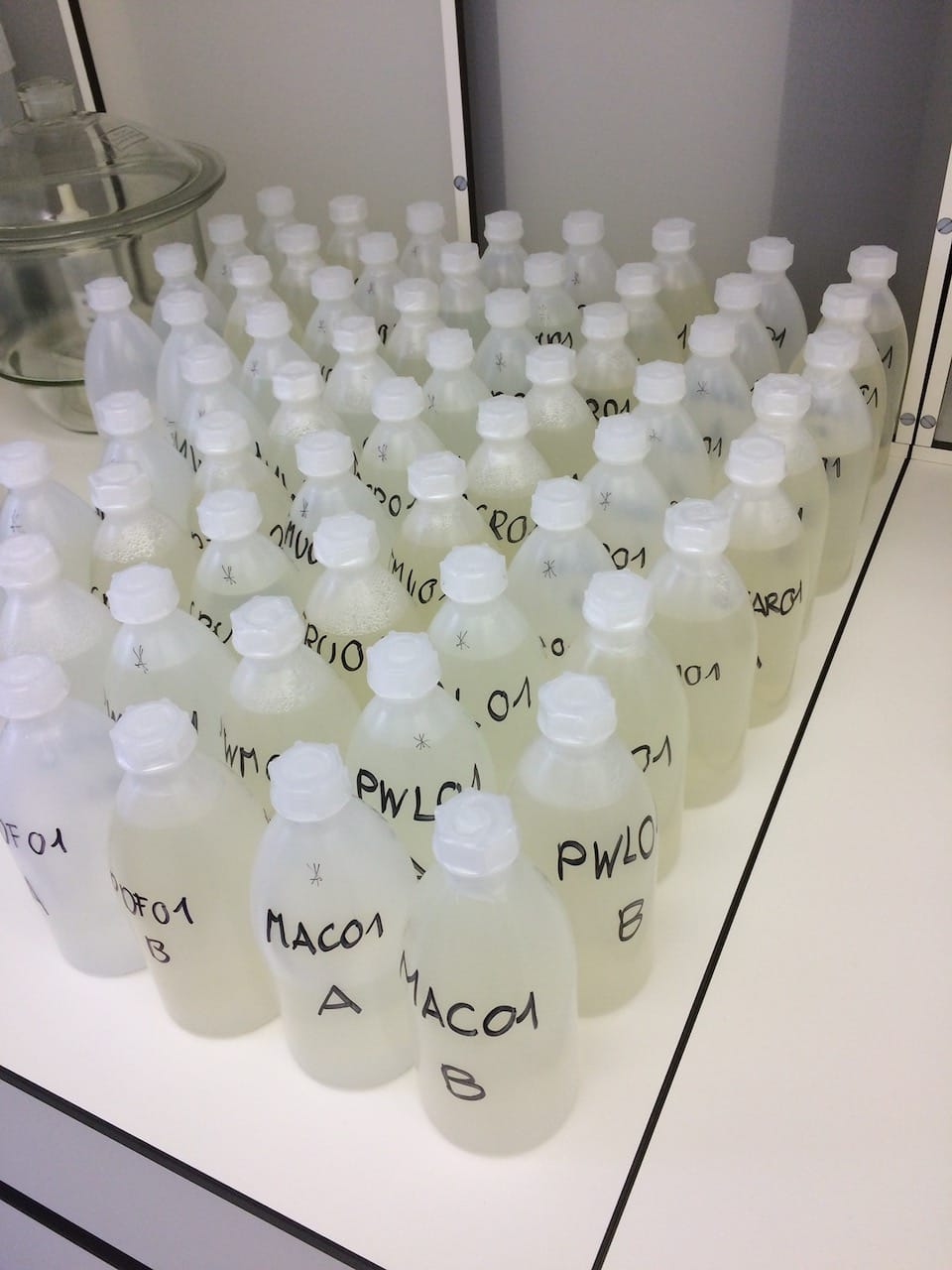
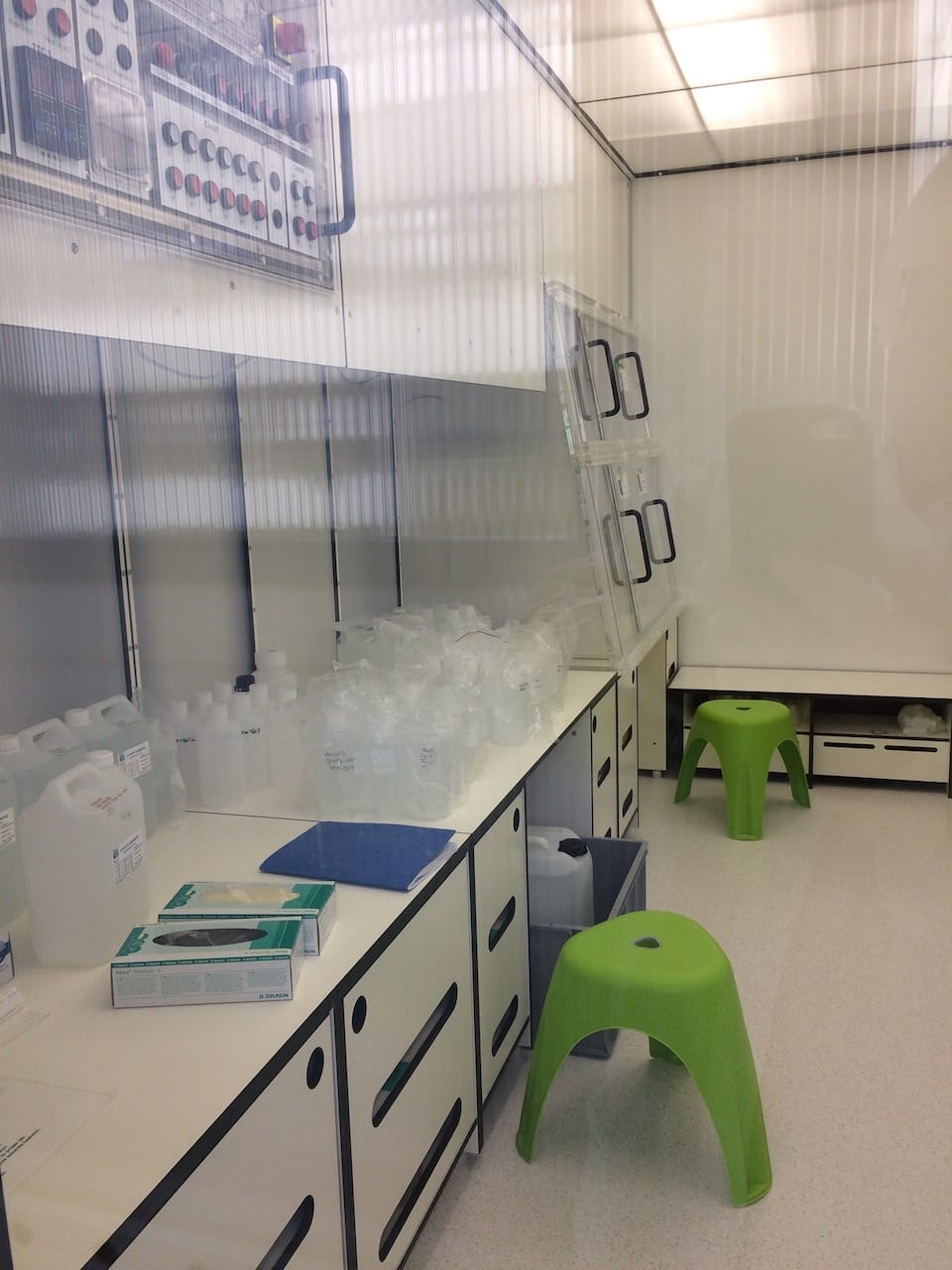
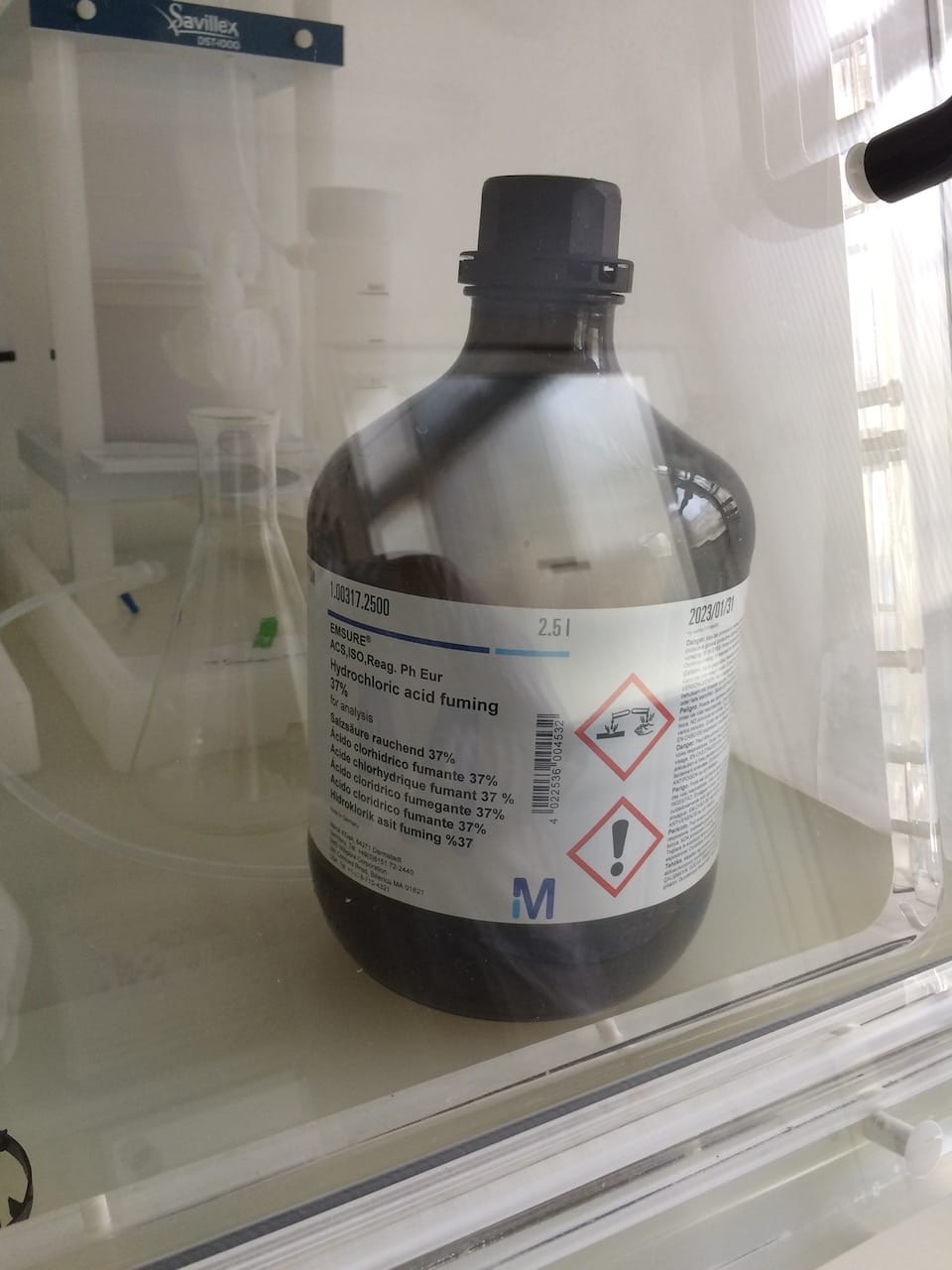
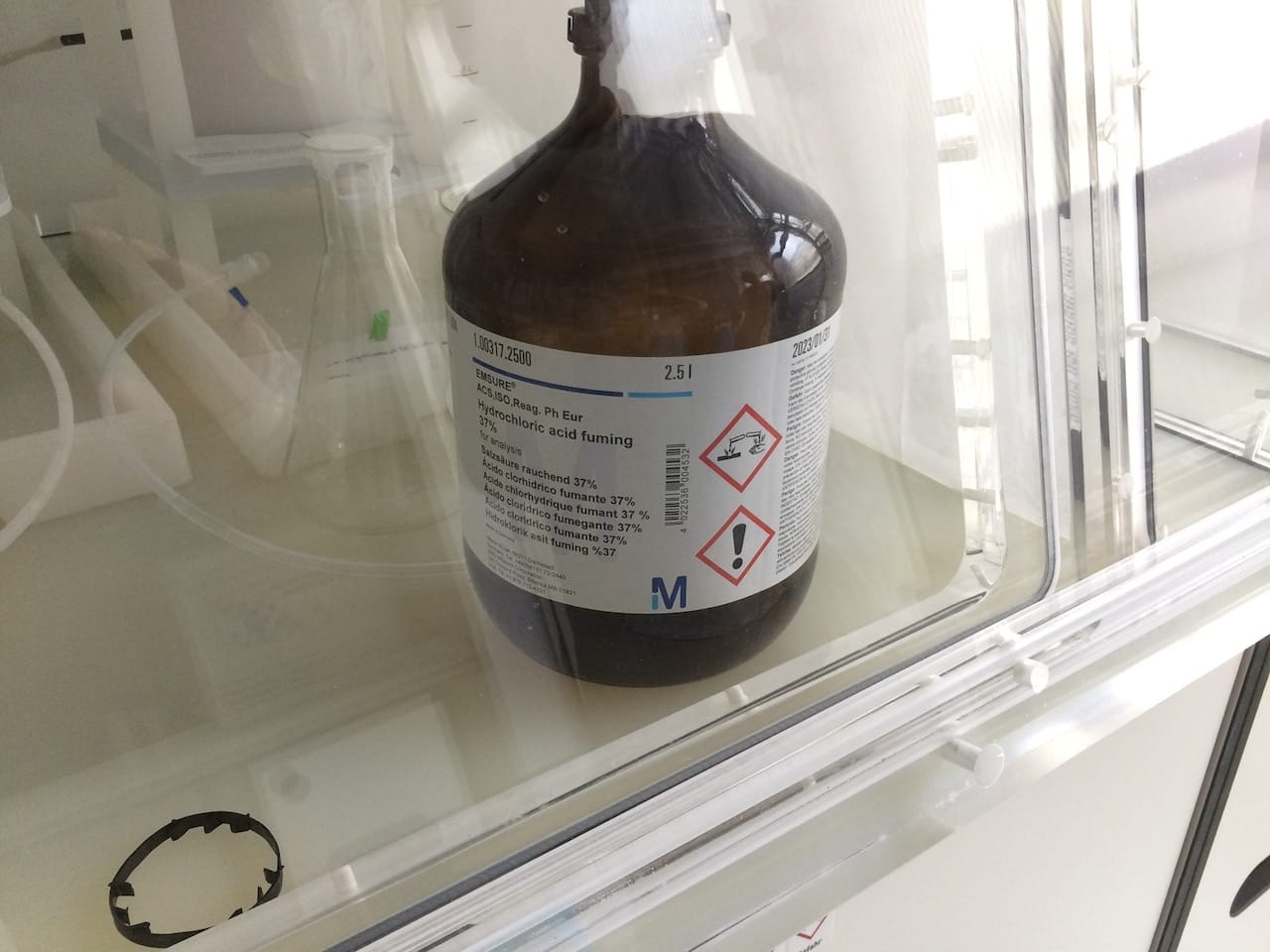
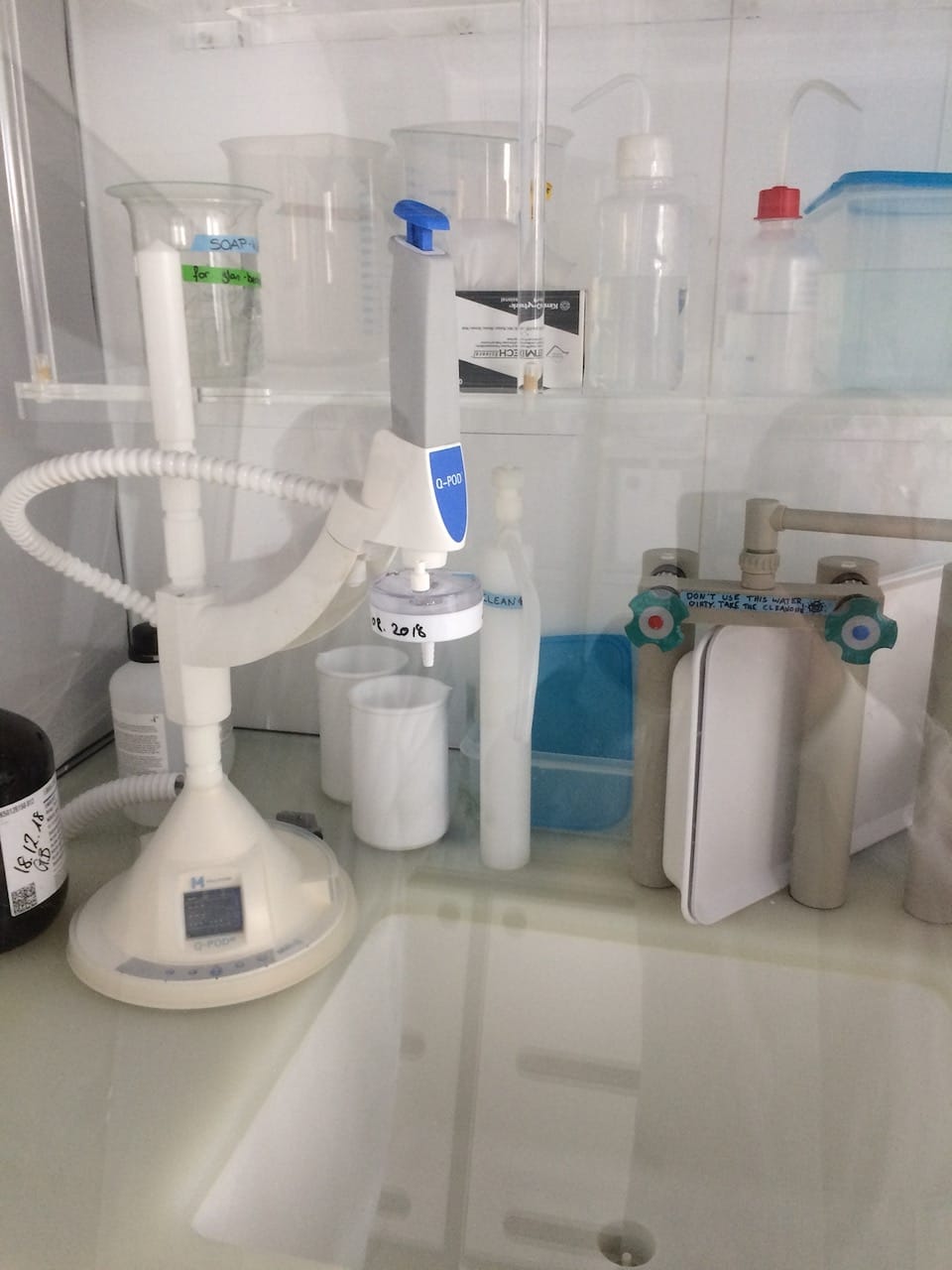
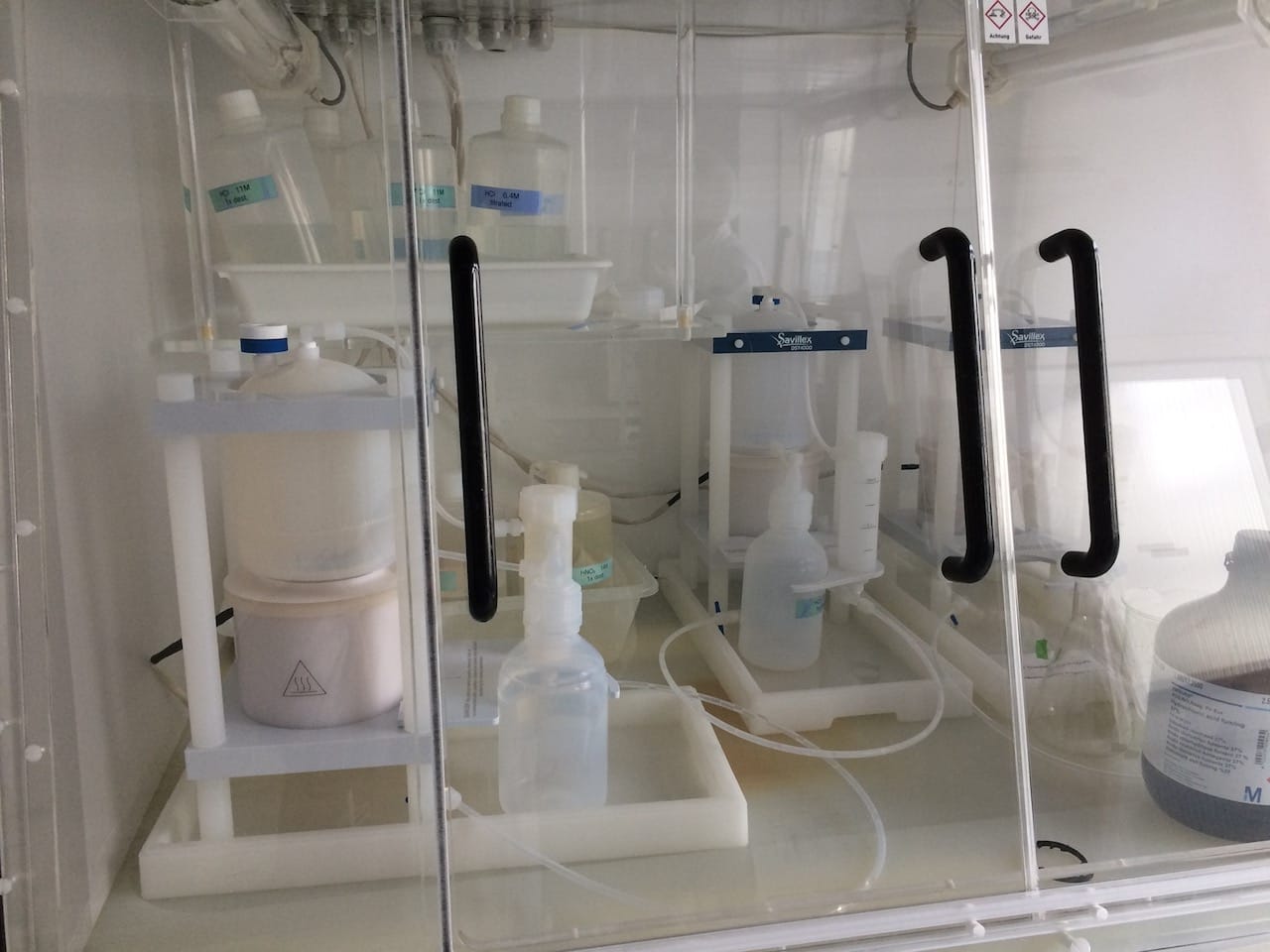
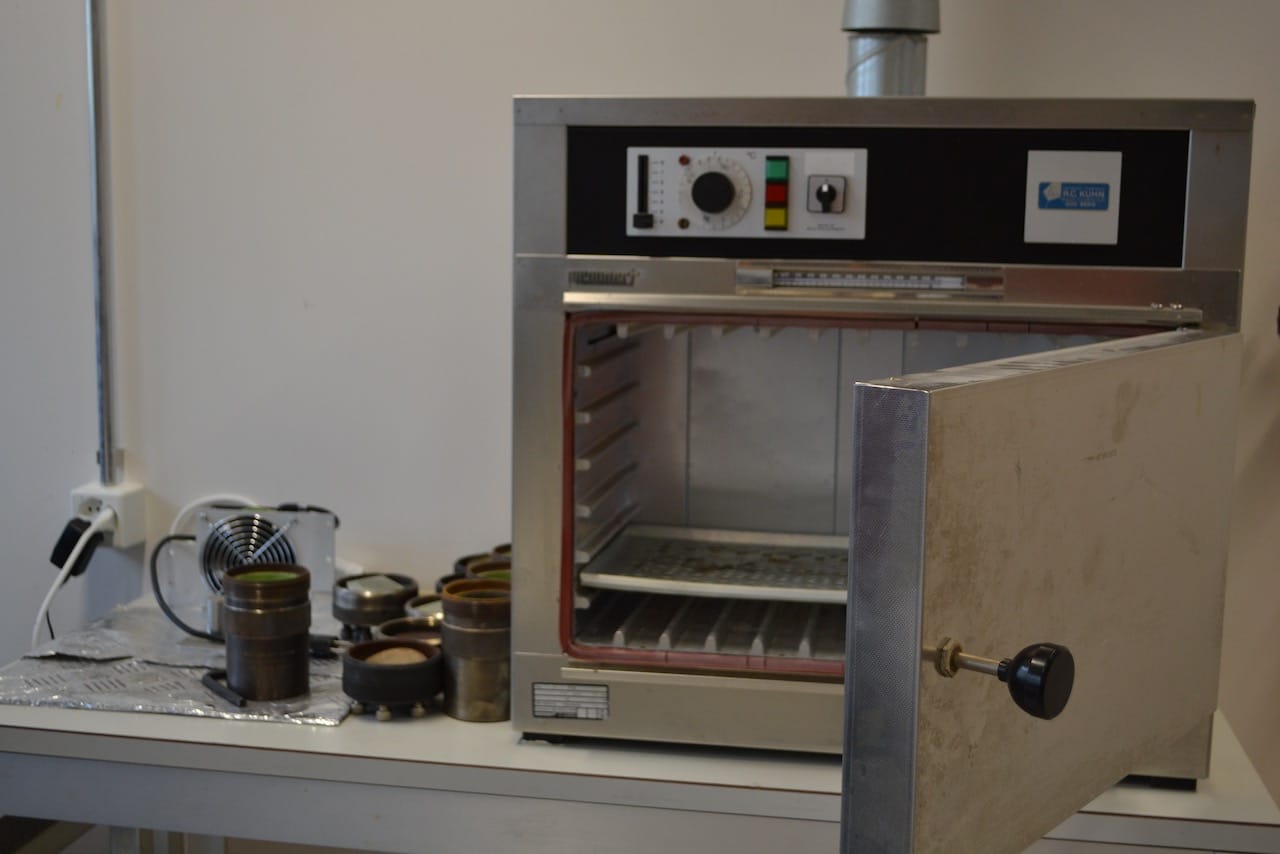
This metal free clean lab is used todissolve samples and purify elements out of geological materials via wet chemical extractions. Different acids used to dissolve samples are distilled in sub-boilingTeflon distills for purification down to <ppt levels.Ultraclean water is produced by a sequence of two purification steps and supplied into the cleans room. Acid cleaned Teflon (PTFE) vials are used to decompose sample powders with different acids at different temperatures. Ion-exchange resins are used to purify the element of interest from sample matrix. Depending ontheelement of interest and mass-spectrometer (TIMS or ICP-MS),ca. 500-5ng of element is used for an isotopic measurement. Also,depending on element and chemical precreation procedure blank levelare typically <1ng.
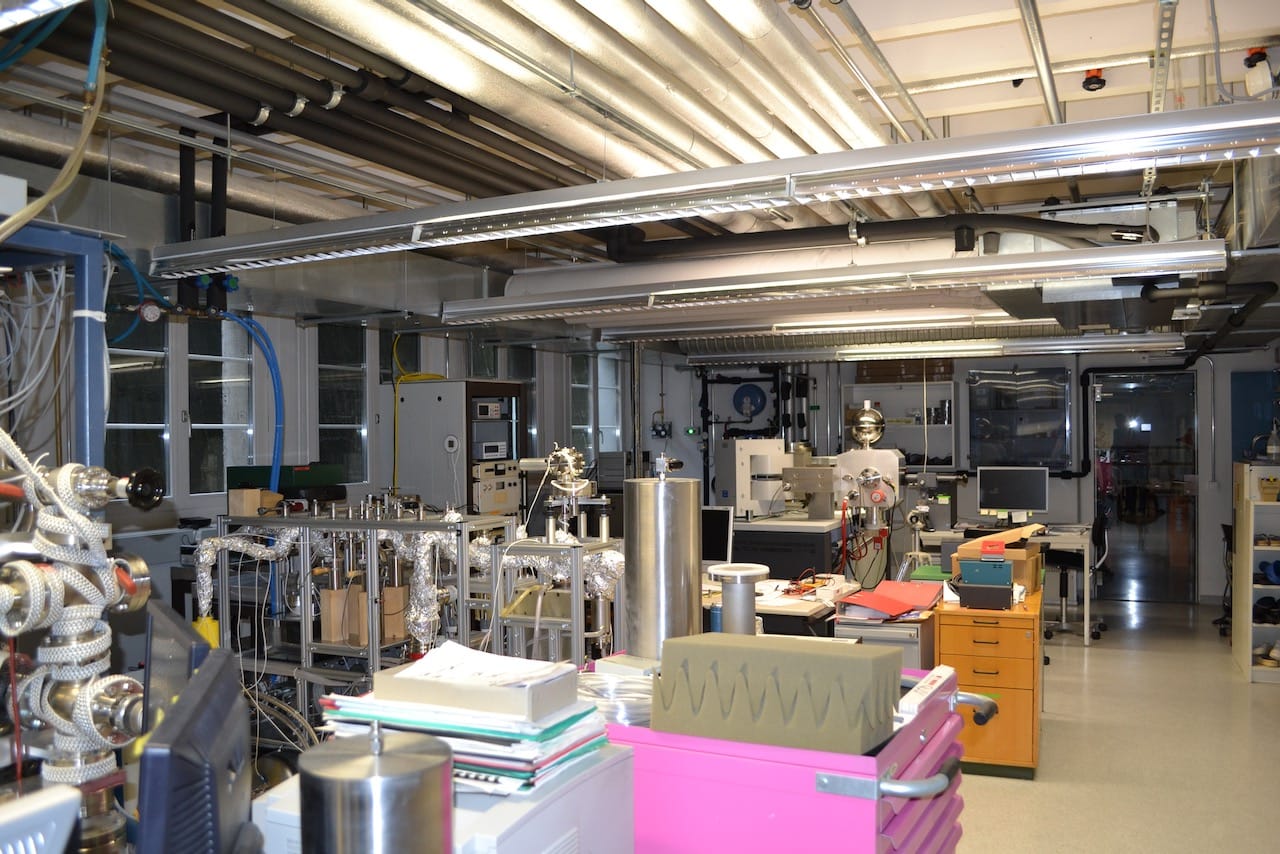
Pictures of the different labs