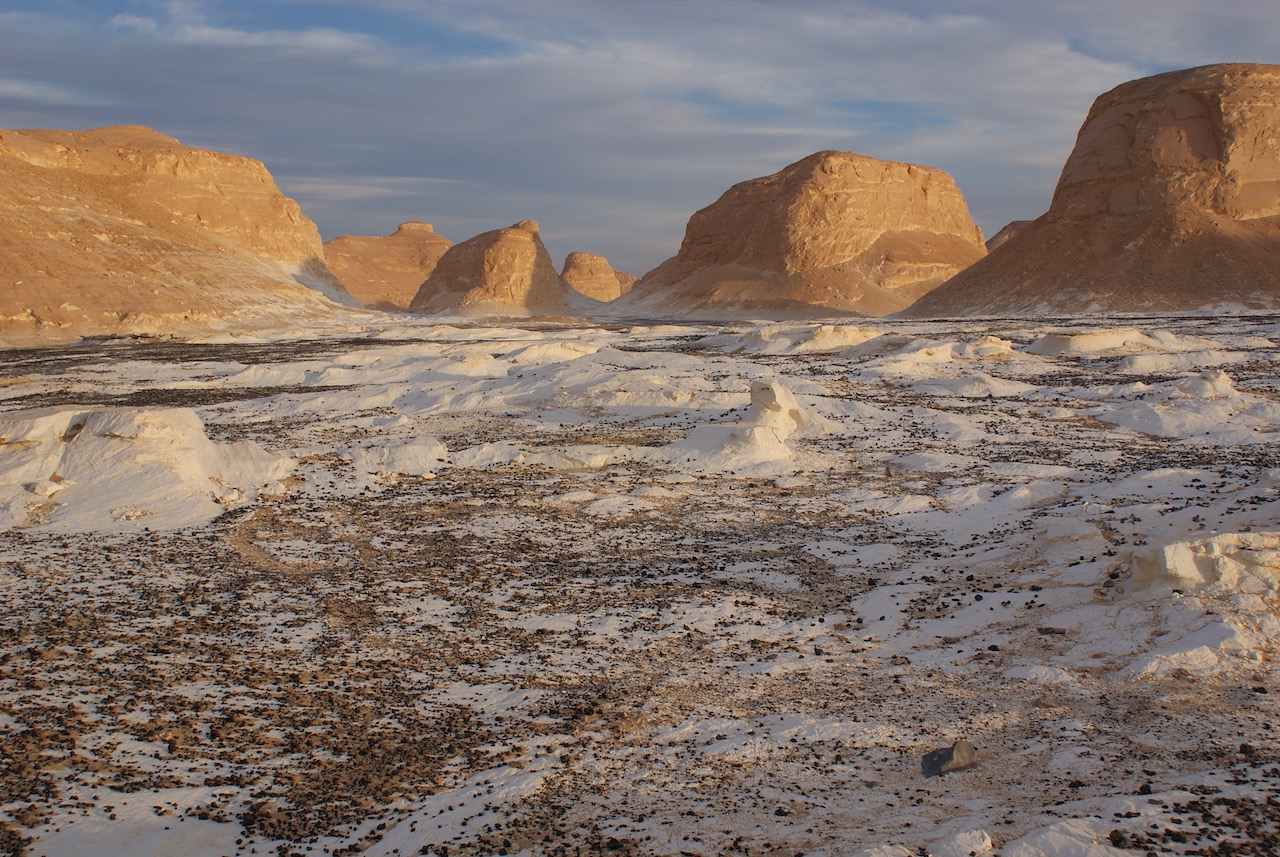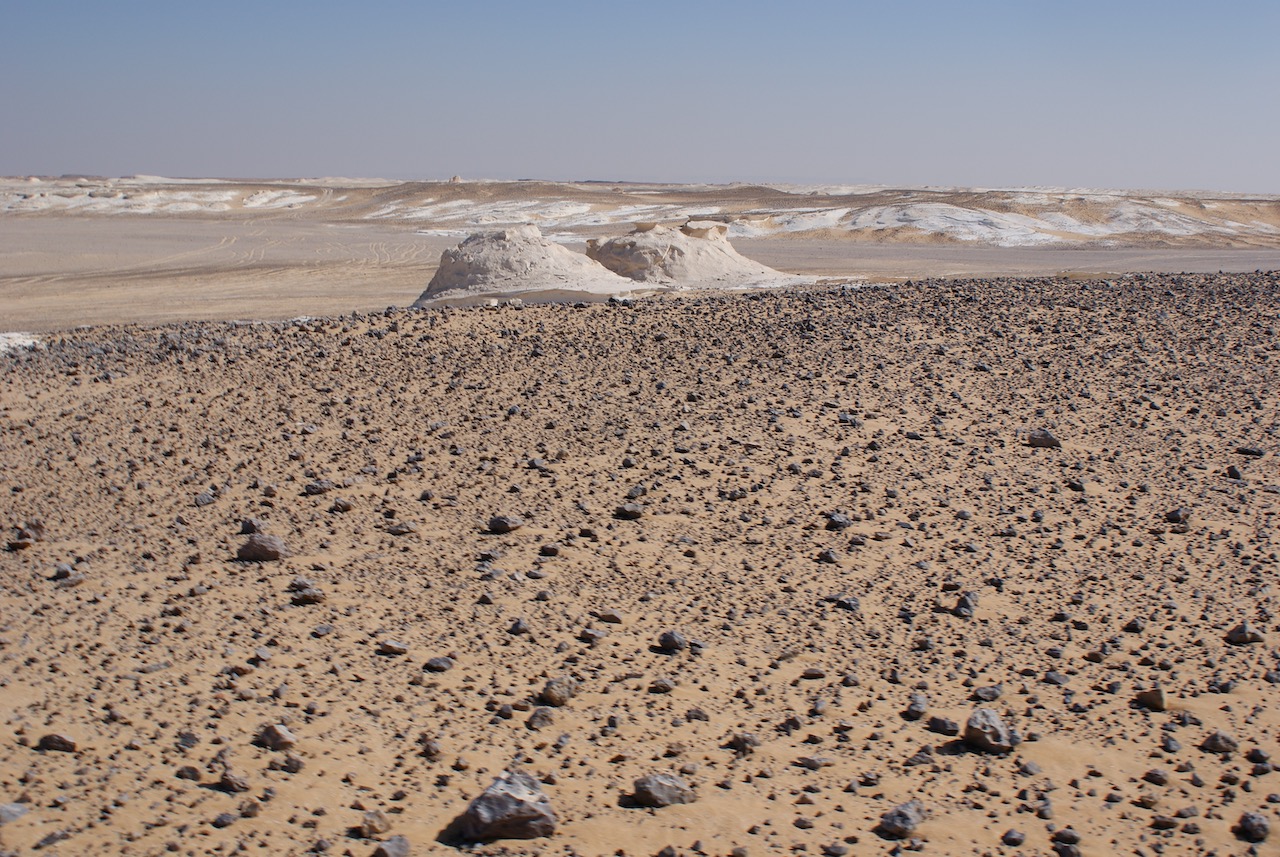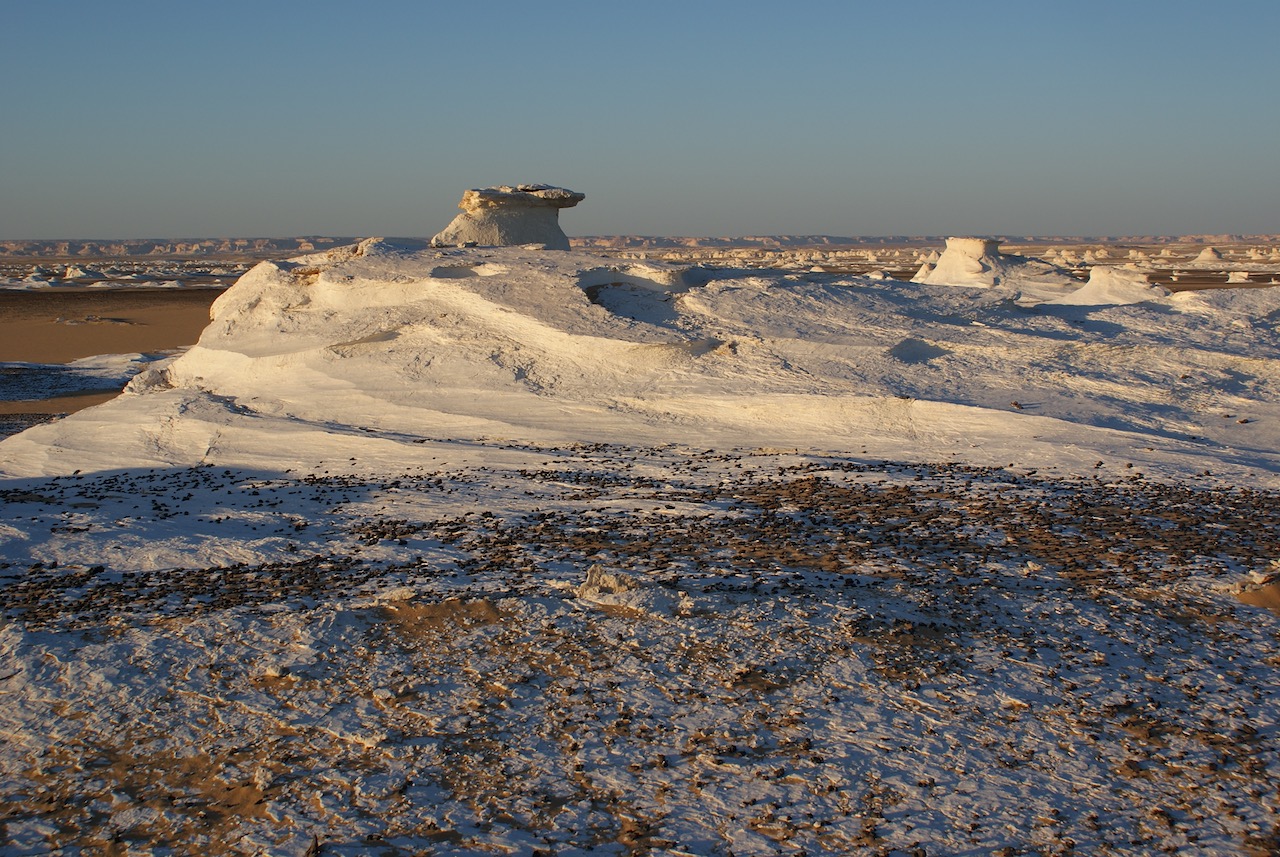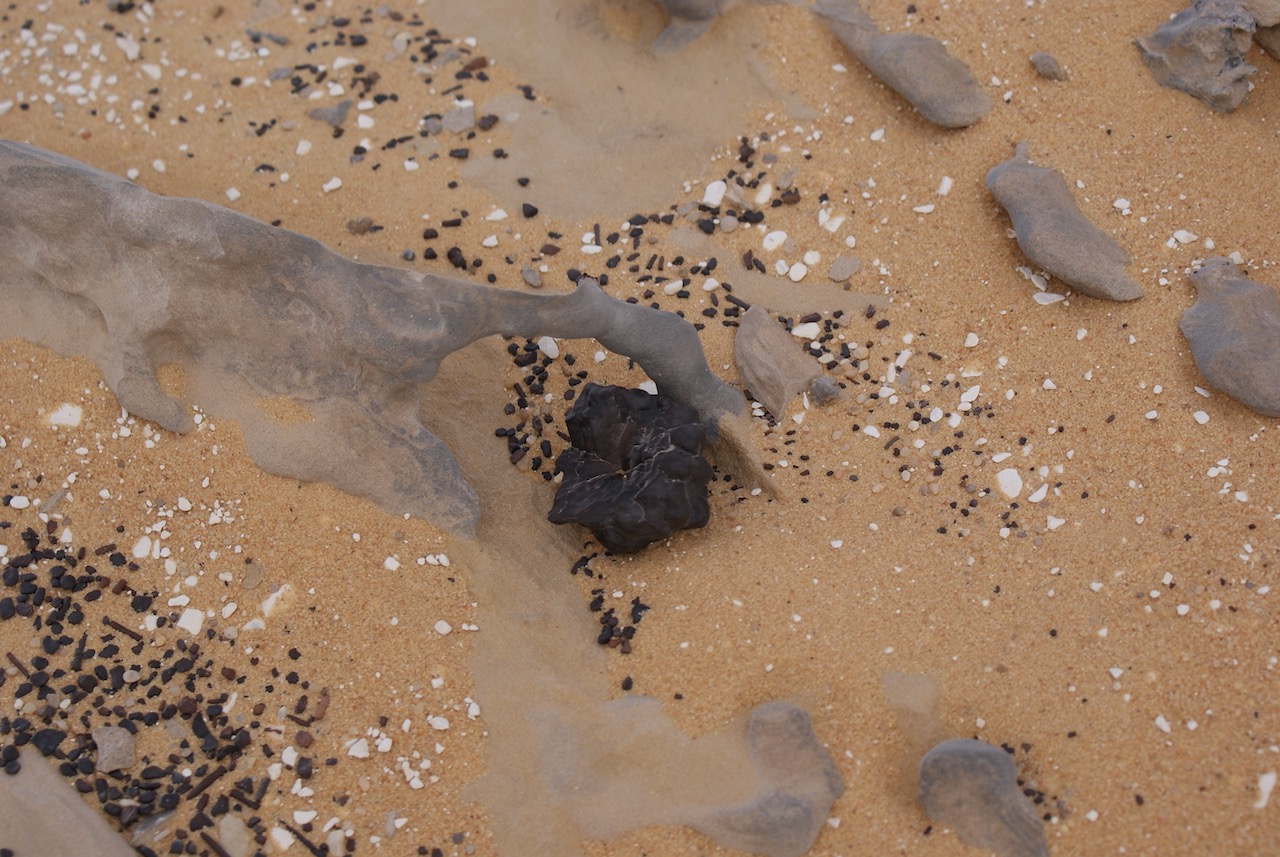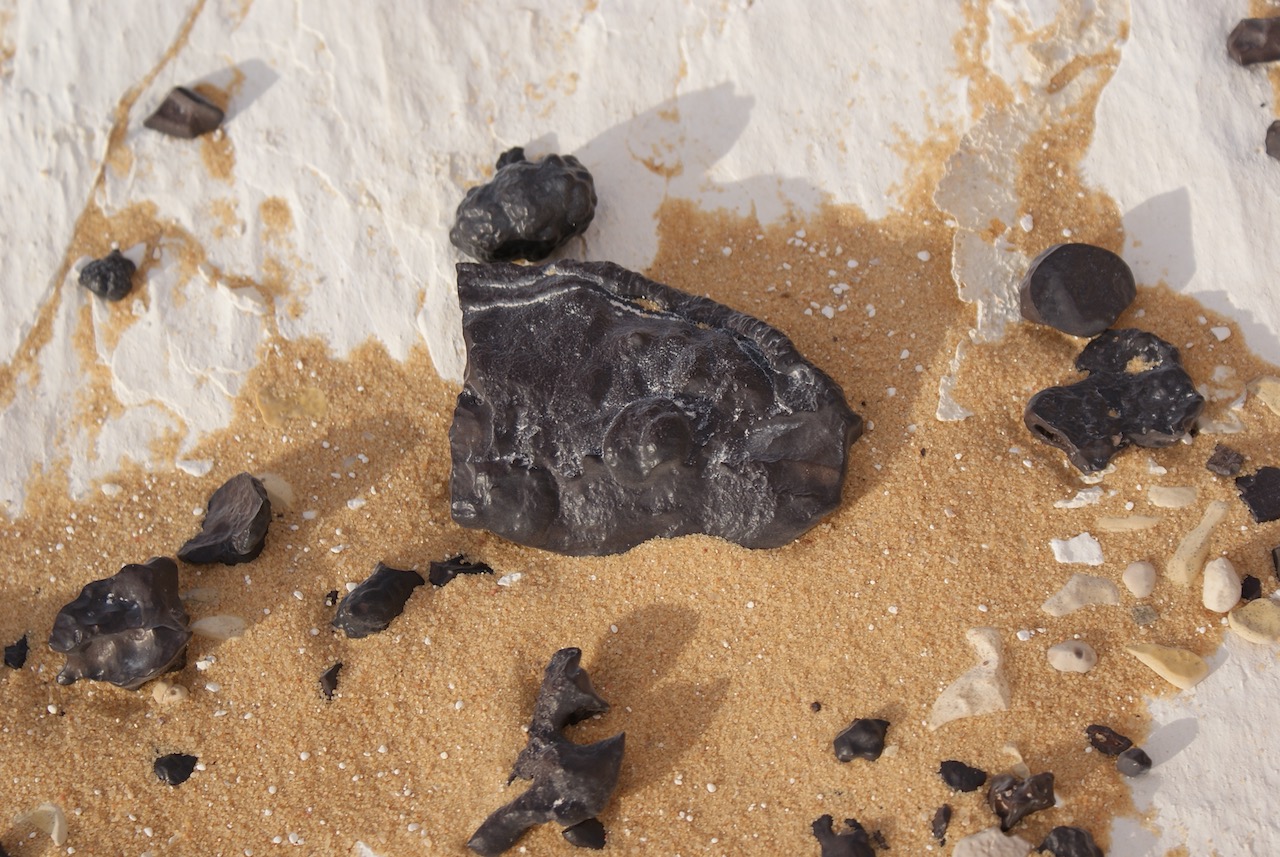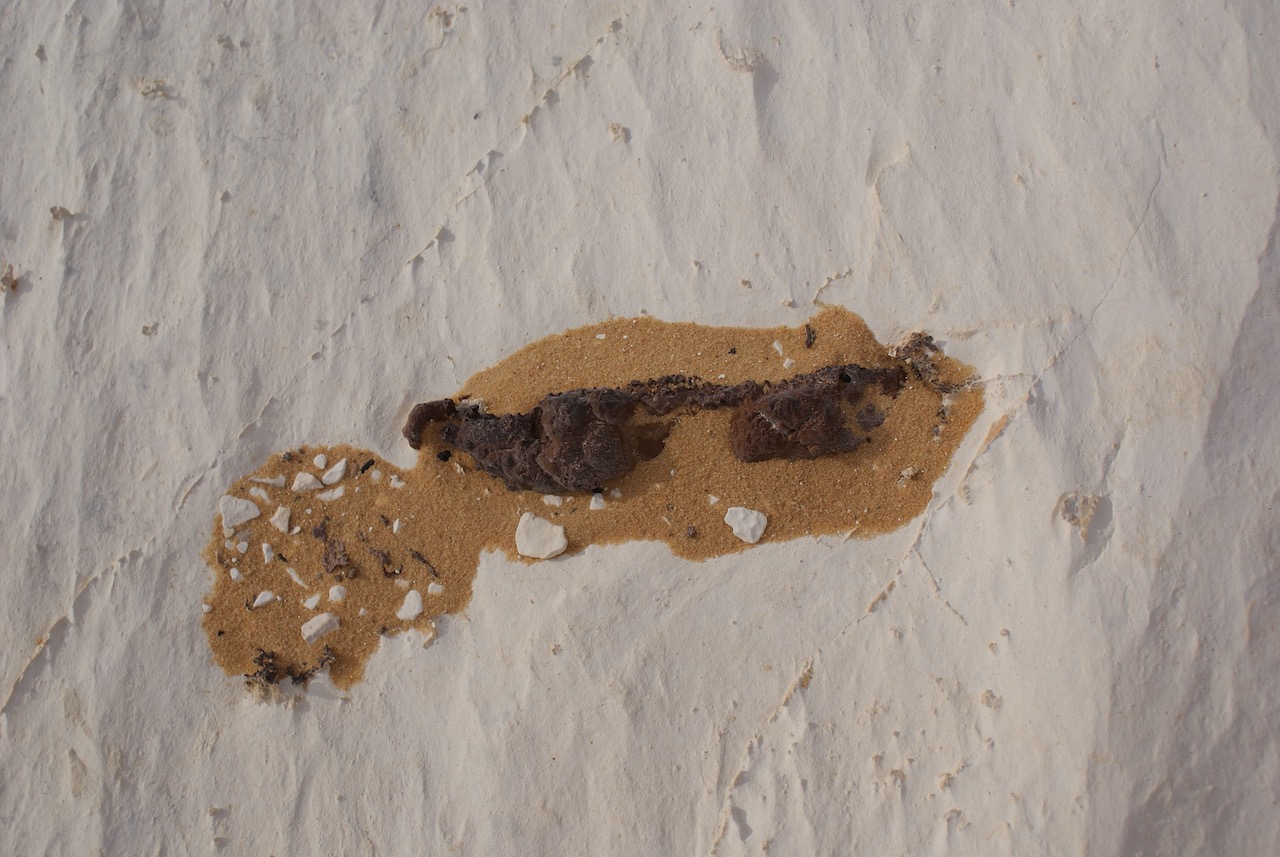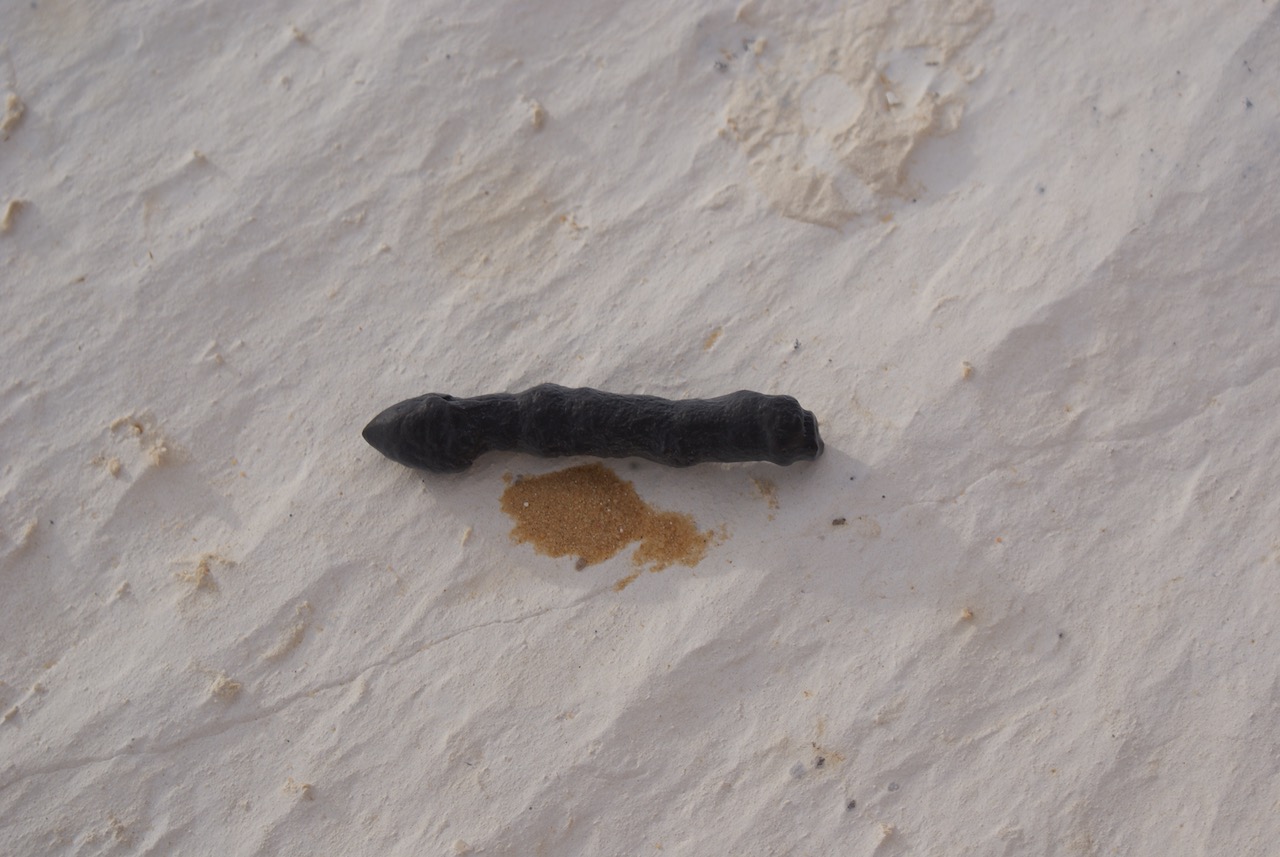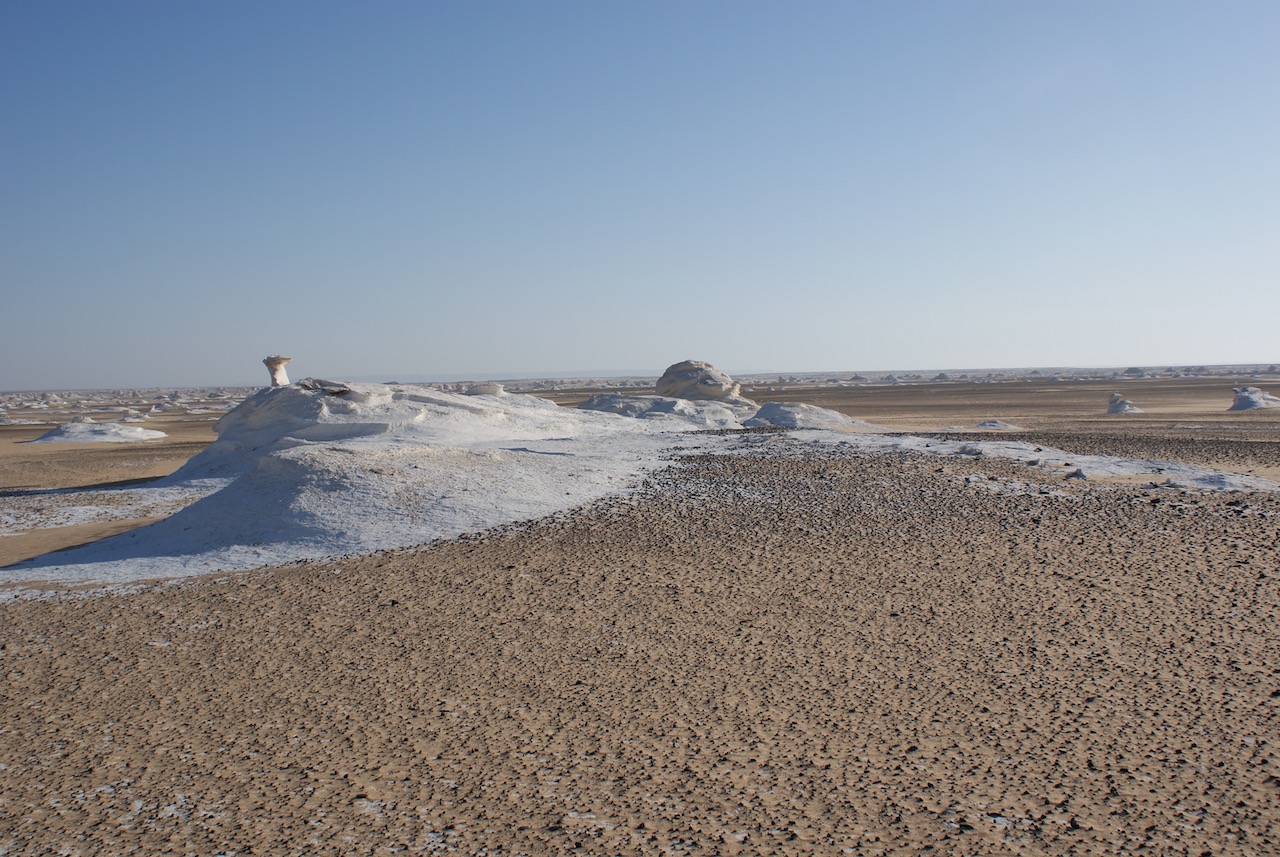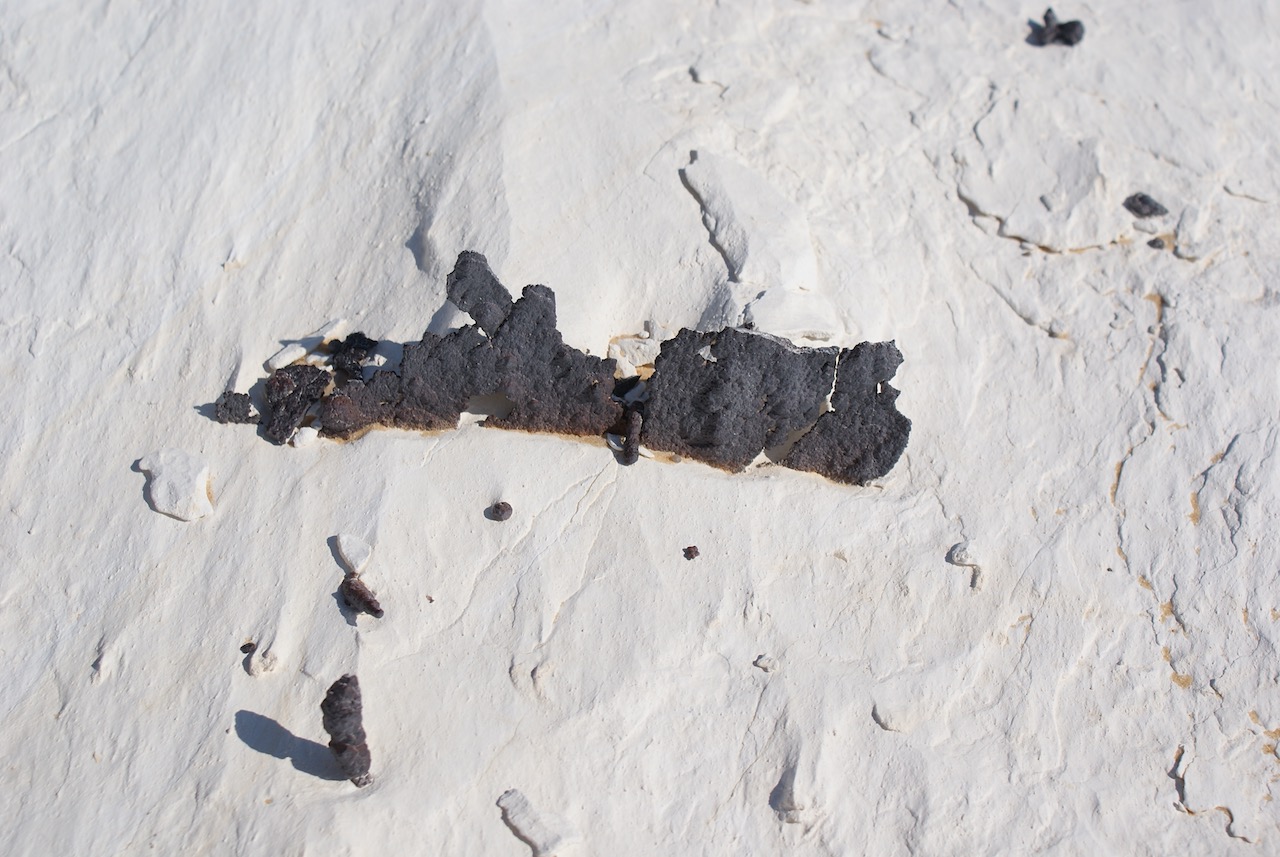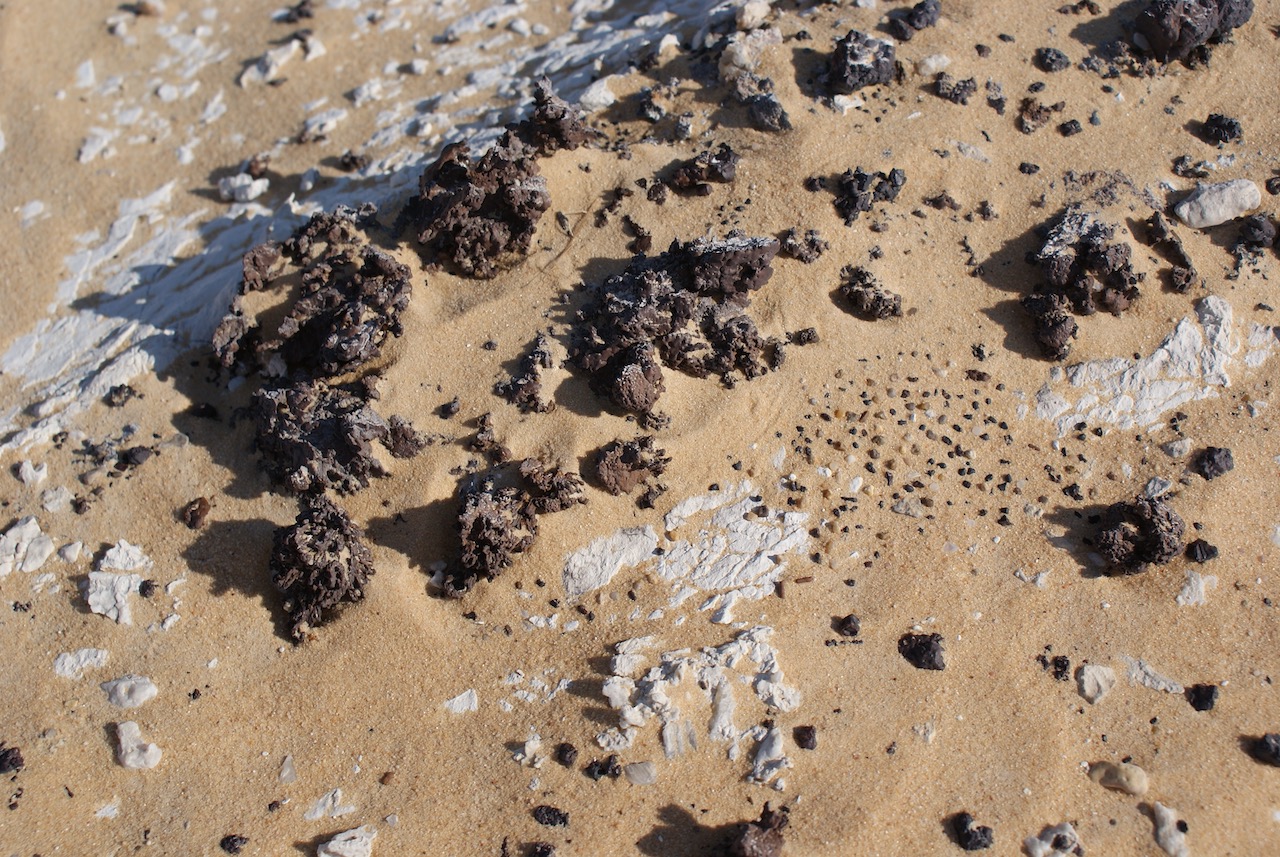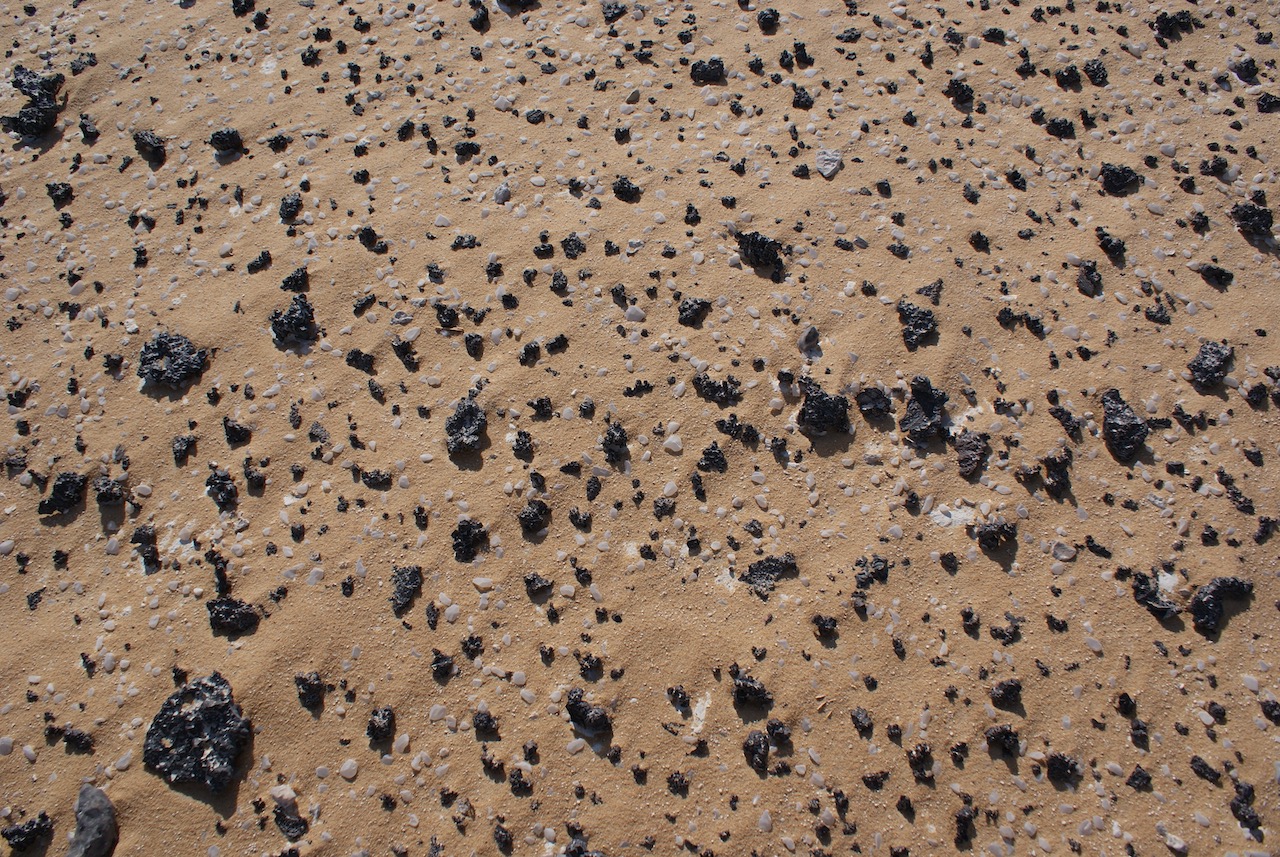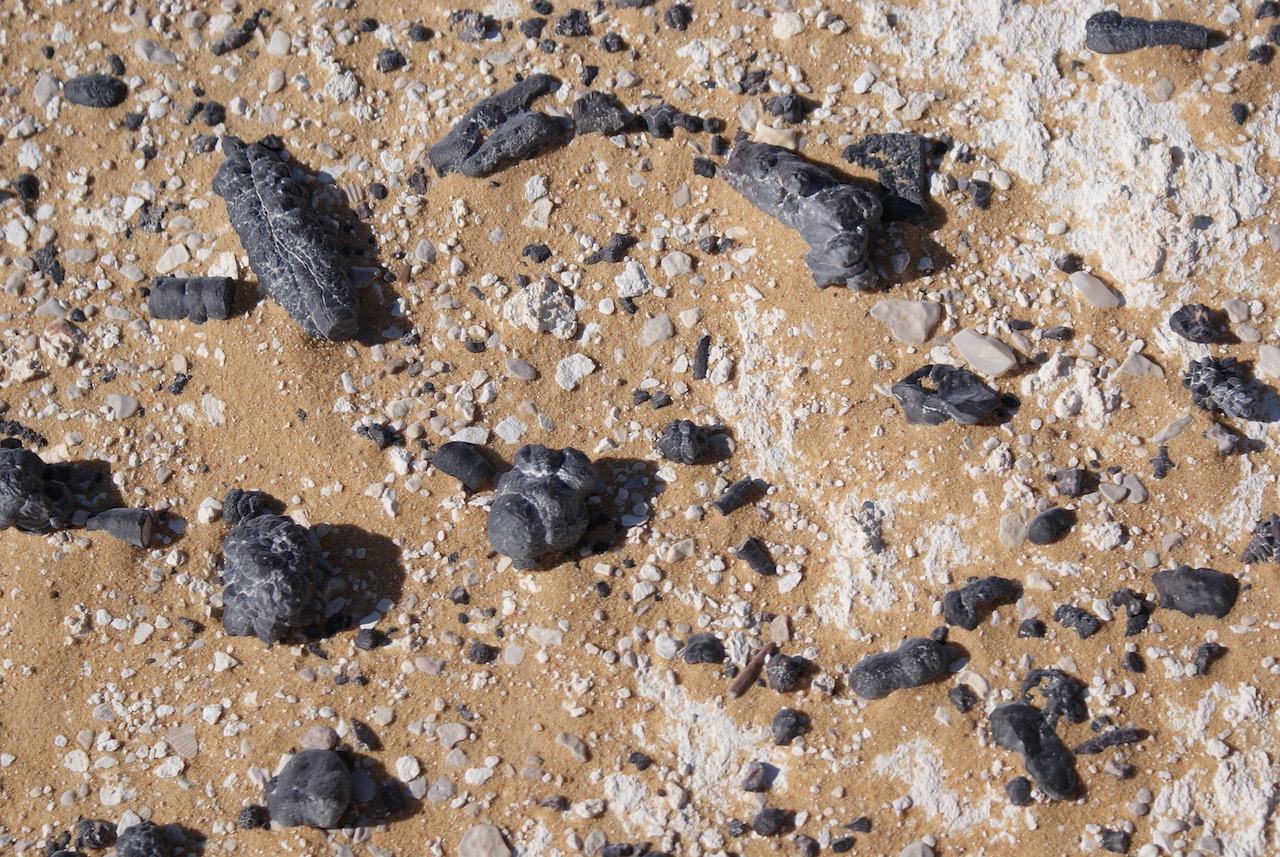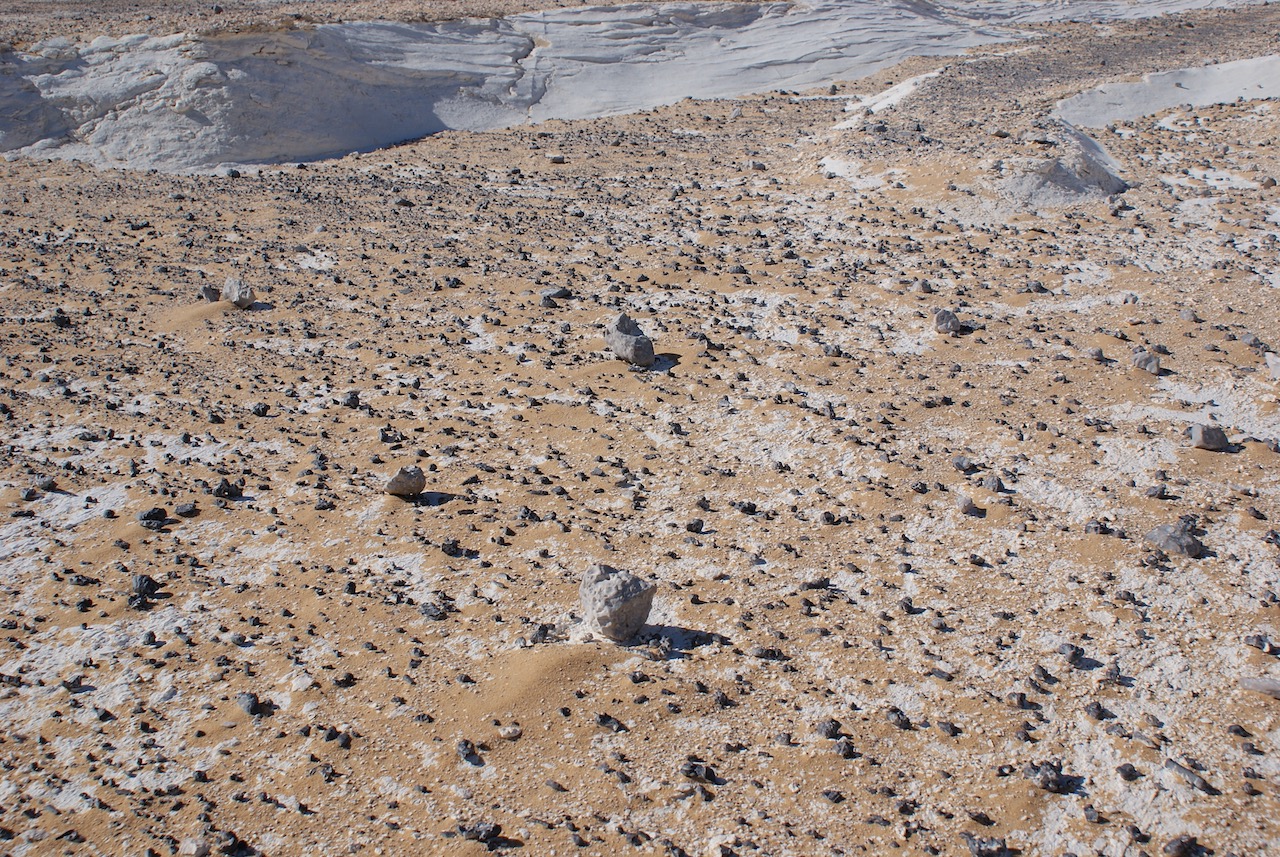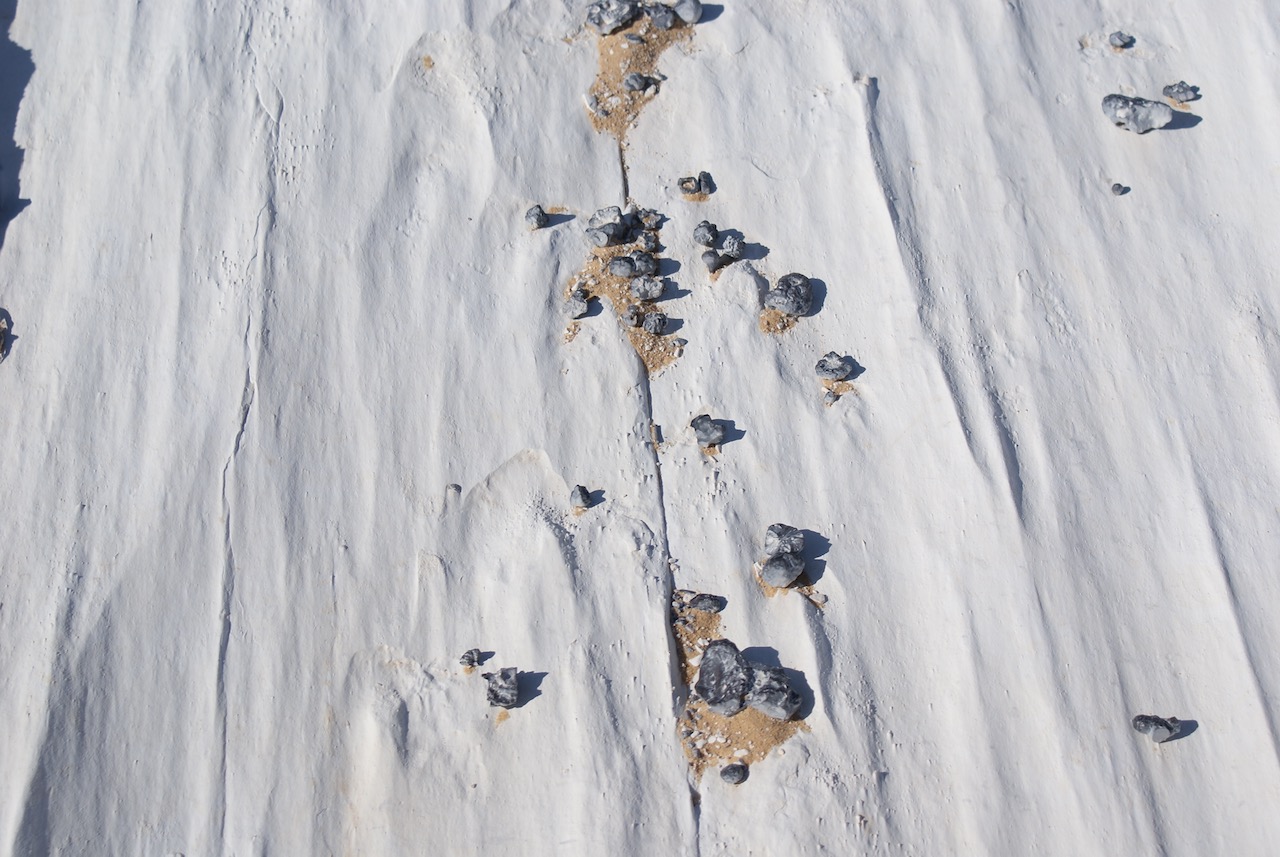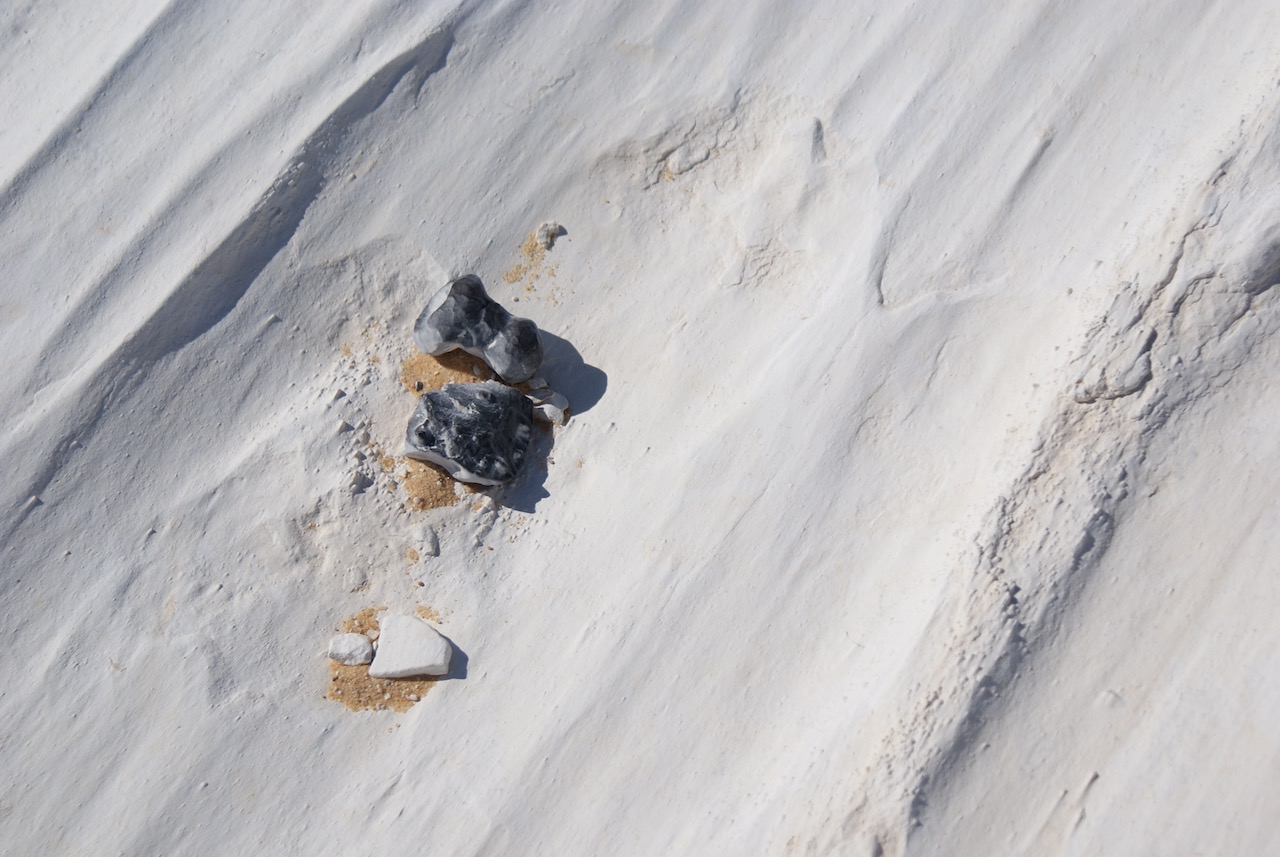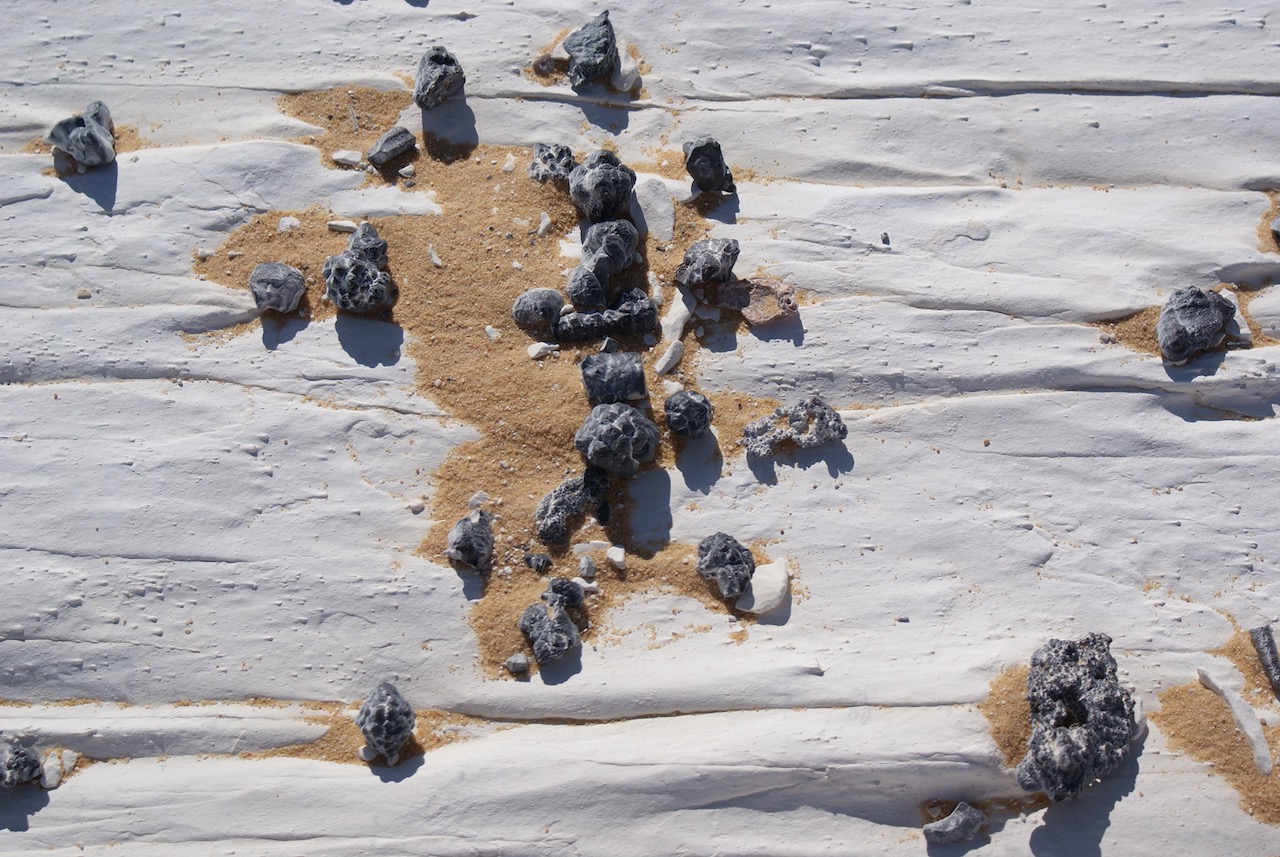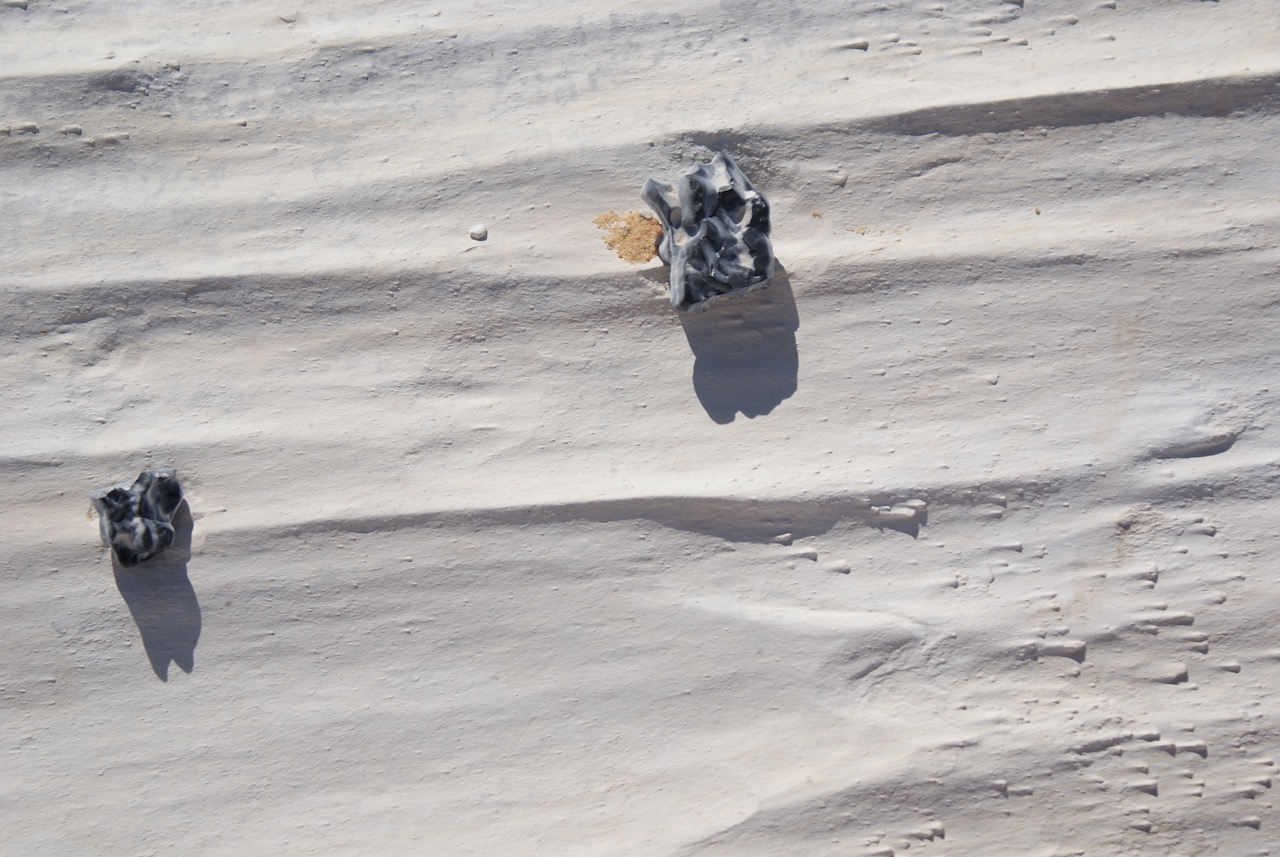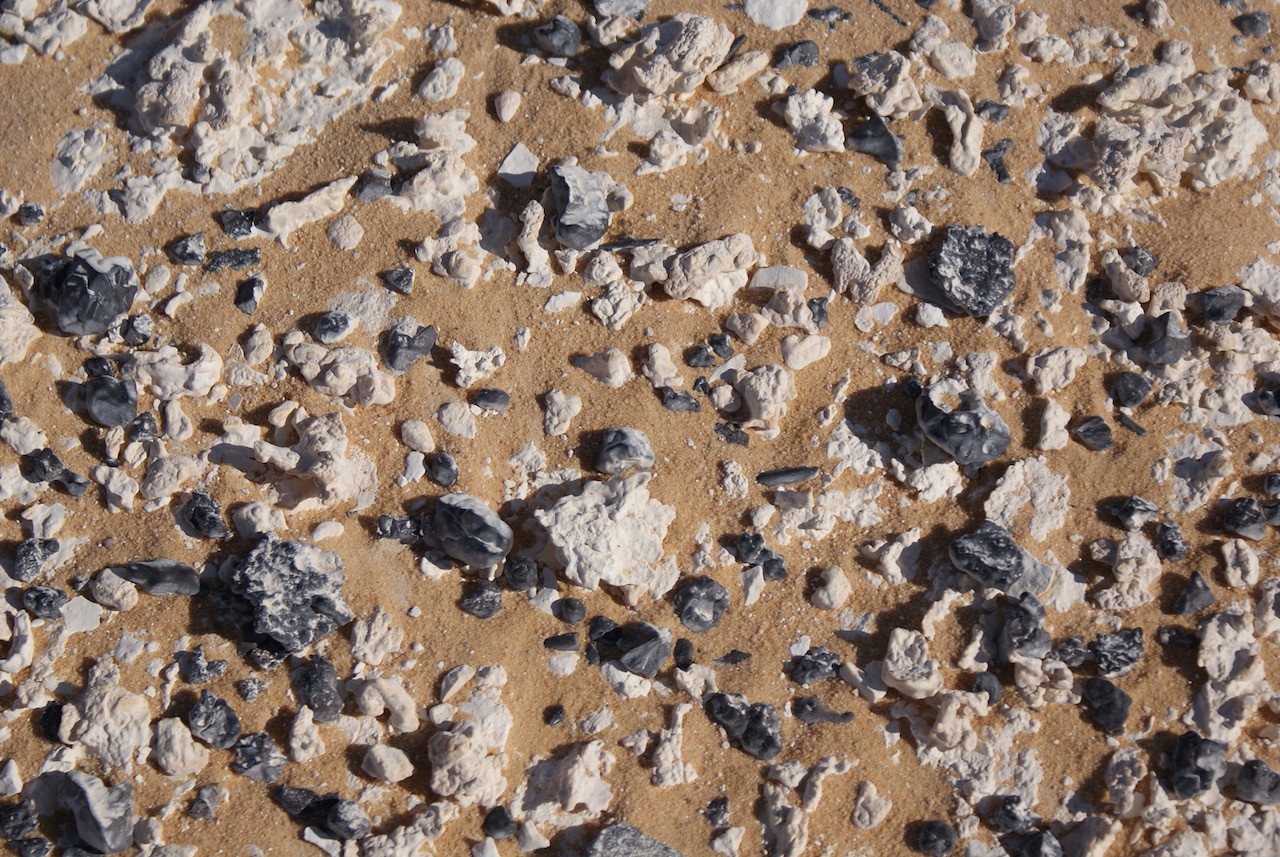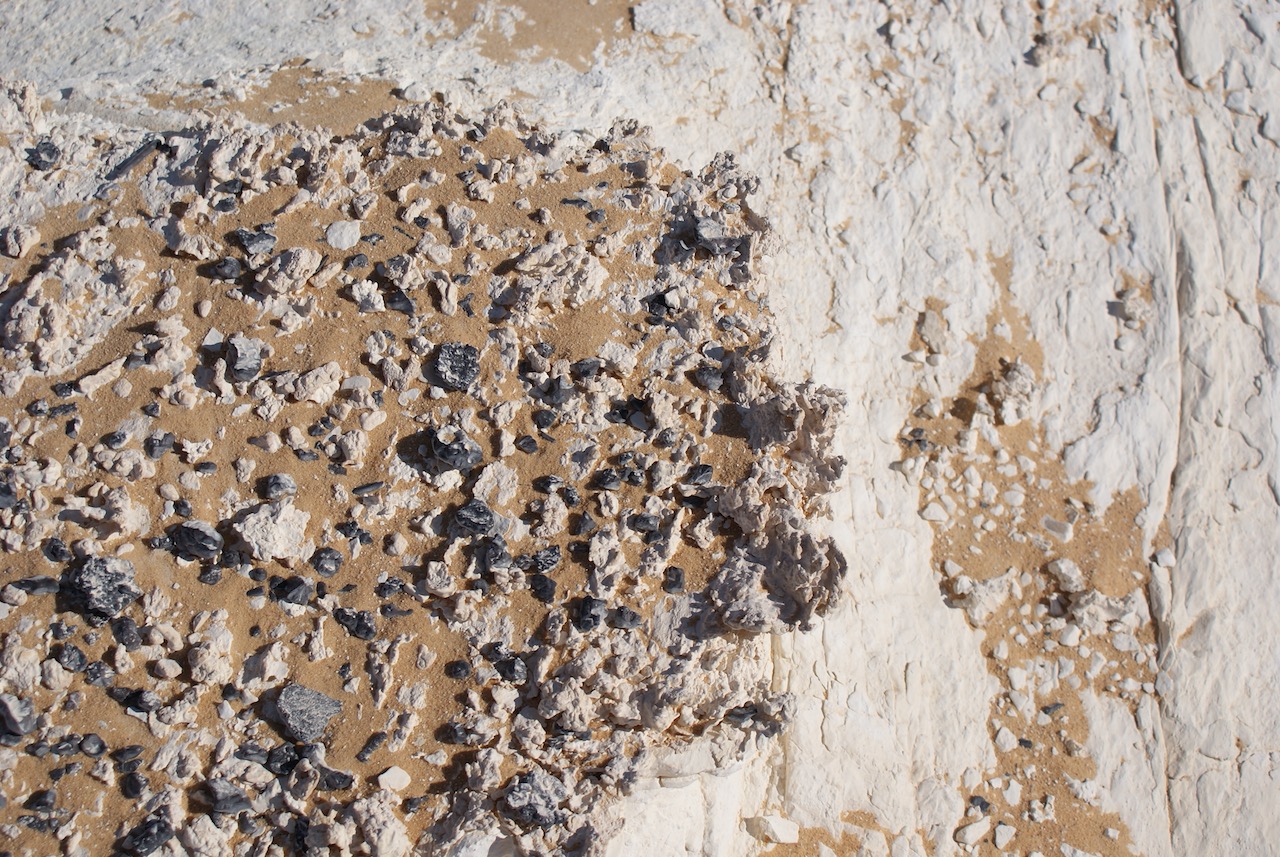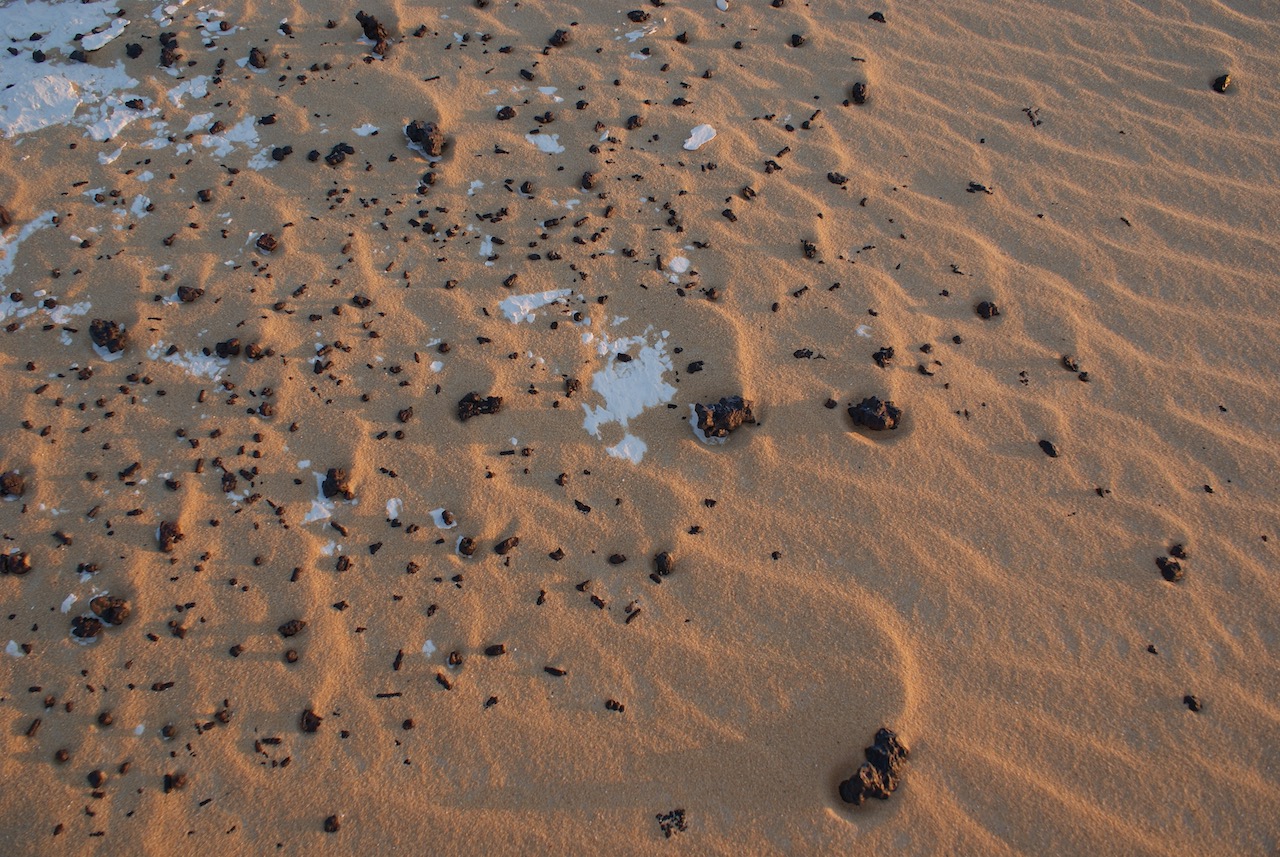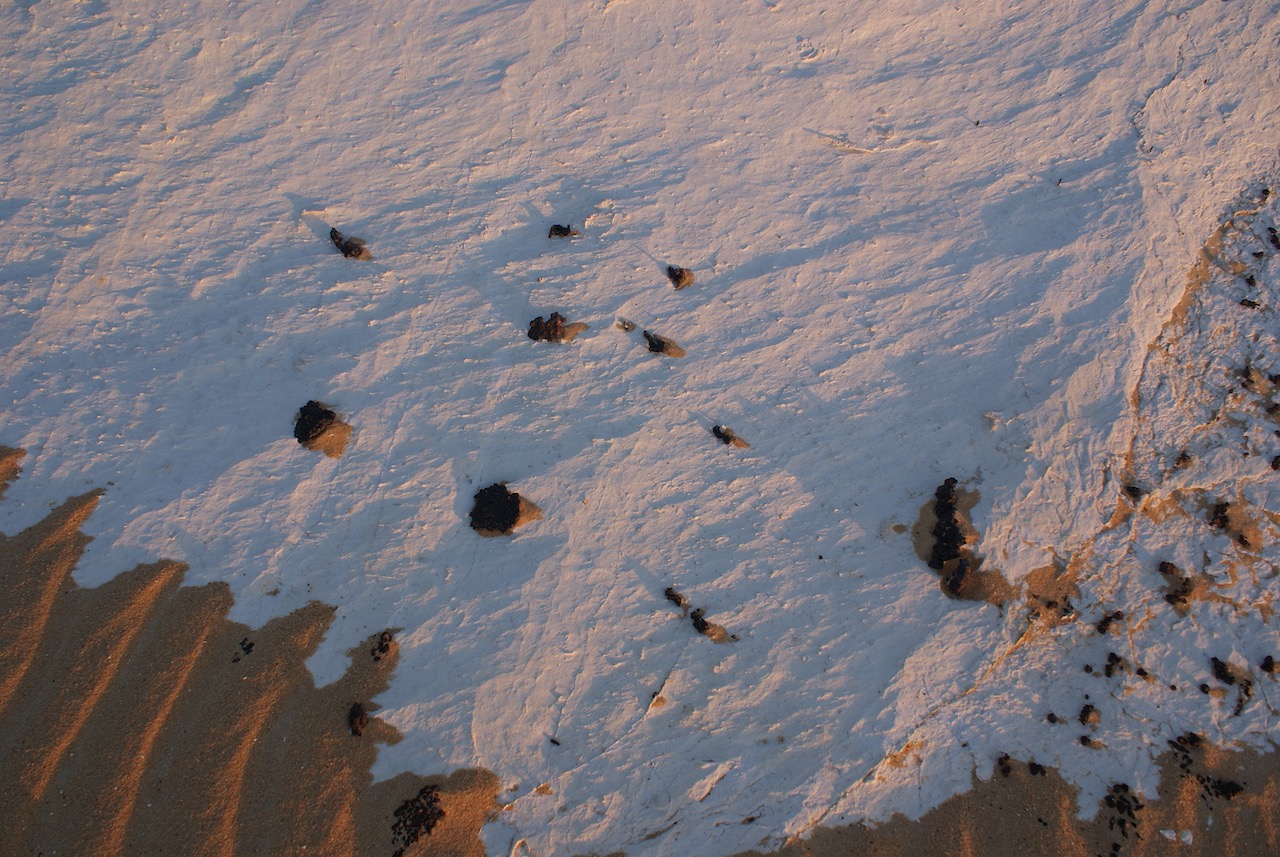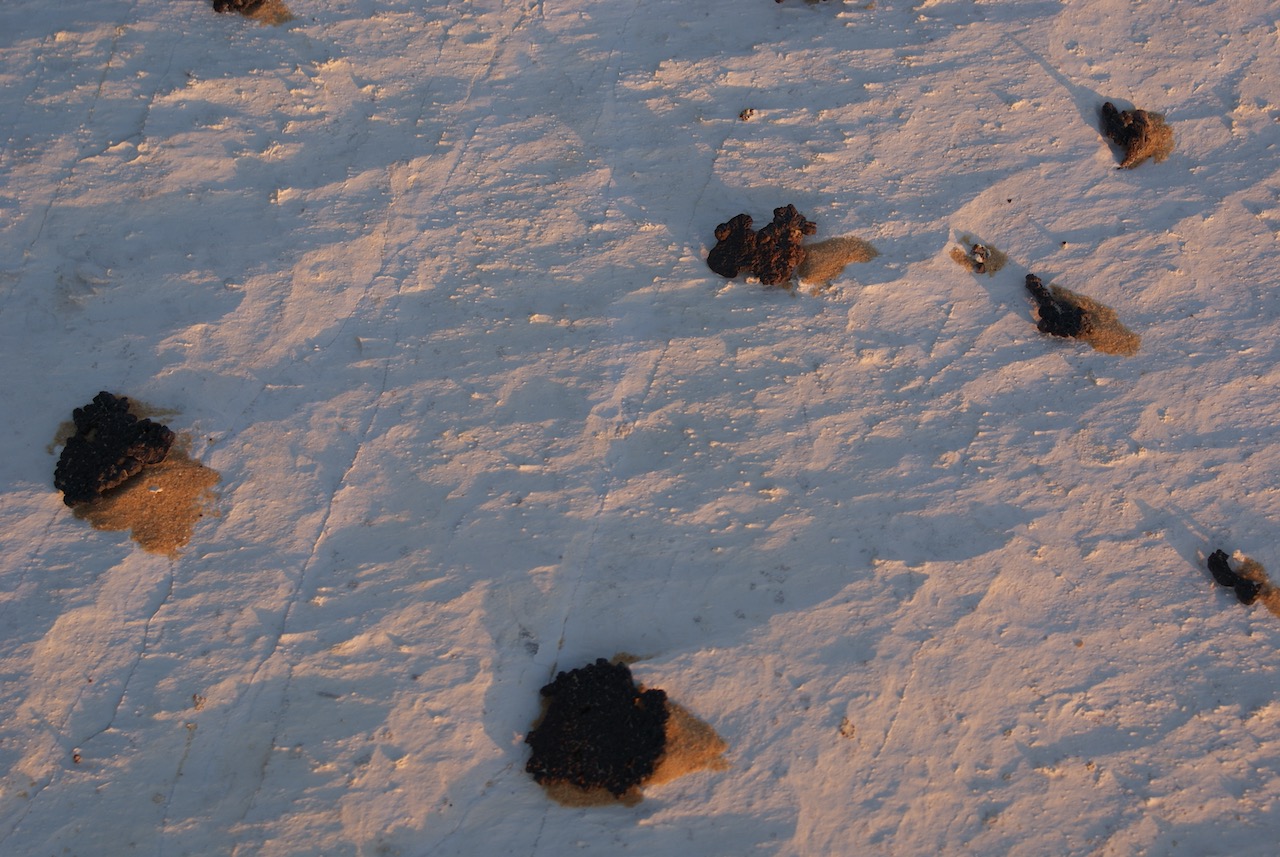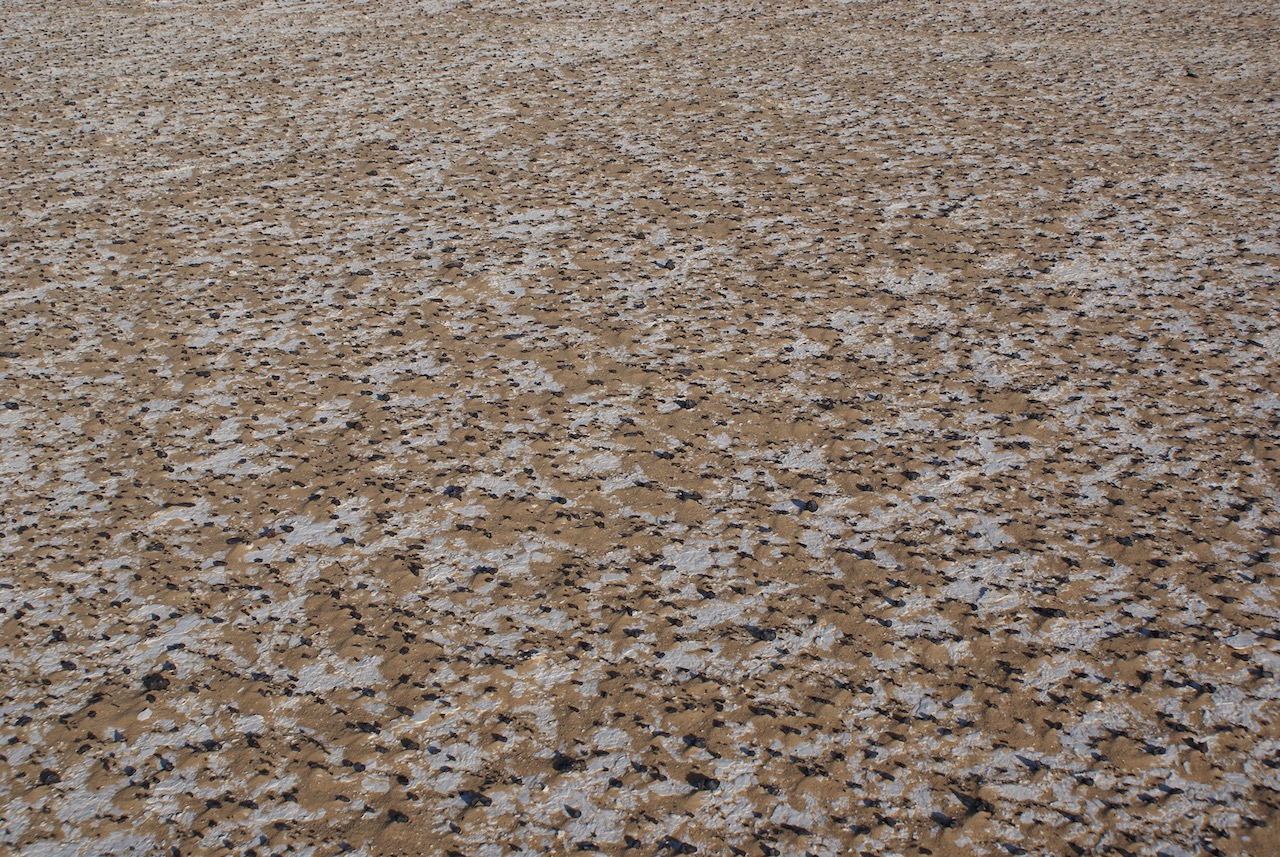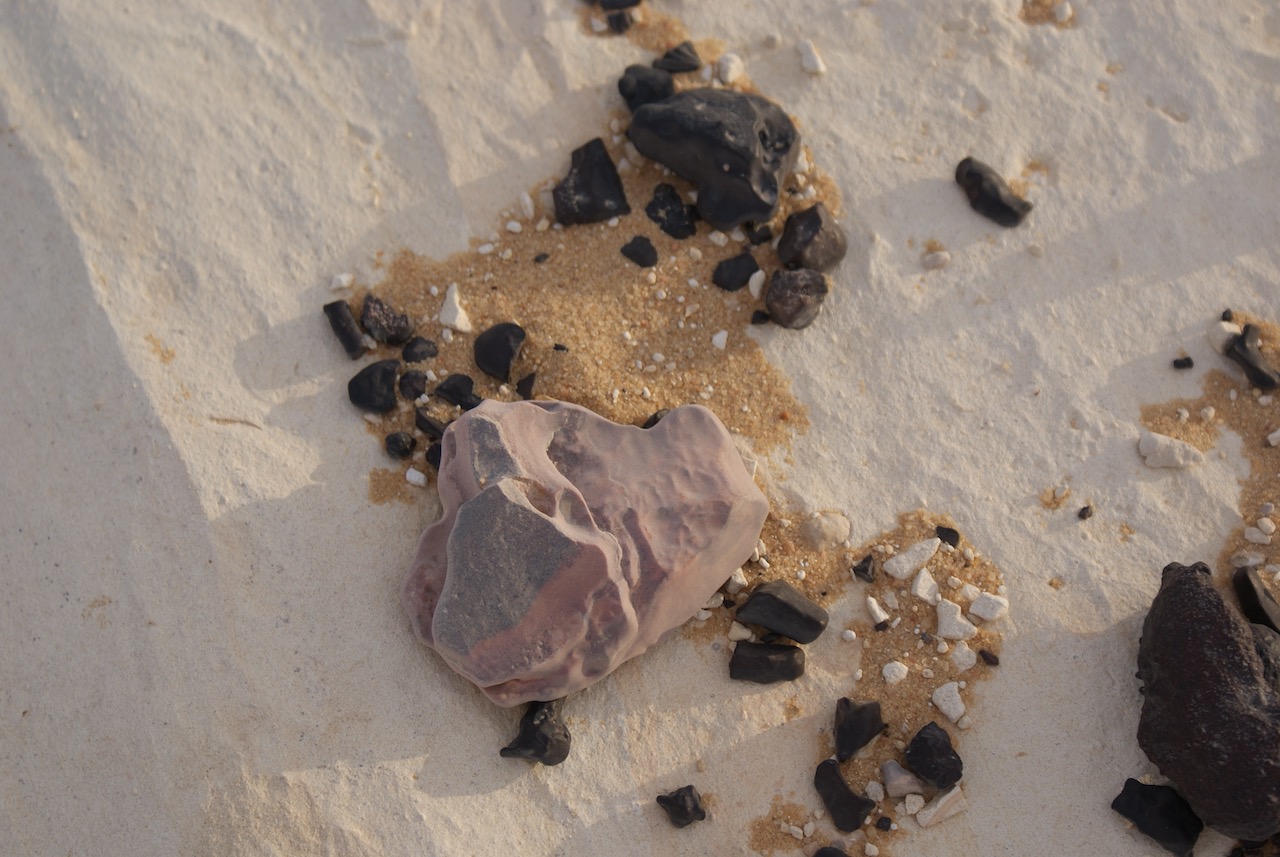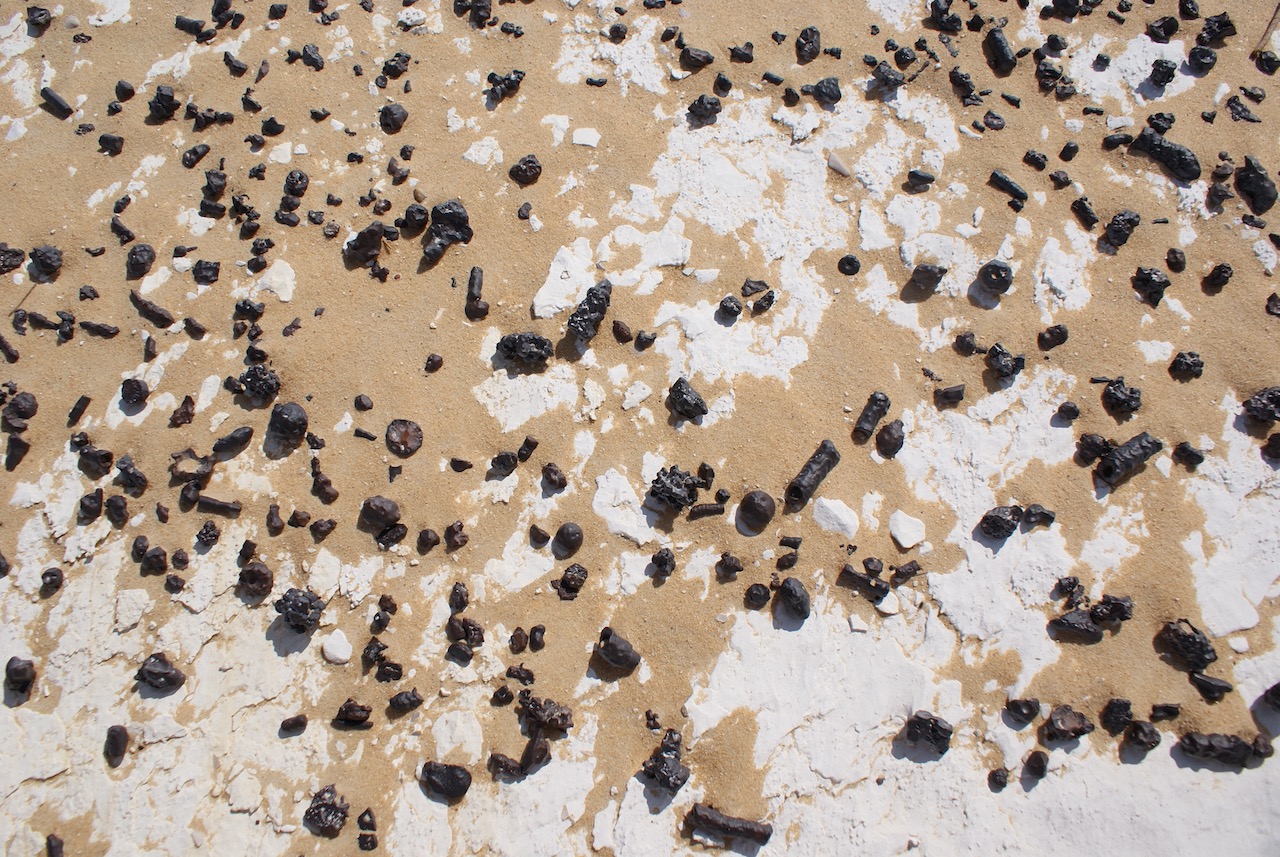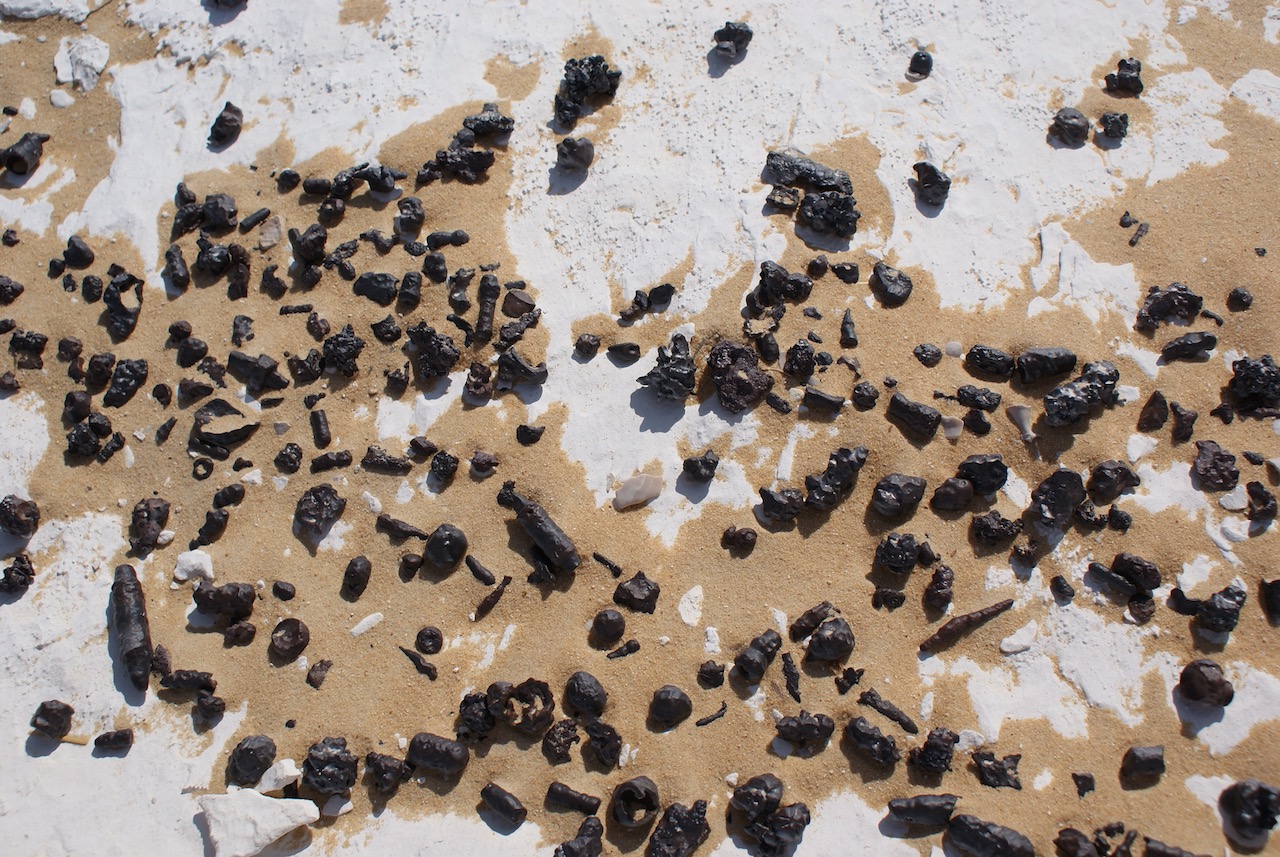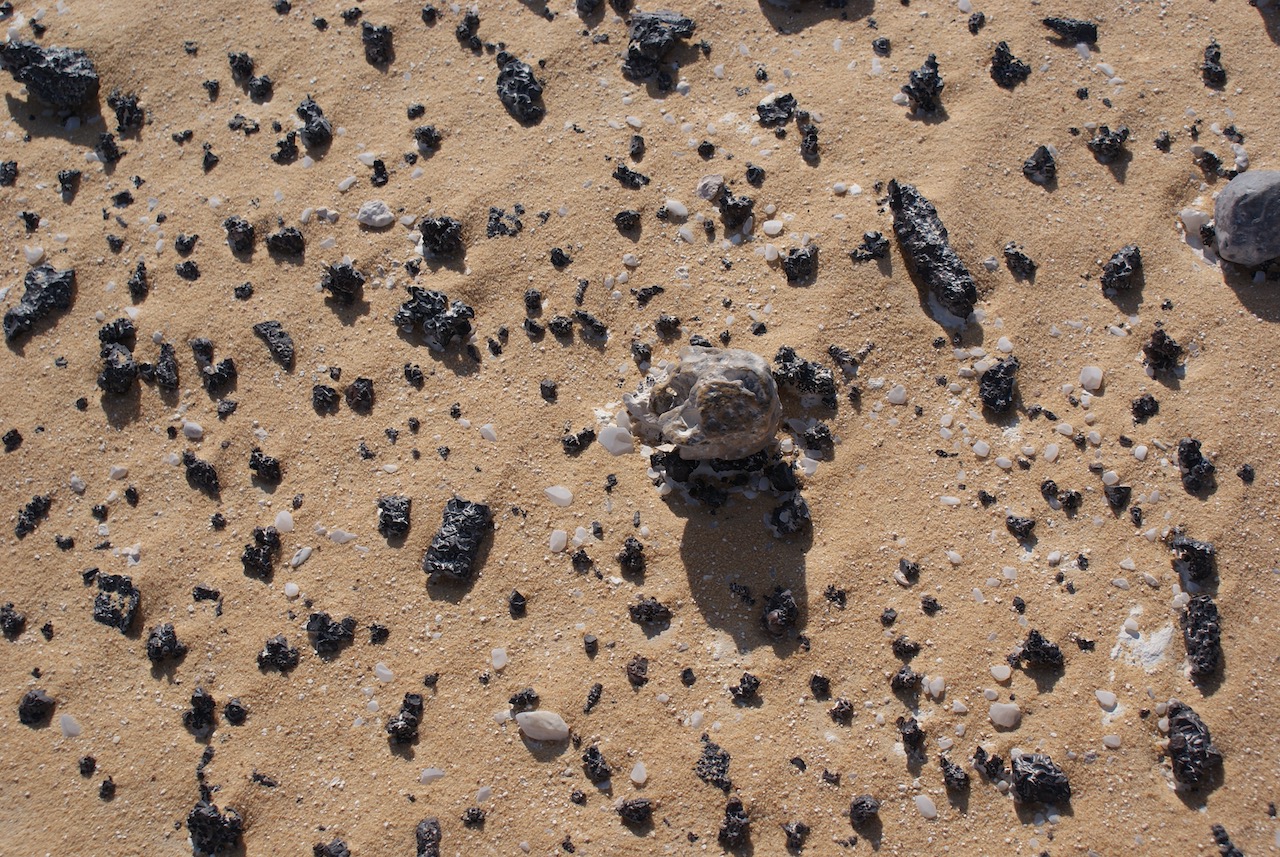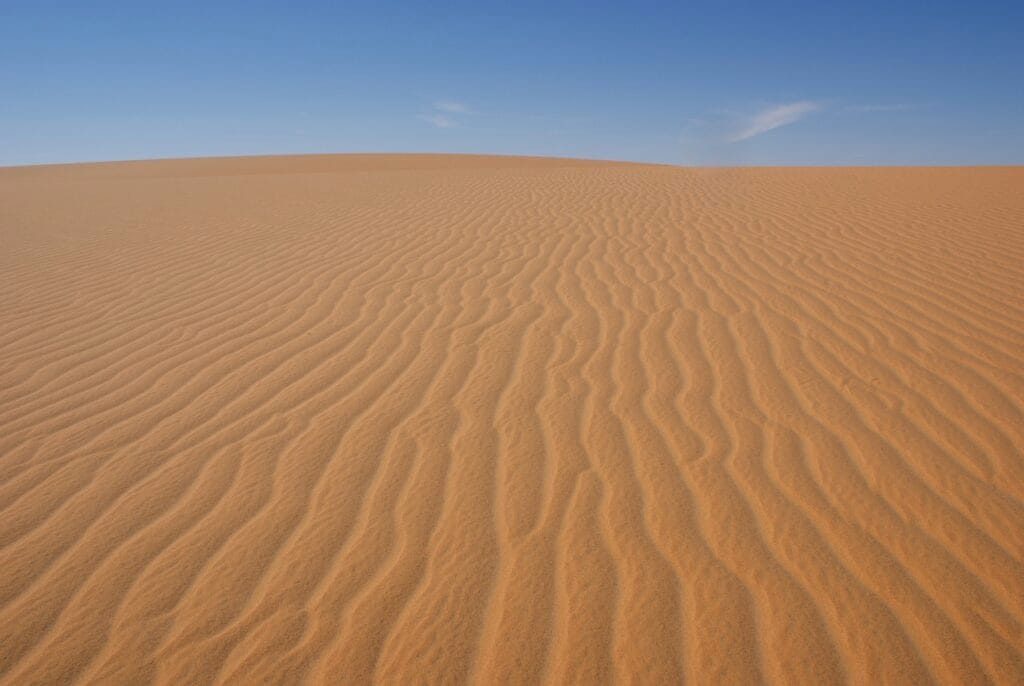
The White Desert of Egypt is like no other place on Earth. Vast chalk formations, shaped by wind and time, rise from the golden sands like a surreal landscape from another world. Hidden within this stark beauty lies one of nature’s rare treasures:
Pseudomorph Prophecy Stones
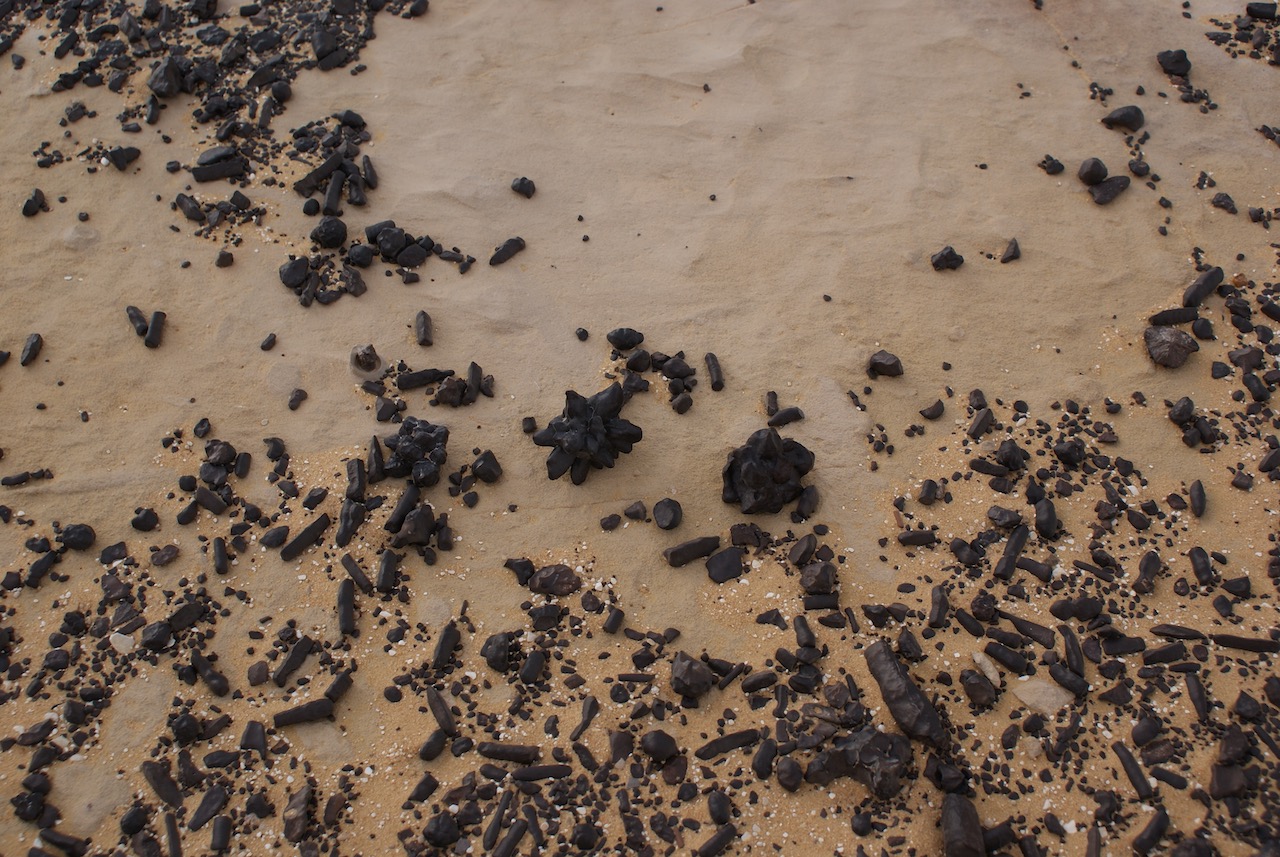
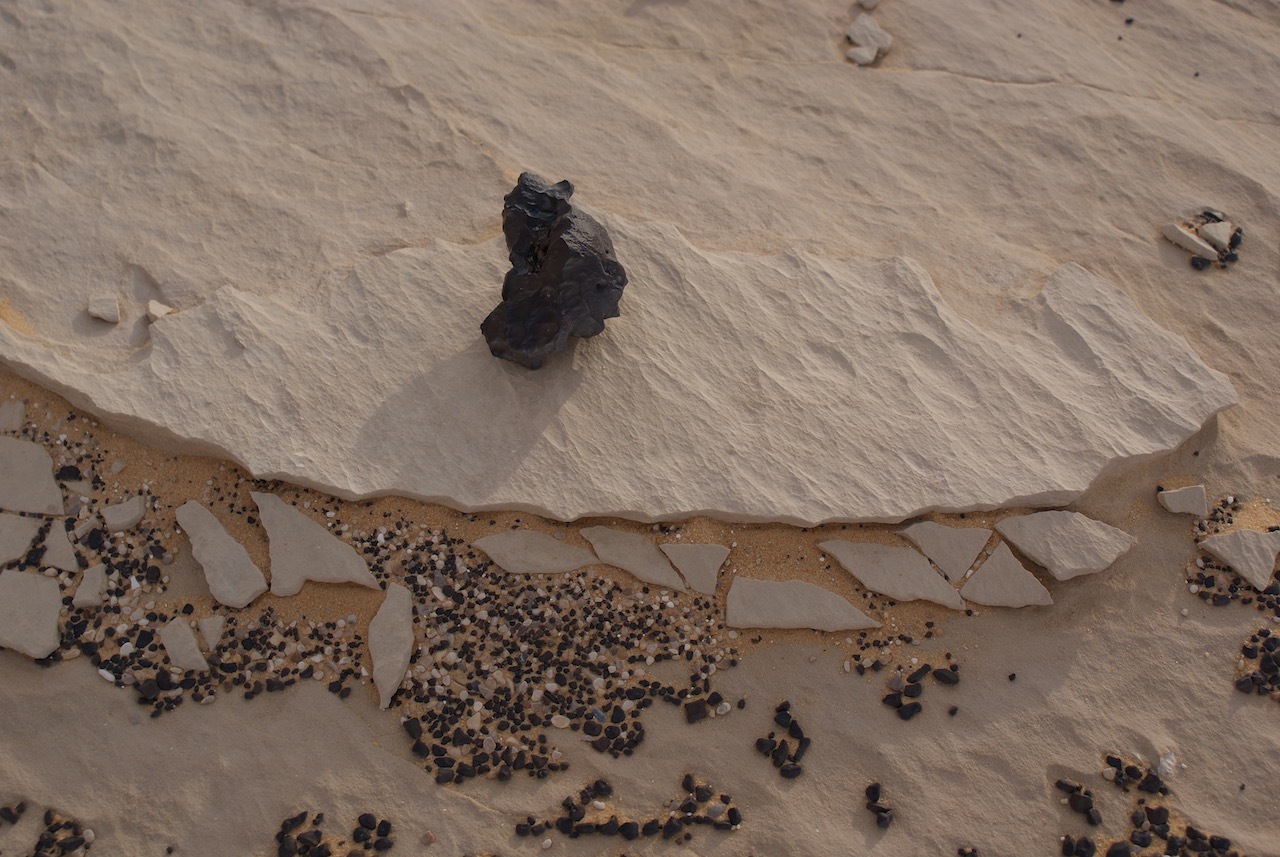
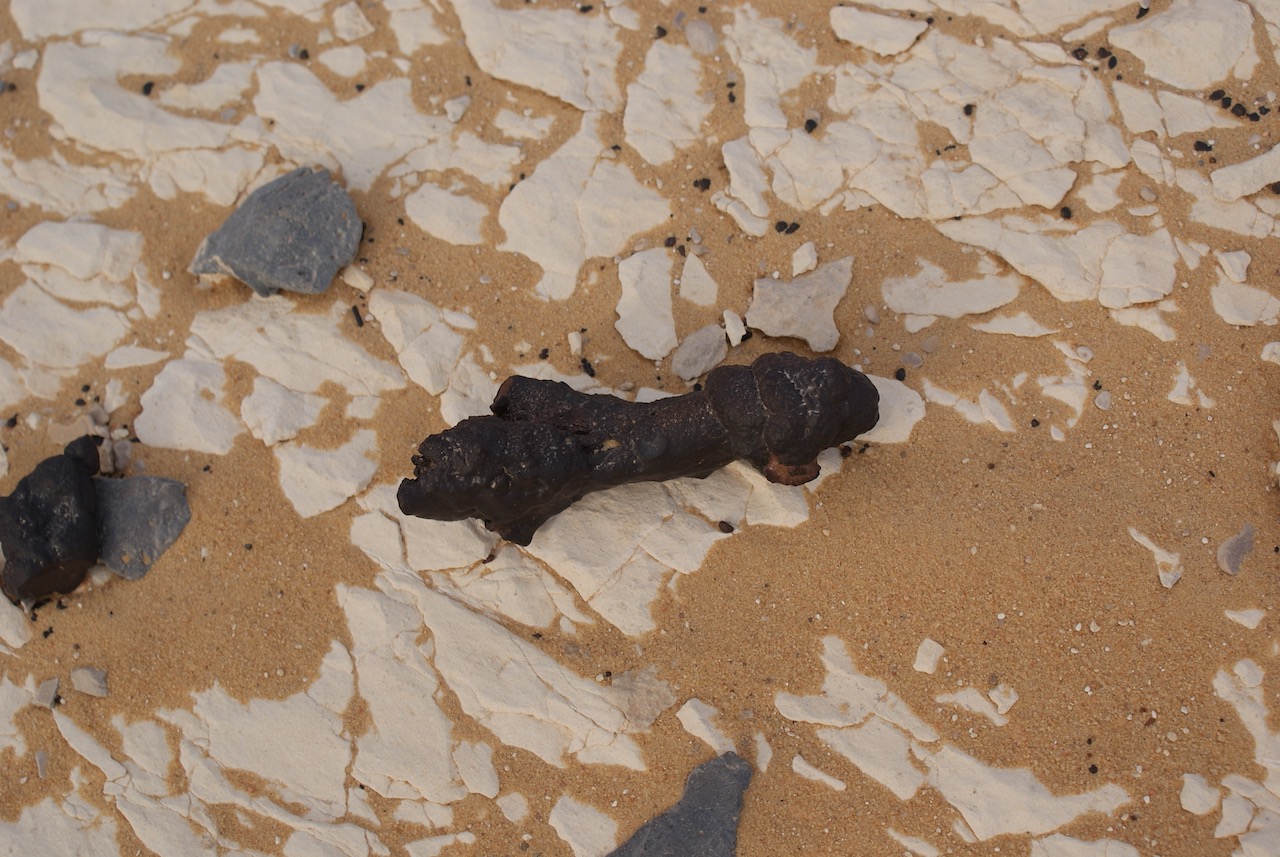
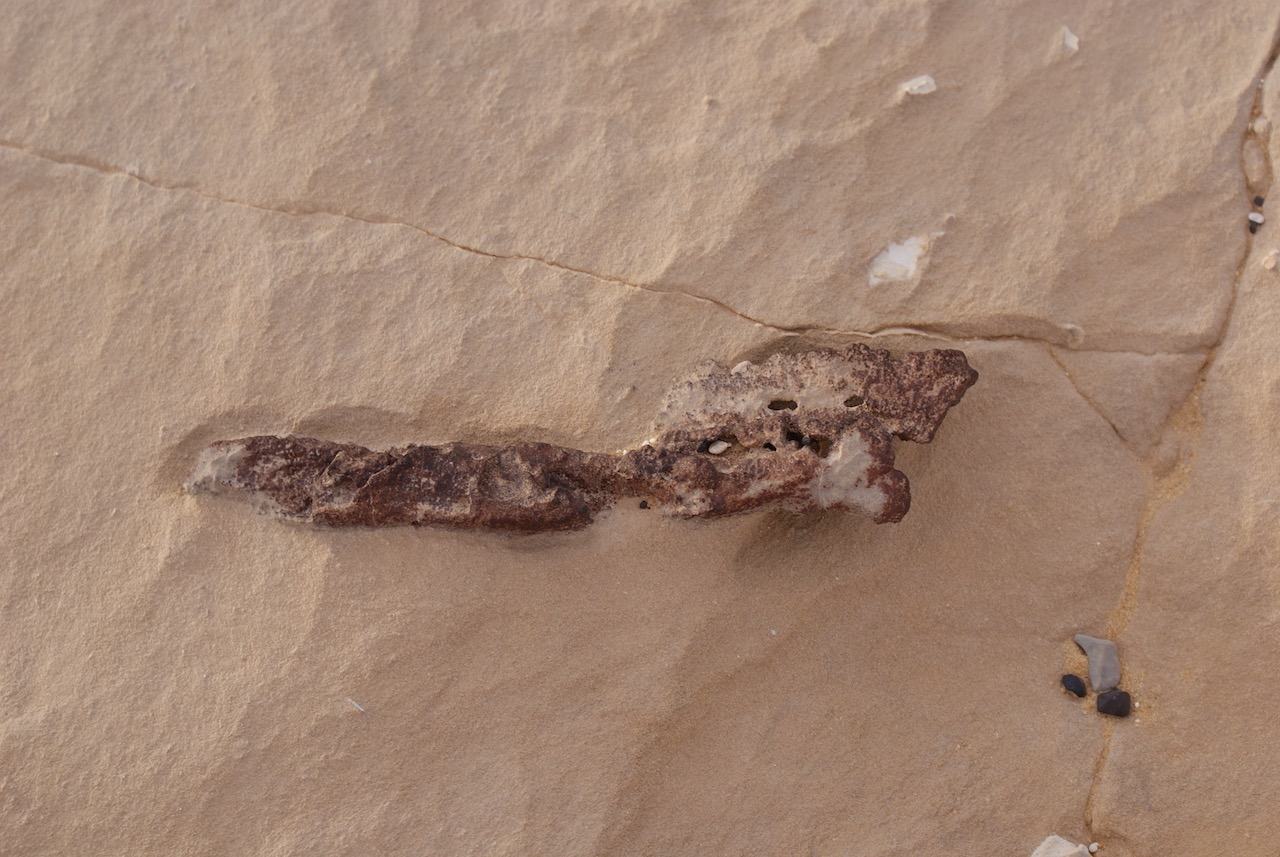
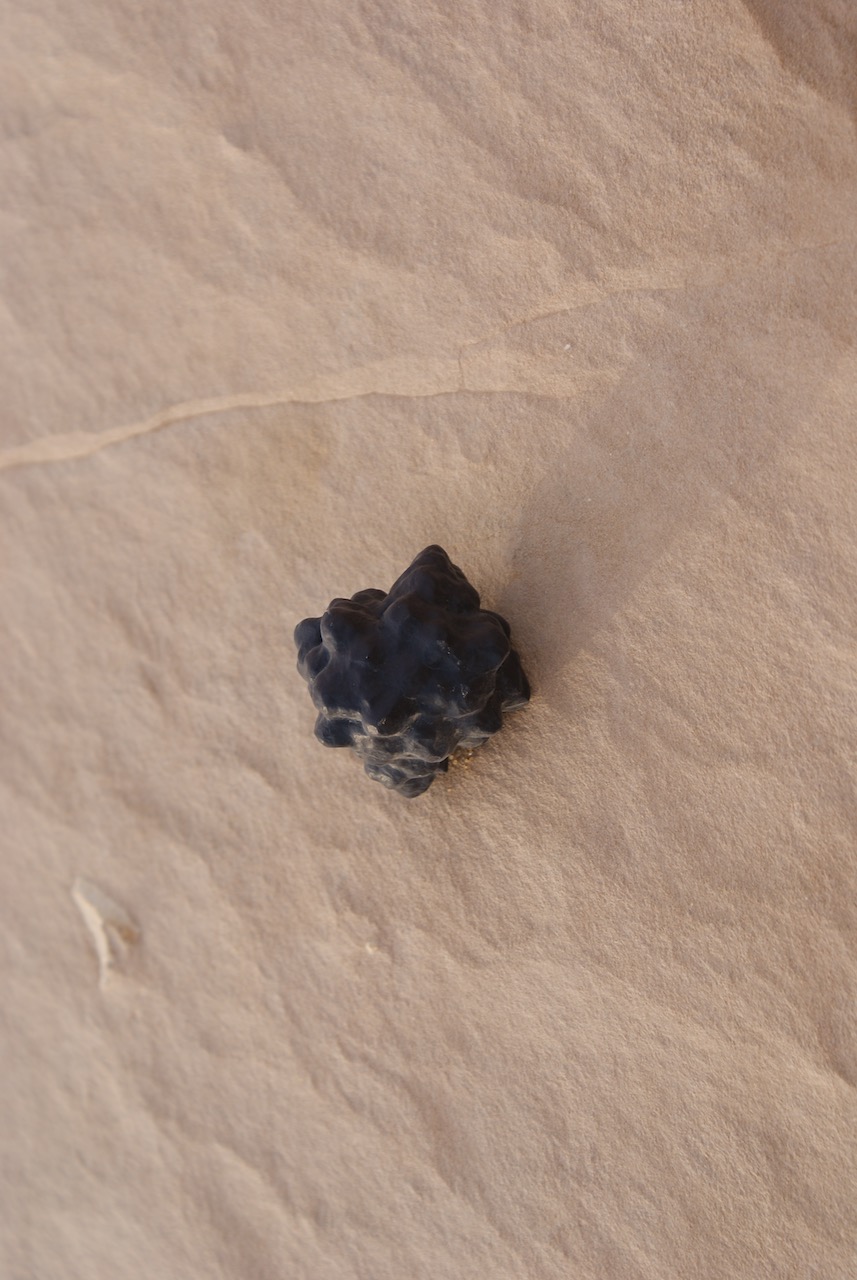
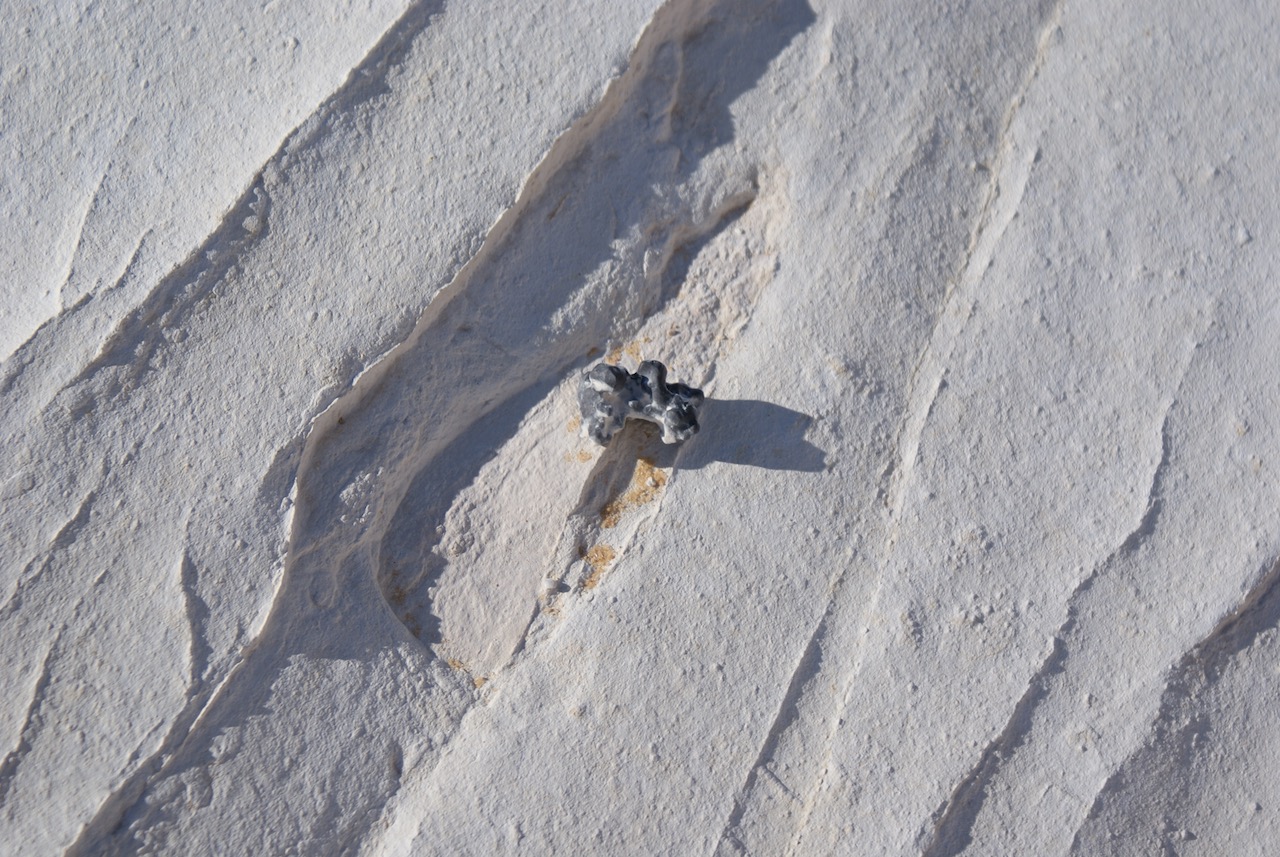
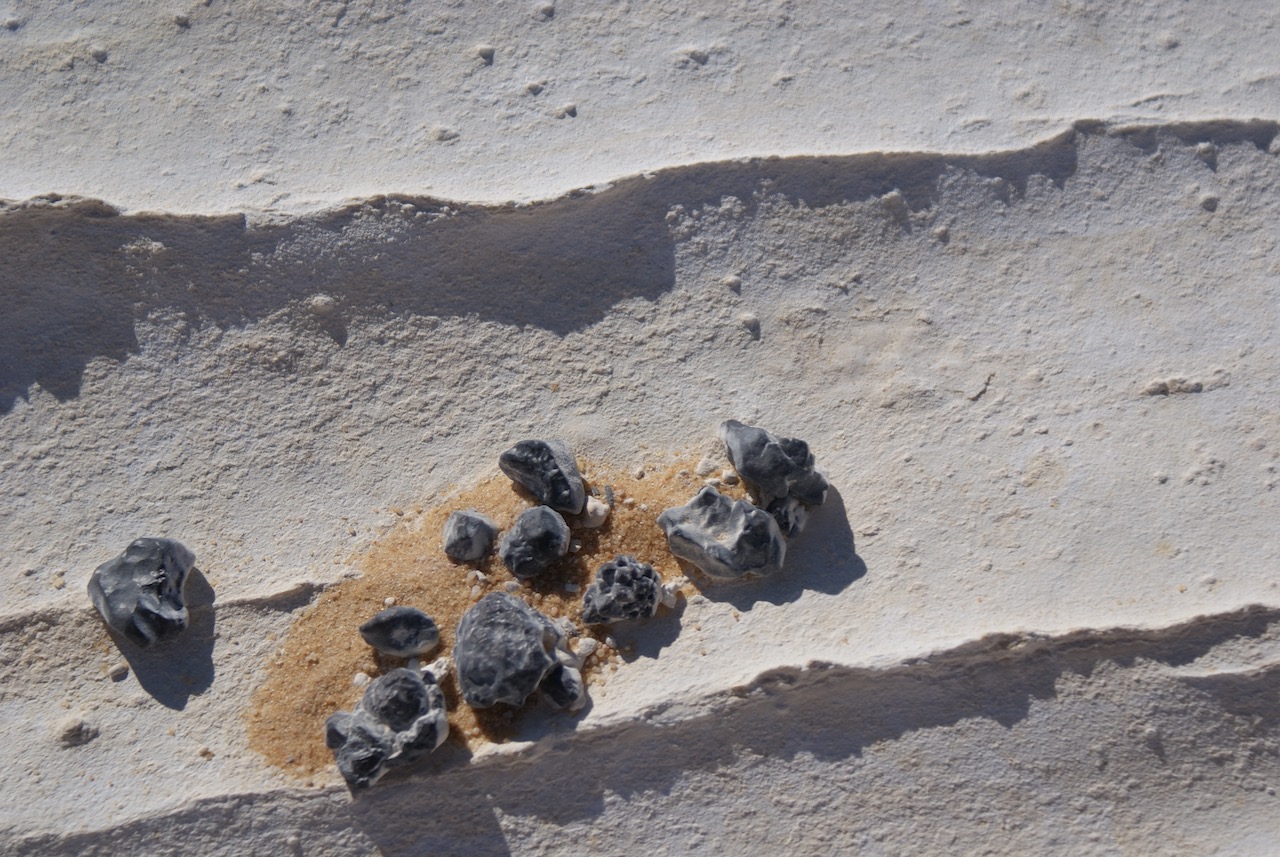
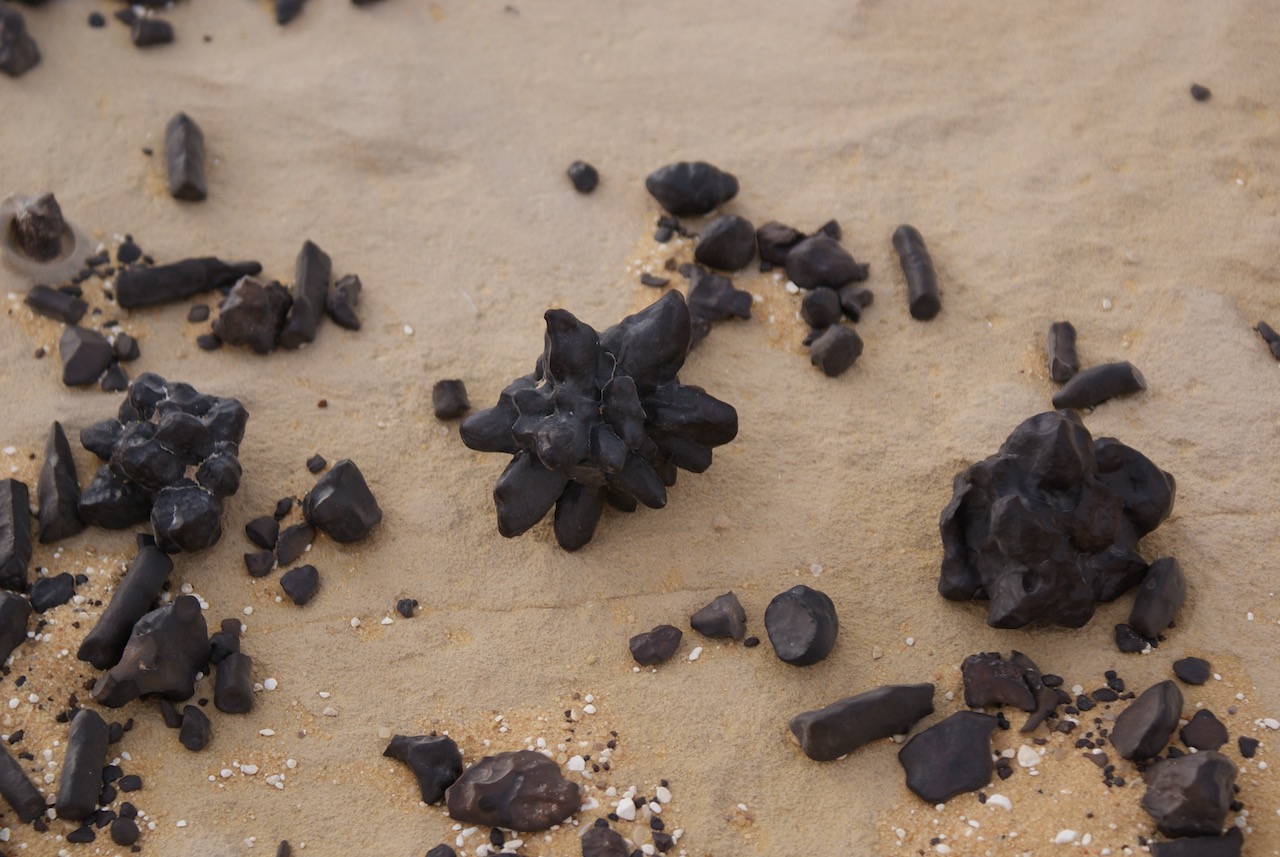
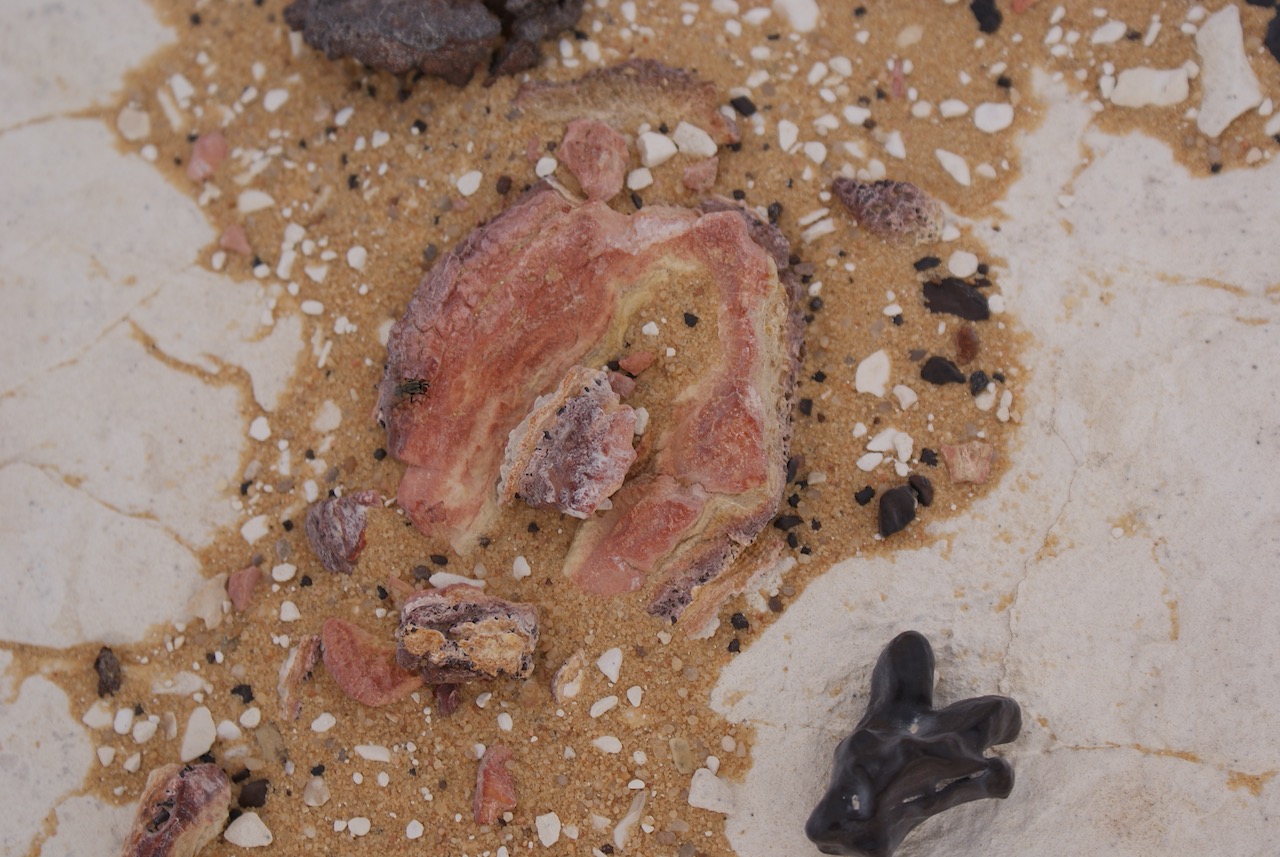
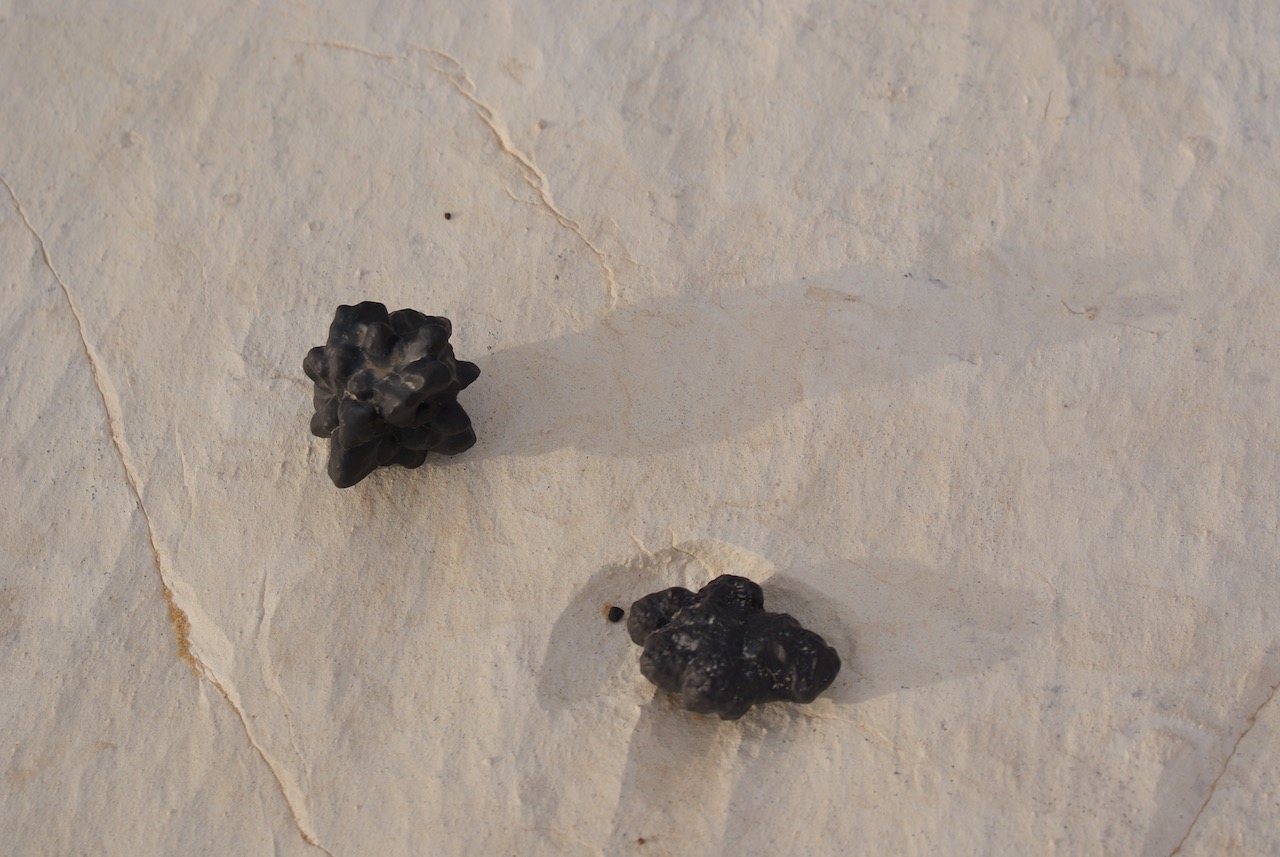
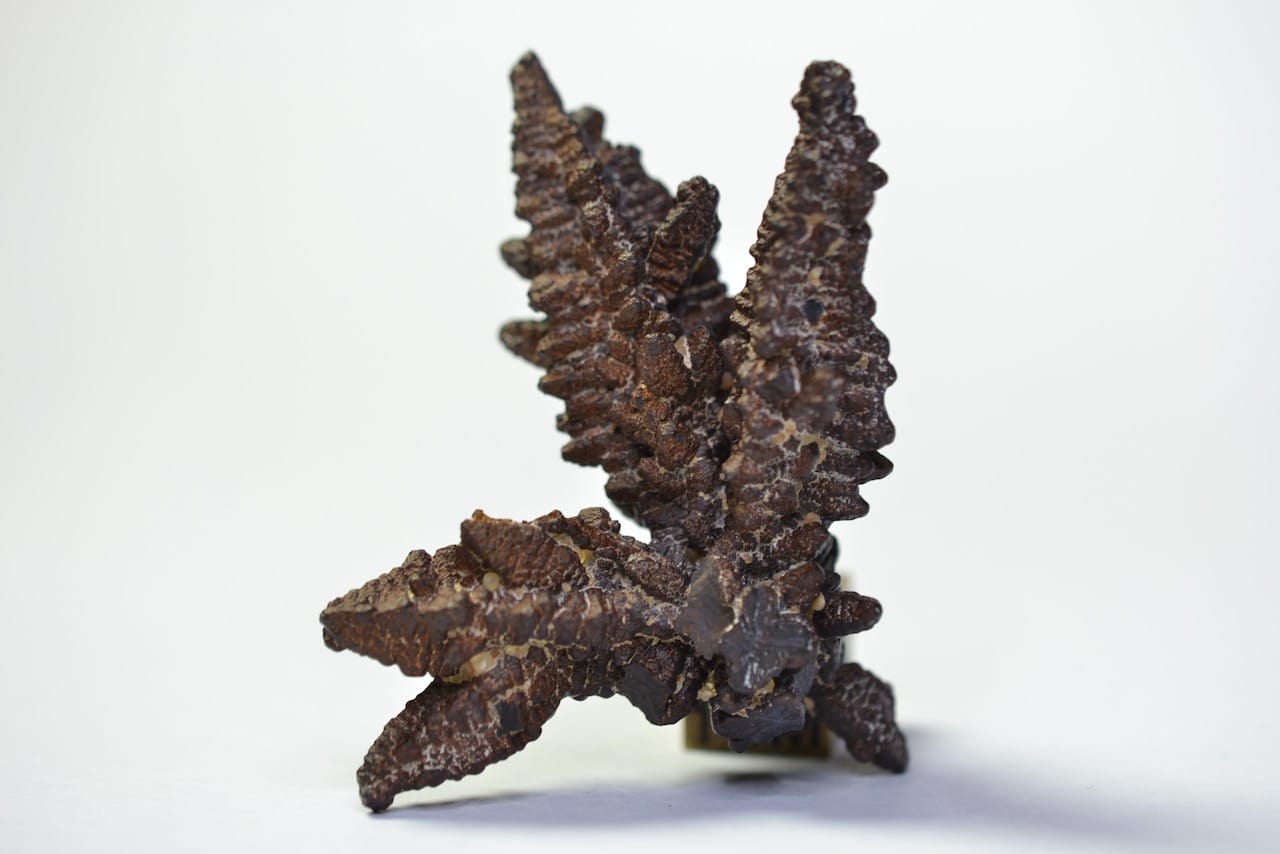
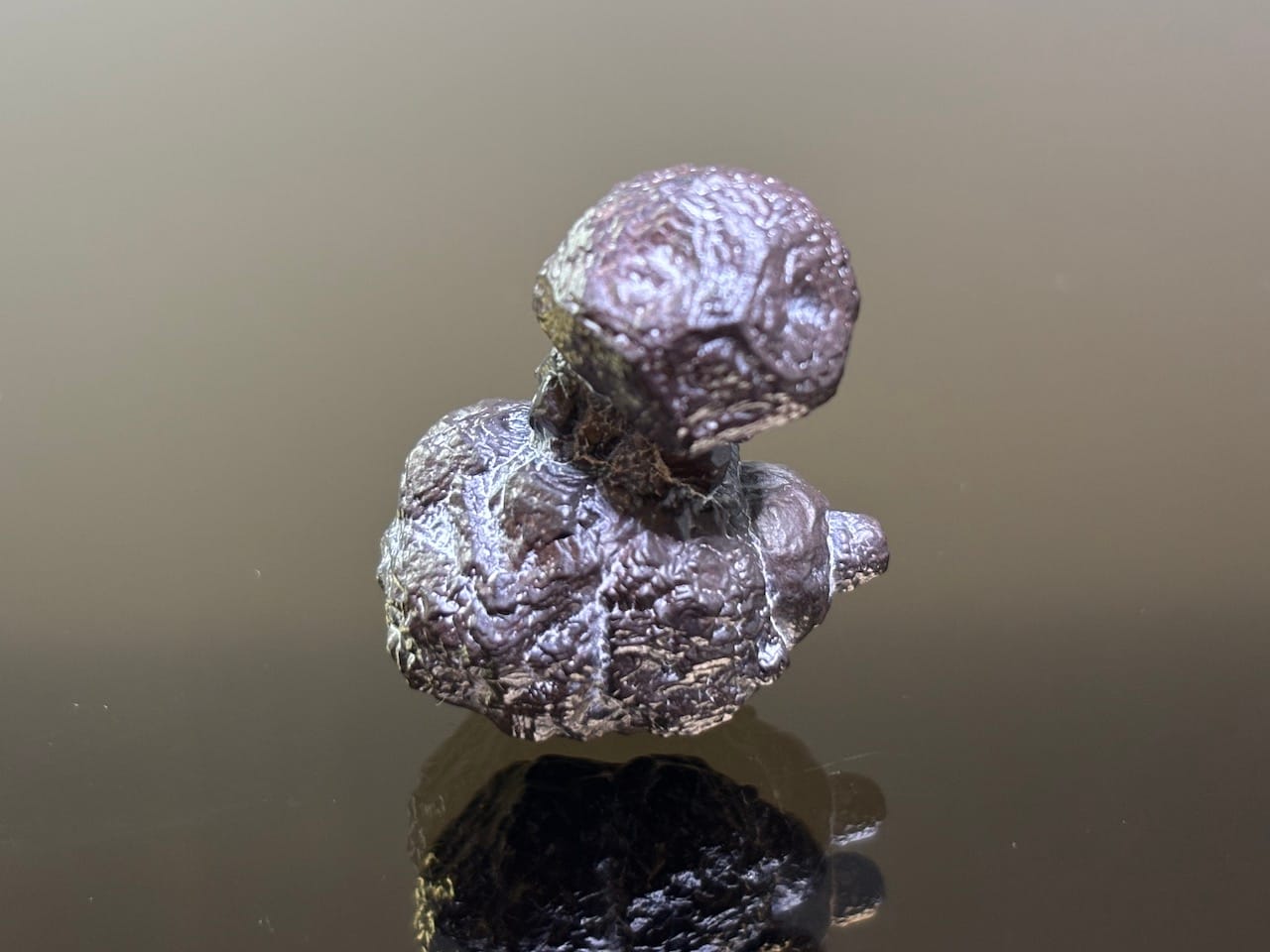
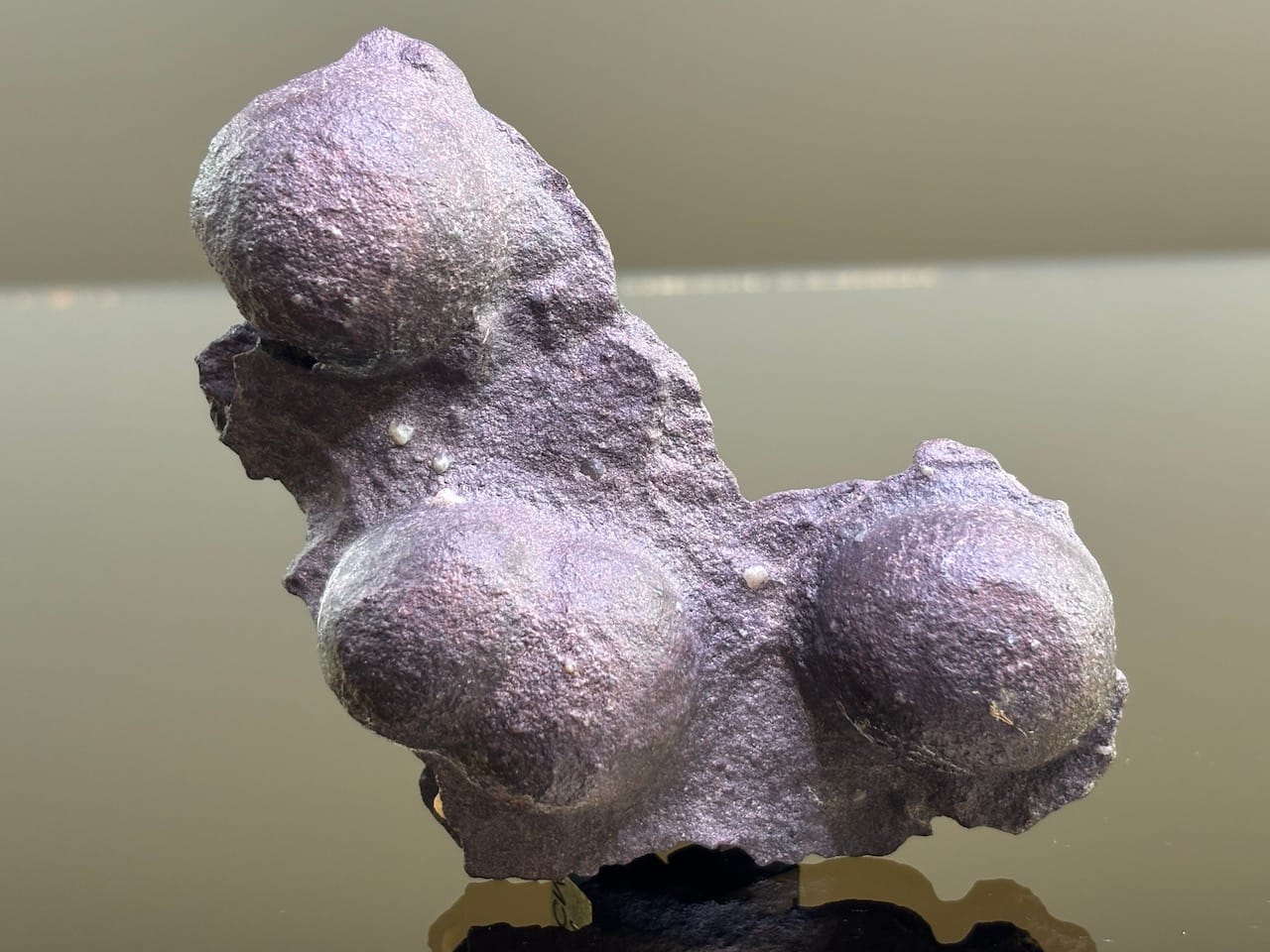
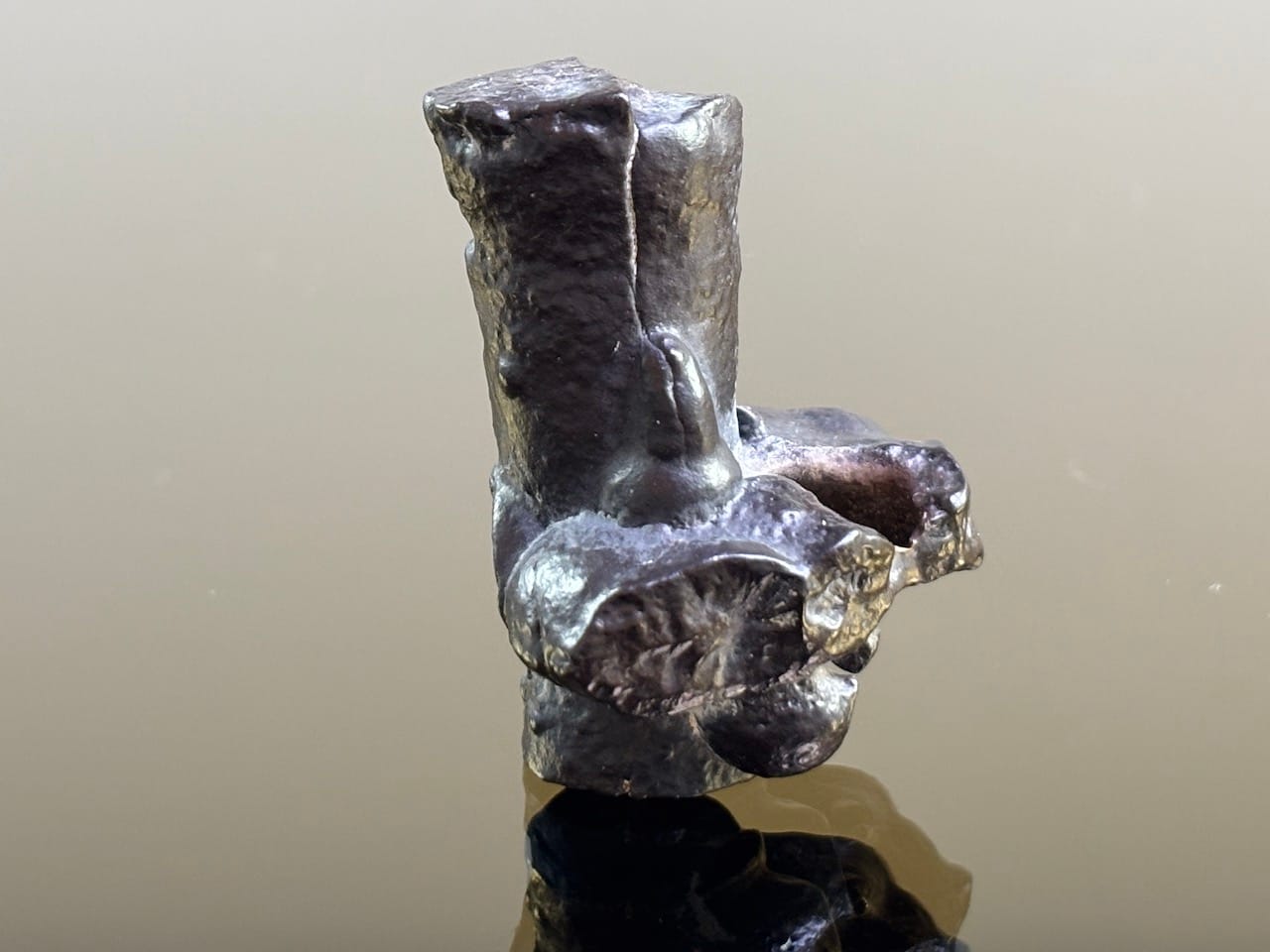
These stones are geological wonders — originally formed as pyrite or marcasite crystals, they gradually transformed over millions of years, replaced by hematite and limonite while retaining their original crystal shapes. The result is a pseudomorph: a stone that has changed in composition but preserved its ancient geometry. Known as Prophecy Stones, they are said to carry mystical energy, believed by many to aid in grounding, vision, and spiritual growth.
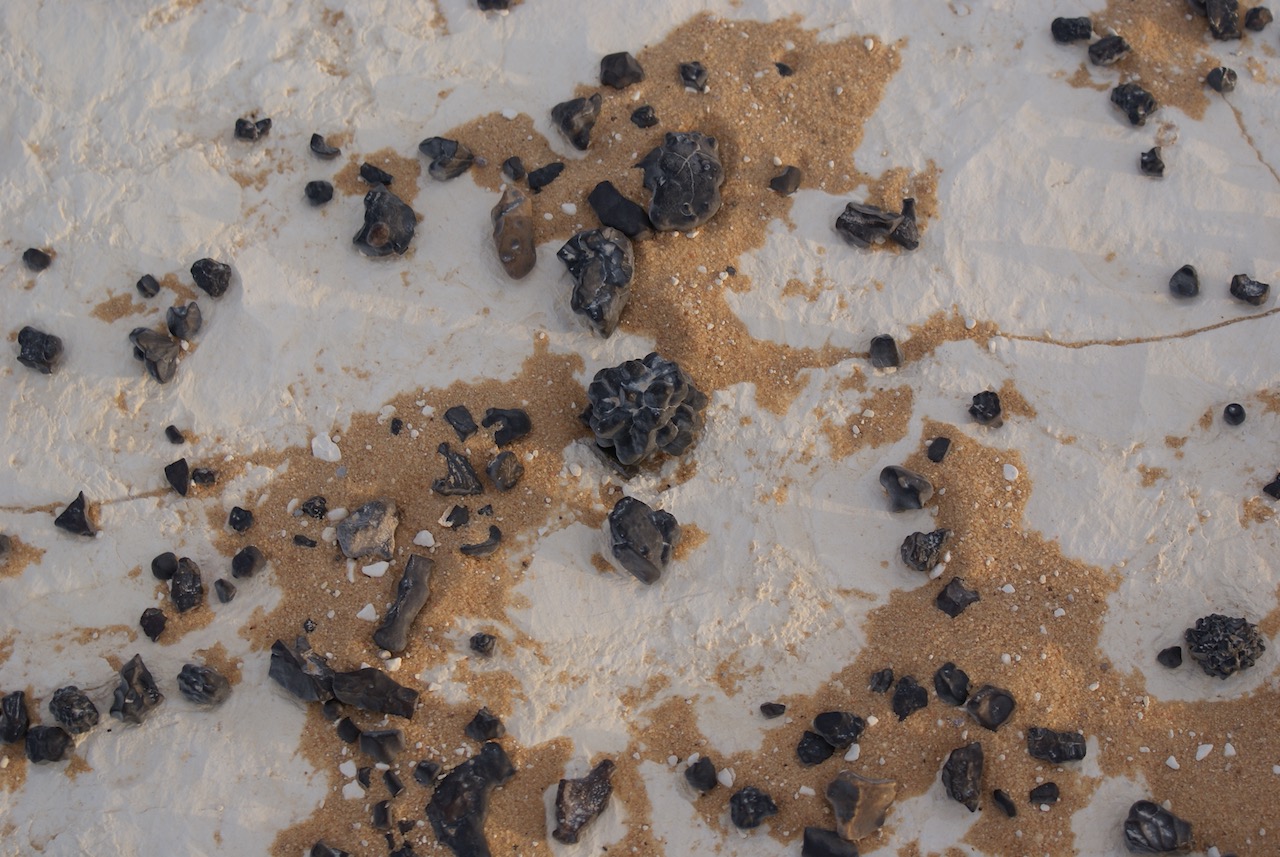
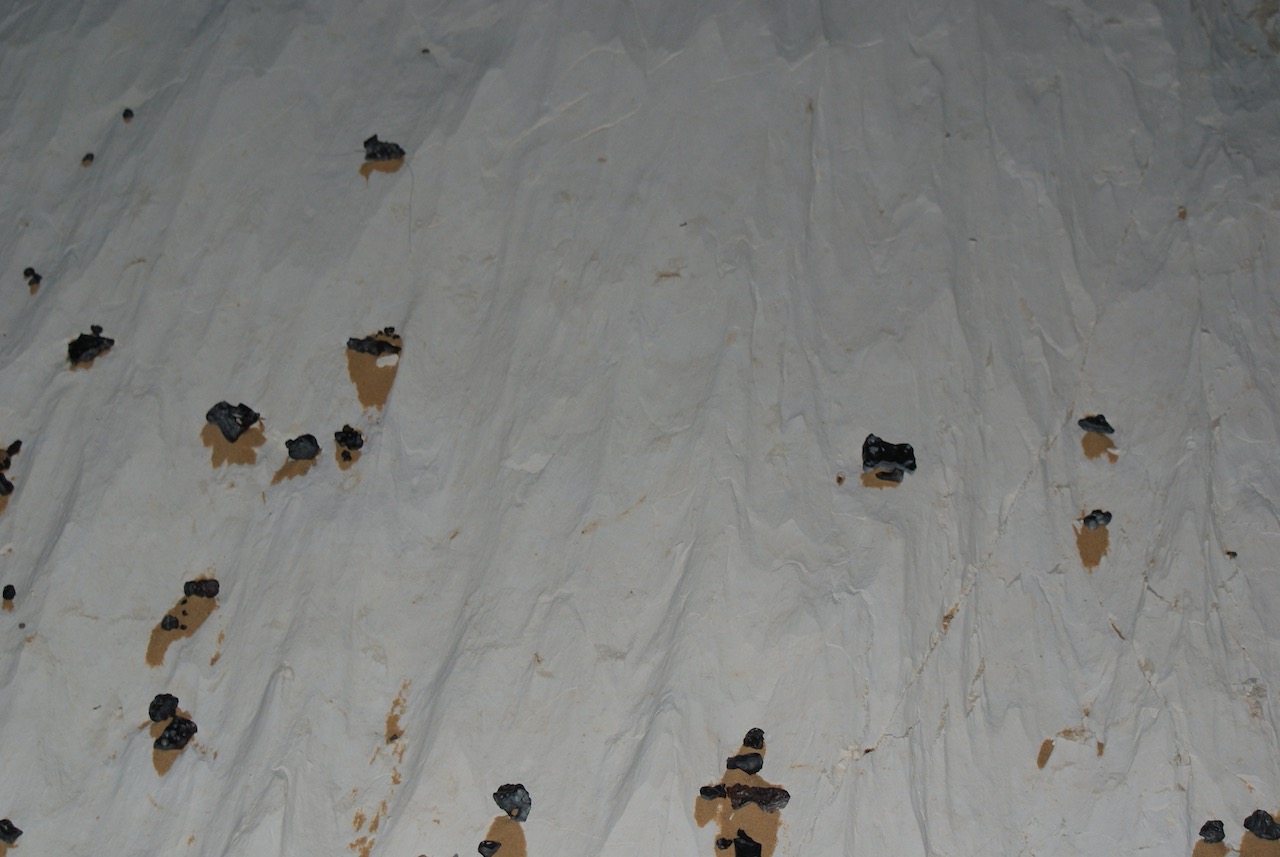
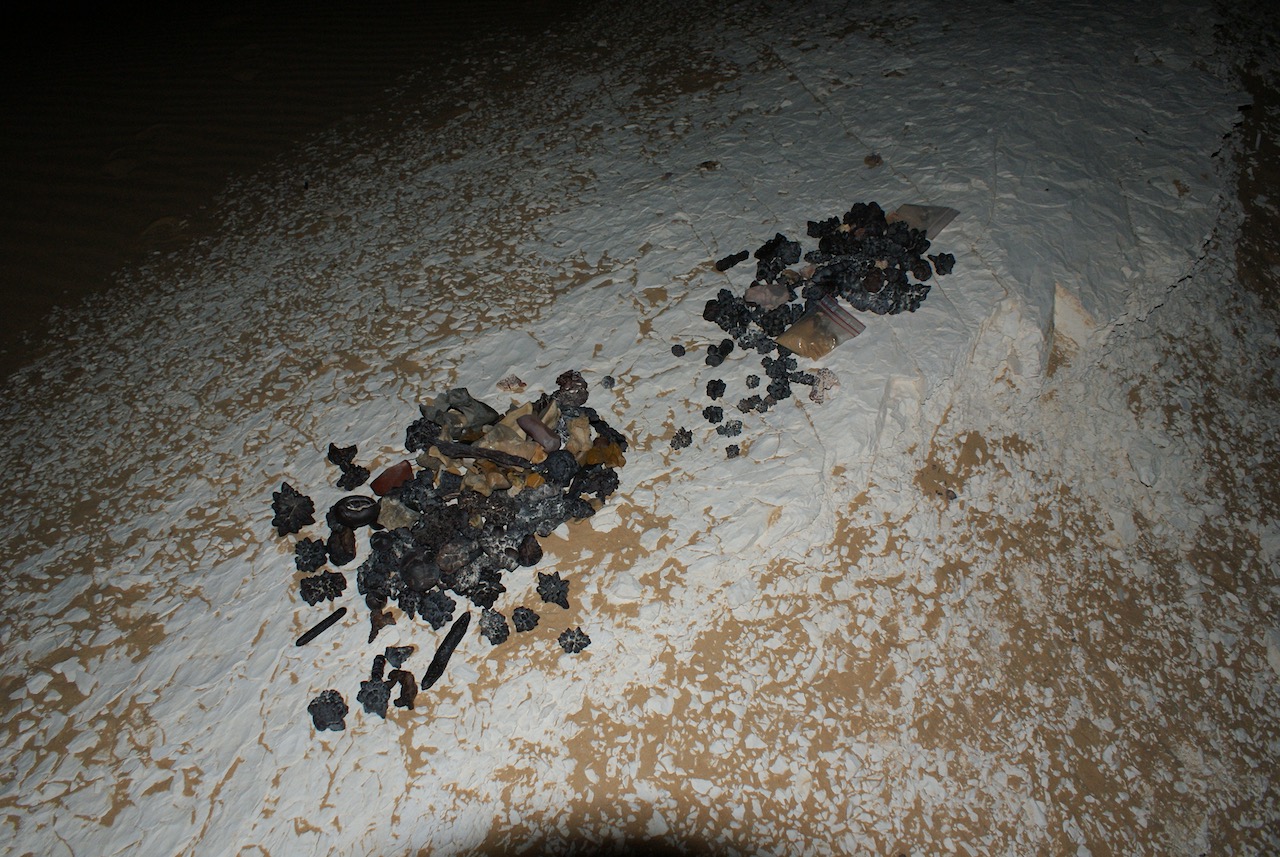
My connection with the White Desert runs deep. I have visited this extraordinary place more than a dozen times over the years, walking the desert plains, camping under skies ablaze with stars, and carefully hand-picking stones directly from the source. Each specimen carries not just geological history, but also the memory of this vast and silent wilderness.
The stones I offer through SaharaGems are authentic, hand-collected Prophecy Stones from my personal journeys. These are not the usual pieces seen online — they are unique, natural shapes, chosen one by one, each with its own character and story.
Through my Etsy shop, you can now hold a piece of the White Desert in your hands. Whether you see them as geological marvels, spiritual tools, or simply rare and beautiful stones, Prophecy Stones are treasures of deep time and place.
Explore my collection of hand-picked Pseudomorph Prophecy Stones here: SaharaGems on Etsy.
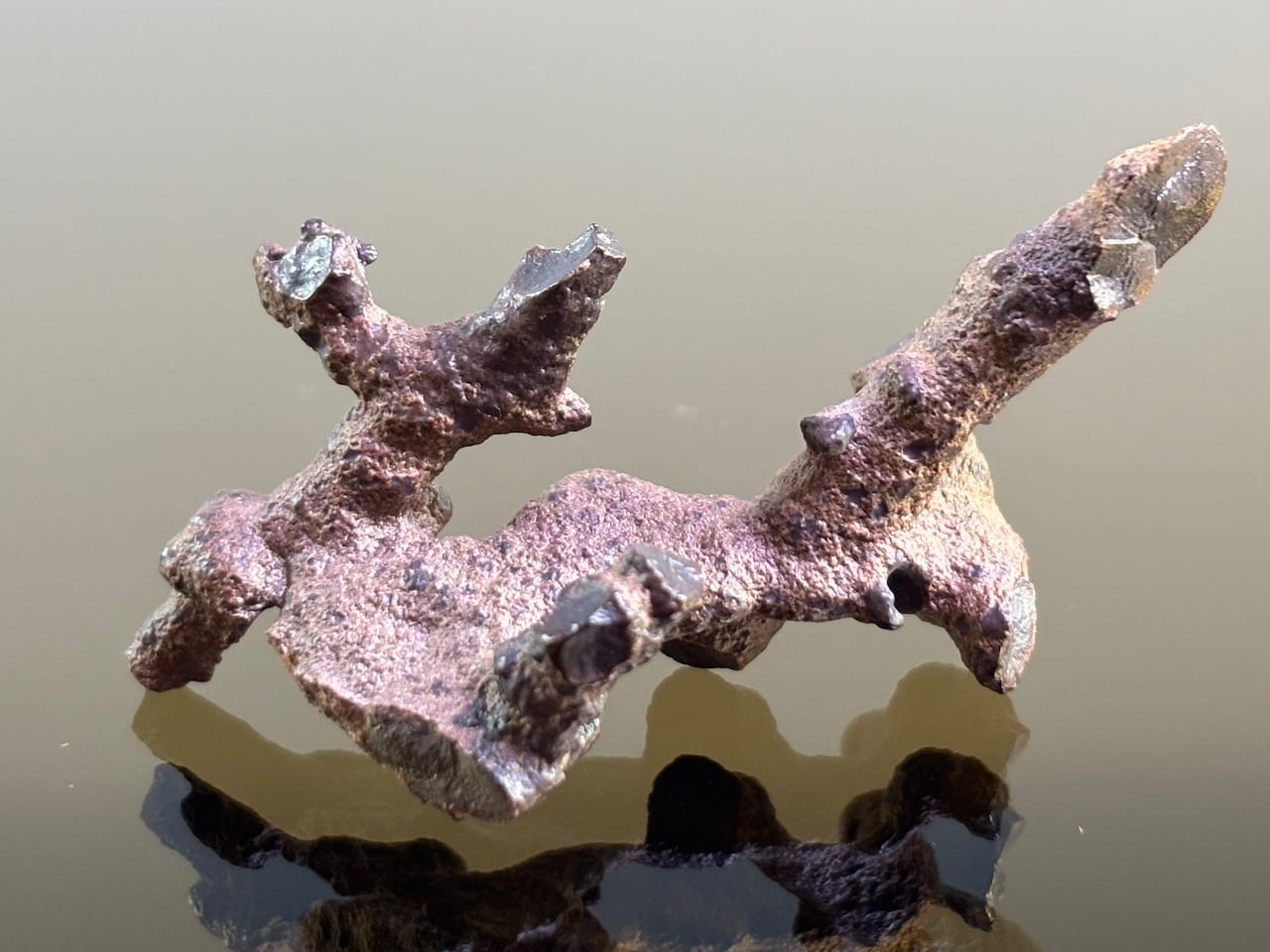
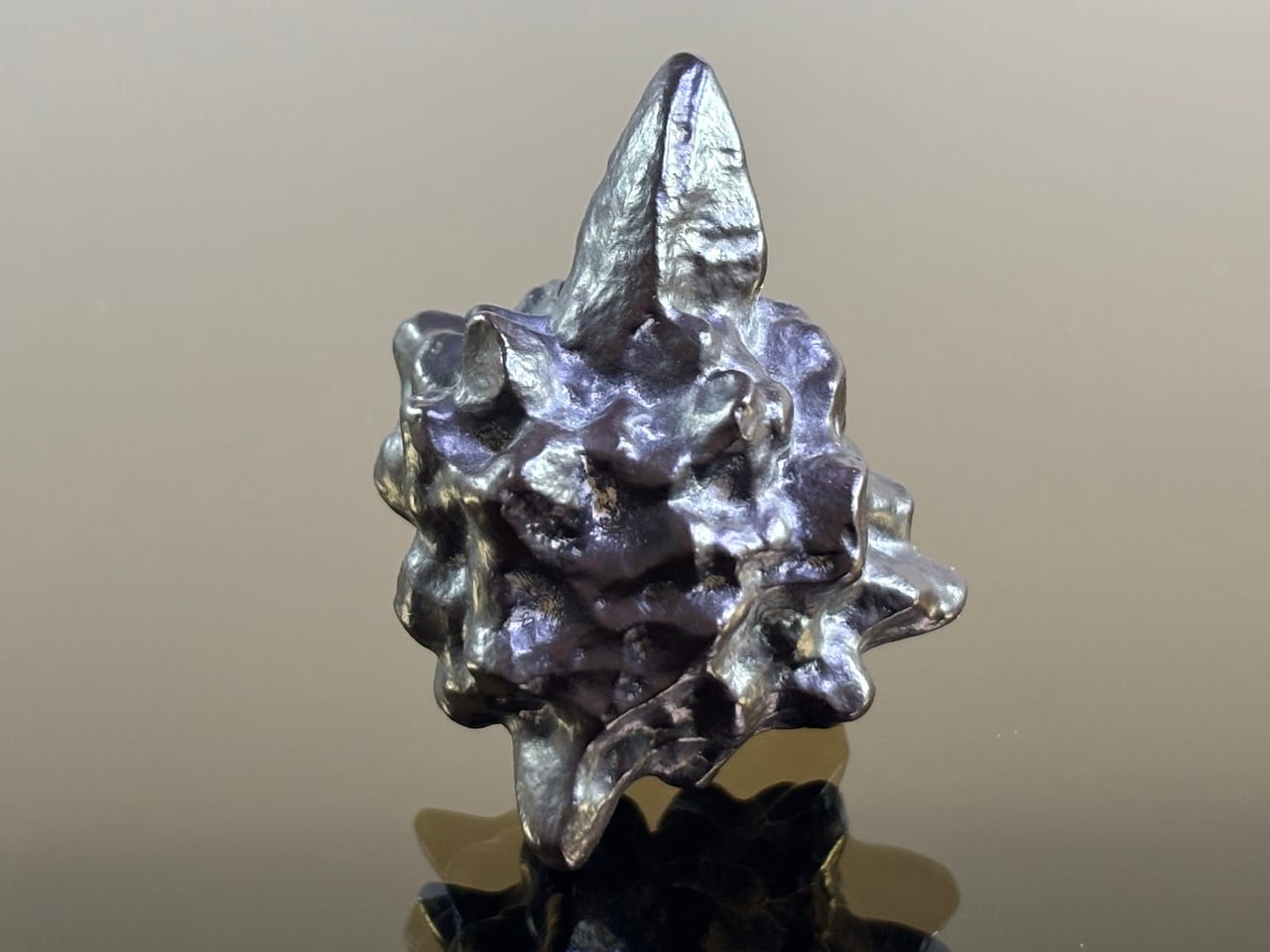
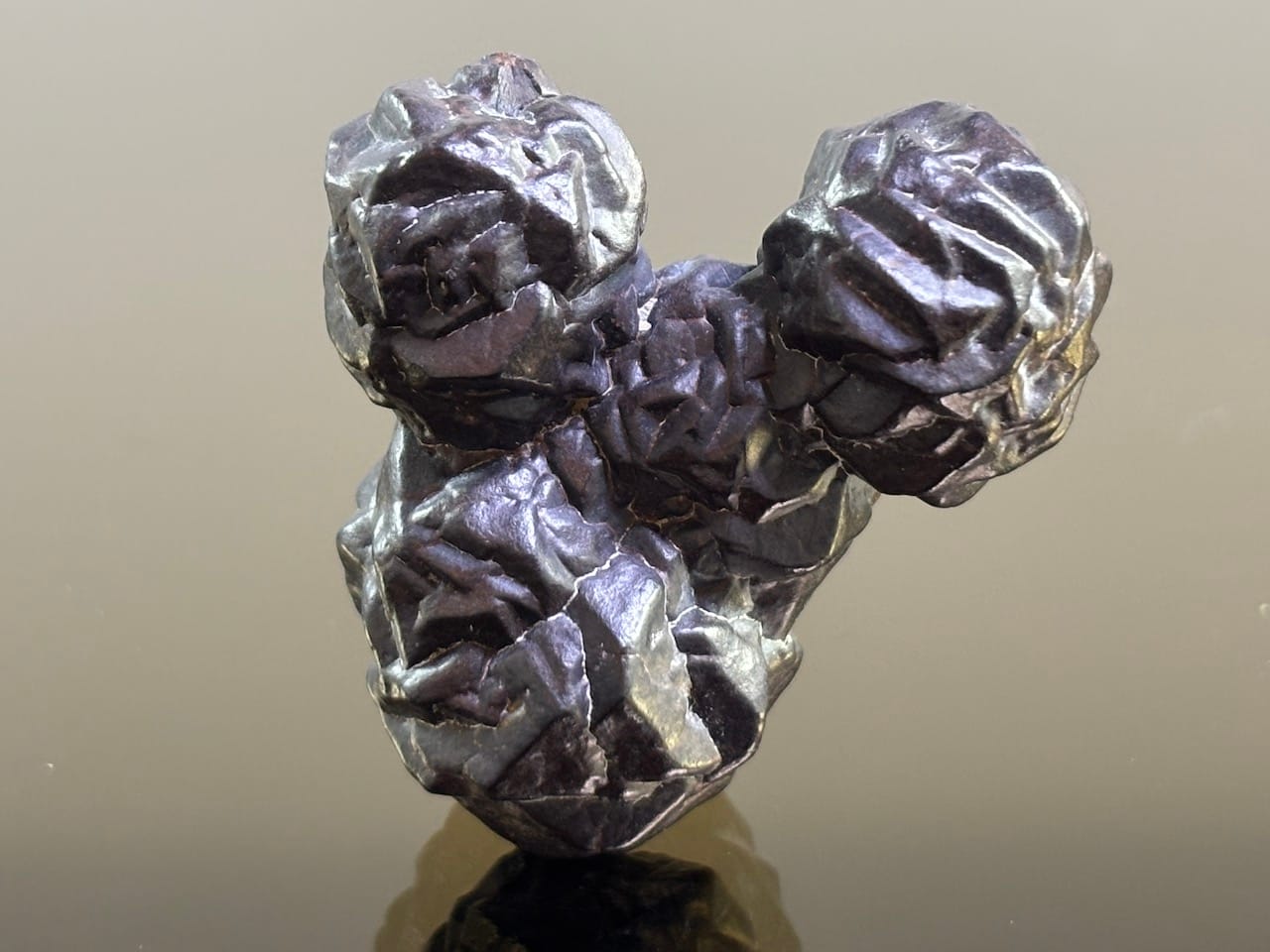
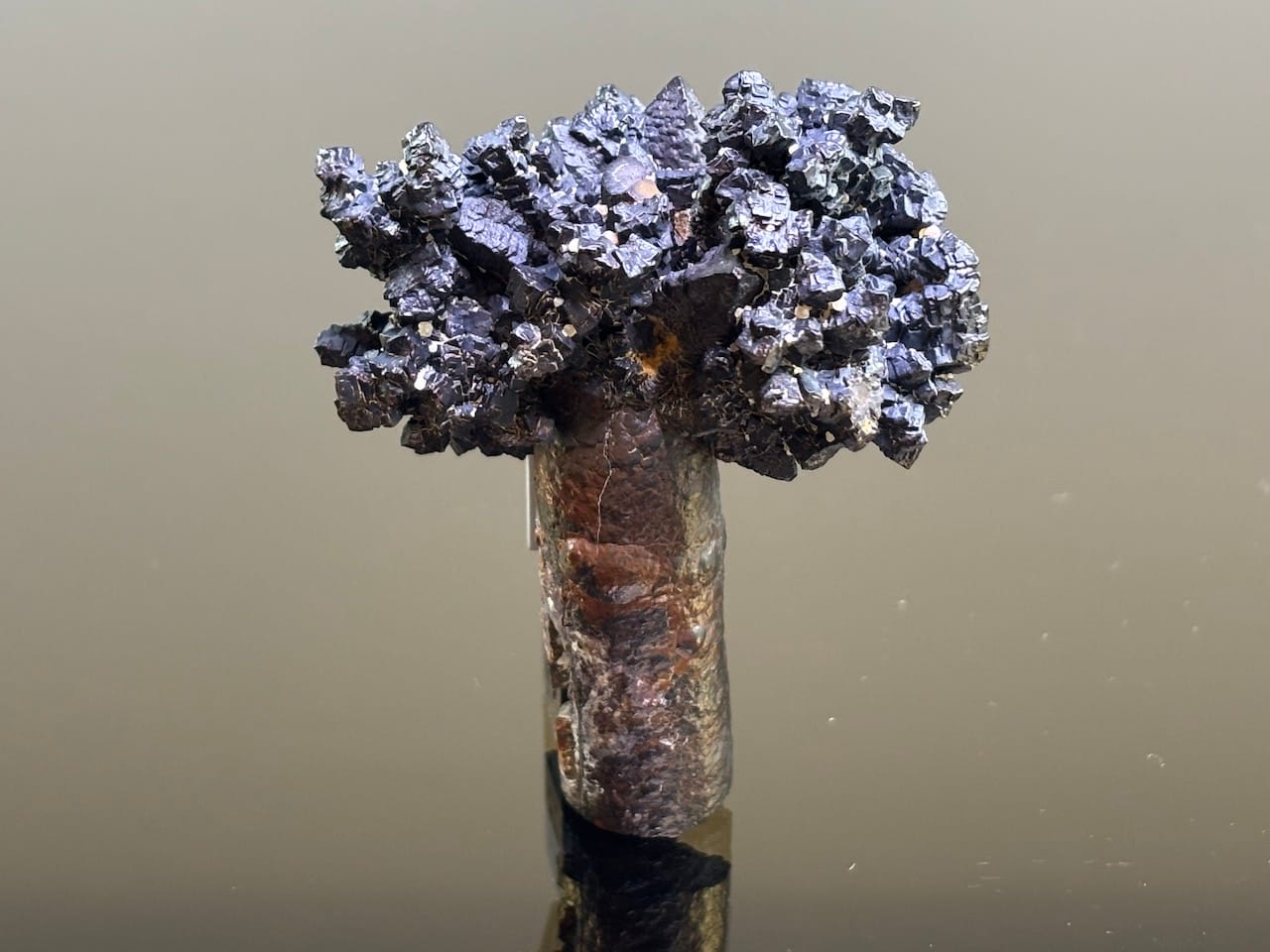
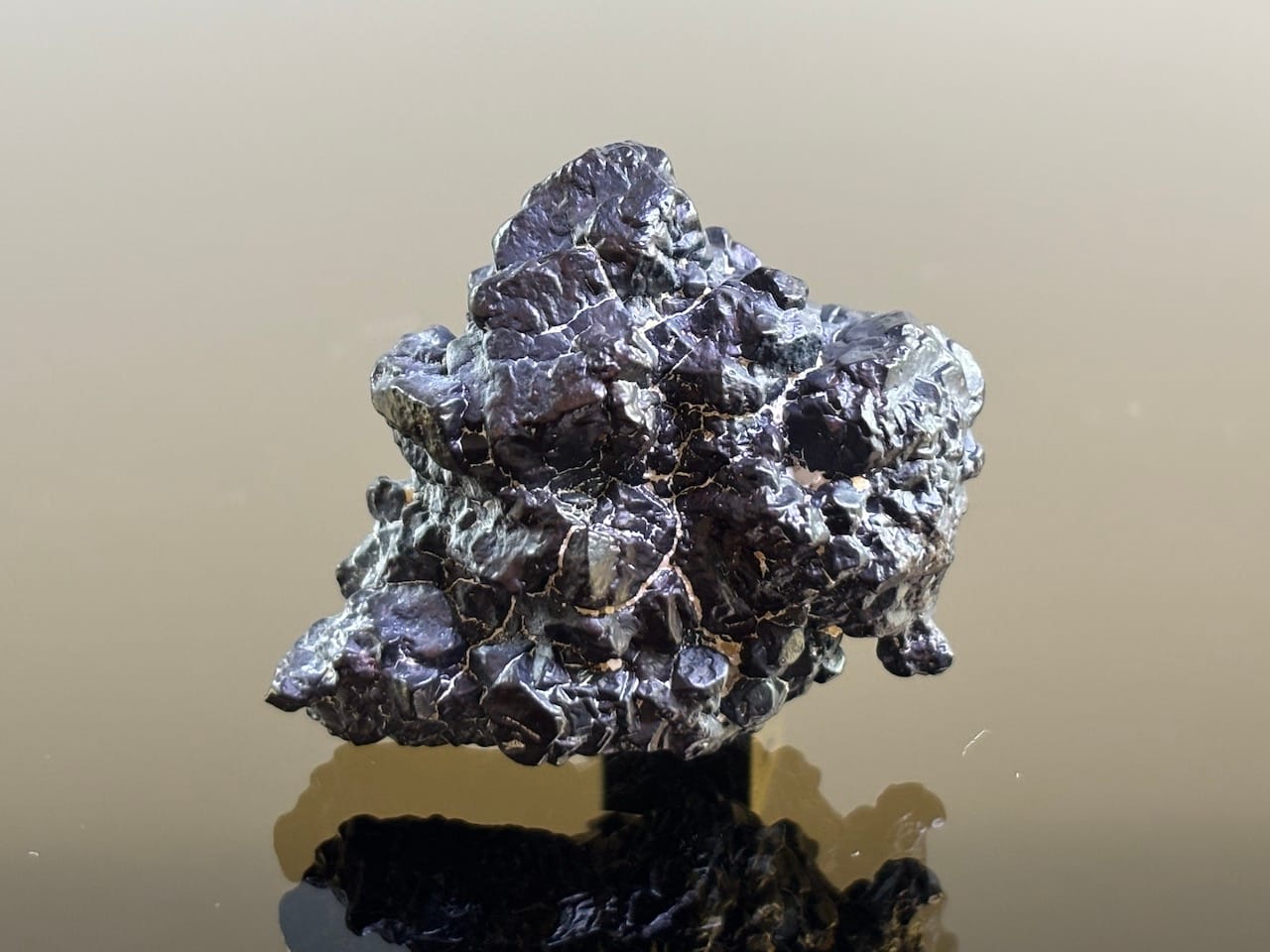
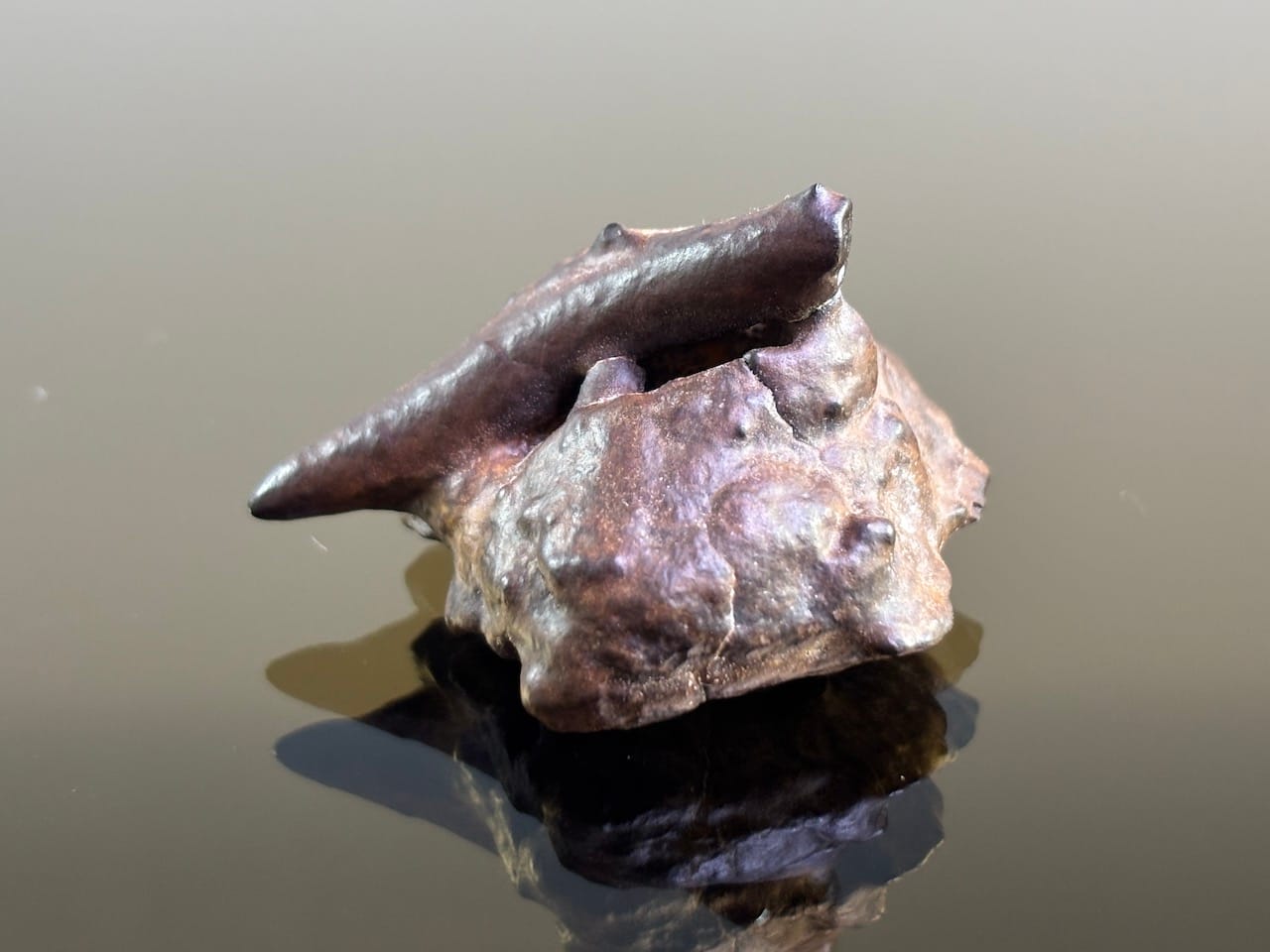
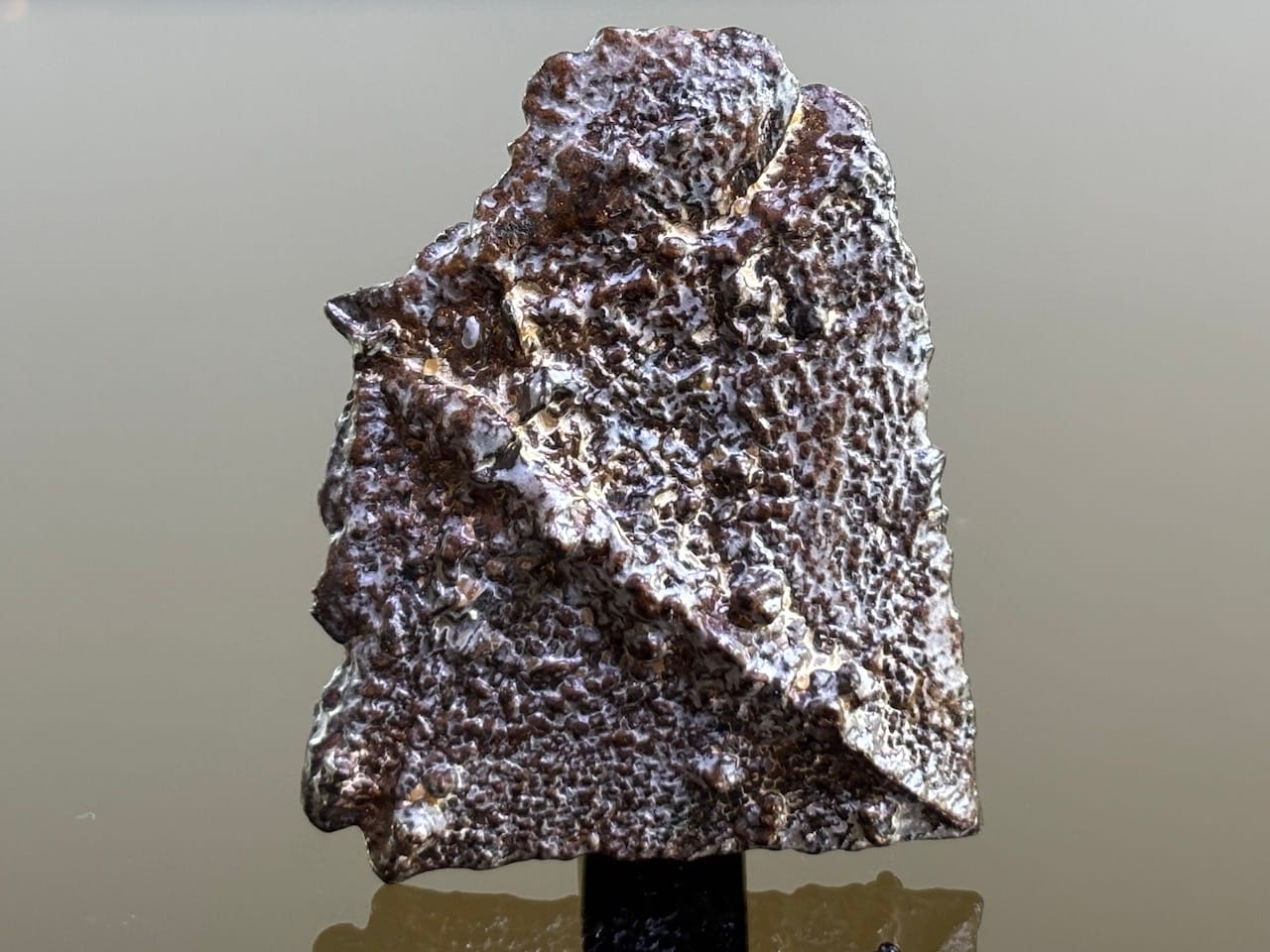
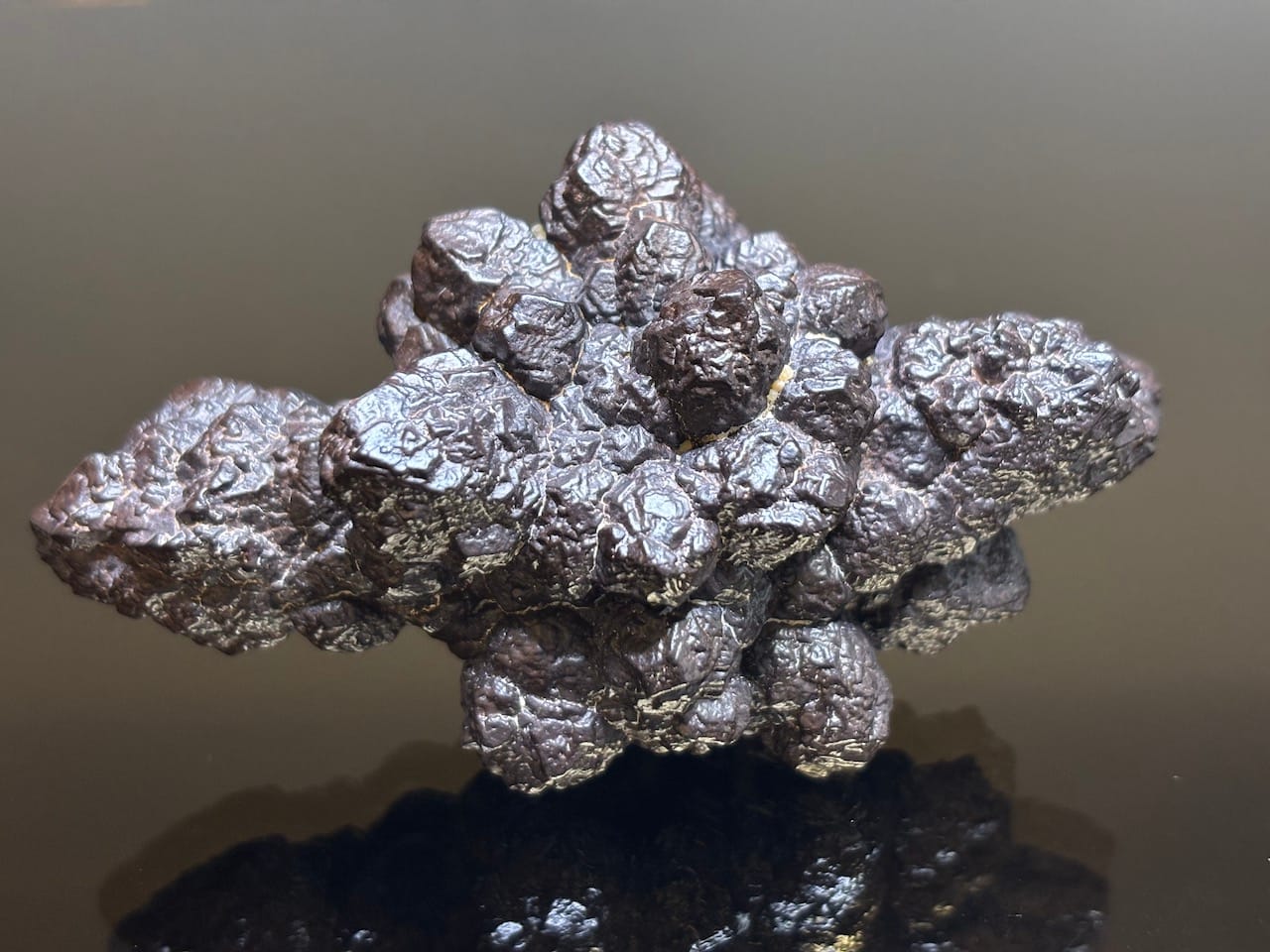
Where to Find Them?
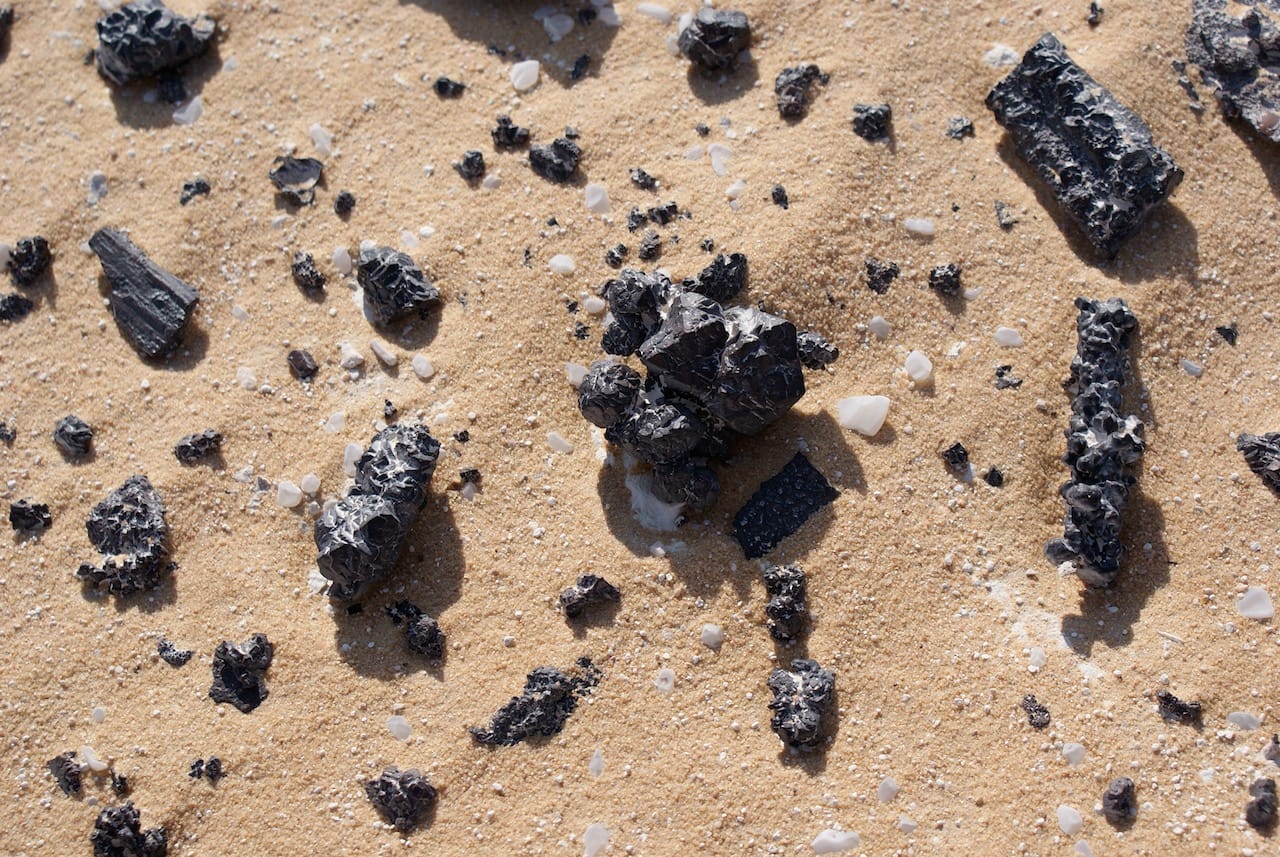
The most famous pseudomorph localities lie within the Western Desert between Farafra, Bahariya, and Abu Minqar, extending toward the White Desert and parts of the Great Sand Sea. Over millions of years, the interplay of evaporitic basins, groundwater movement, and desert erosion created the perfect conditions for pseudomorphic formation.
In the Farafra Depression, for example, stunning examples of gypsum replaced by silica or iron oxides have been found, displaying the crisp cubic form of halite but the hardness and luster of quartz. In some areas near Abu Minqar, limonitic pseudomorphs of pyrite and iron oxide concretions occur — relics of ancient marine sediments that once covered the Sahara.
However, many of these regions — particularly around the White Desert National Park — are protected areas today. The collection or removal of geological specimens is strictly prohibited under Egyptian environmental law. These landscapes are now recognized for their global scientific and aesthetic importance, and rightfully so. What was once an open field for explorers and desert geologists is now a natural museum, preserved for future generations.
How Rare Are They?
Western Desert pseudomorphs are considered rare and scientifically significant. Unlike commercial gemstones, they are seldom traded, since the best examples remain within protected zones. Their rarity comes not only from their geological uniqueness but also from their restricted access.
Authentic specimens found decades ago — legally collected during early expeditions in the 1980s and 1990s — are now museum-grade artifacts. Each carries the silent story of time, chemistry, and transformation written in its crystal geometry.
For collectors and enthusiasts, these pseudomorphs represent the soul of the desert’s mineral heritage — beautiful, mysterious, and forever bound to the landscape that formed them.
Respecting the Desert
At SaharaGems, we believe in celebrating the beauty of these natural wonders through education, preservation, and storytelling. The Western Desert is more than a place of minerals — it is a living archive of Earth’s geological memory.
If you are drawn to its mystique, visit it with respect, guided by experts, and leave only footprints. The true treasure lies in witnessing nature’s artistry where time, pressure, and chemistry have worked together to sculpt perfection from impermanence.