
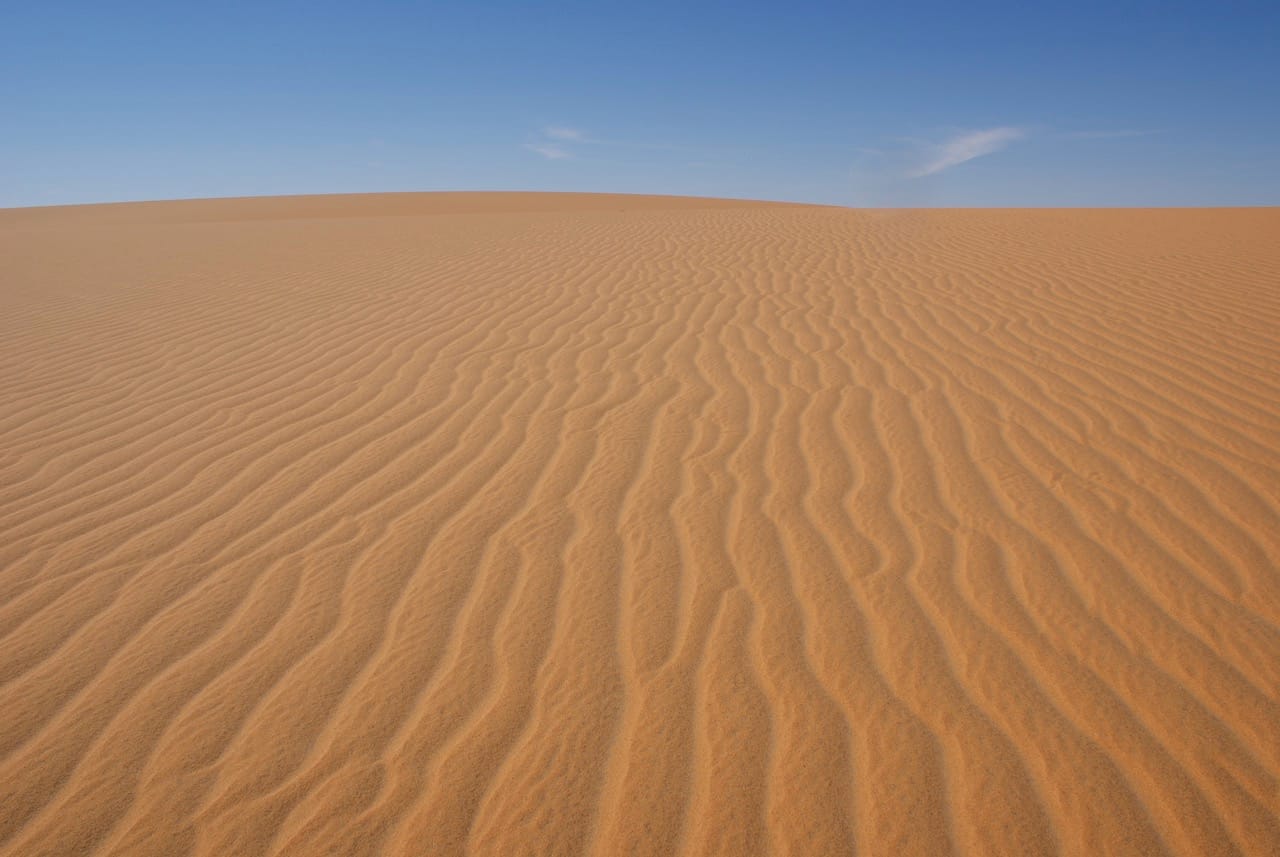
A Collector’s Guide to Earth’s Most Extraordinary Sands
Sand may seem ordinary underfoot, but in reality, no two sands on Earth are ever the same. Each grain carries the geological memory of its origin. Shaped by time, climate, volcanic forces, oceans, and ancient mountains.
At SaharaGems, sand is not just material. It is a natural archive of Earth’s history, collected grain by grain from some of the planet’s most remarkable locations.
Why Sand Is Never “Just Sand”
Sand forms through millions of years of erosion:
- Volcanoes produce dark, mineral-rich grains
- Coral reefs create pale, calcium-based sands
- Deserts shape ultra-fine quartz through wind erosion
- Rivers blend minerals from vast landscapes
This is why sand from Indonesia looks nothing like sand from the Sahara — and why collectors value its uniqueness.
Types of Sand from Around the World
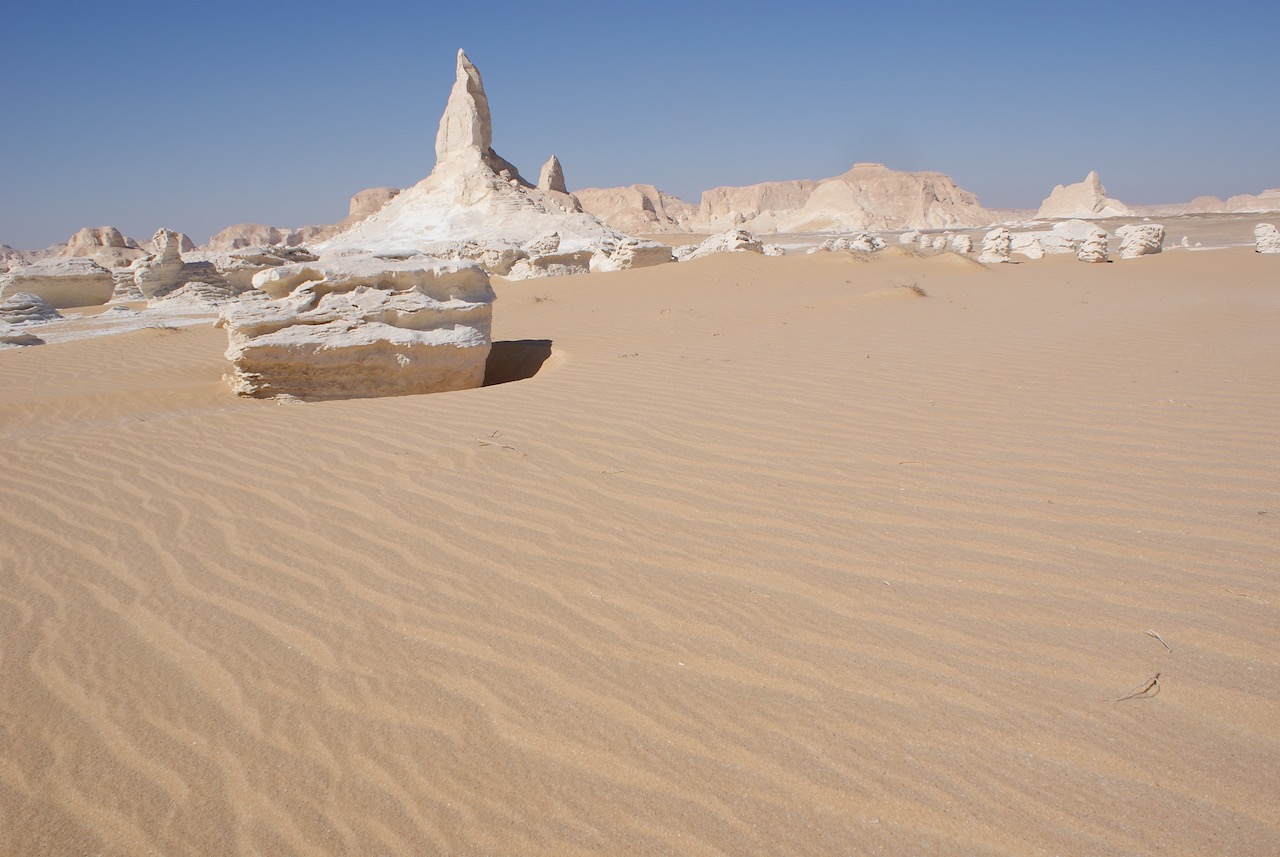
Desert Sands
Wind-shaped, fine grains, warm tones
Fine, smooth, and often golden, desert sands are shaped entirely by wind. Sahara and West Sahara sands are famous for their uniform grain size and warm hues.
-> Giza Pyramid Sand on Etsy
-> Abu Dhabi Sand on Etsy
-> Atacama Desert Sand on Etsy
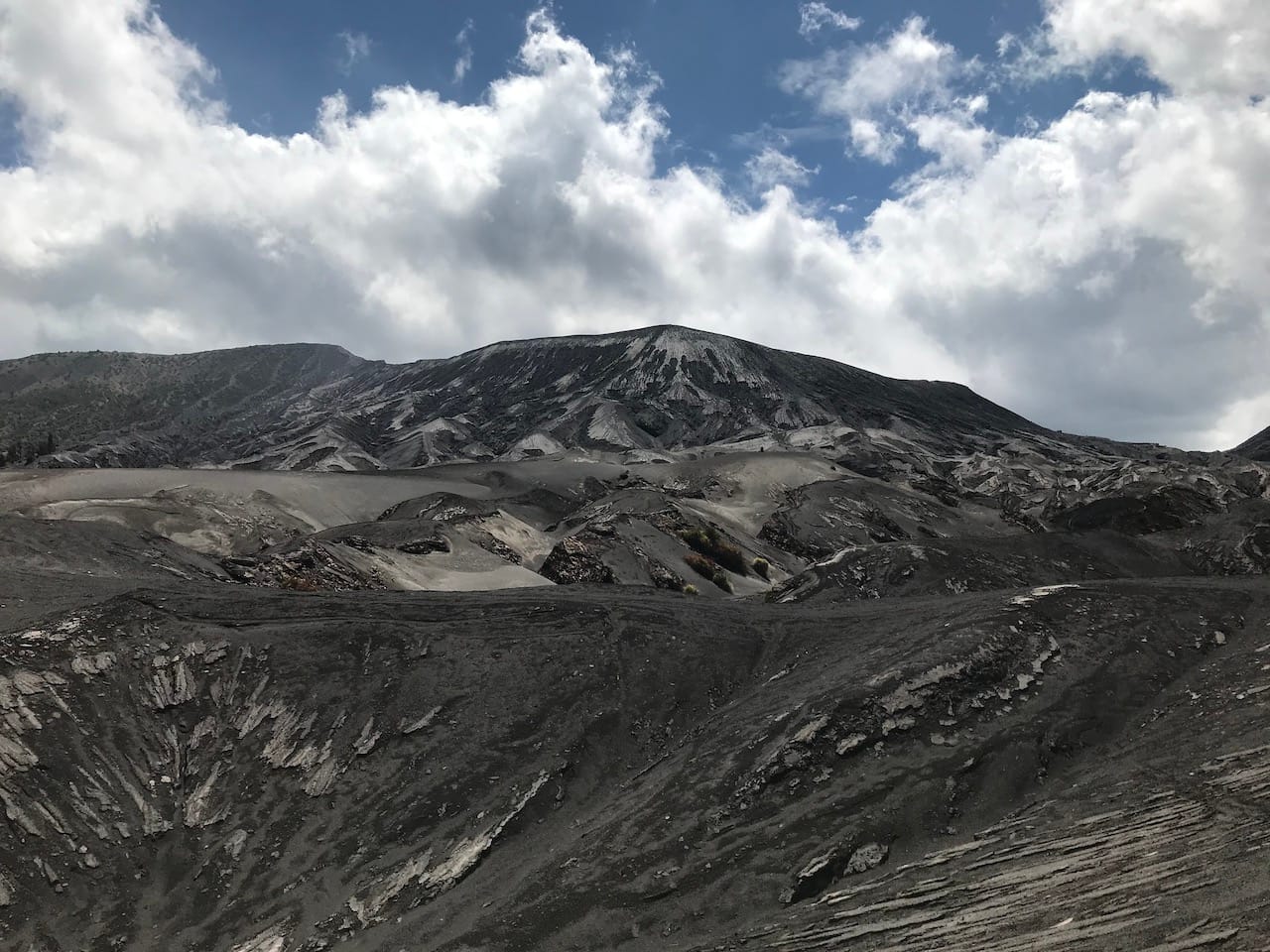
Volcanic Sands
Dark, mineral-rich, formed by lava and ash
Found near active and ancient volcanoes, volcanic sands are dark, magnetic, and rich in basalt. Indonesia’s volcanic beaches are among the most visually striking on Earth.

Beach & Island Sands
Ocean-shaped, mixed minerals, coral fragments
From Fiji to Komodo Island, beach sands reflect marine life, coral fragments, and volcanic activity — creating pink, cream, or multi-toned grains
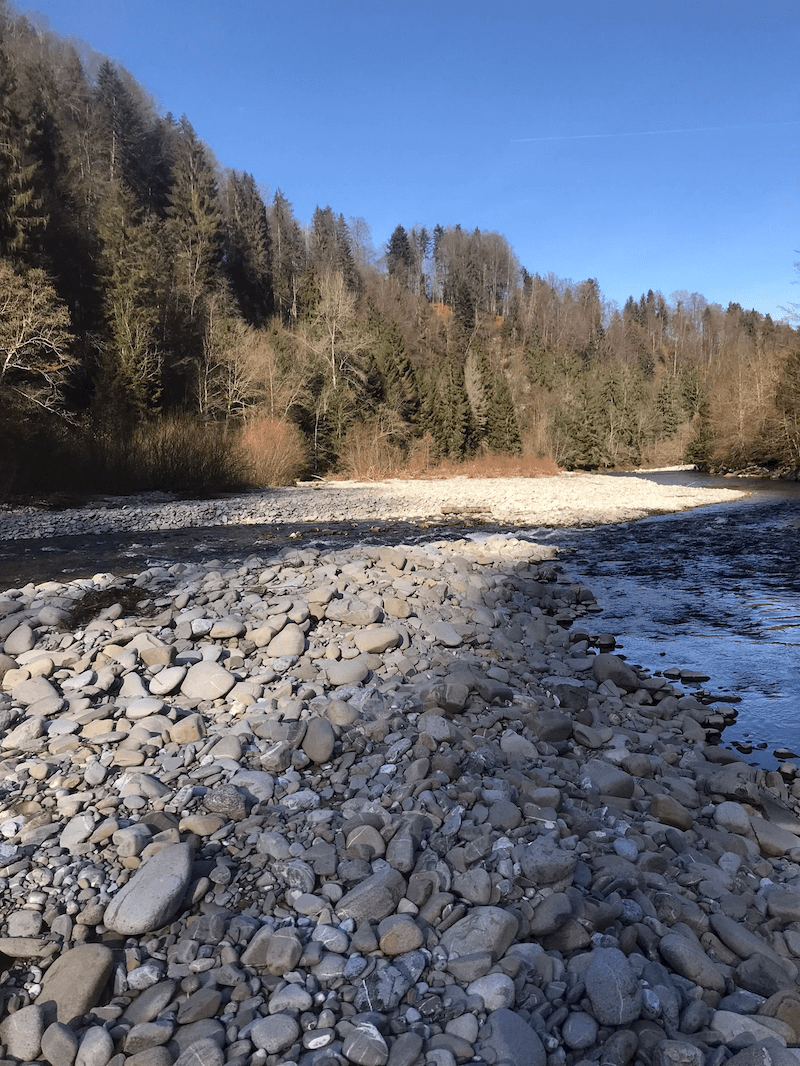
Unique Geological Sands
Not desert, not beach, not volcanic
Sands sourced from high-altitude regions or glacial runoff contain sharp, angular minerals shaped by ice rather than wind or water.
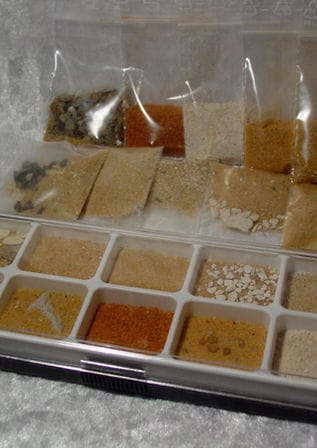
Why People Collect Sand?
Sand Collections appeal to:
- Geological and earth science enthusiasts
- Educators and students
- Travelers preserving memories
- Interior decorators and artists
- Spiritual and grounding practitioners
A vial of sand is a physical piece of Earth, untouched by time once collected.
Ethical & Responsible Collecting
At SaharaGems:
- Sands are collected responsibly and in small quantities
- No protected environments are disturbed
- Each sample is cleaned, labeled, and preserved with care
This ensures sustainability while honoring the landscape it comes from.
Preserving Earth, One Grain at a Time
Holding a vial of sand is holding millions of years of planetary history in your hand. From deserts and volcanoes to oceans and mountains, each grain tells a silent story of Earth’s evolution.
Explore our curated sand collections and begin your journey as a global sand collector