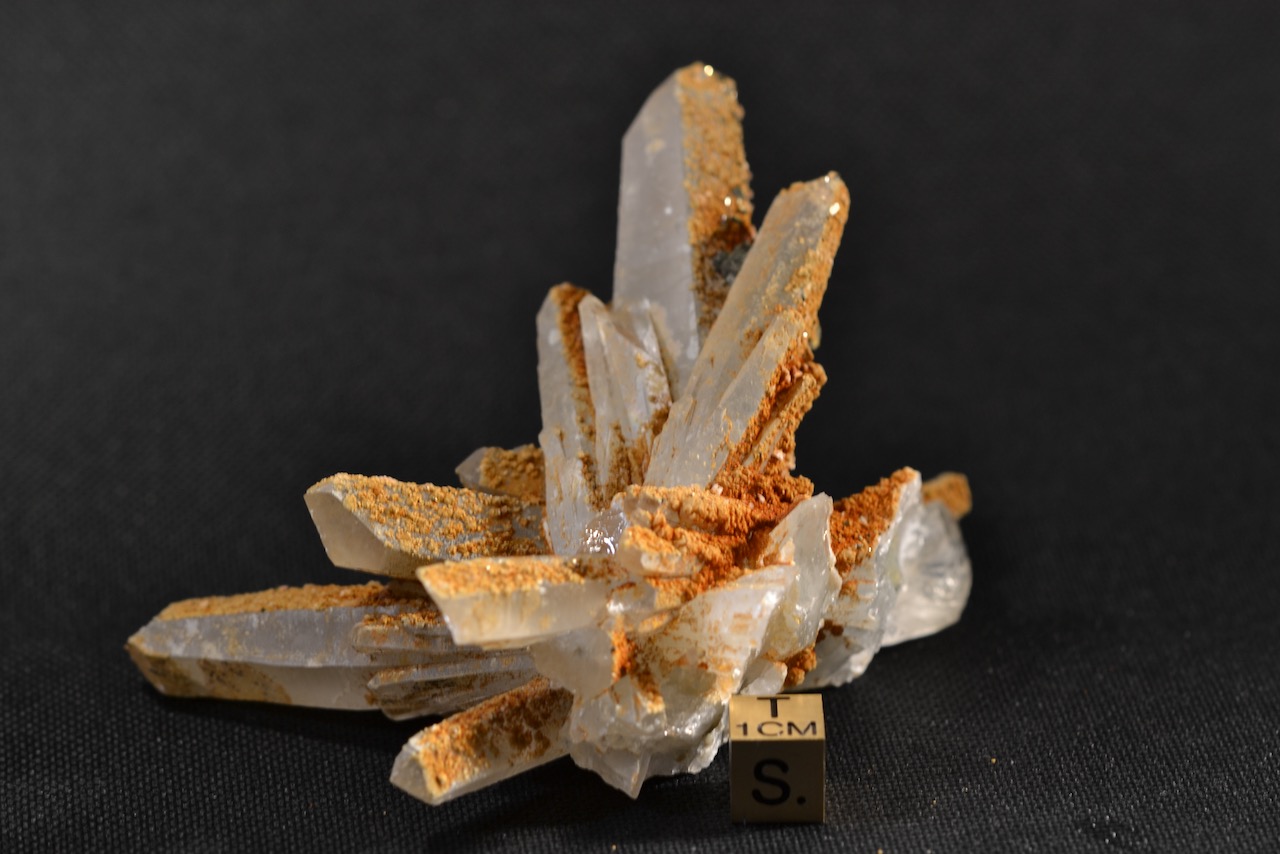
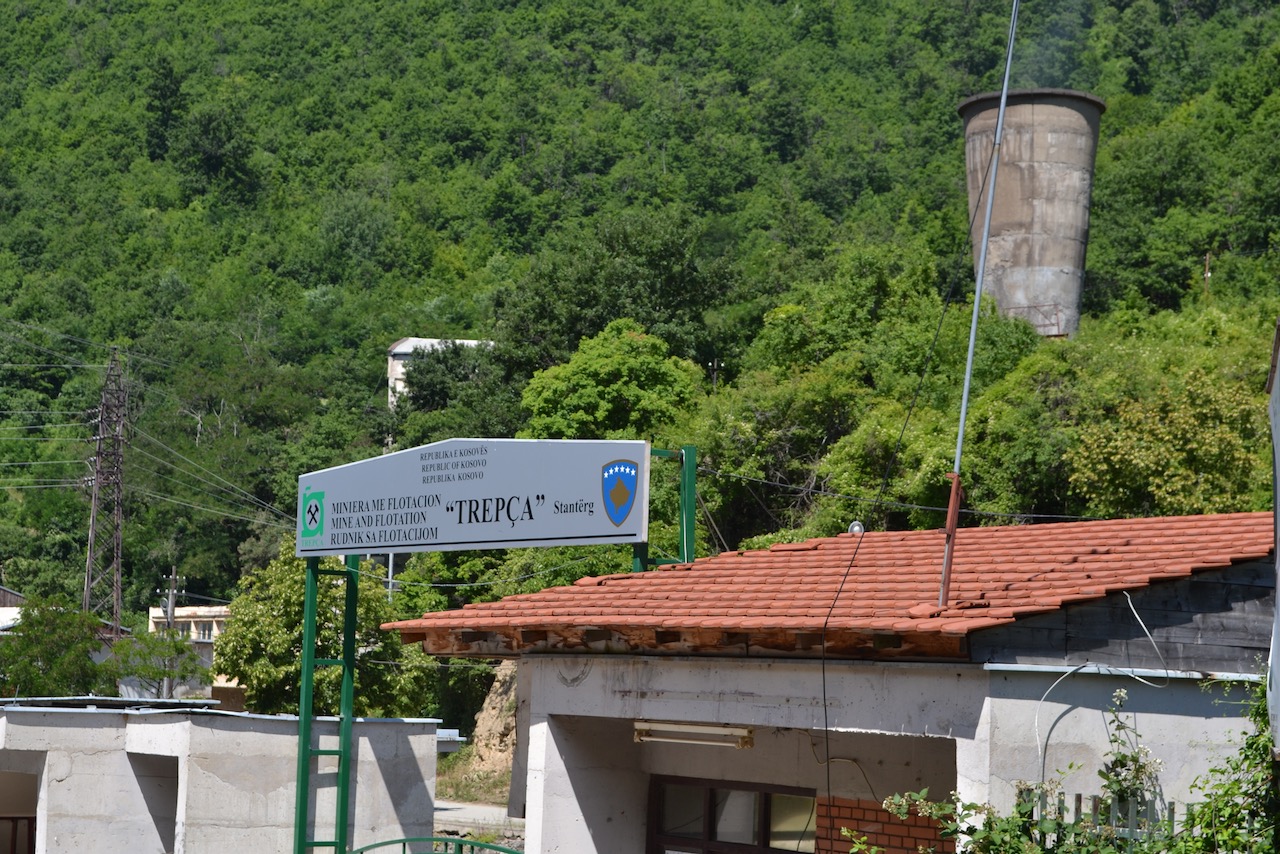
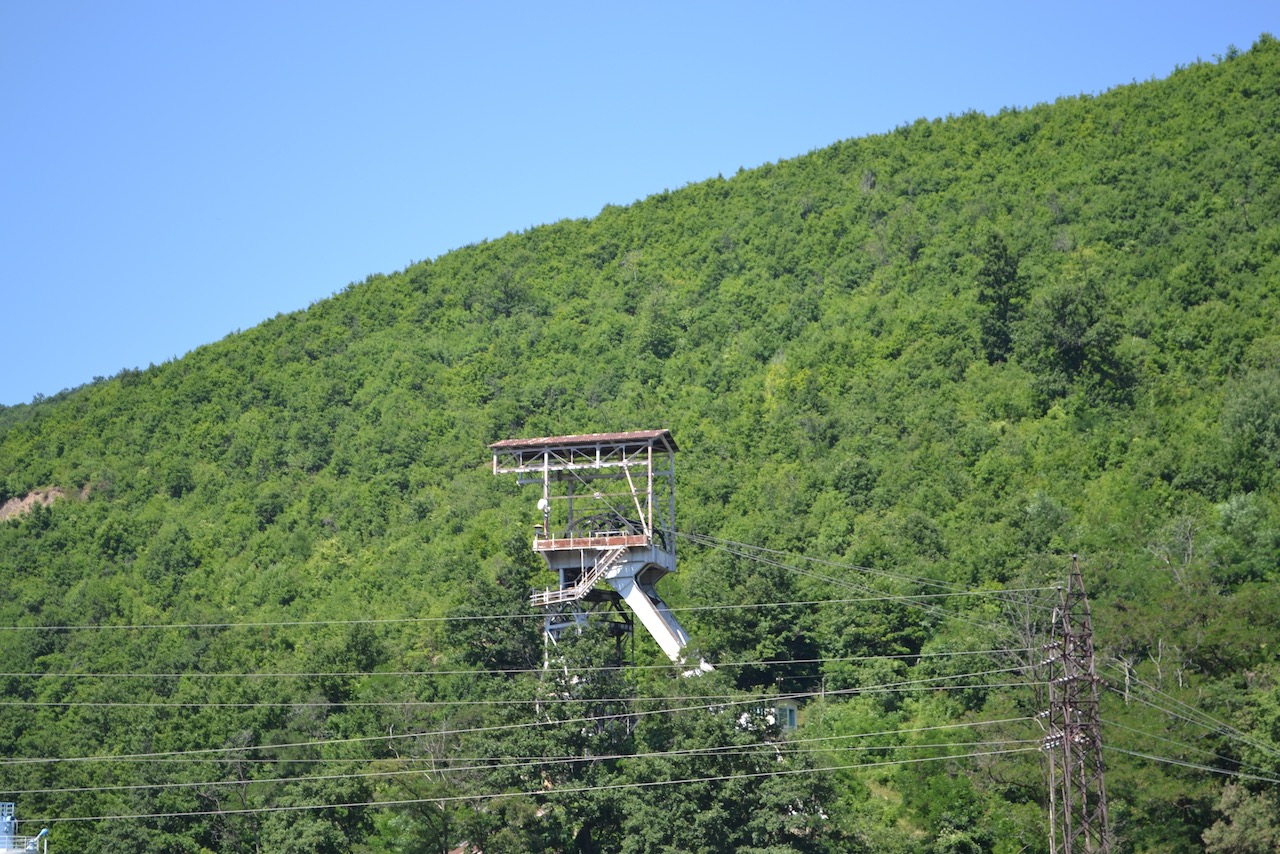
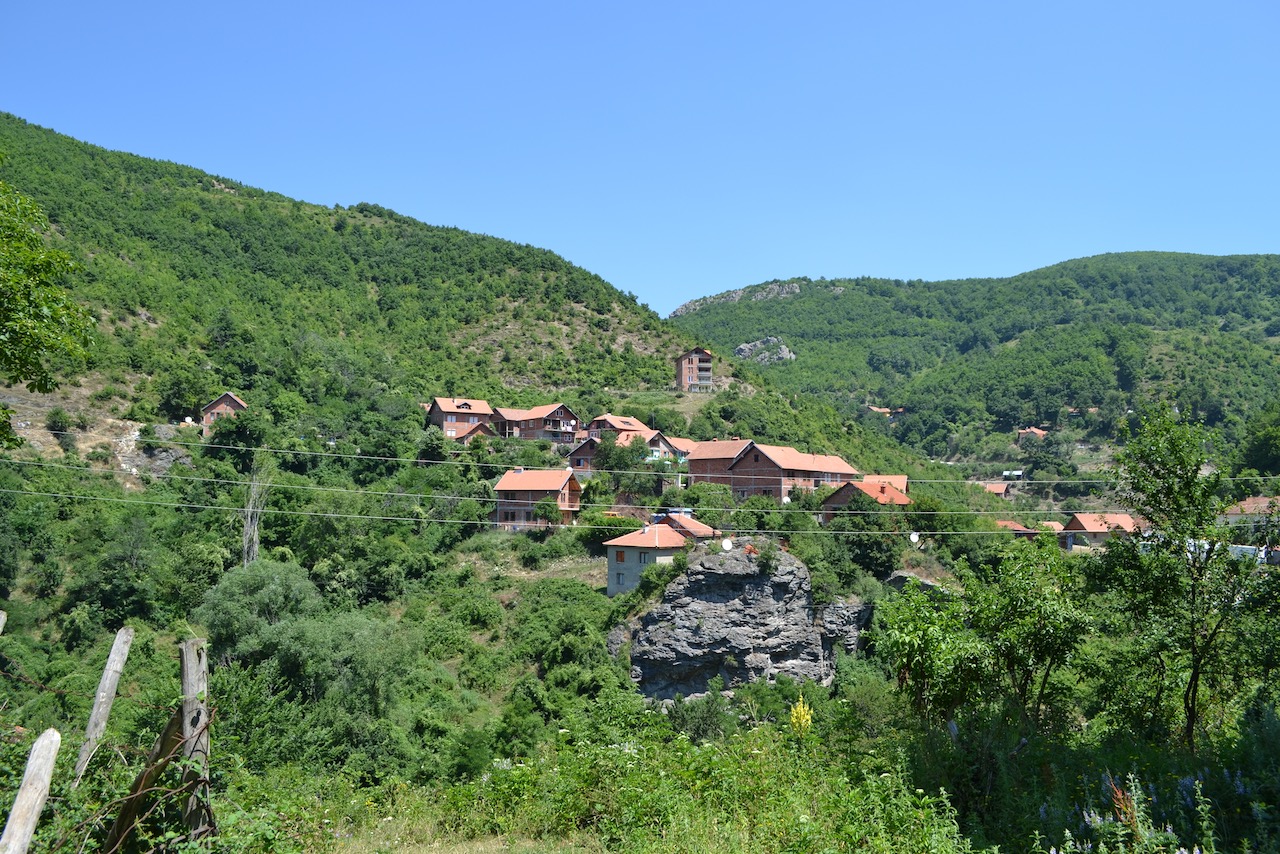
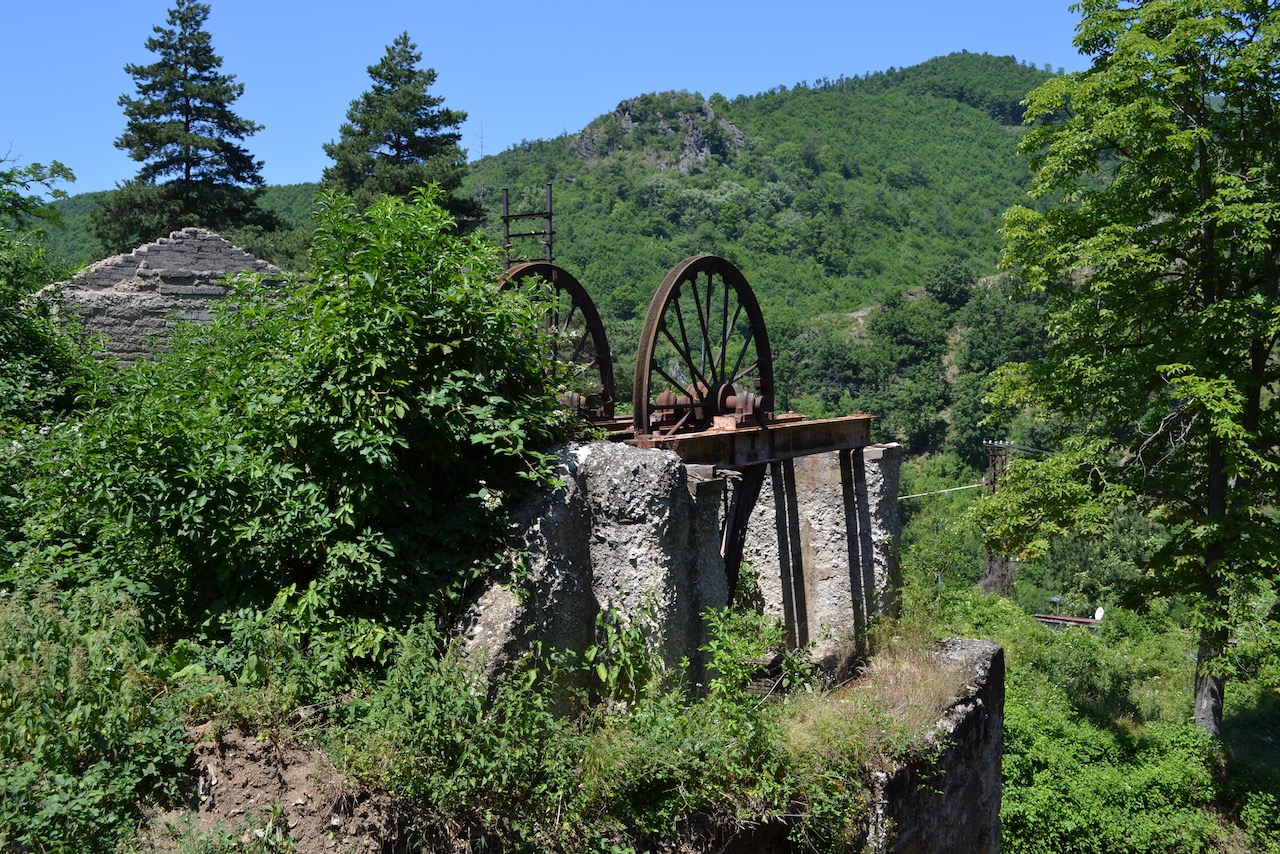
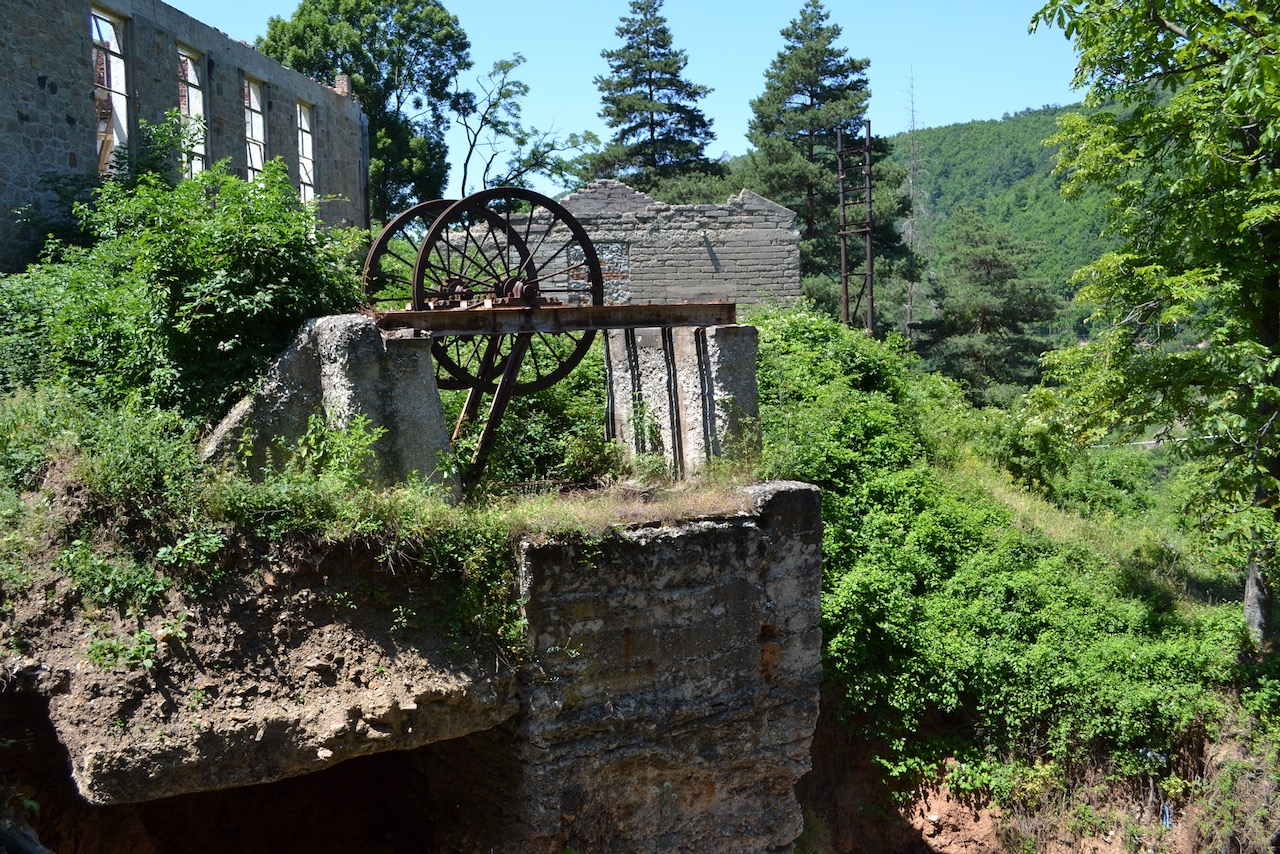
Between 2011 and 2014, I had the privilege of living and working in Pristina, Kosovo, a time that opened many doors to explore the fascinating world of Balkan minerals. One of the most unforgettable chapters of that journey was my repeated visits to the Trepča Mine — a legendary site in Mitrovica, North Kosovo, and one of Europe’s most historically important mining complexes.
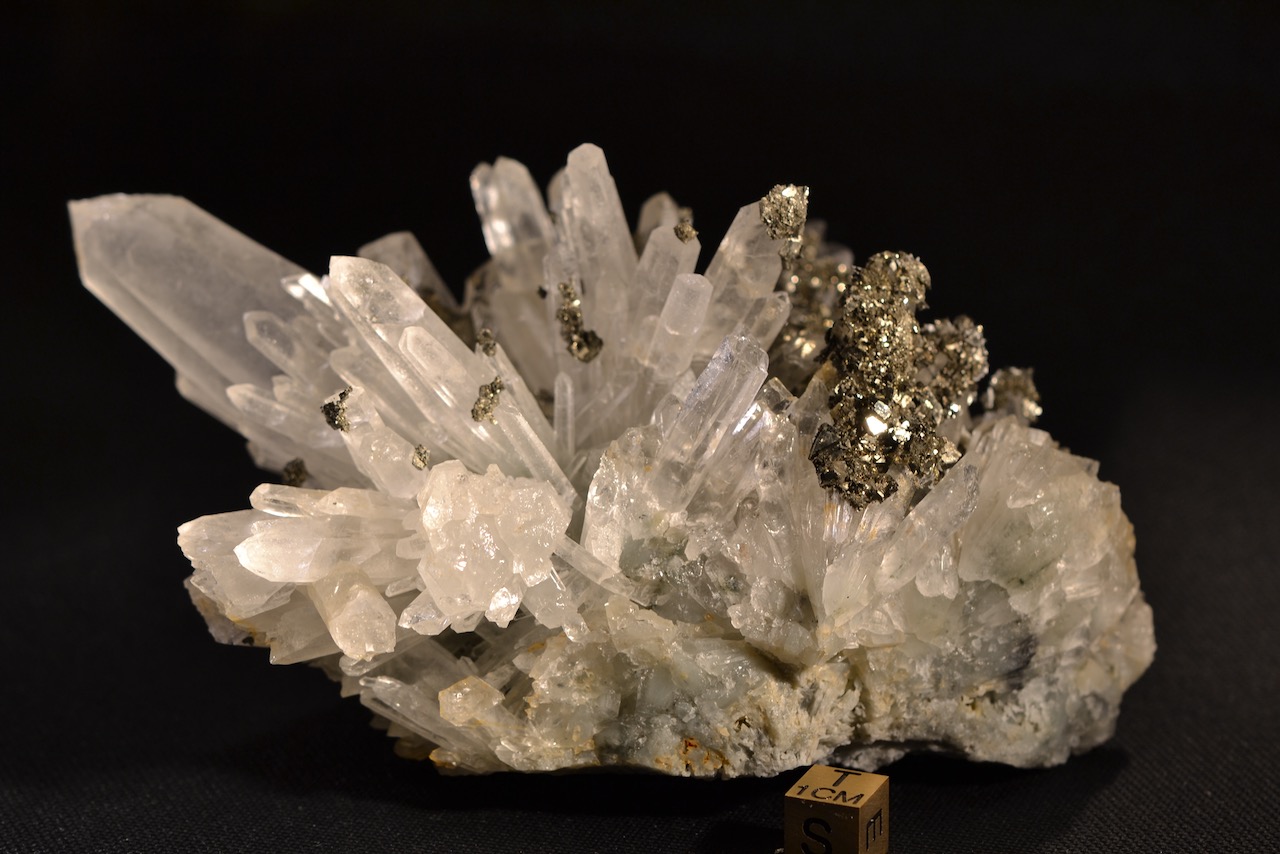
A Mine with a Century of History
The Trepča mining complex has been known for centuries. Traces of ancient mining activity date back to the Roman Empire, but it was during the 20th century that Trepča rose to international prominence. Rich in lead, zinc, silver, and a variety of secondary minerals, it became one of the largest mining operations in the Balkans — and even in Europe.
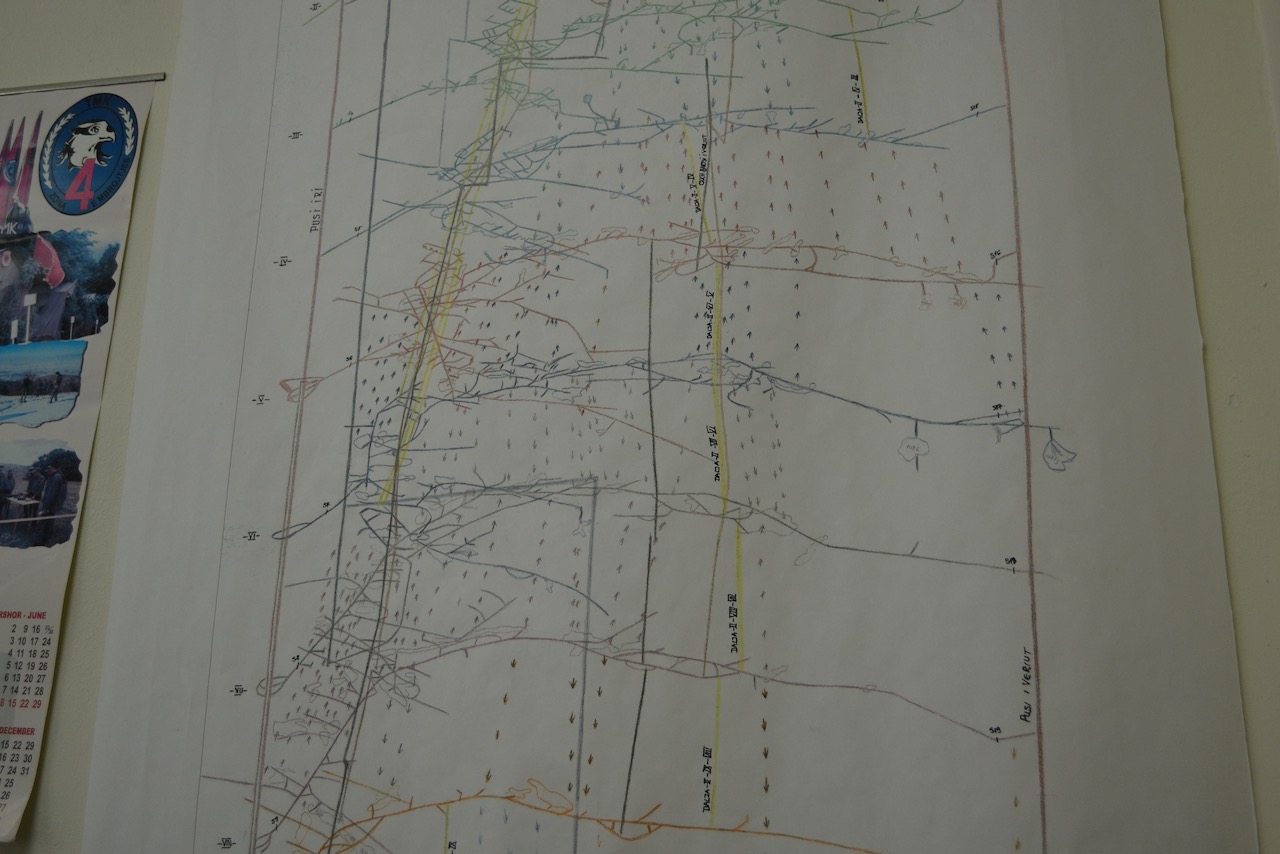
Under Yugoslav administration, Trepča was a symbol of industrial power and prosperity. The mines were vast — stretching deep beneath the Sharr Mountains — and their output fueled both local economies and export markets. After the conflicts of the 1990s, the mine’s operations became divided between north and south, but its geological importance and mineral beauty have never faded.
Exploring Trepča Firsthand (2011–2014)
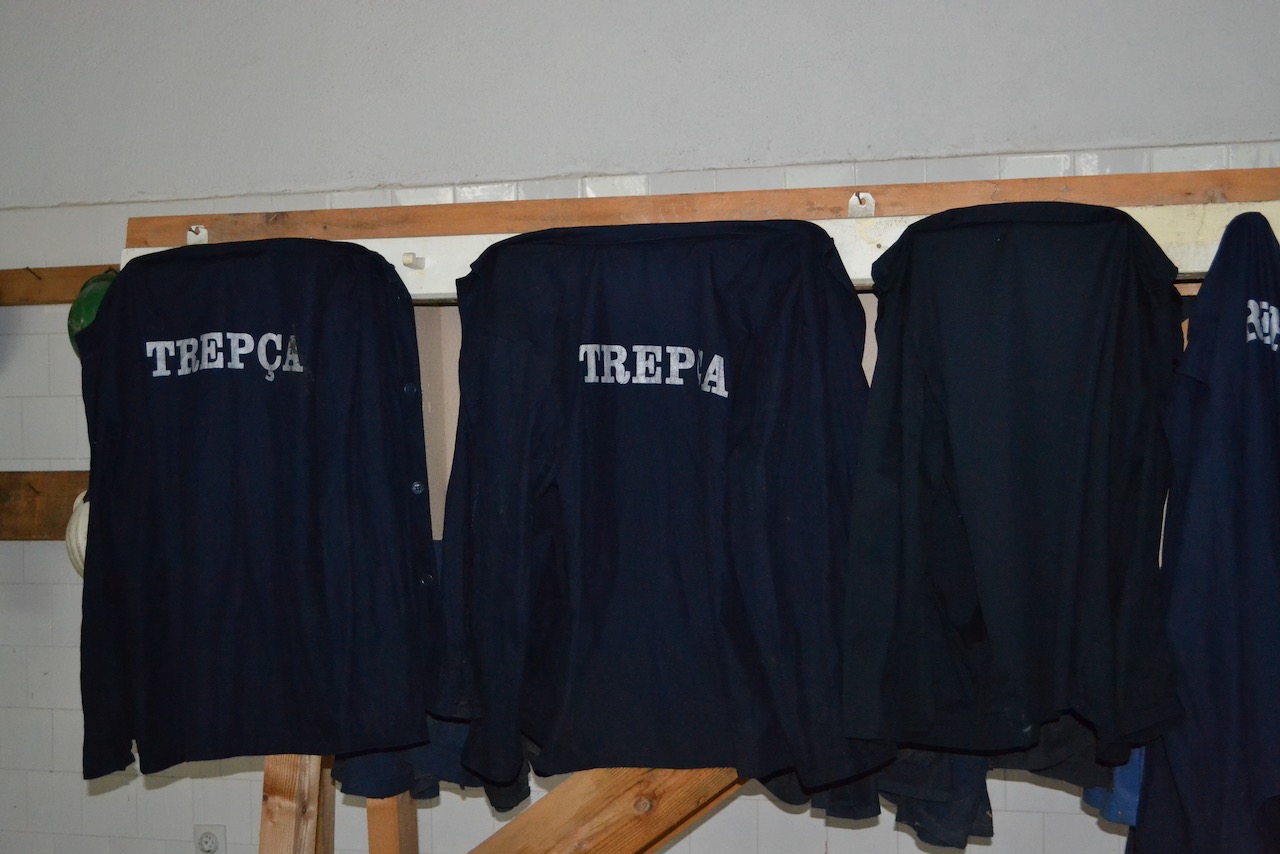
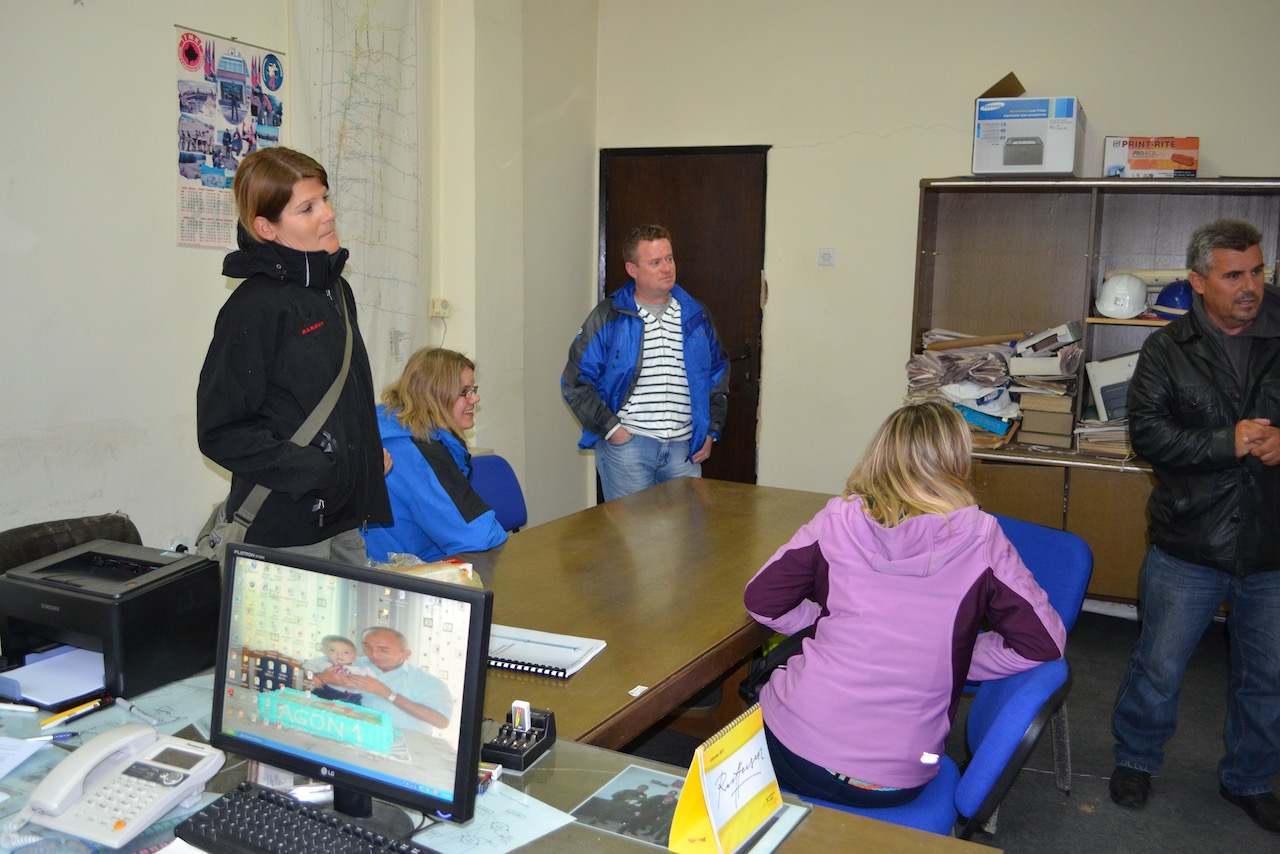
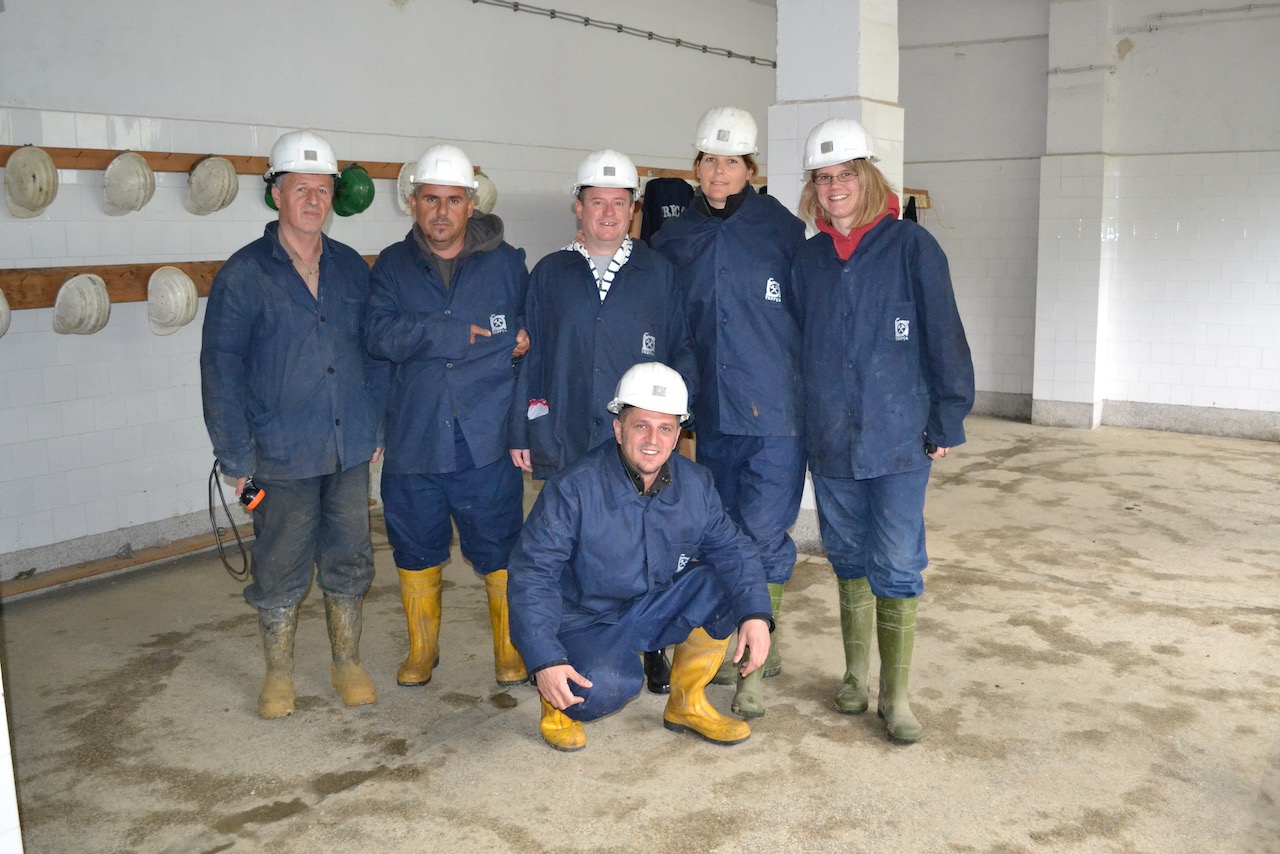
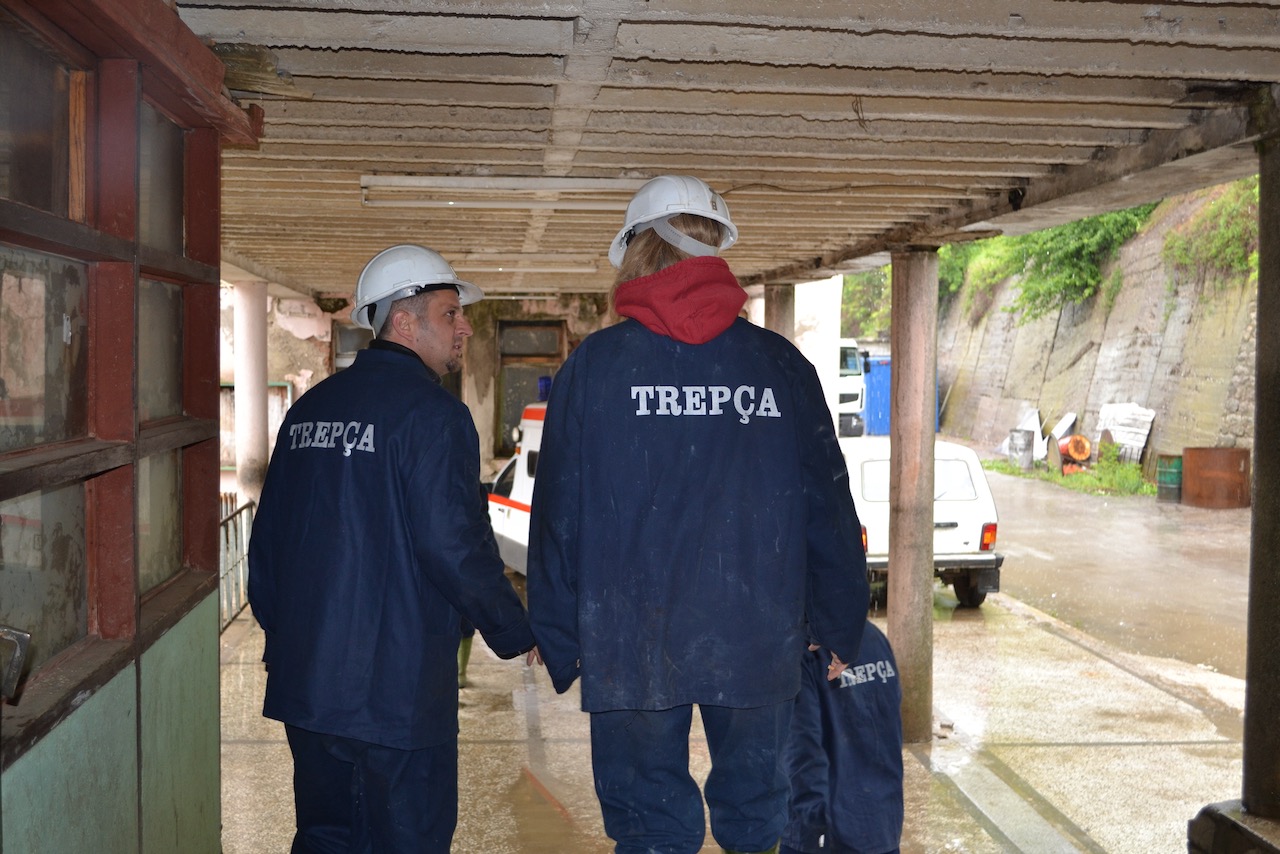
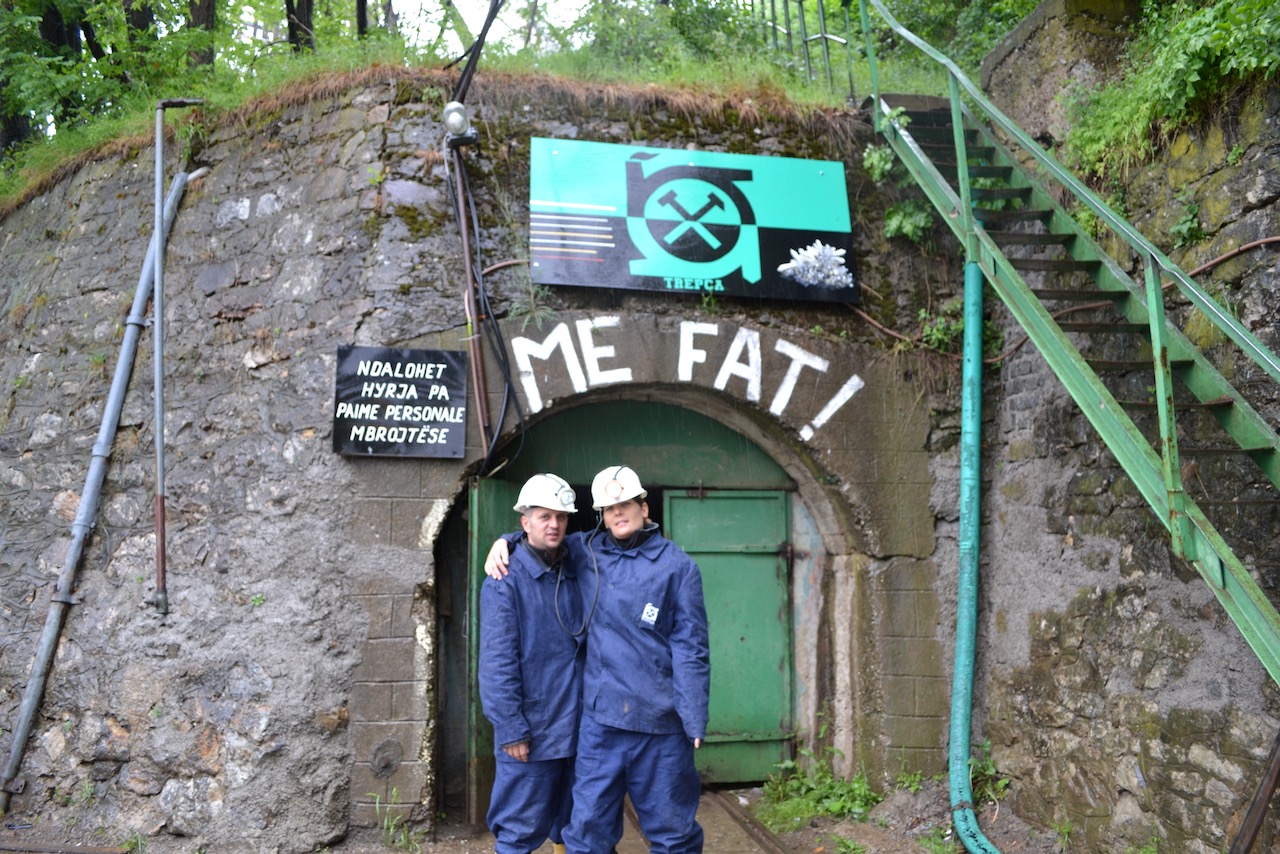
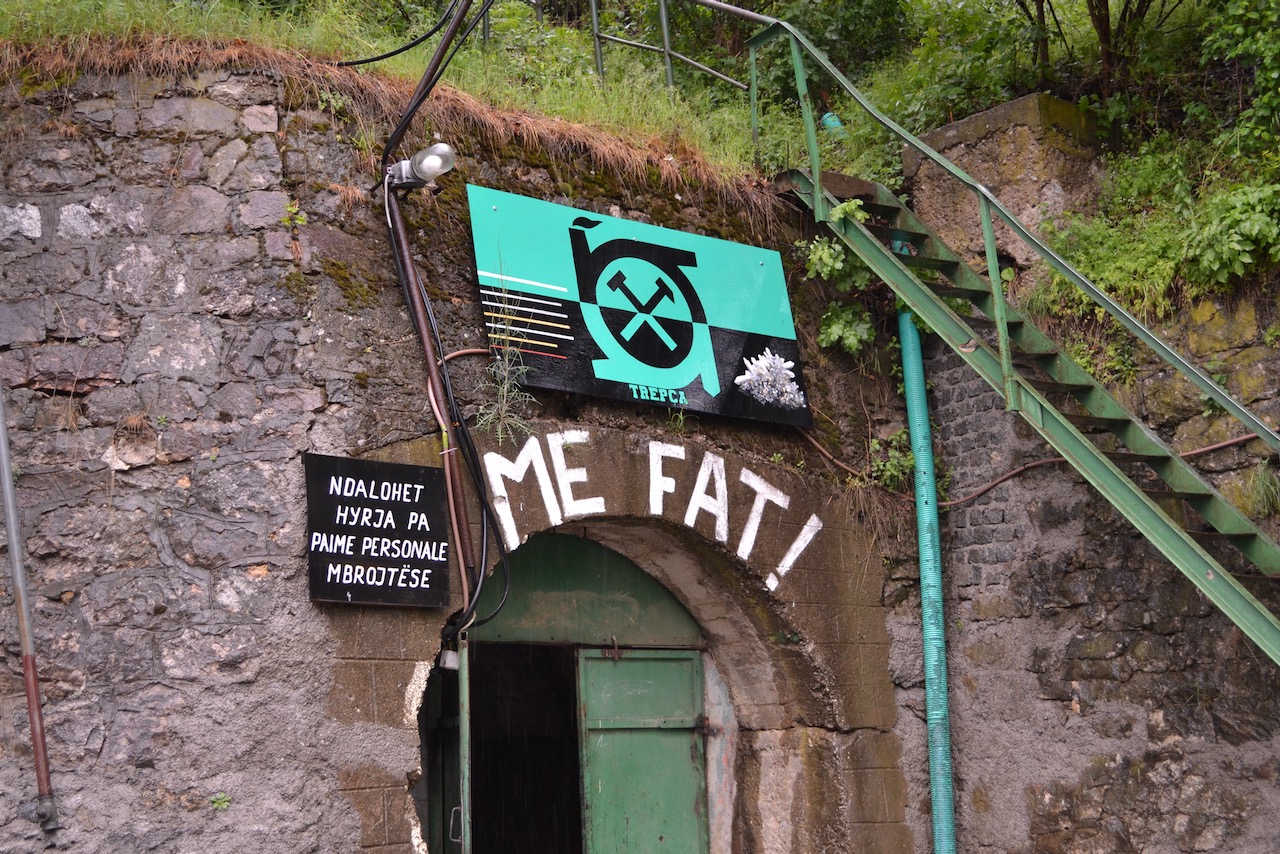
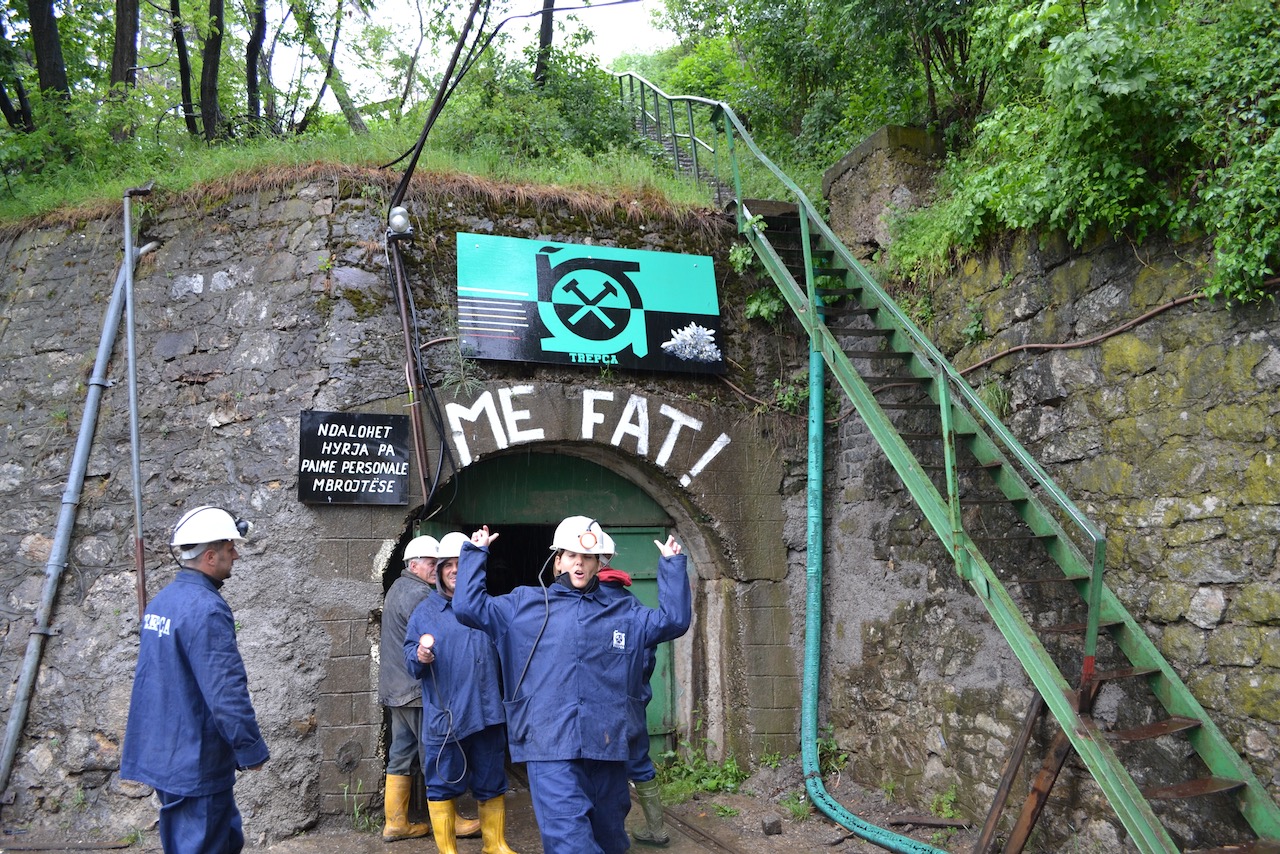
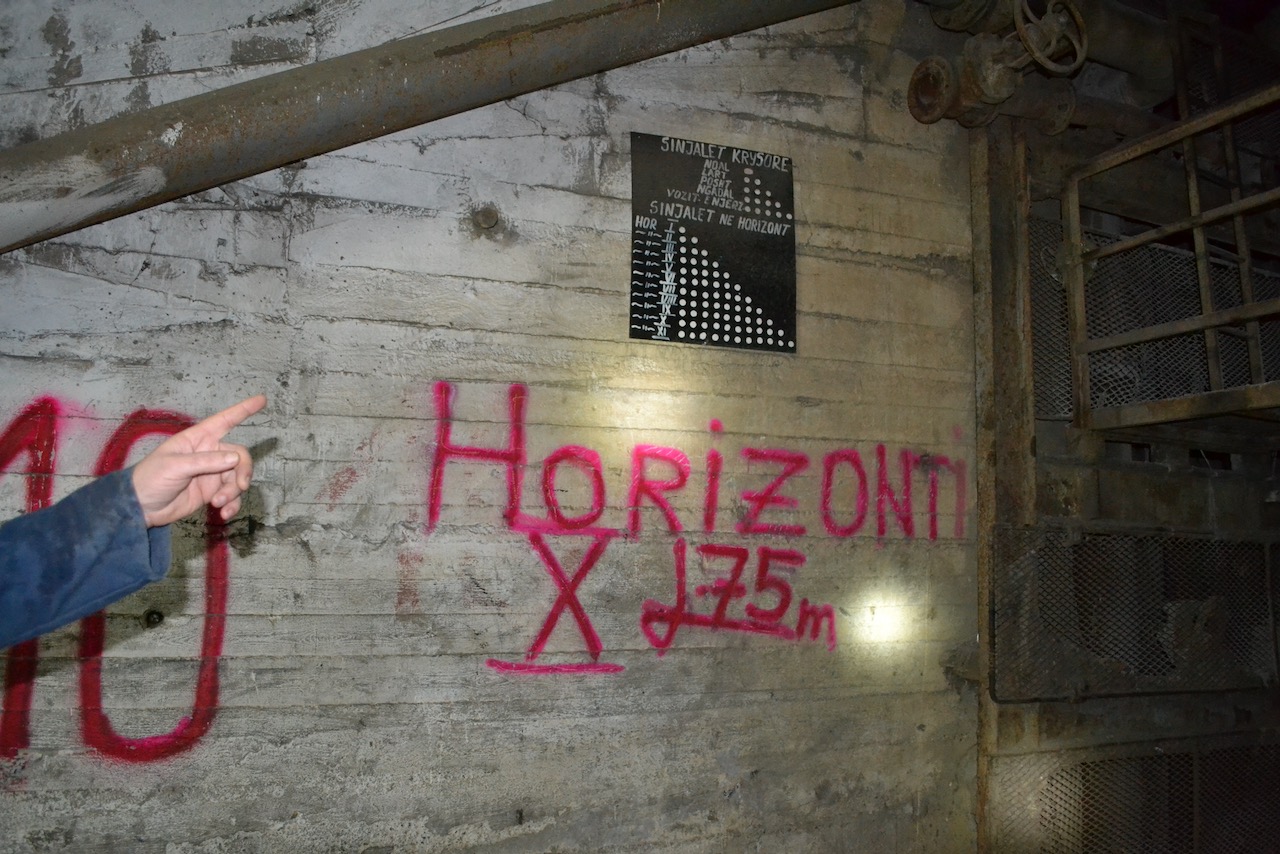
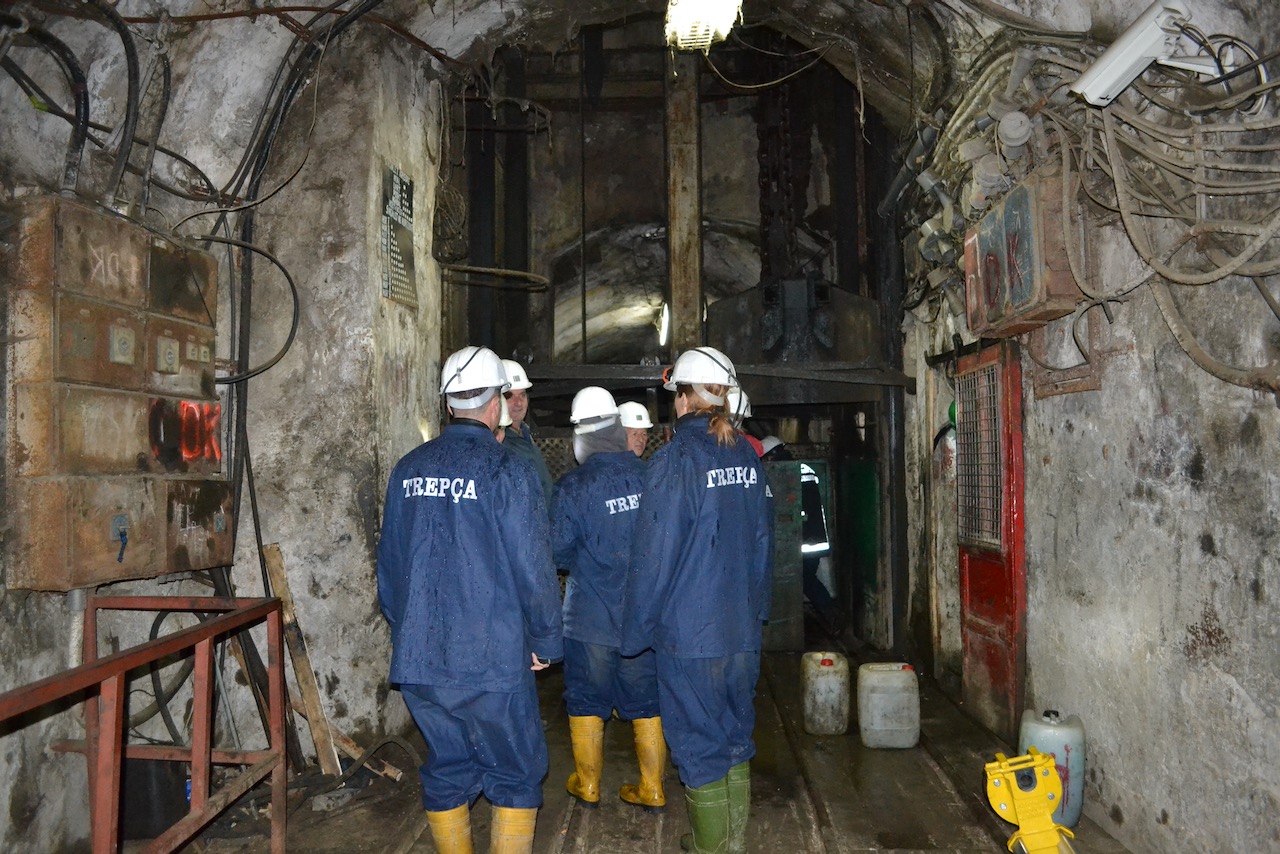
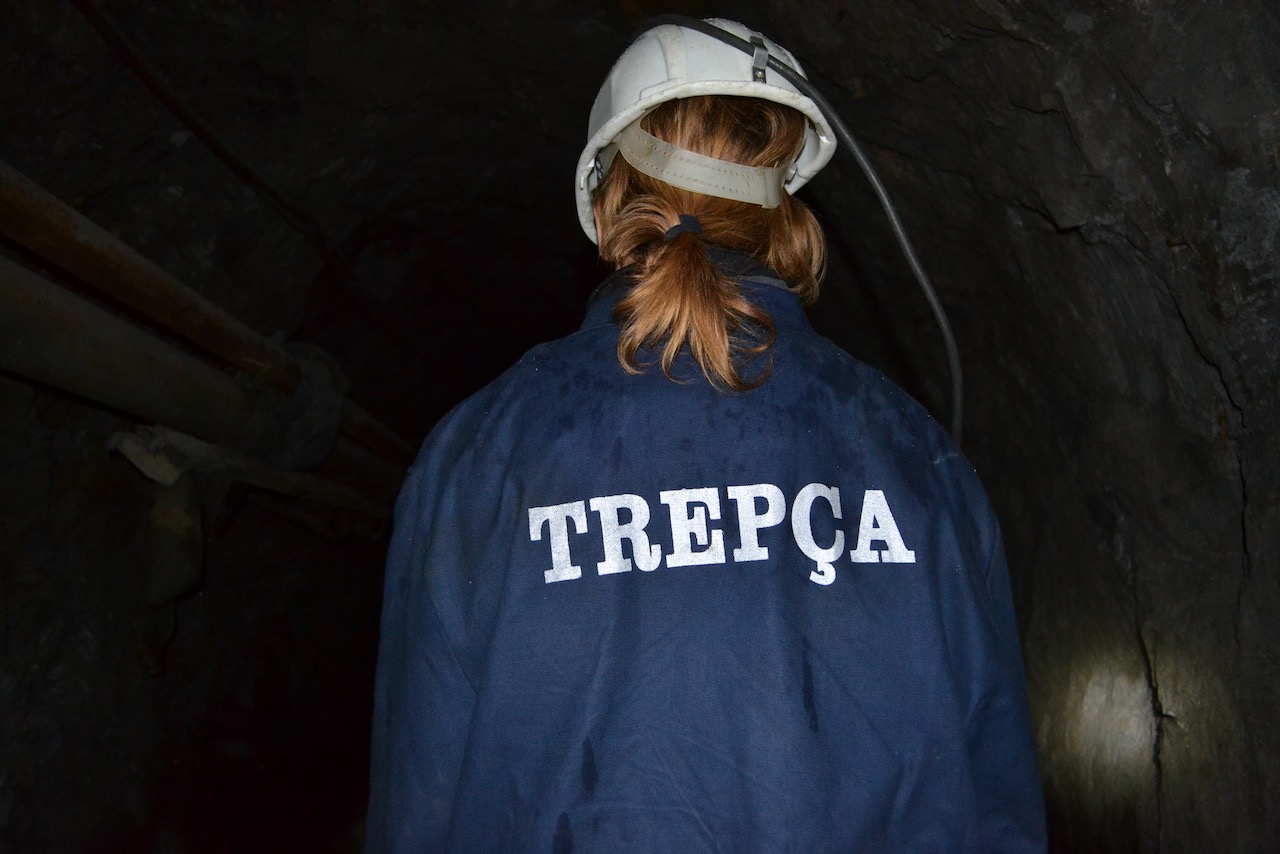
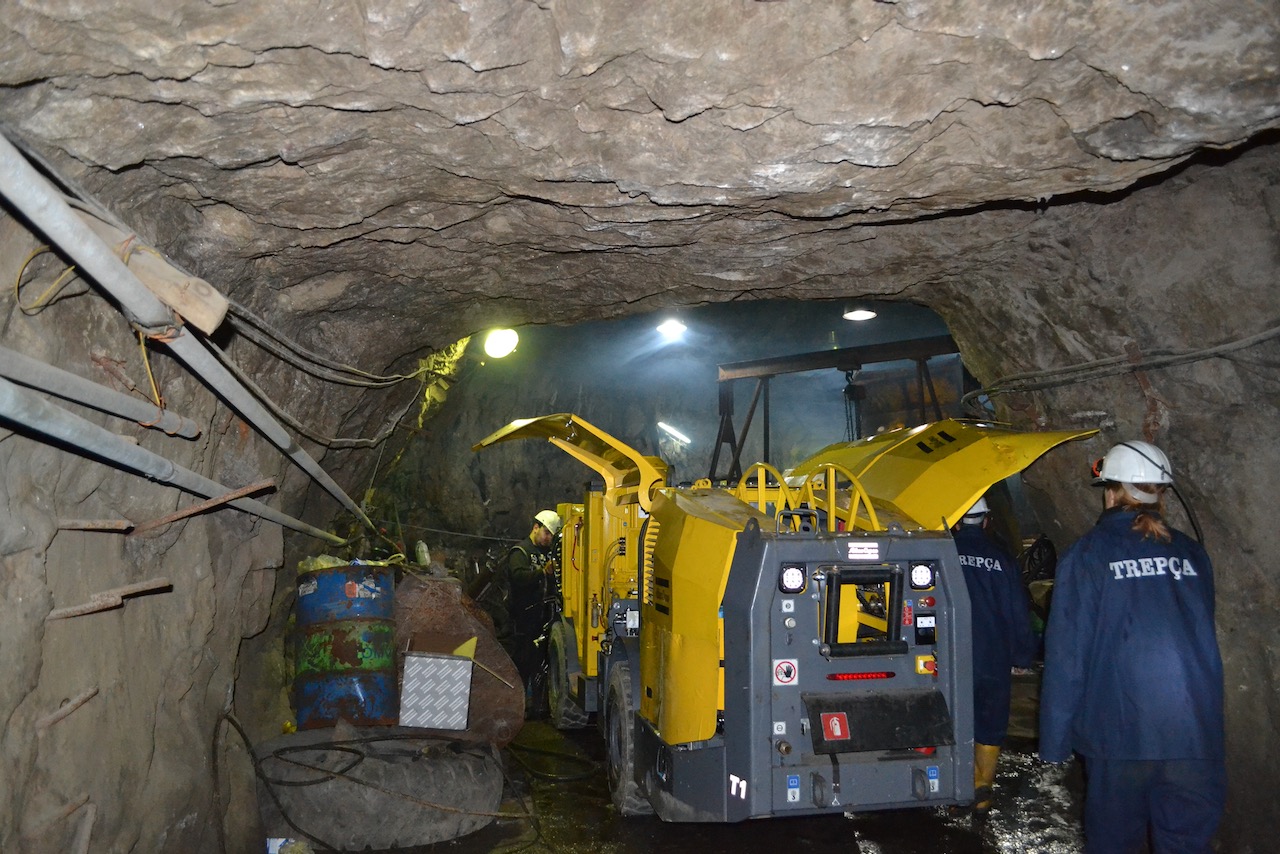
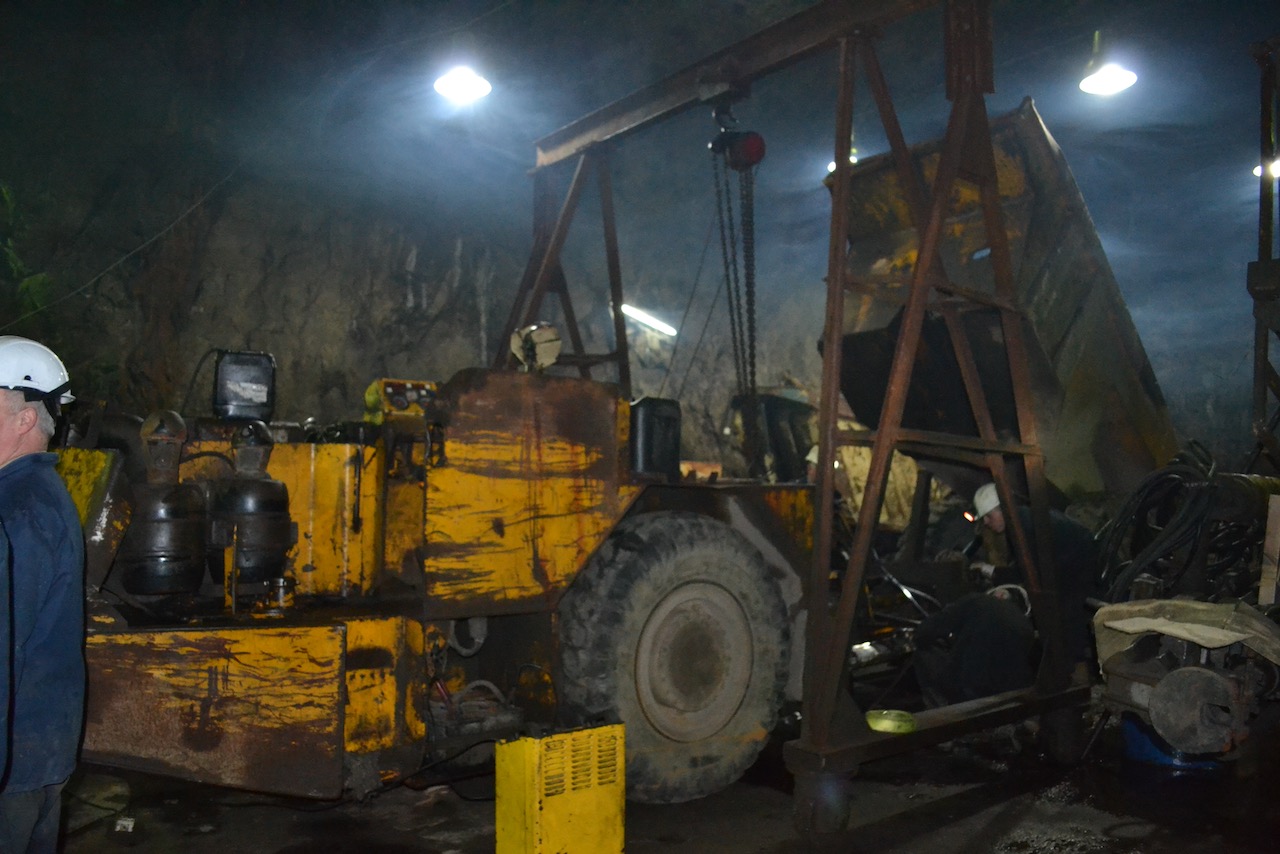
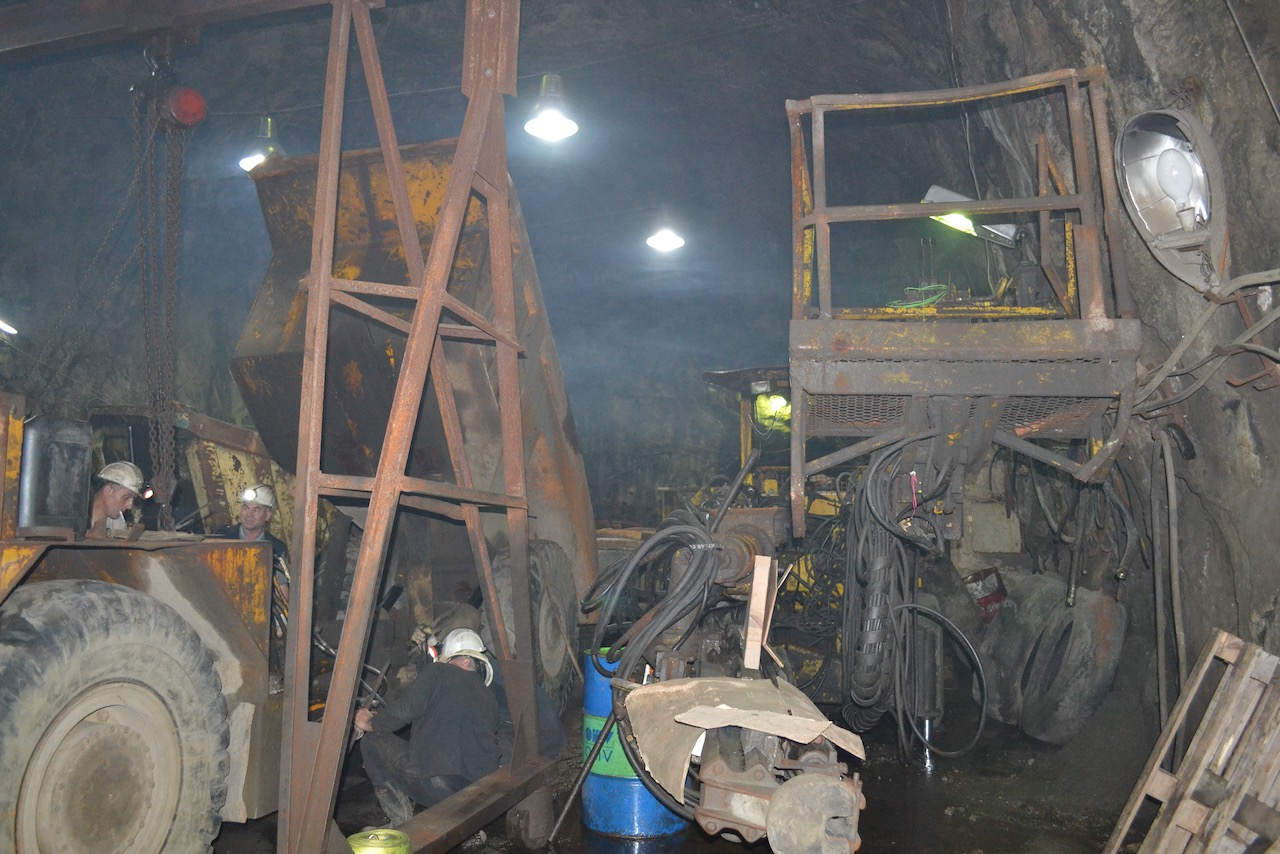
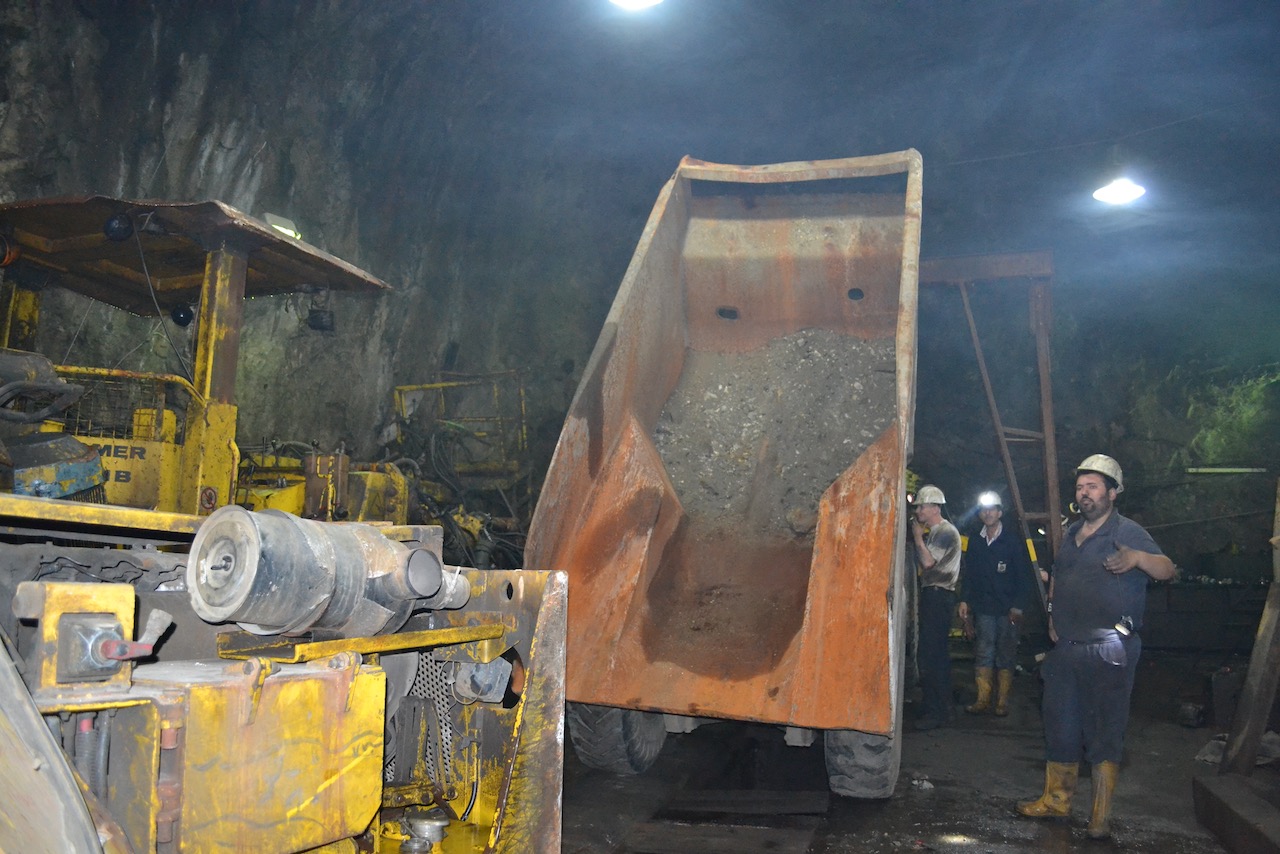
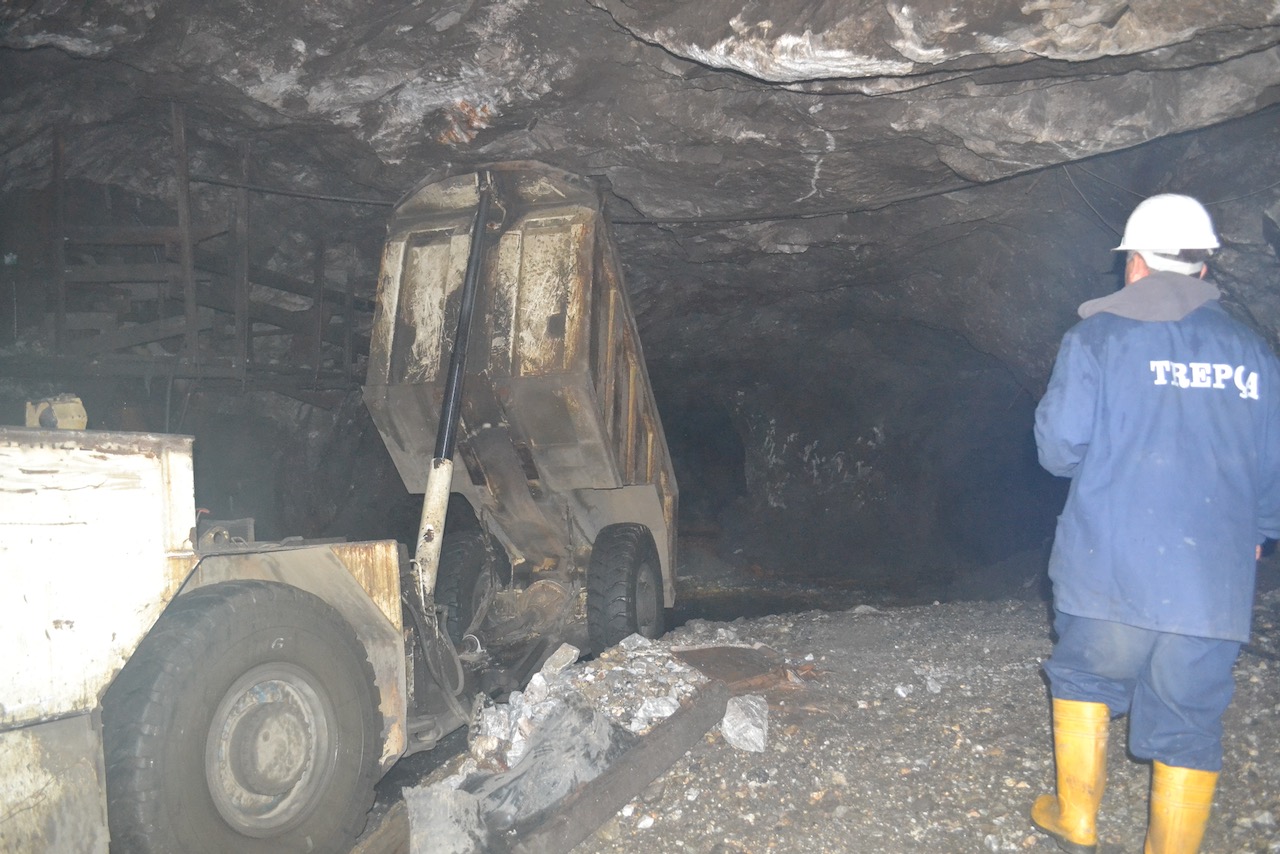
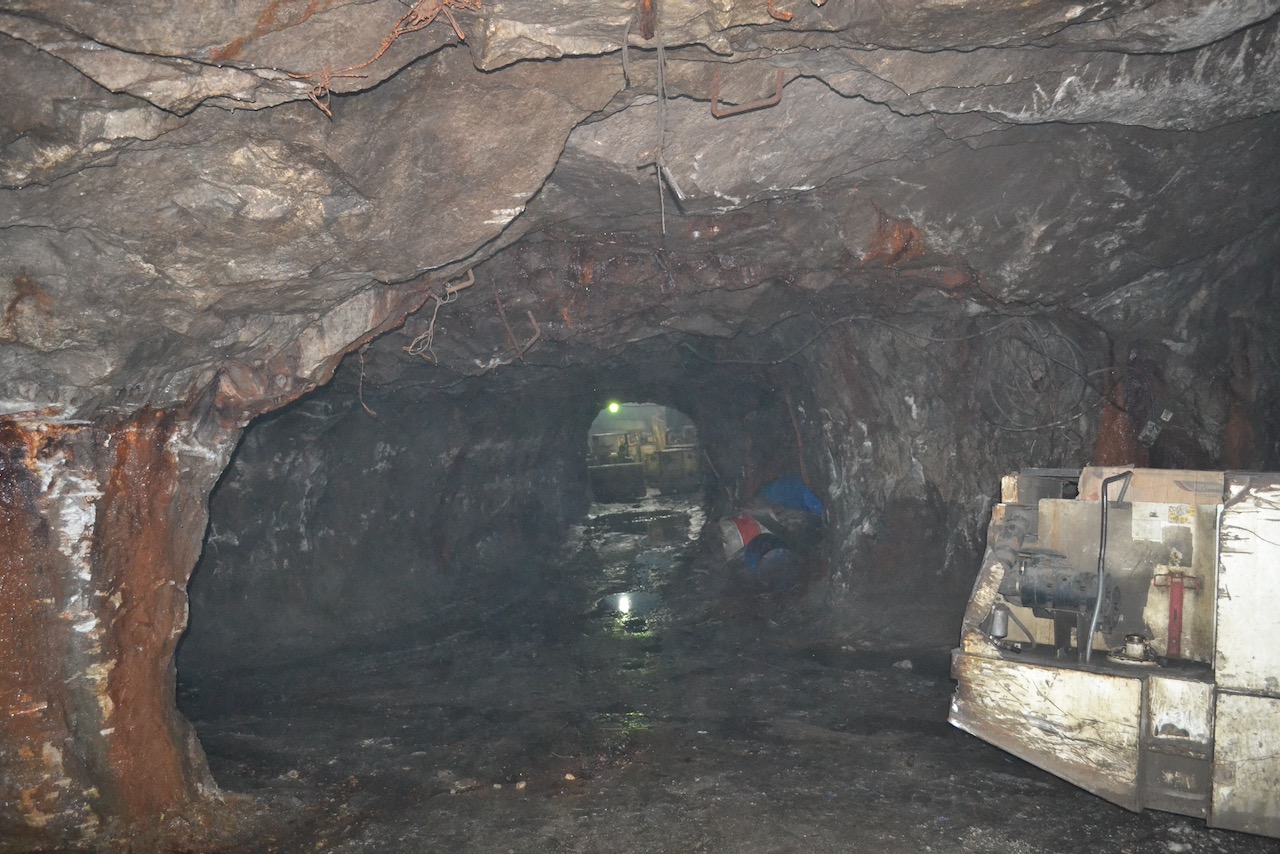
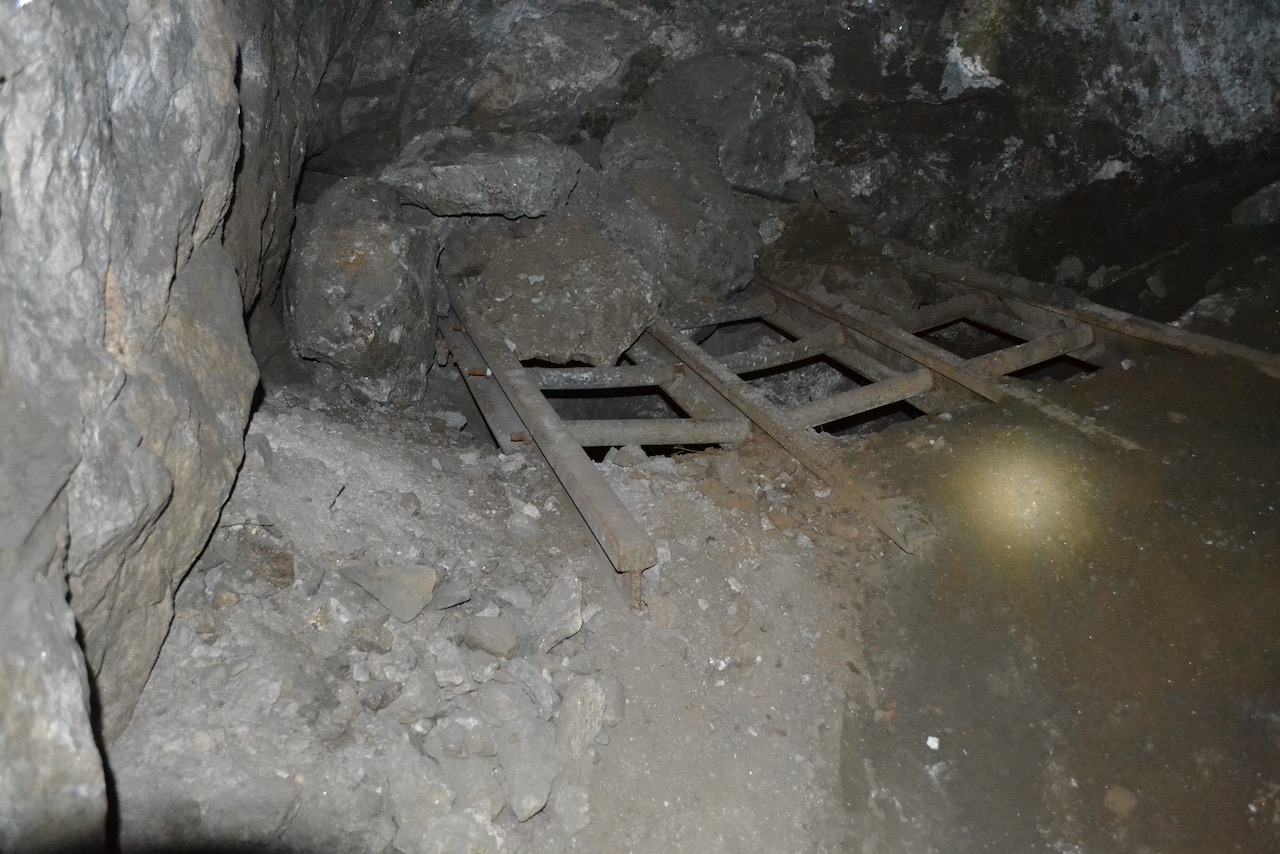
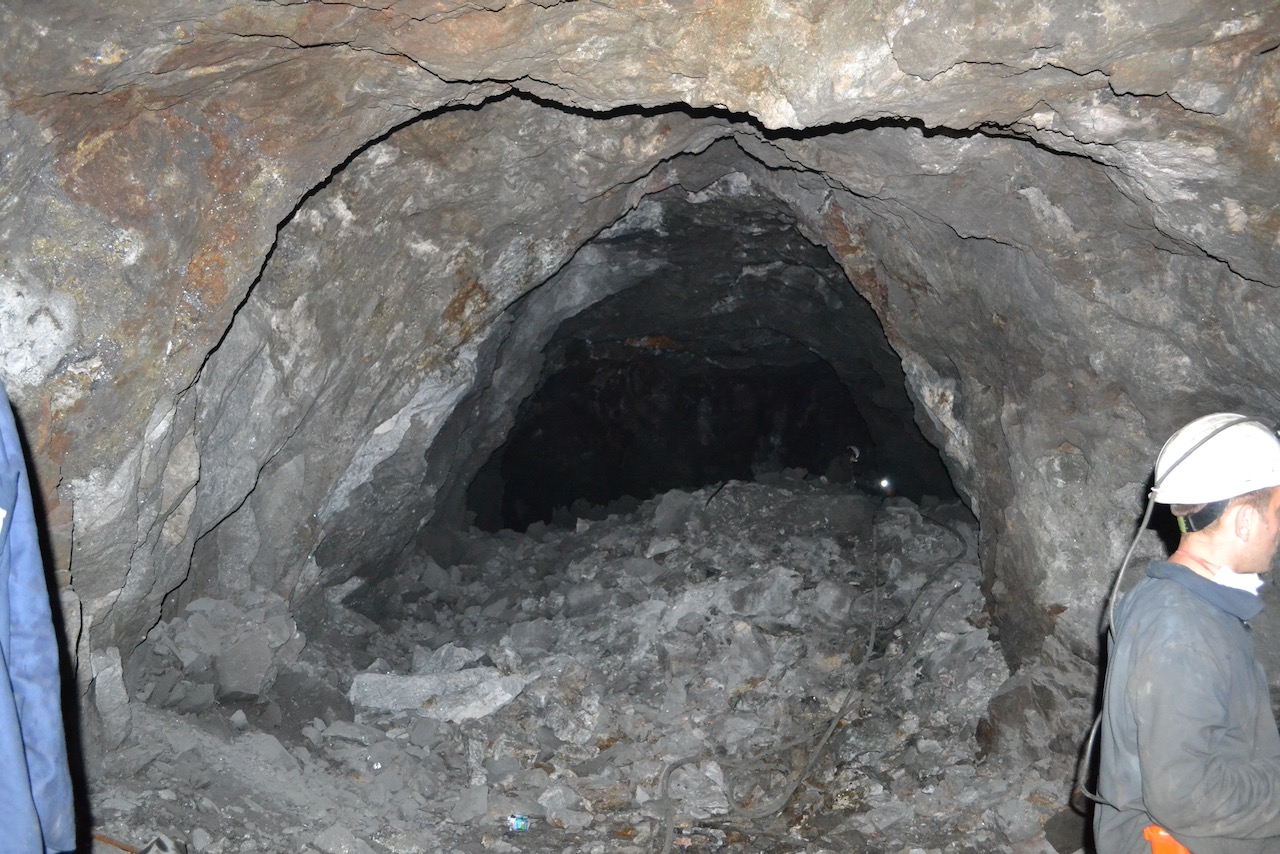
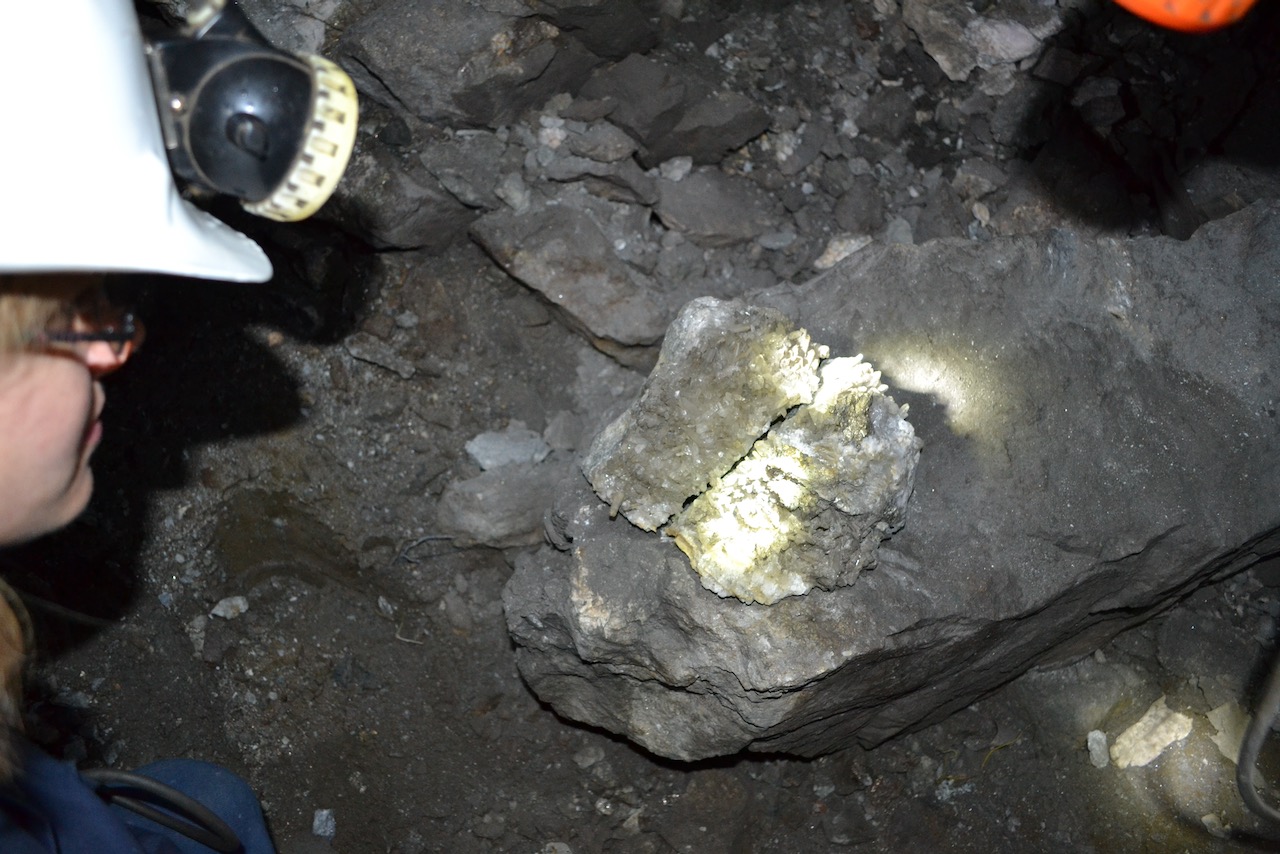
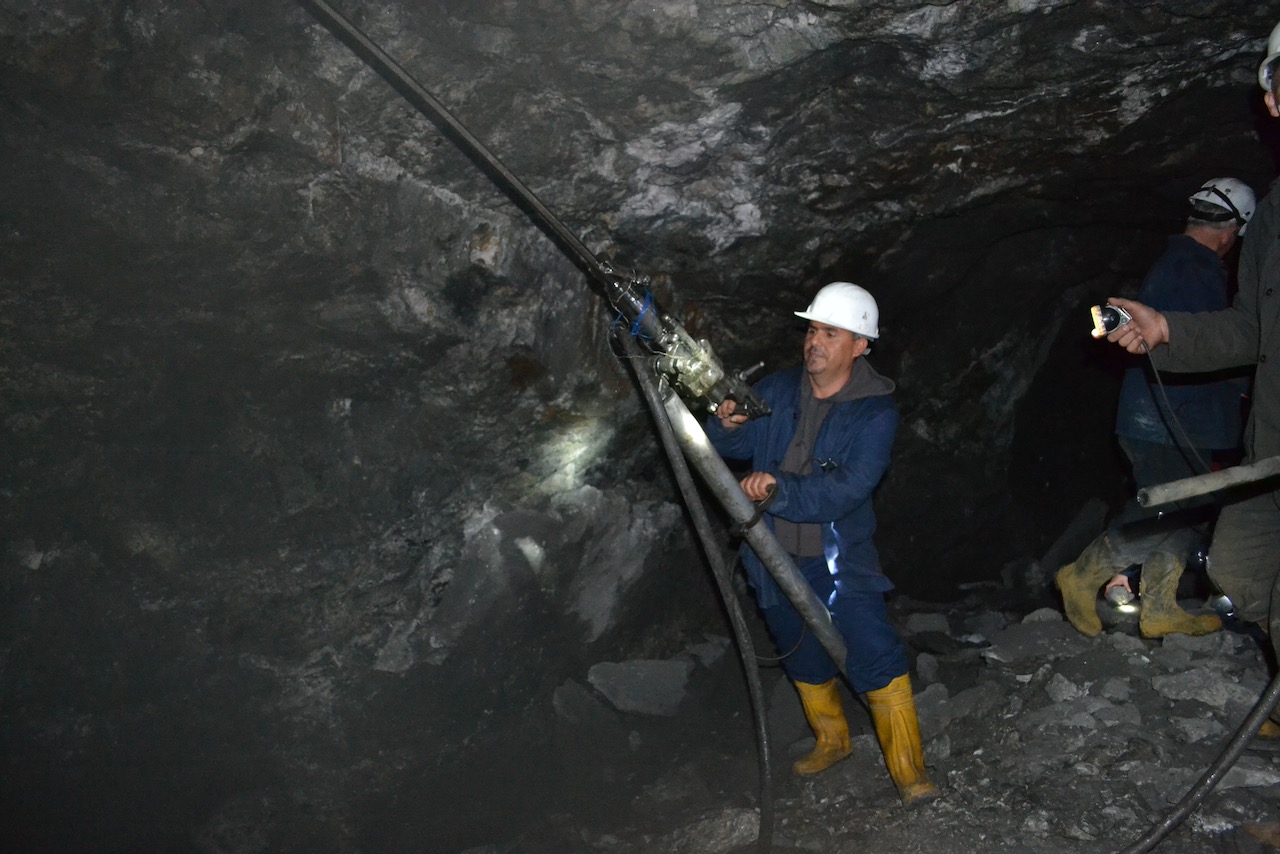
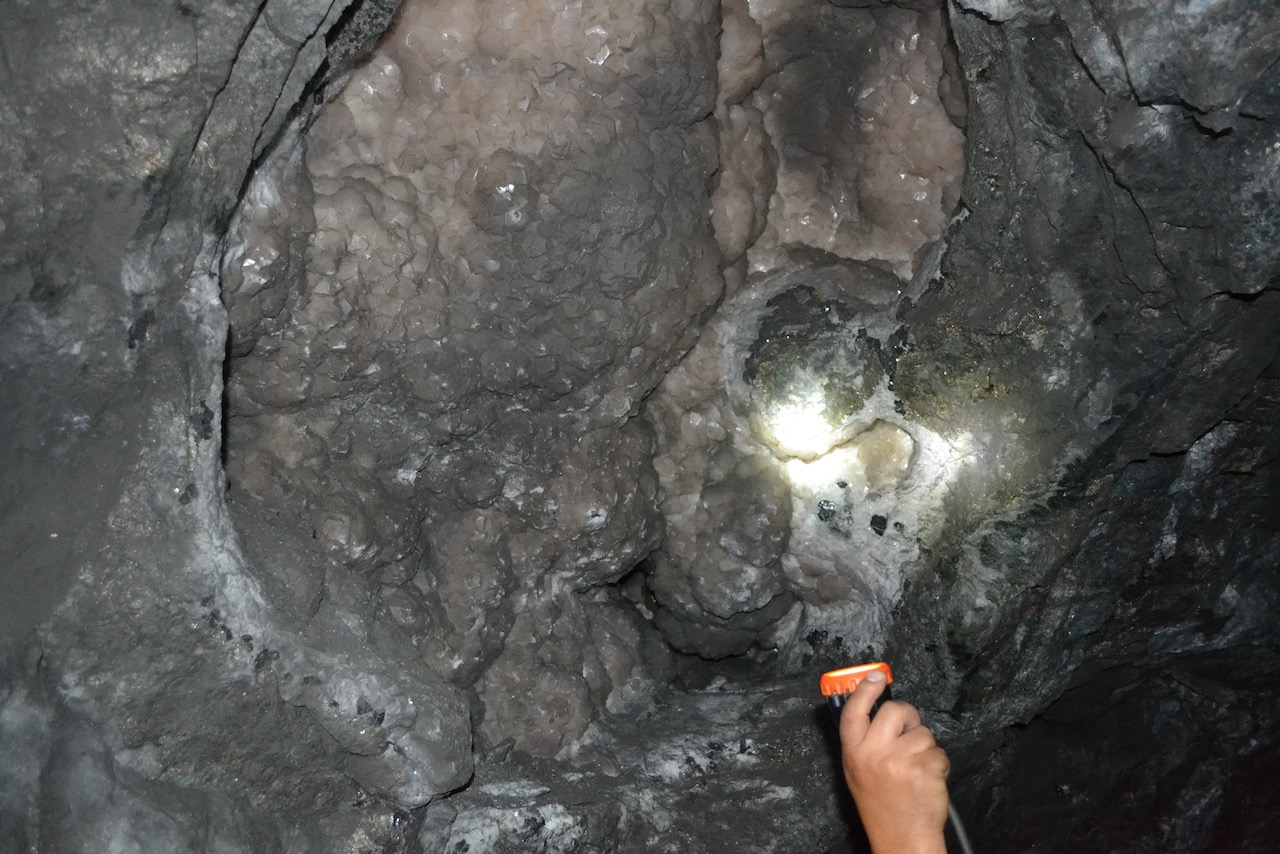
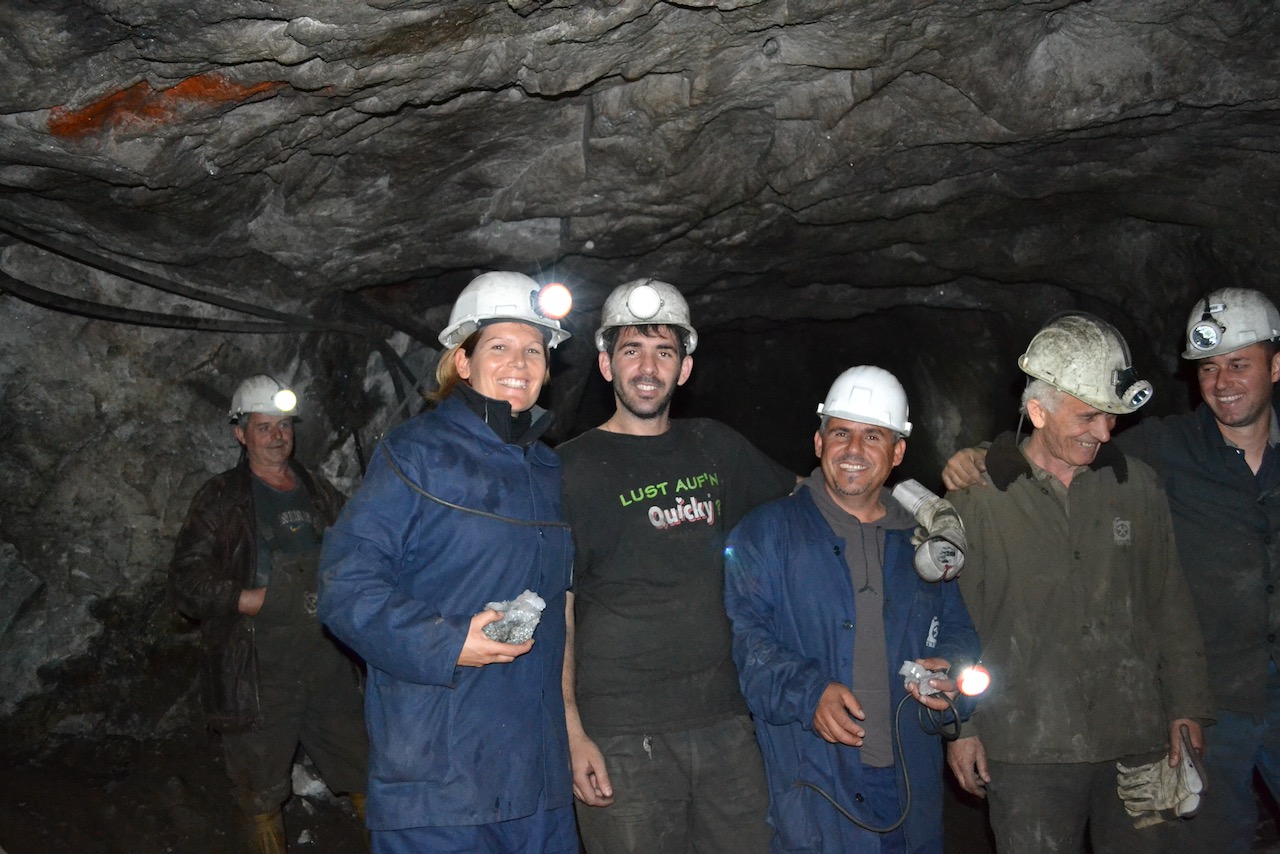
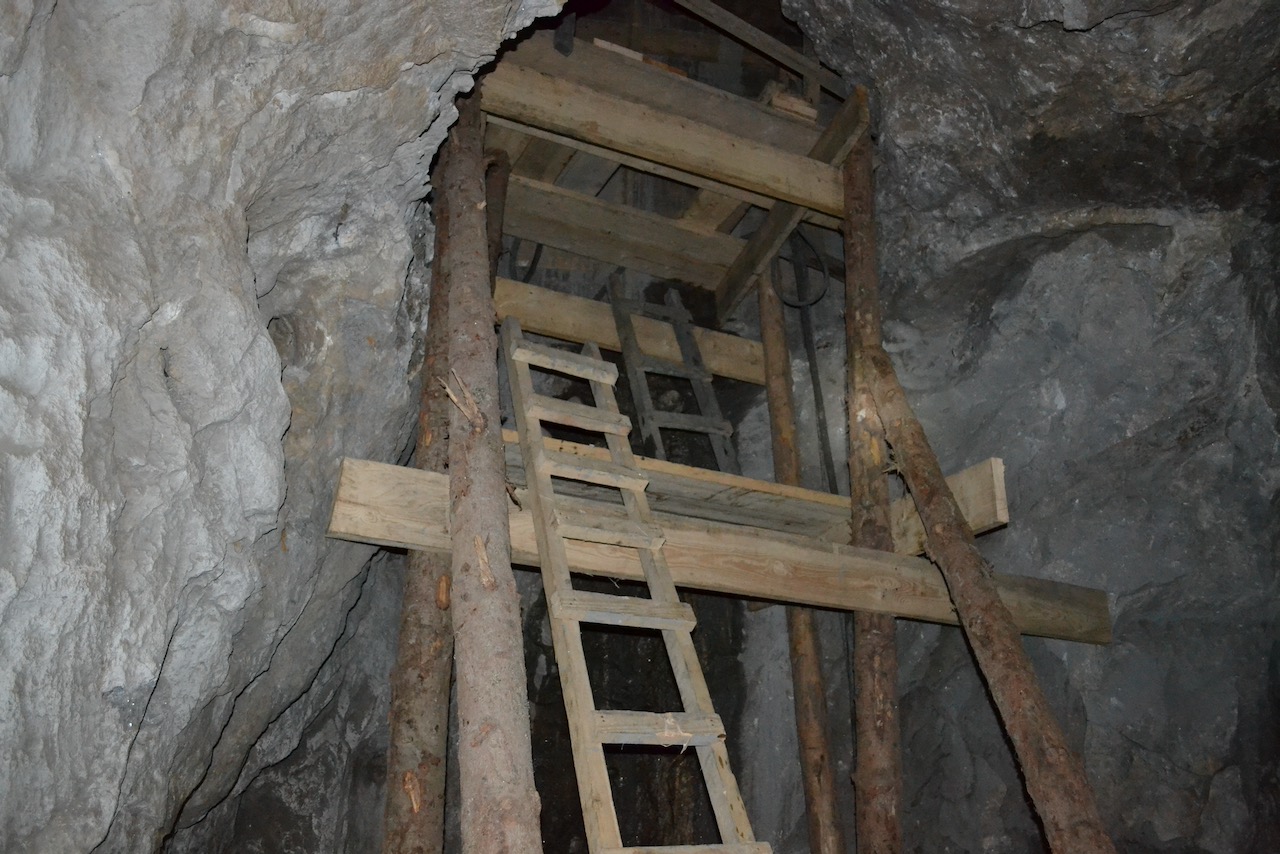
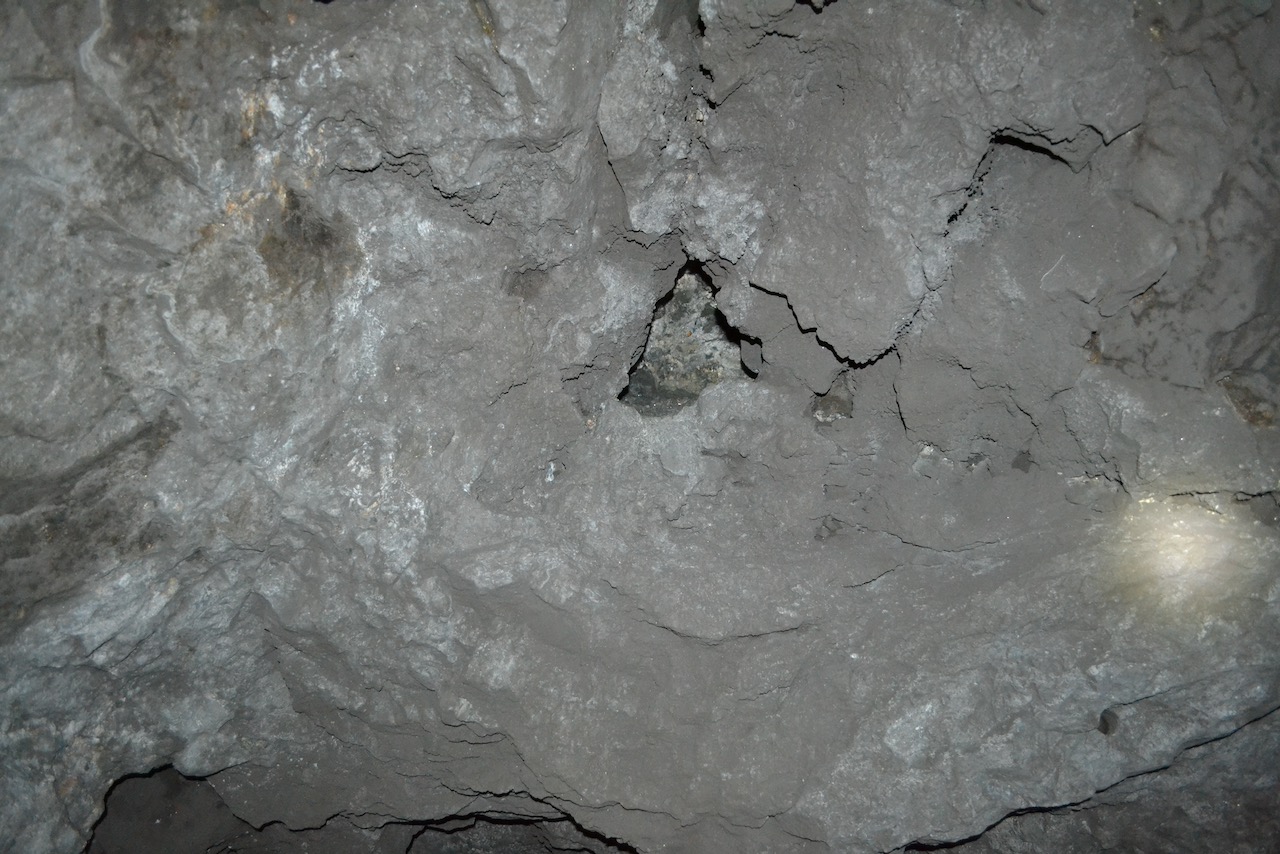
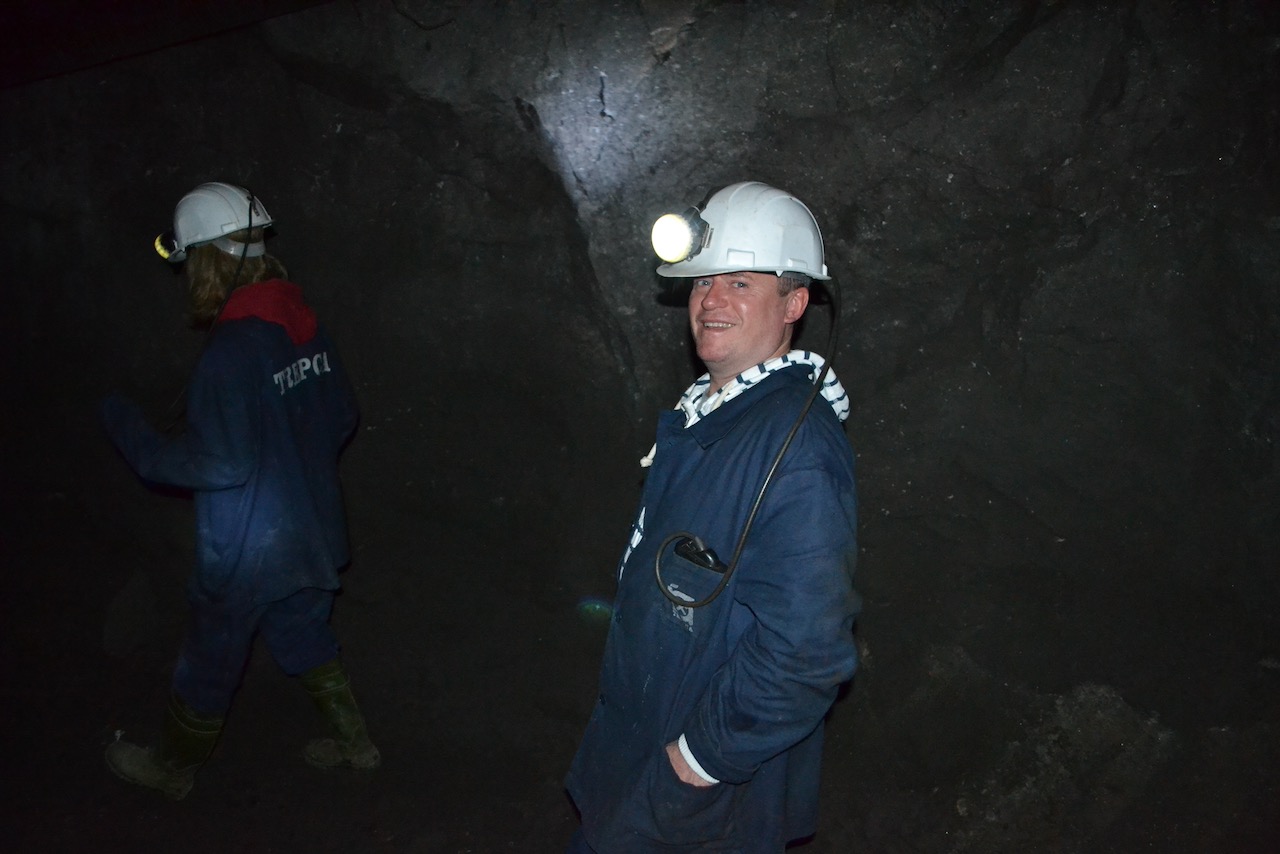
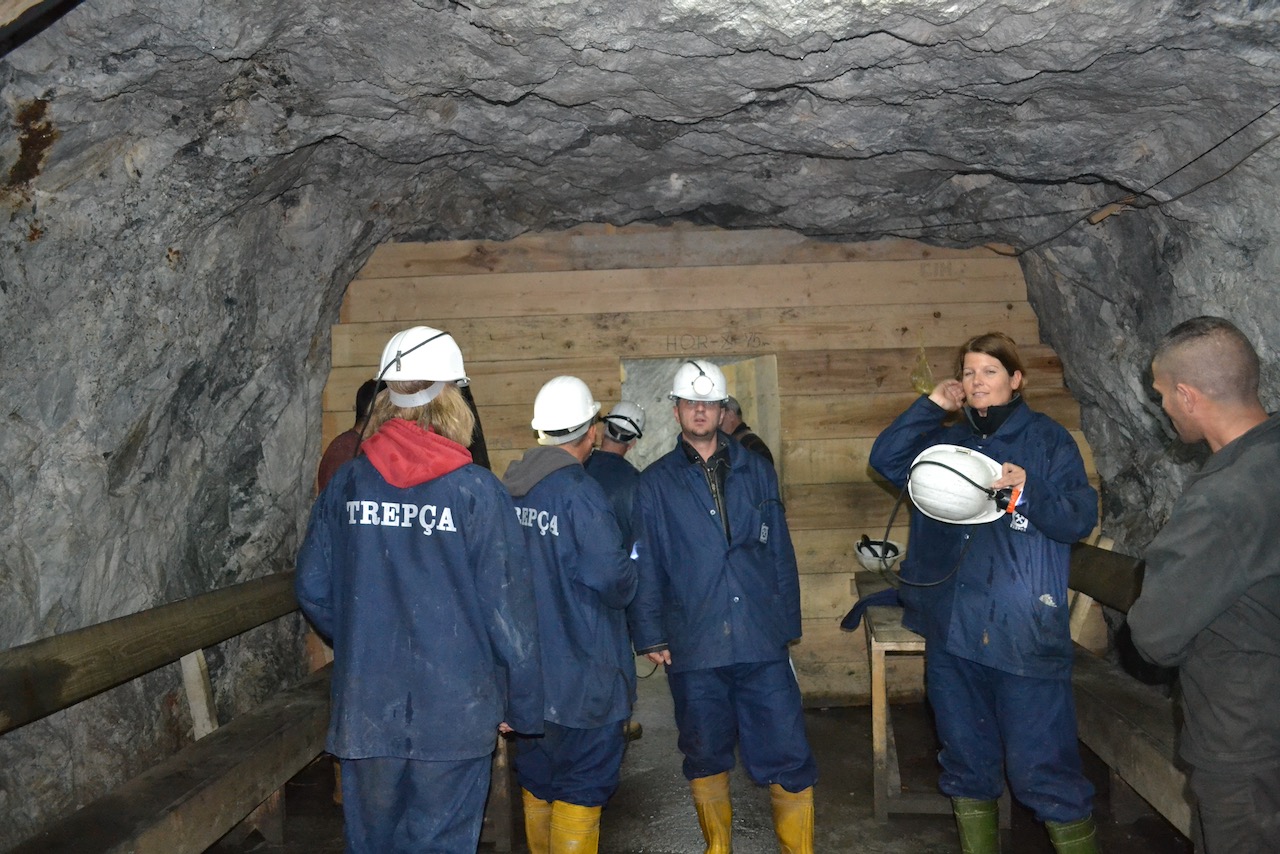
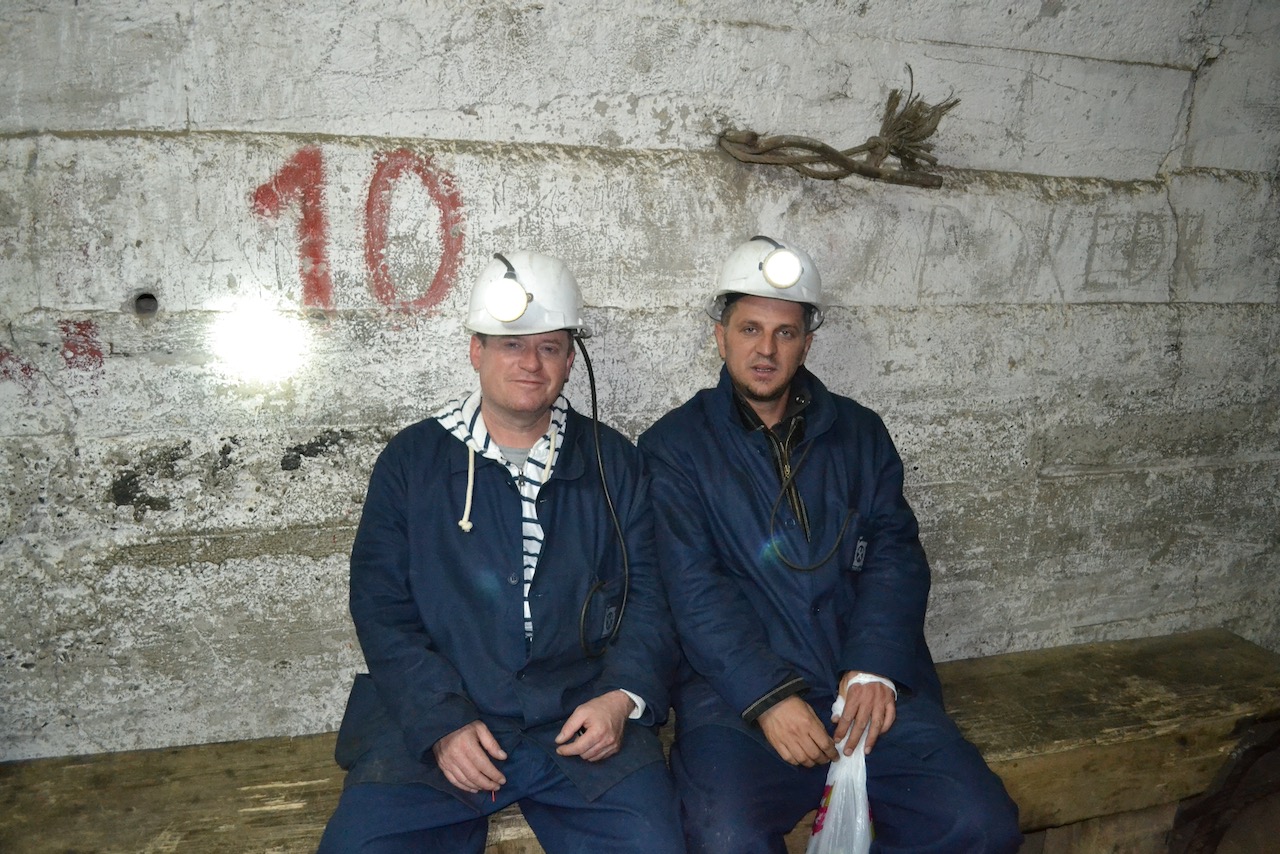
During my years in Pristina, I often traveled north to Mitrovica, drawn by the allure of Trepča’s minerals. With the help and hospitality of the miners, I had the rare opportunity not only to purchase exceptional specimens but also to venture deep underground — into the very veins of the Earth where these treasures were formed.
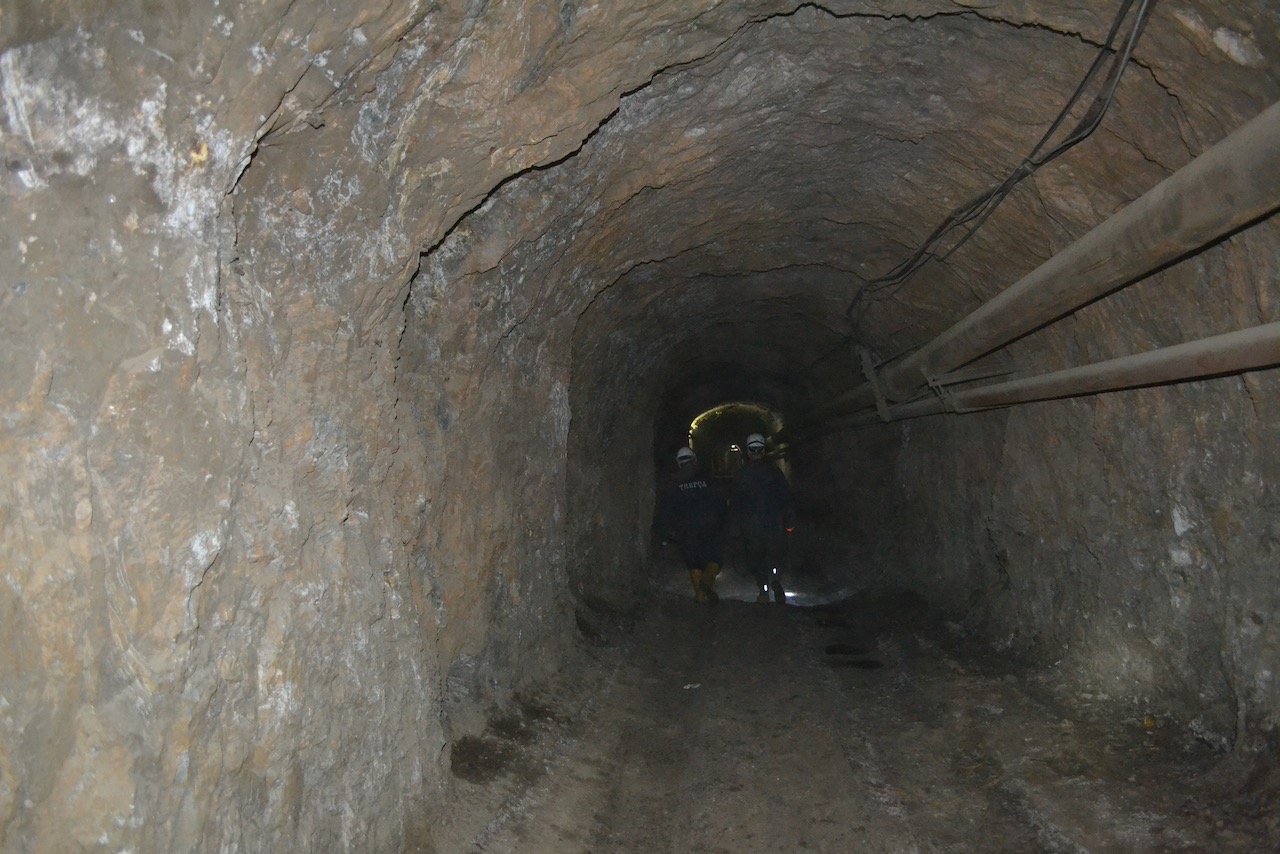
Descending into the mine was like stepping into another world:
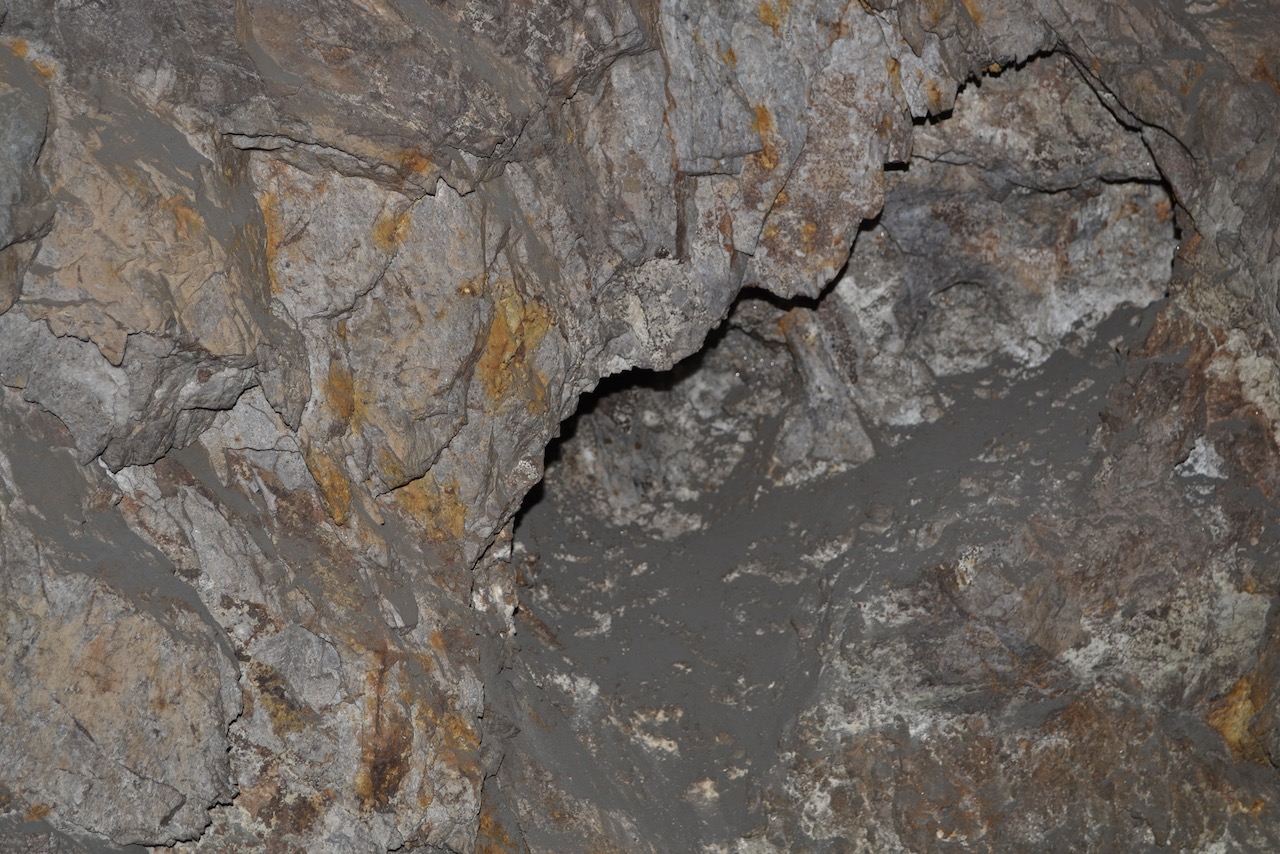
- Narrow tunnels lined with glistening veins of galena and sphalerite, reflecting the miners’ lights like constellations.
- The rhythmic sounds of dripping water and distant machinery echoing through the rock.
- The scent of earth, metal, and time — a tangible connection to the geological heart of Kosovo.
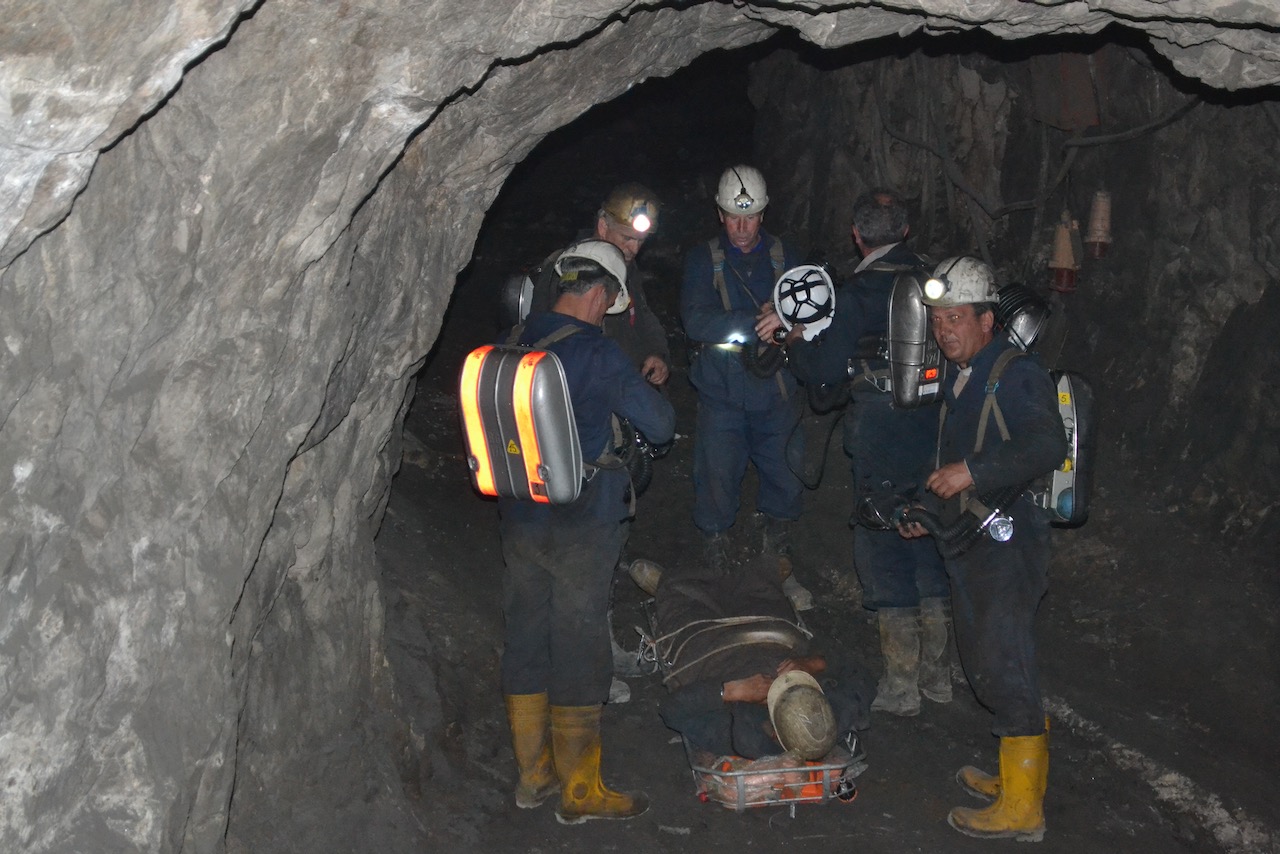
The miners I met were proud and welcoming, deeply knowledgeable about their craft. Despite the challenges of working in such conditions, their passion for the mine and its history was inspiring. Many shared stories of generations who had worked in Trepča.
The Beauty of Trepča Minerals
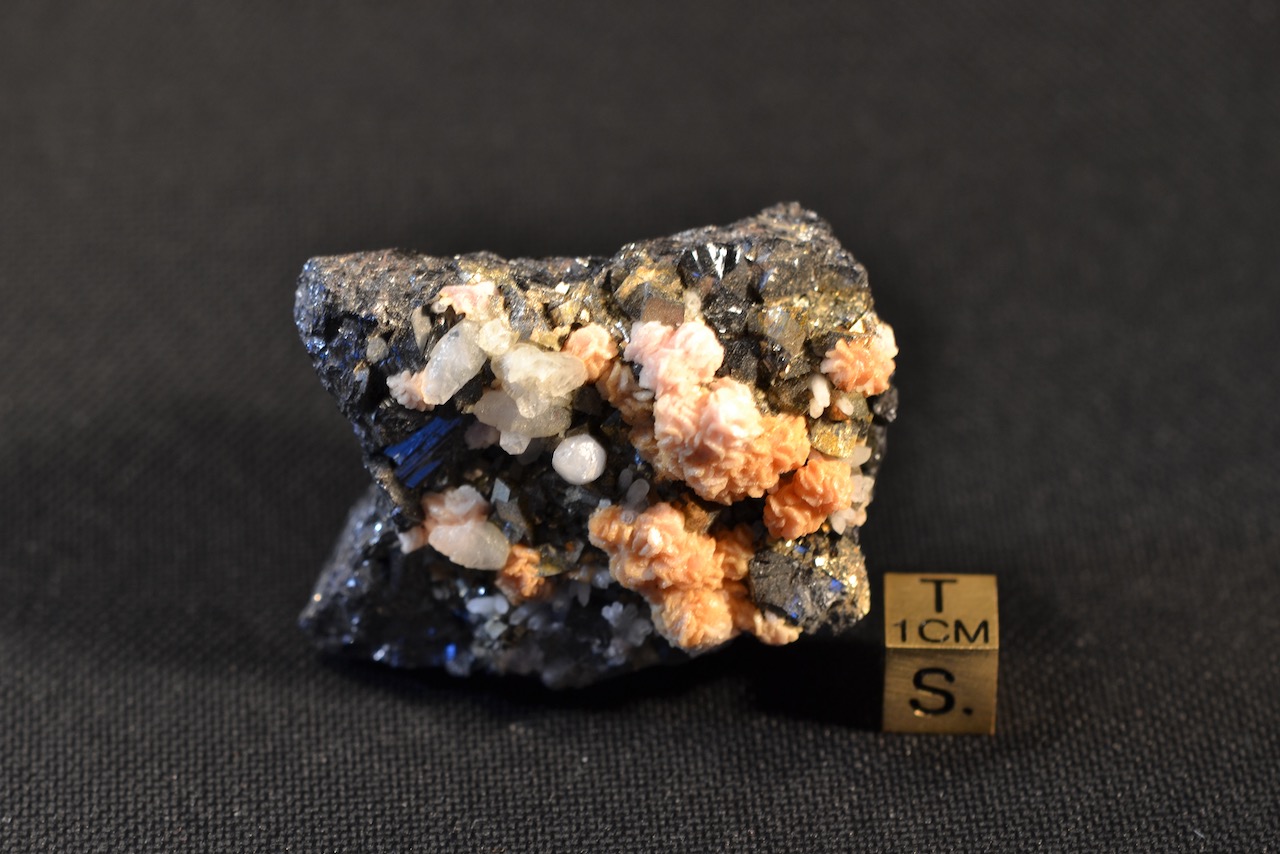
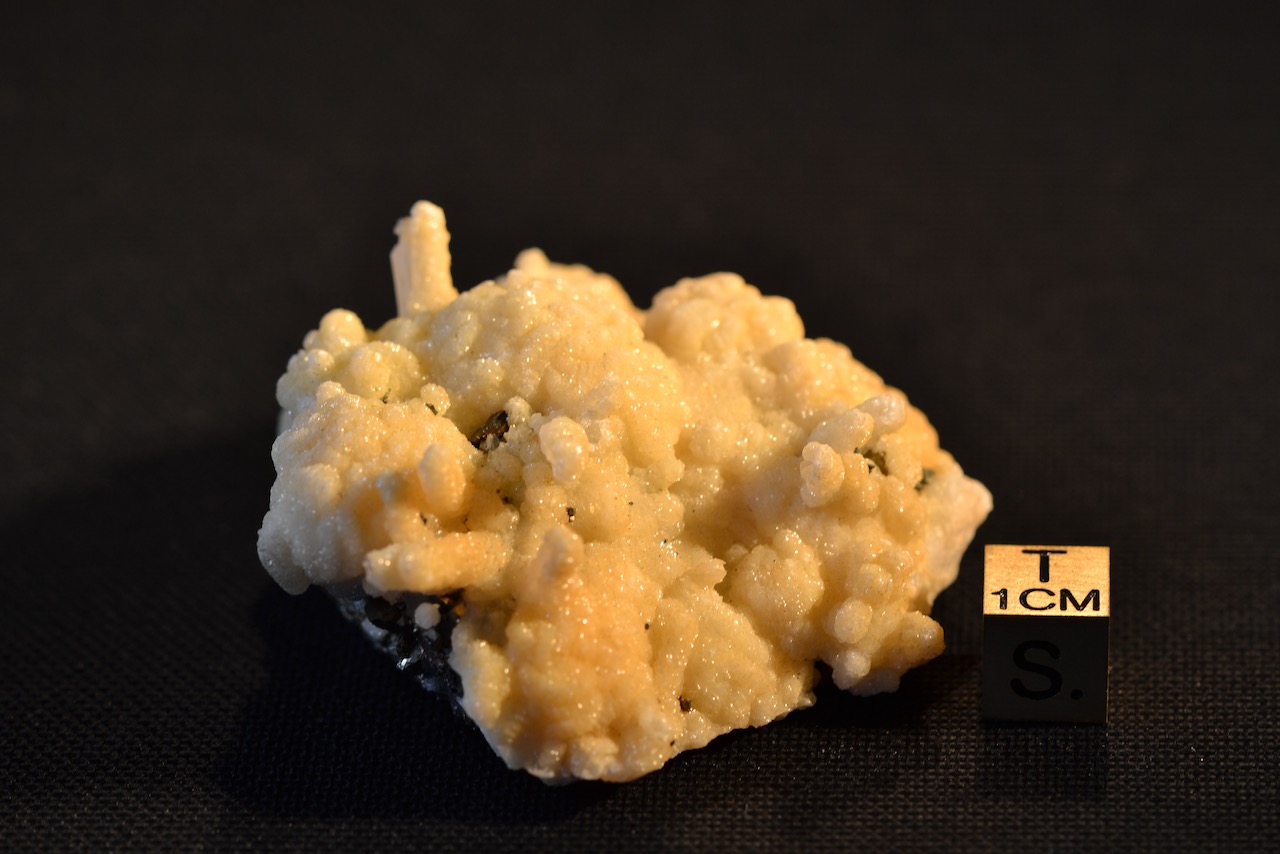
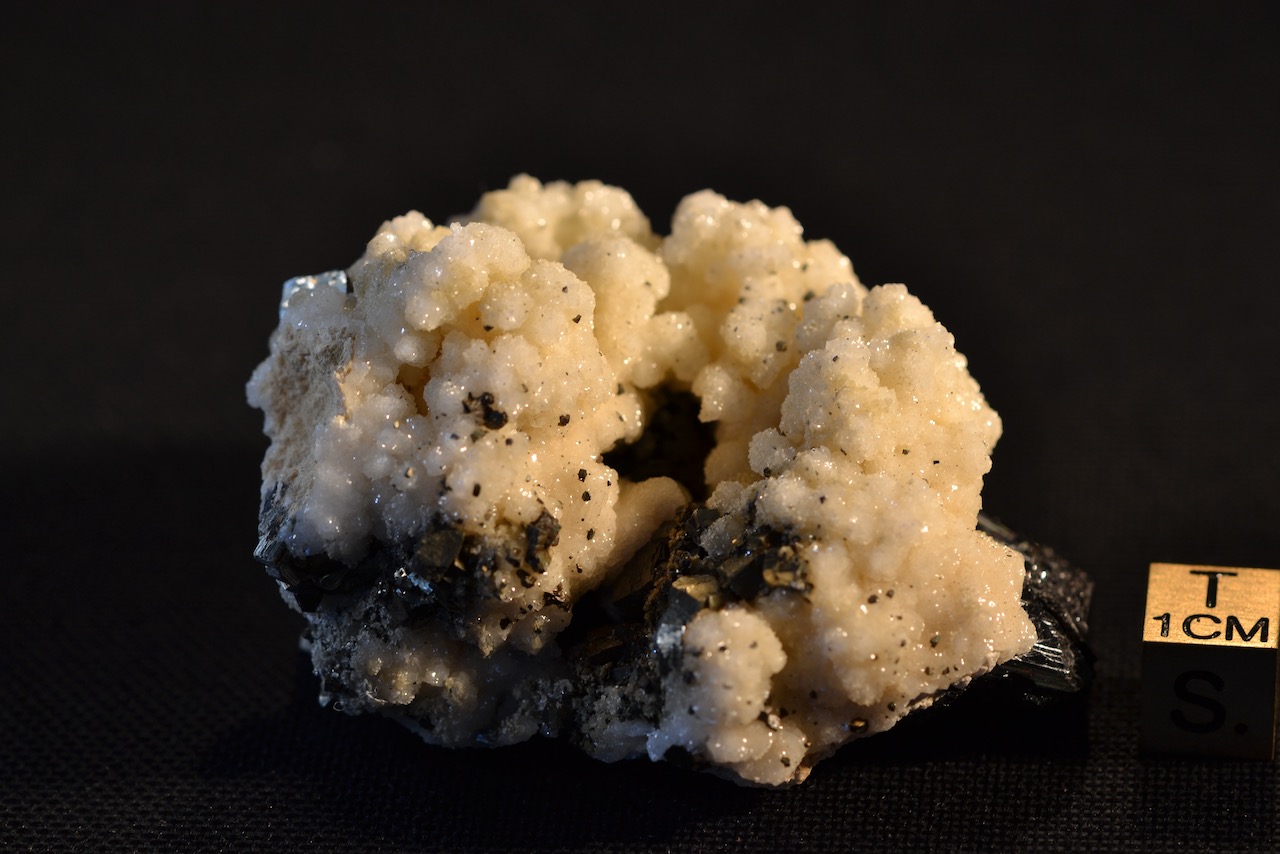
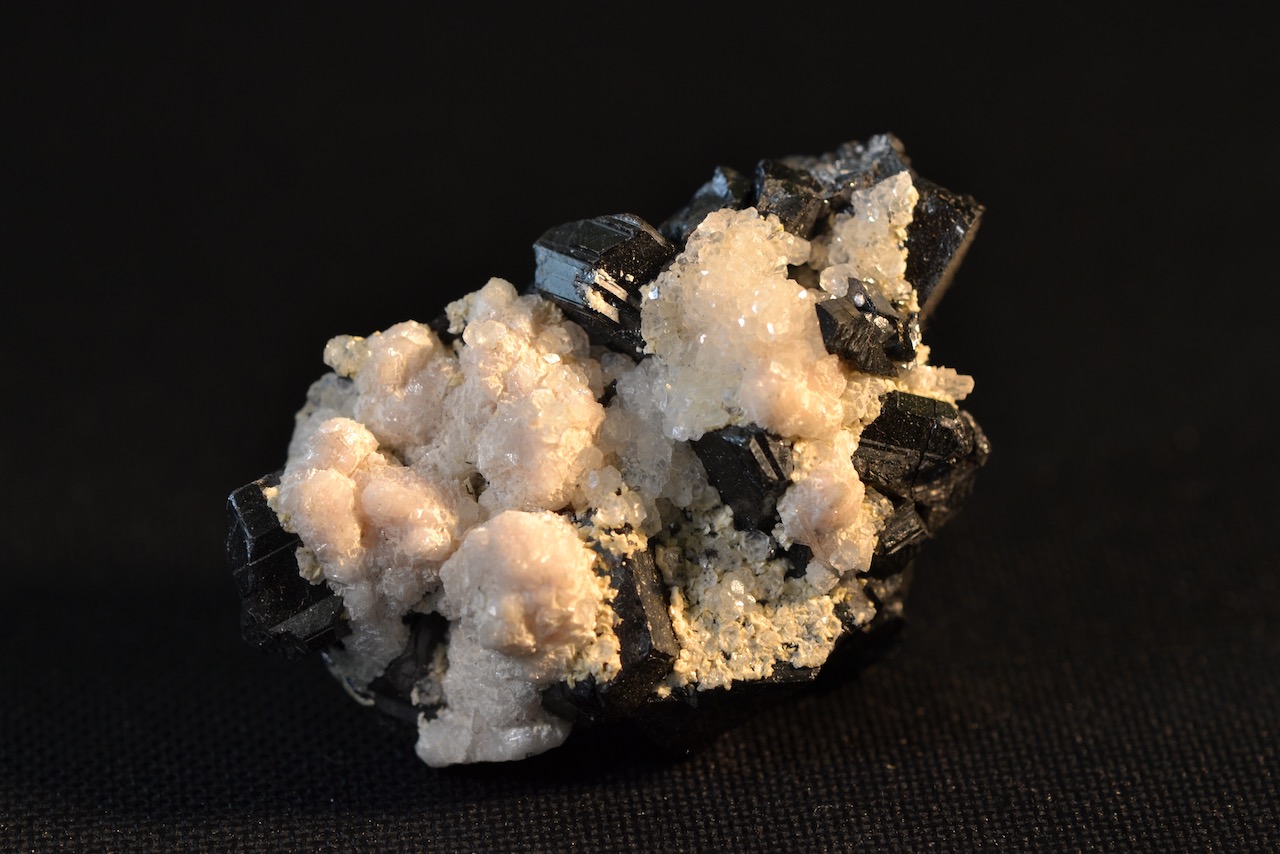
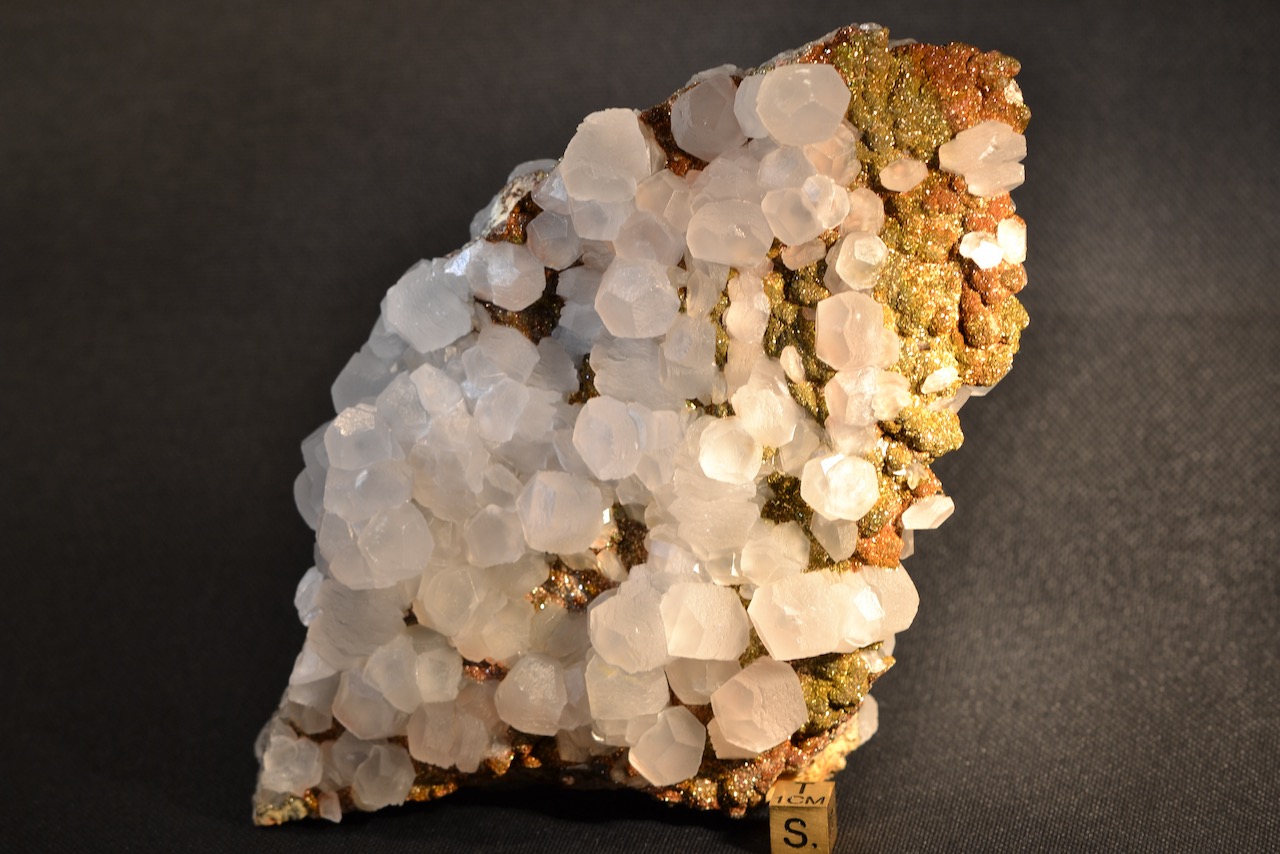
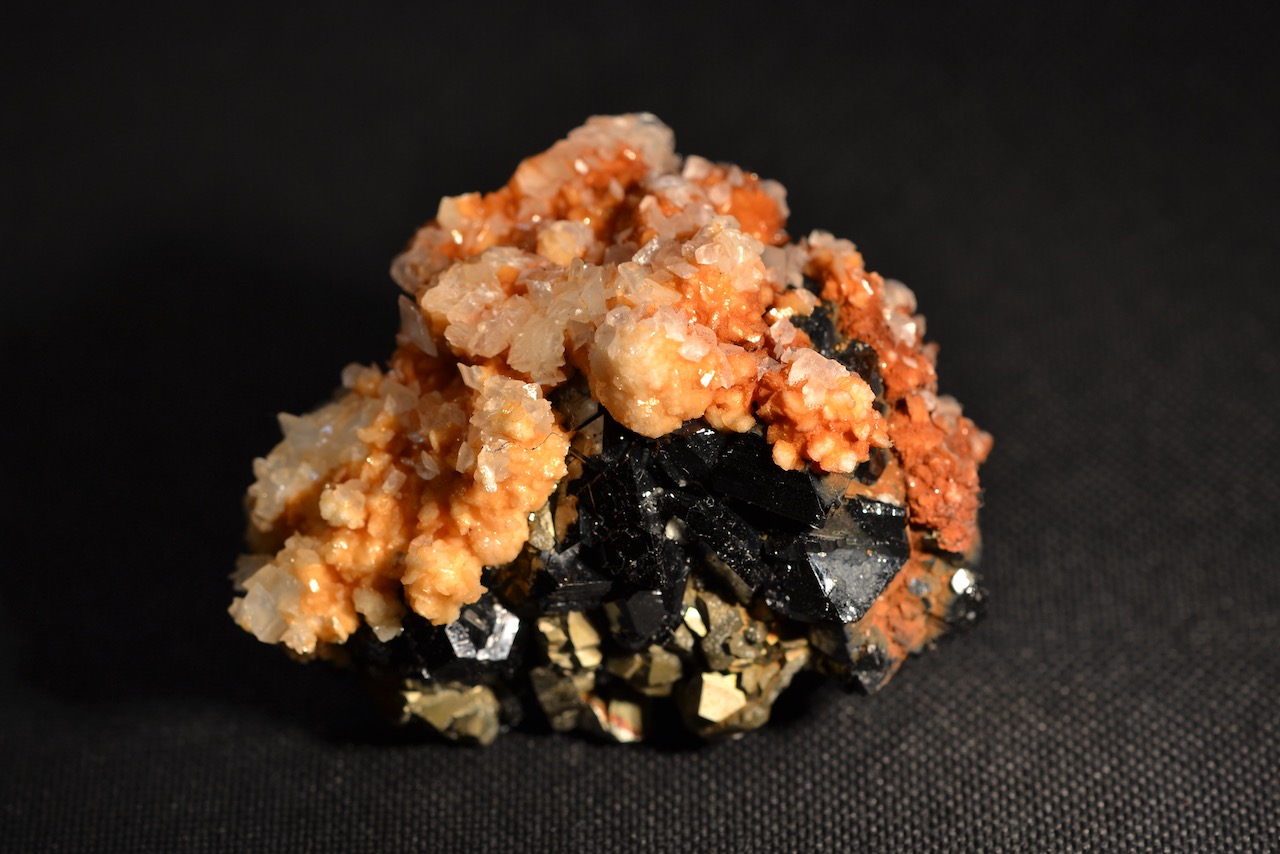
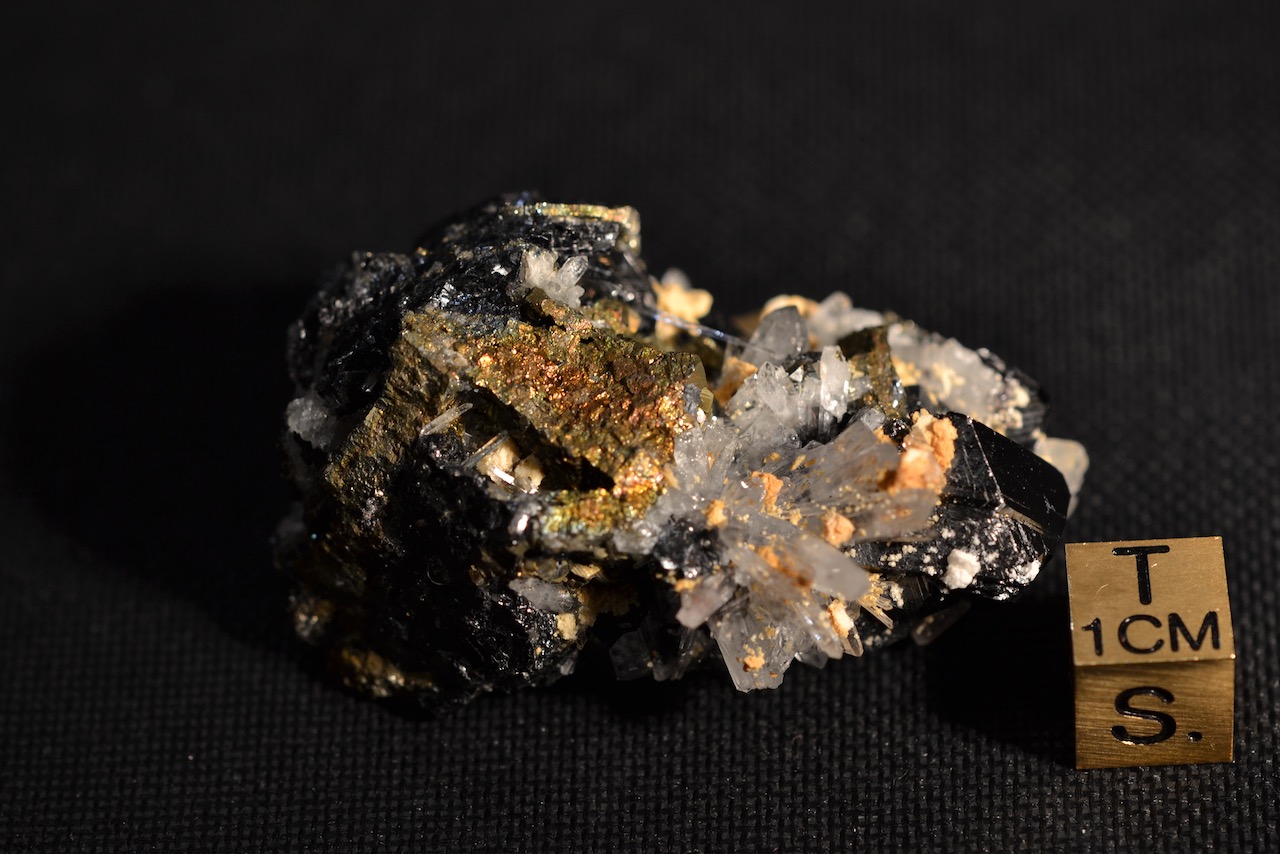
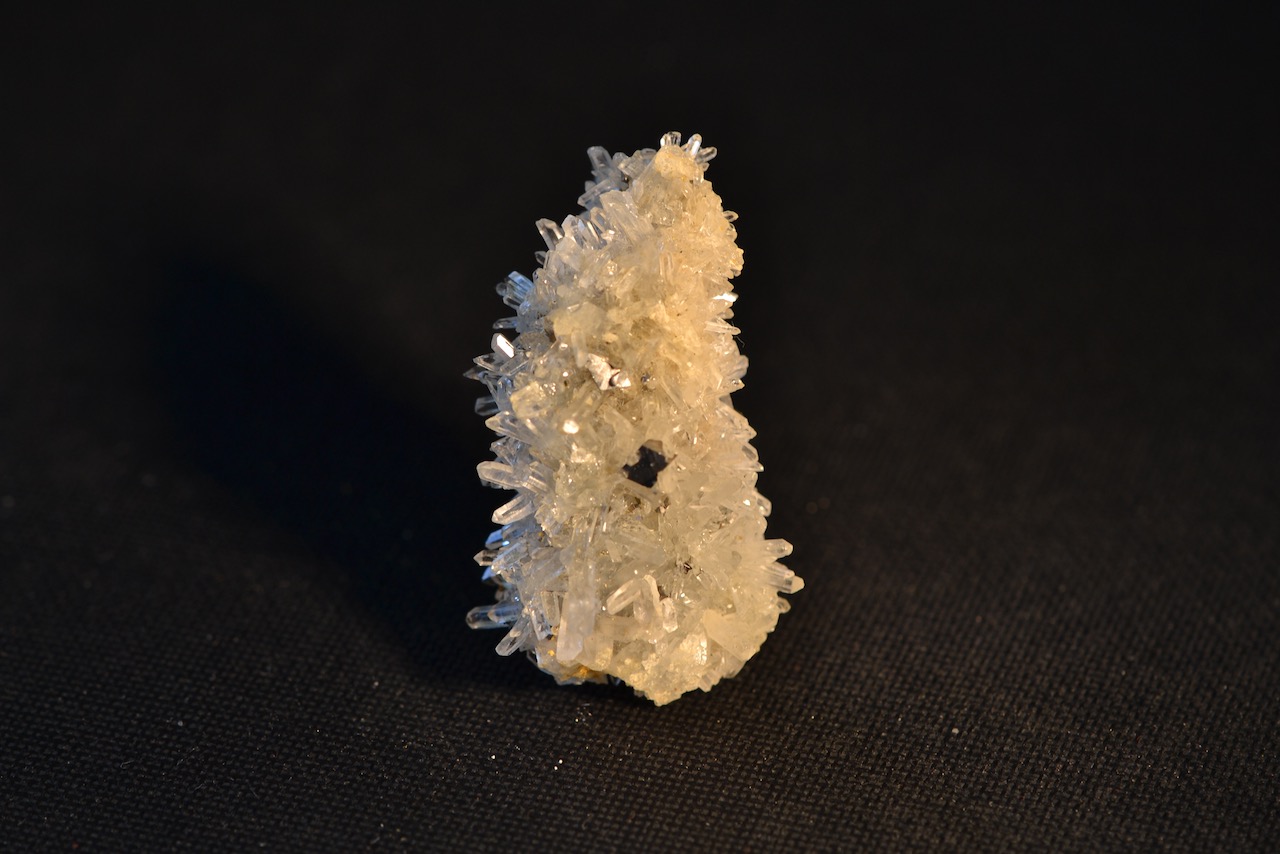
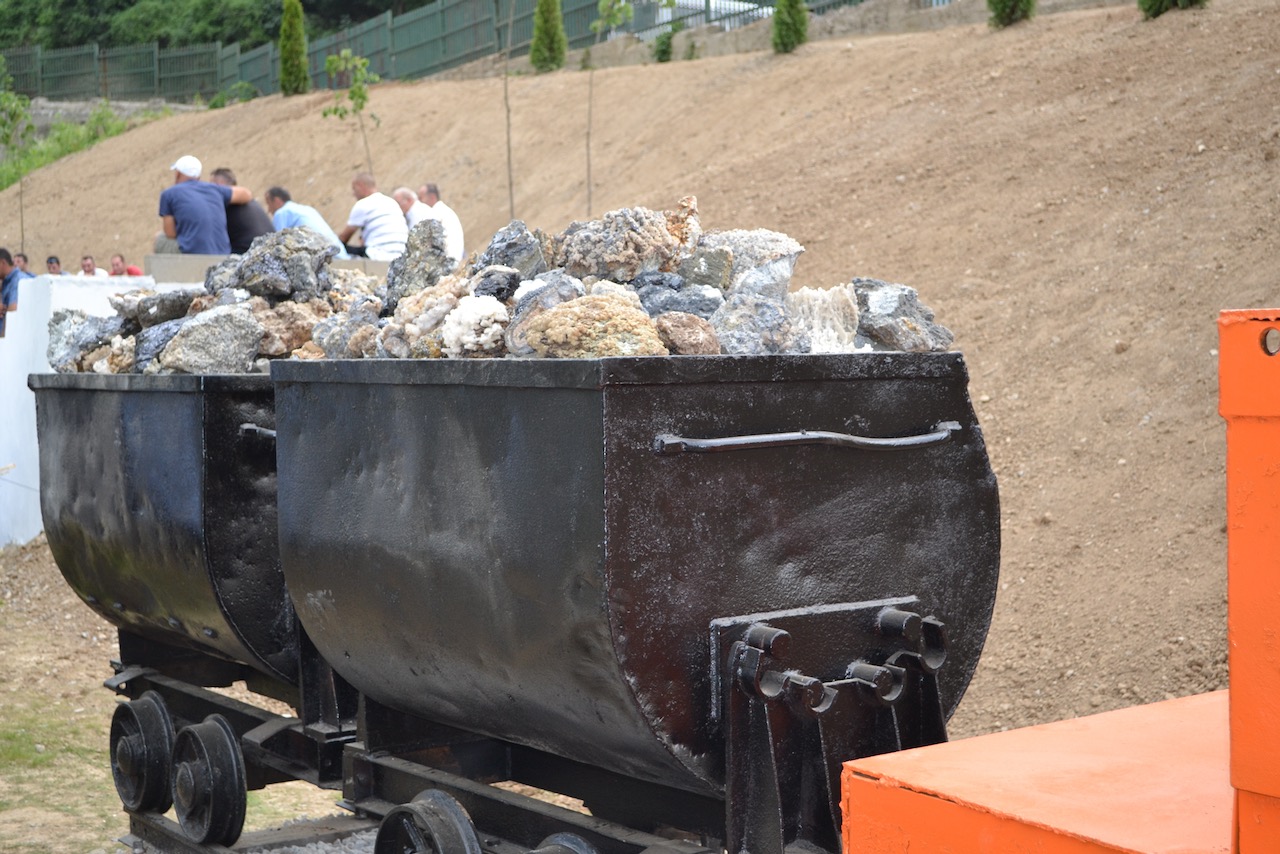
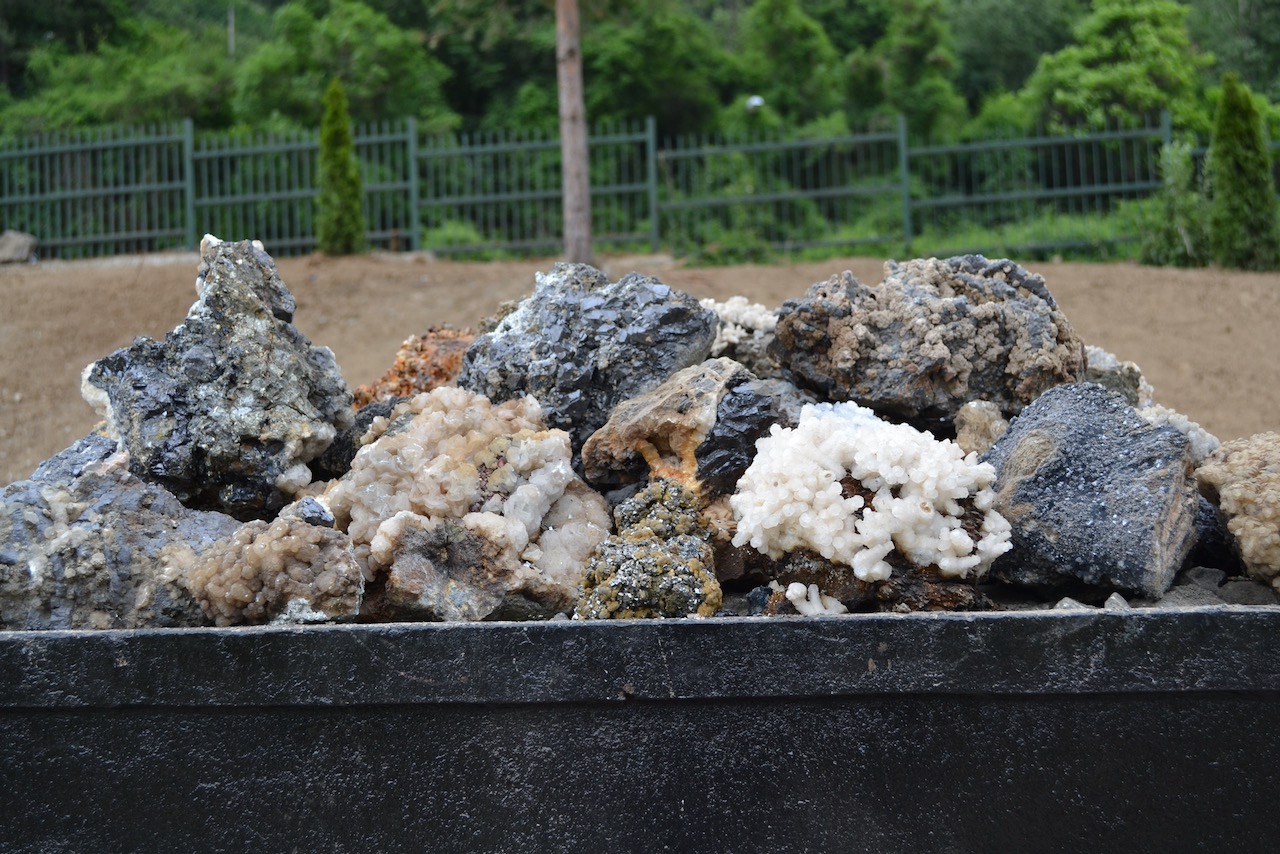
Trepča is renowned among collectors for its remarkable mineral specimens, which combine beauty with geological significance. Some of the most prized examples include:
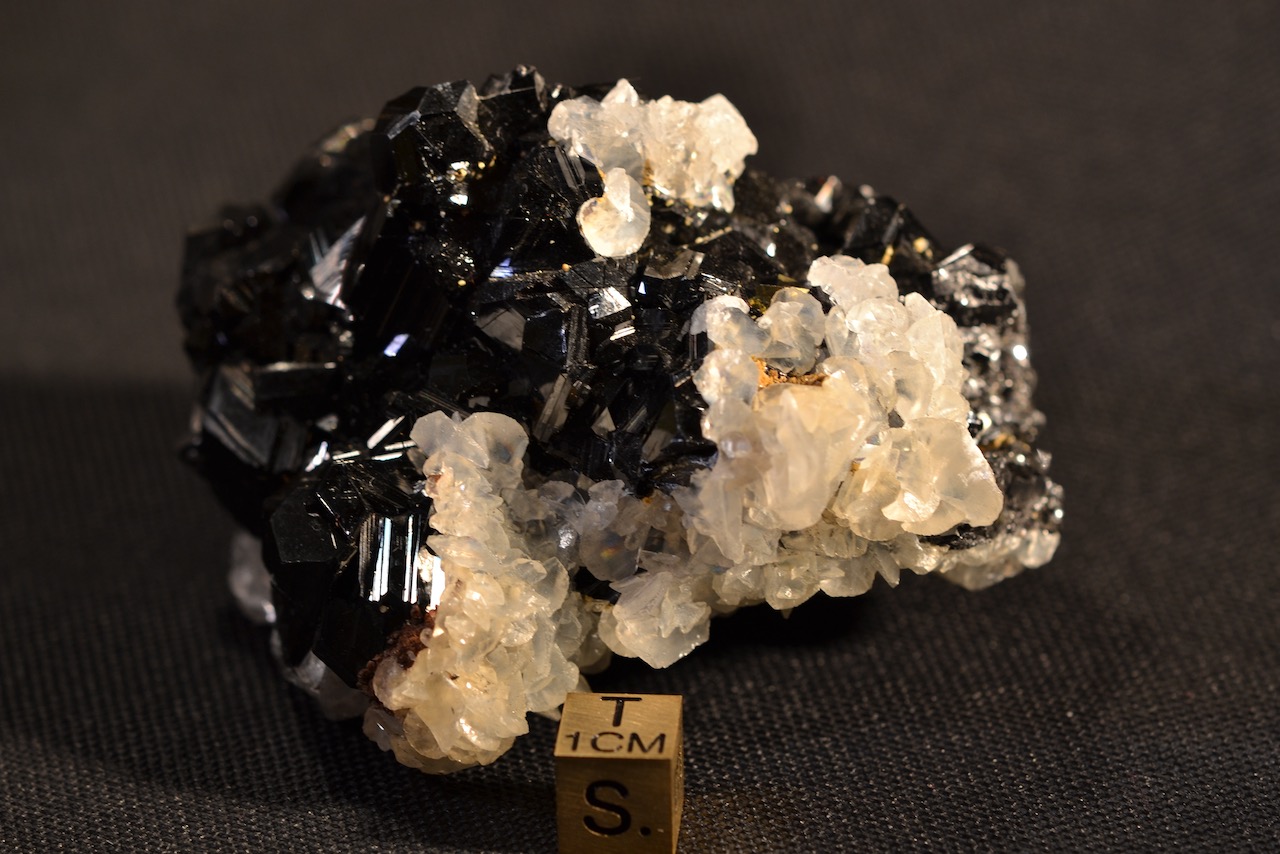
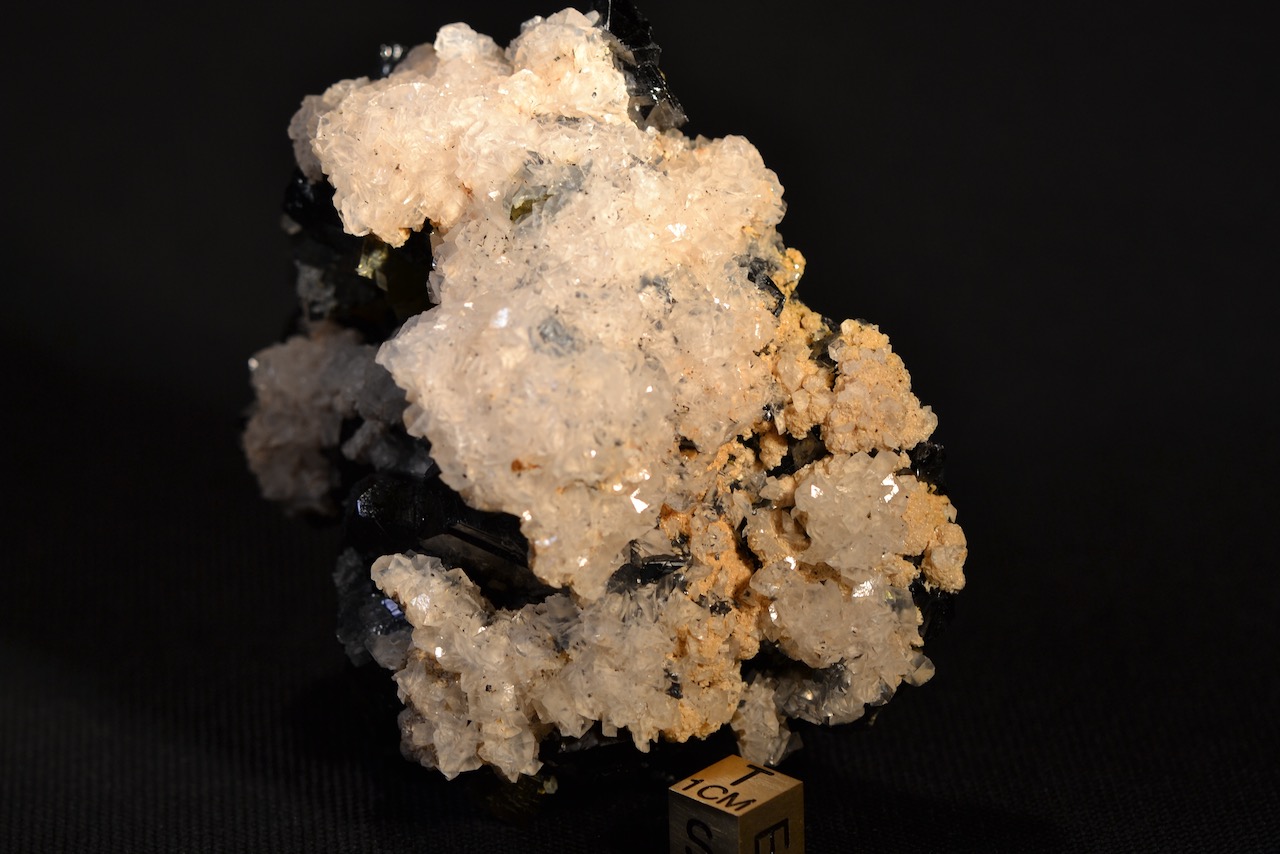
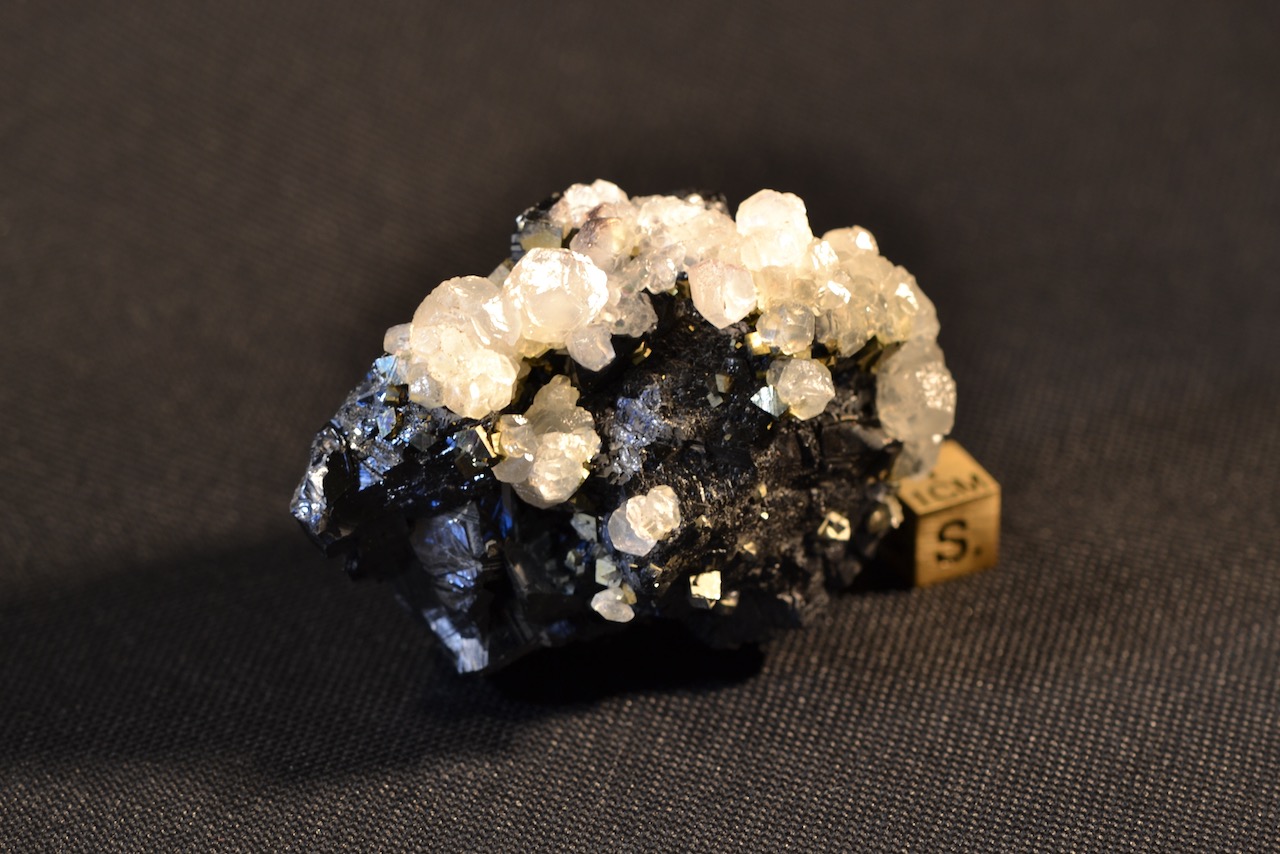
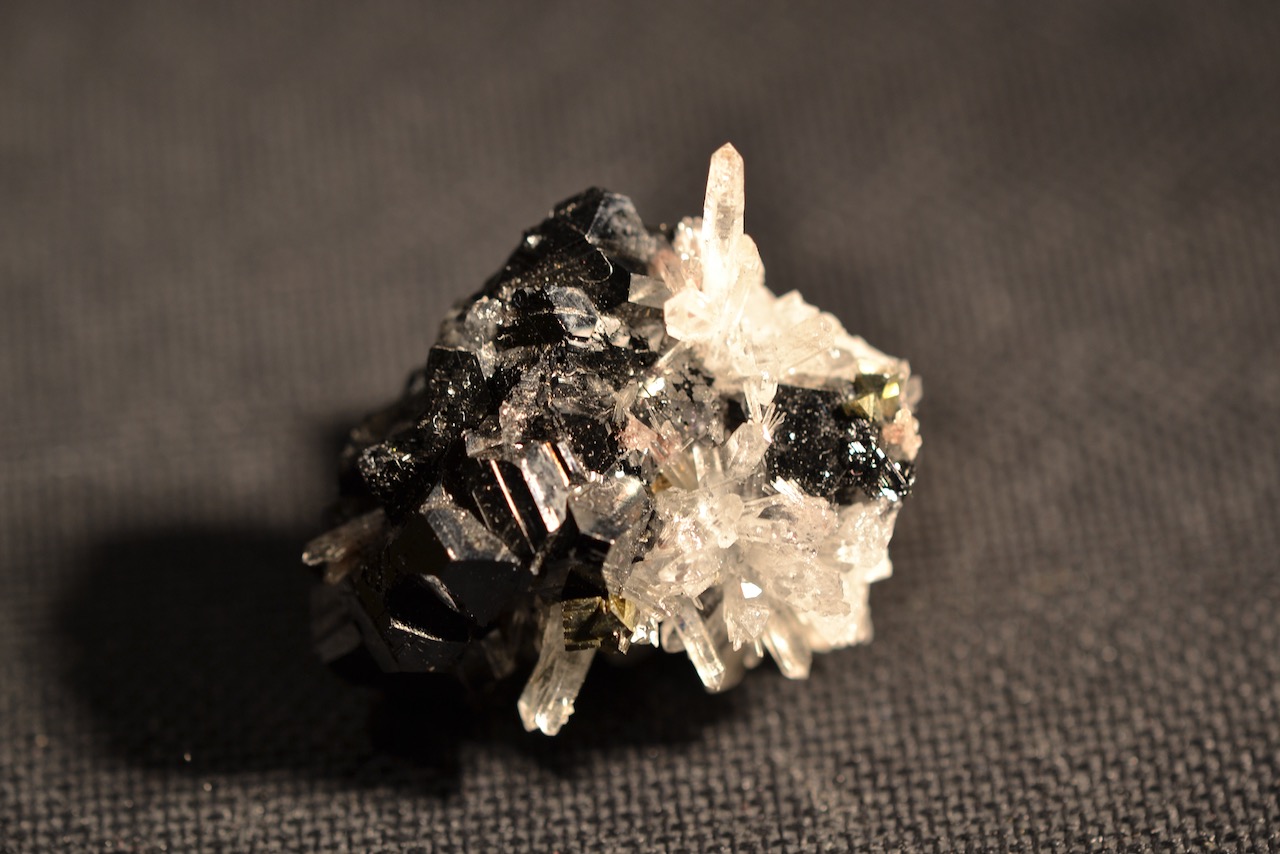
- Galena: Perfect metallic cubes with mirror-like luster.
- Sphalerite: Honey to dark brown crystals, sometimes transparent and gem-quality.
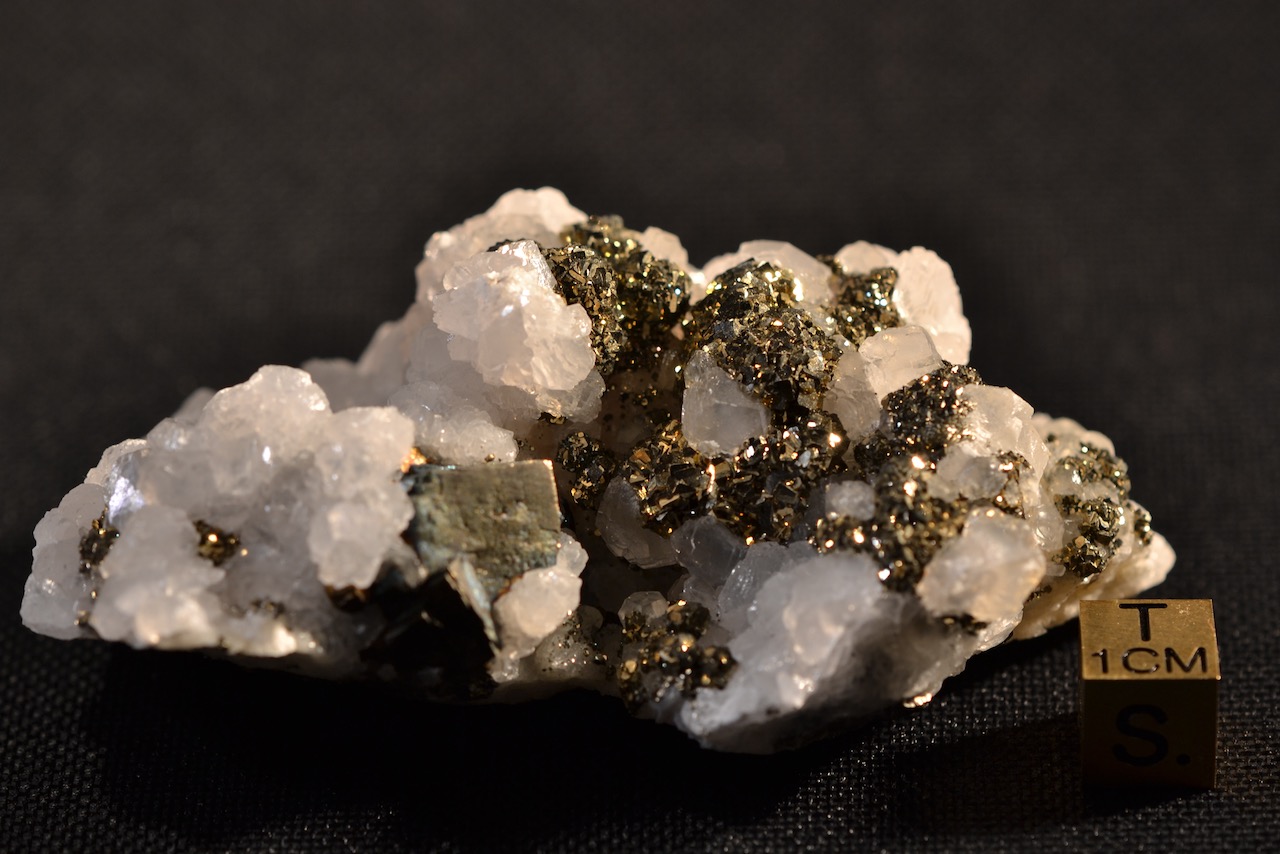
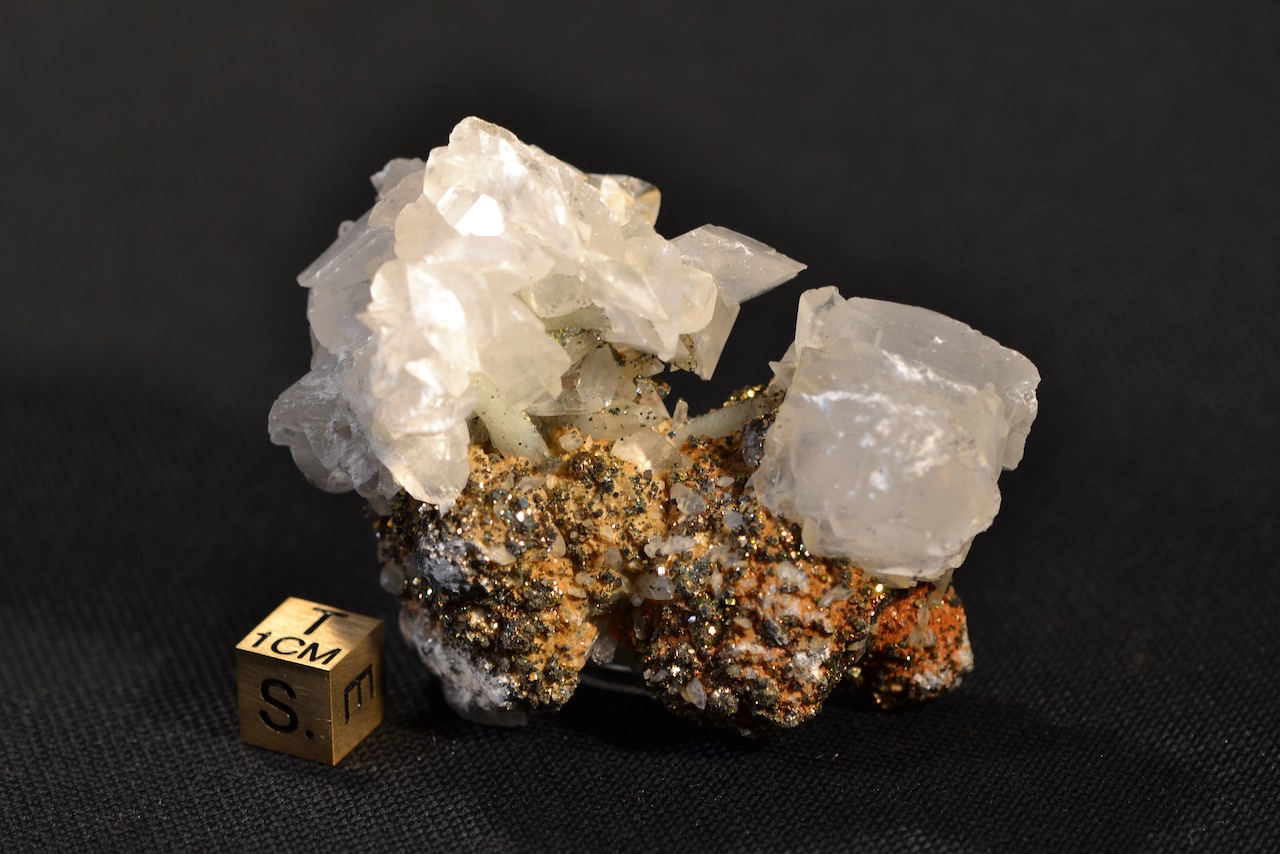
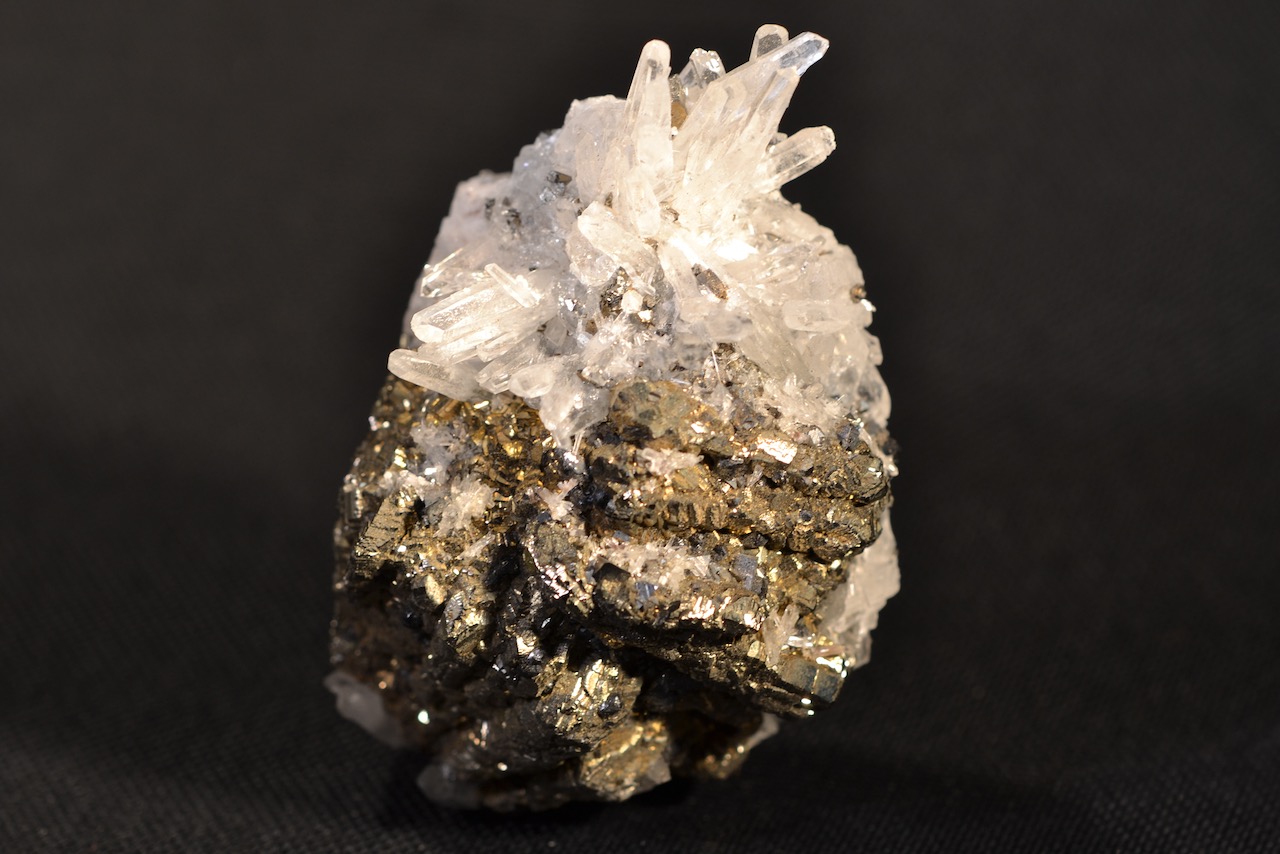
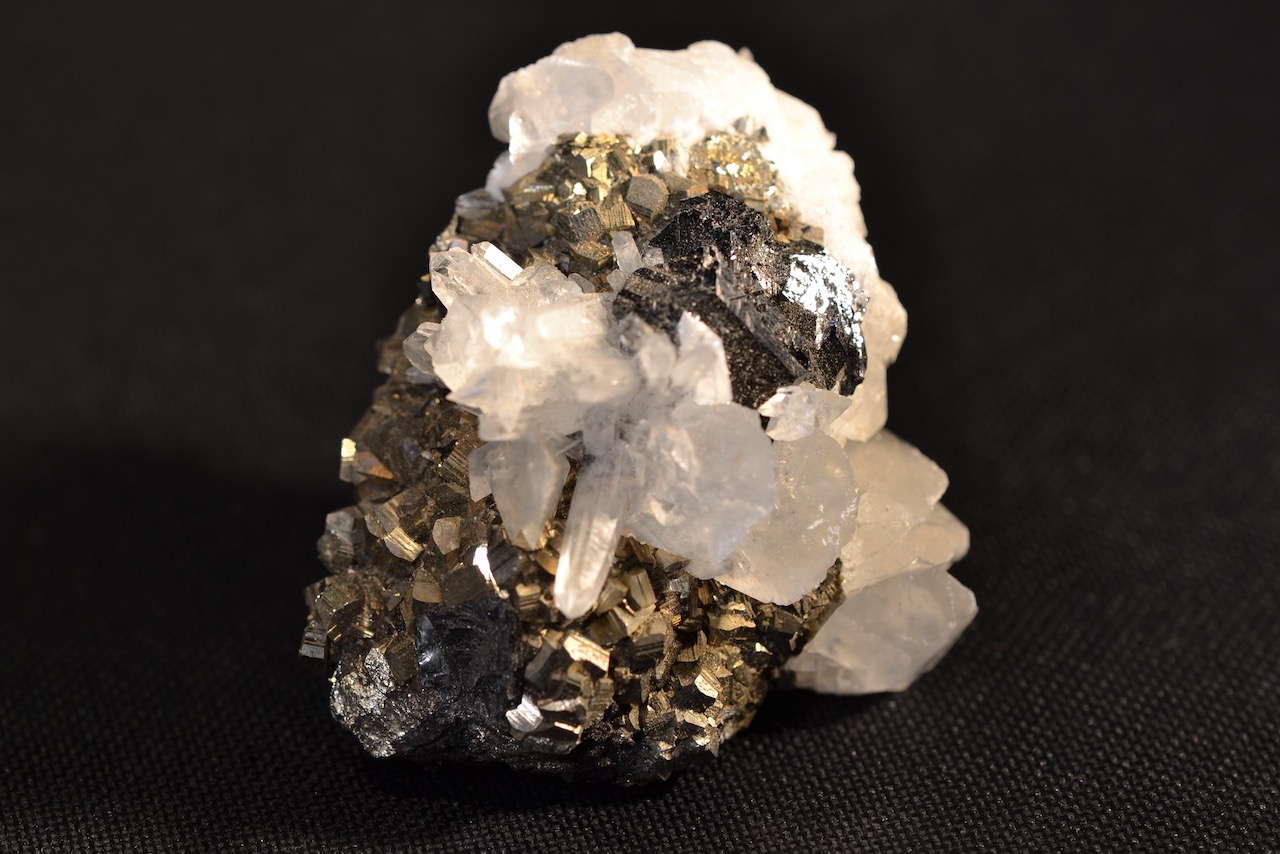
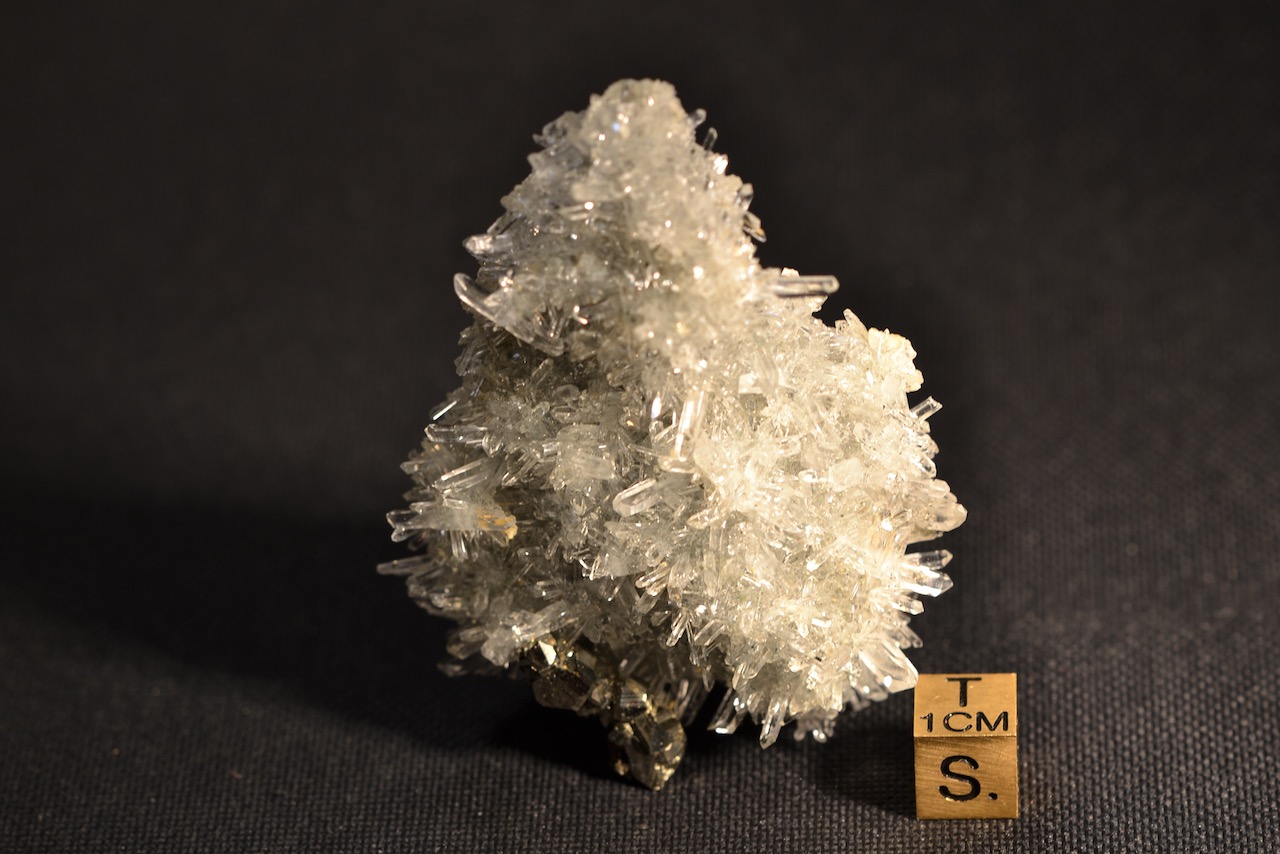
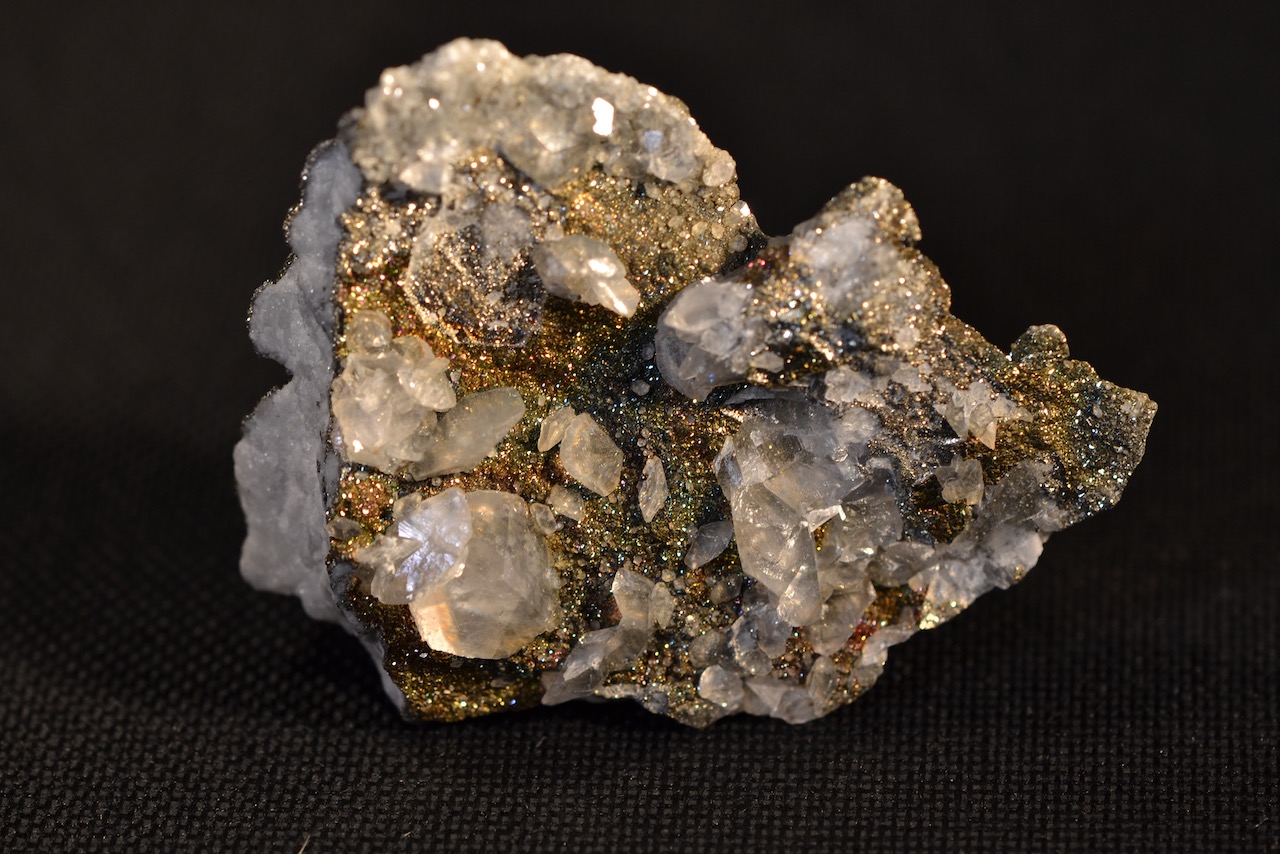
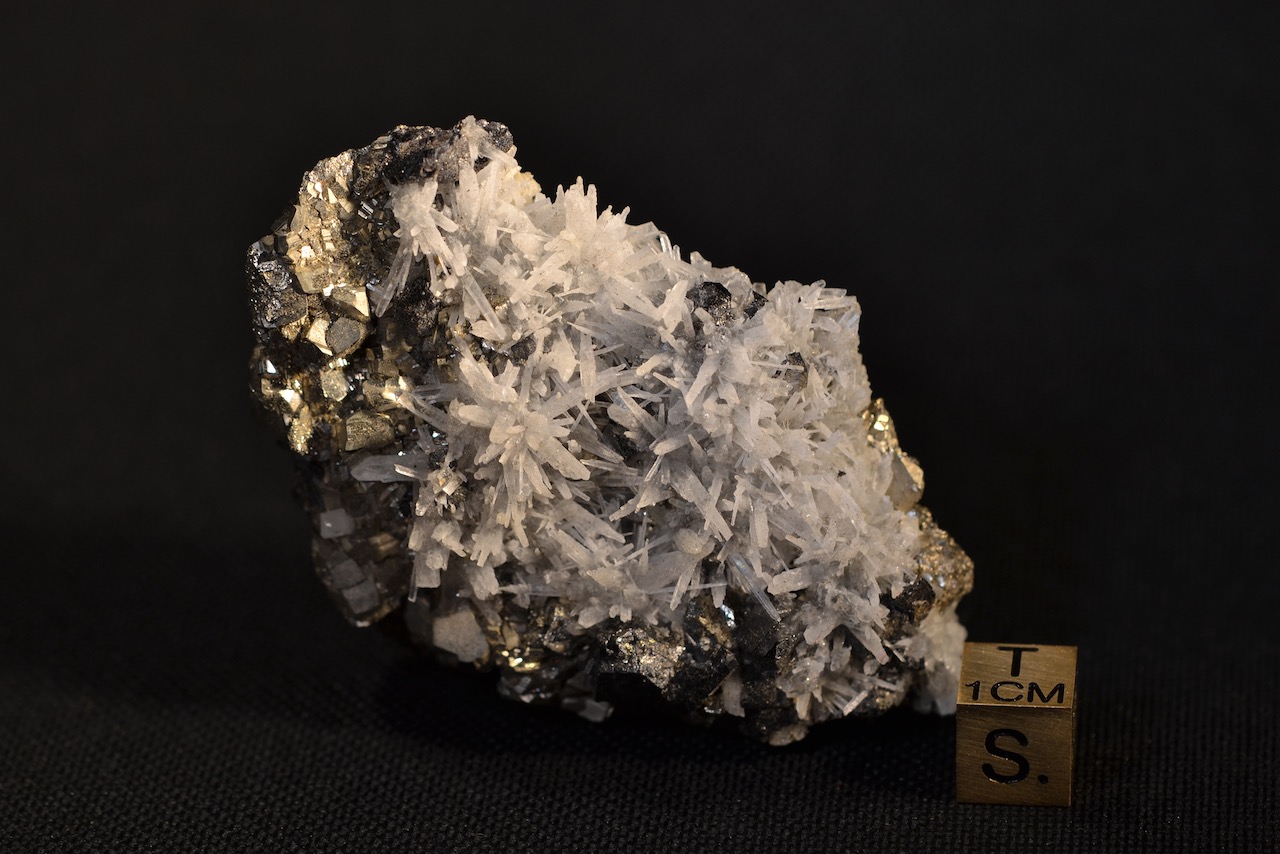
- Pyrite: Brilliant golden clusters often associated with galena or quartz.
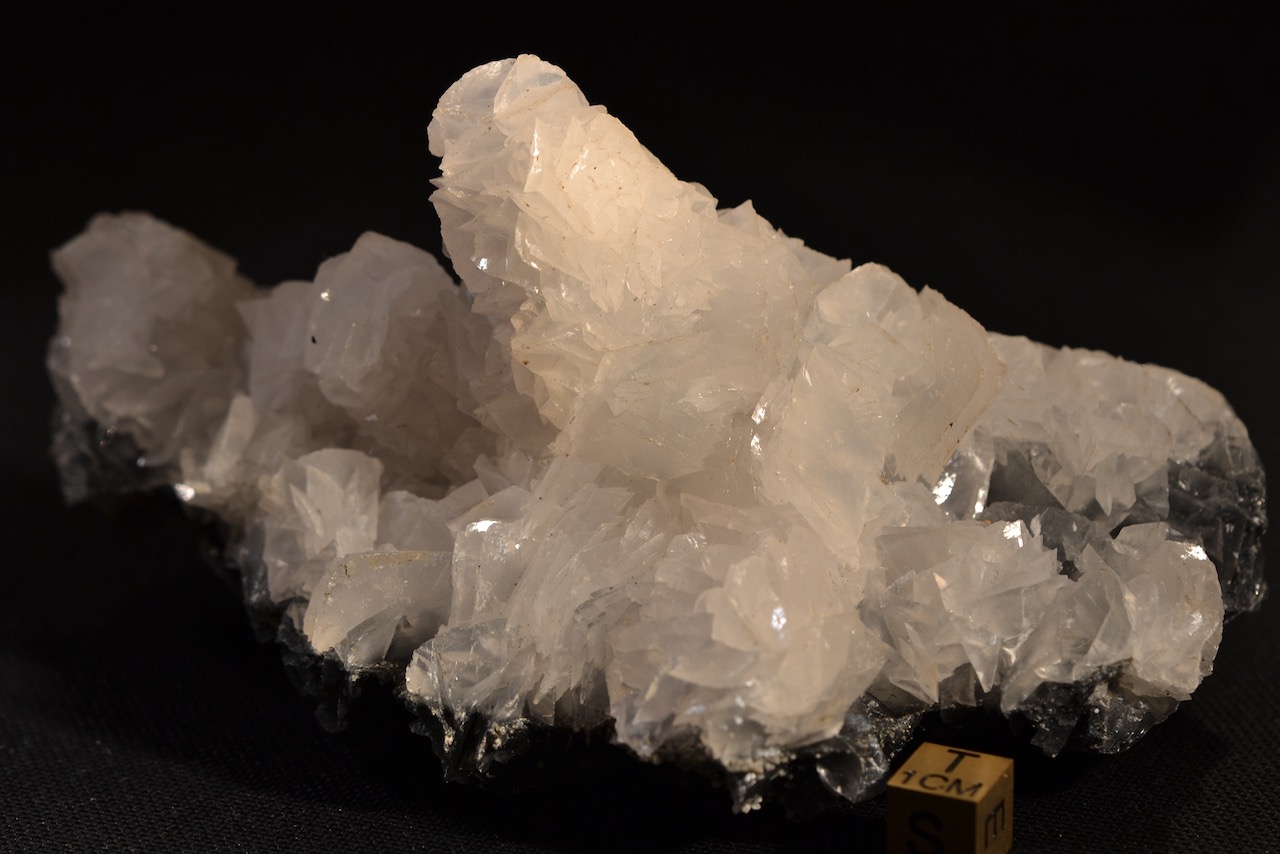
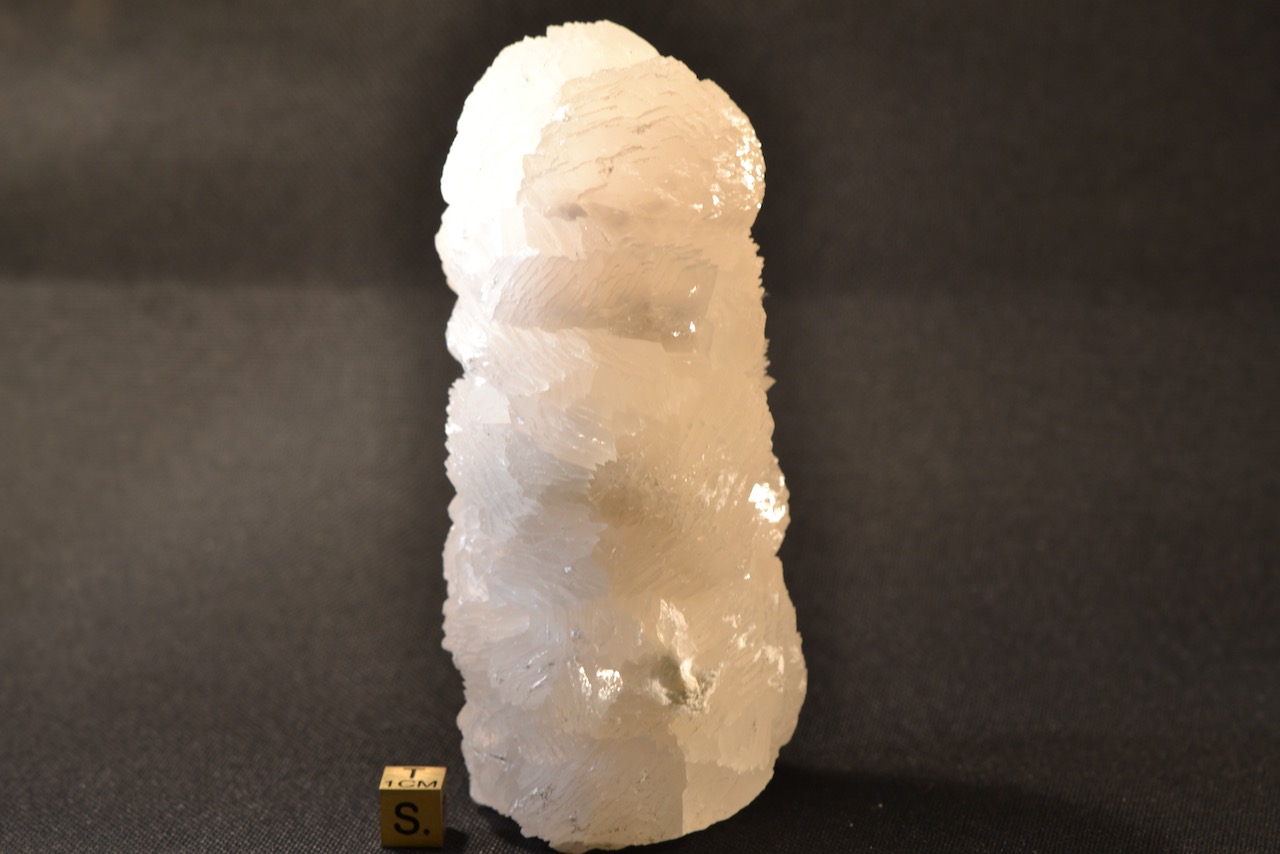
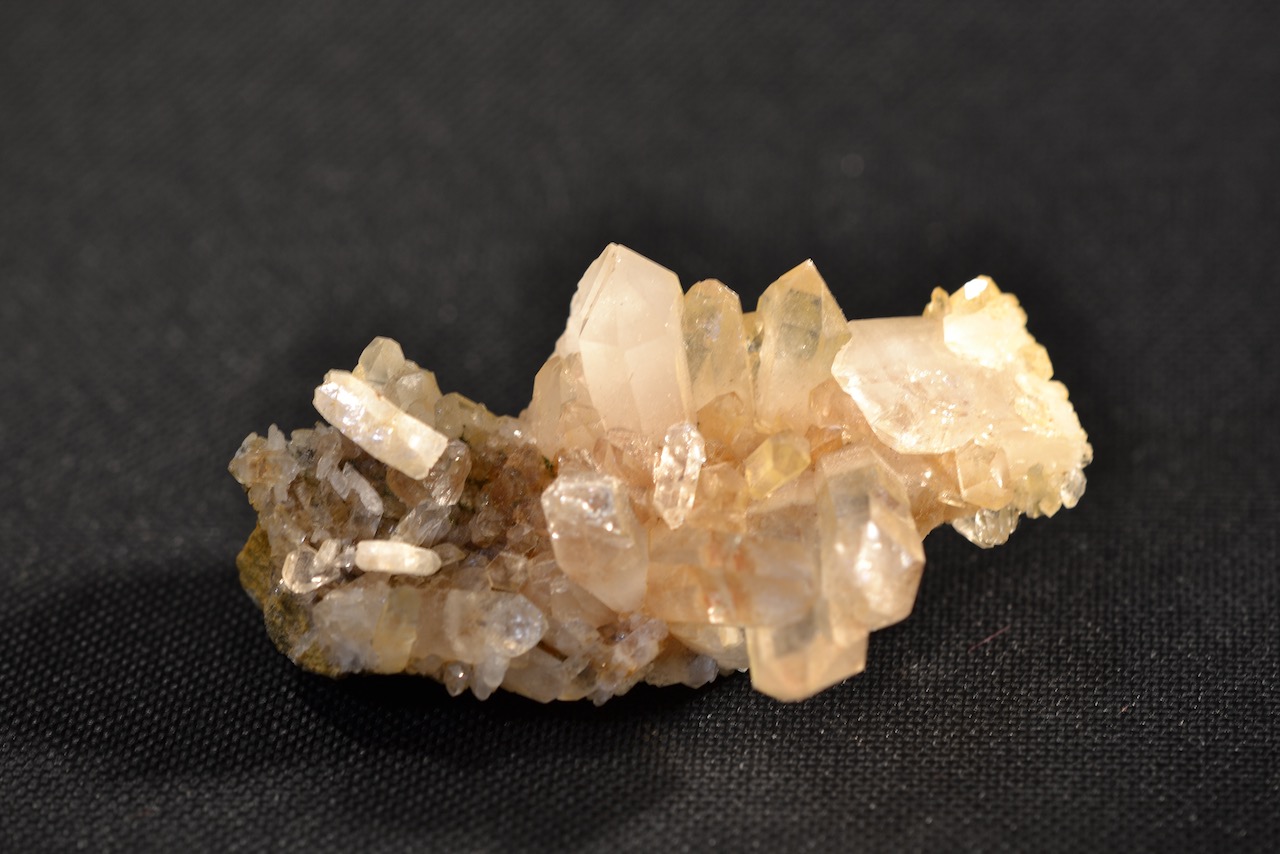
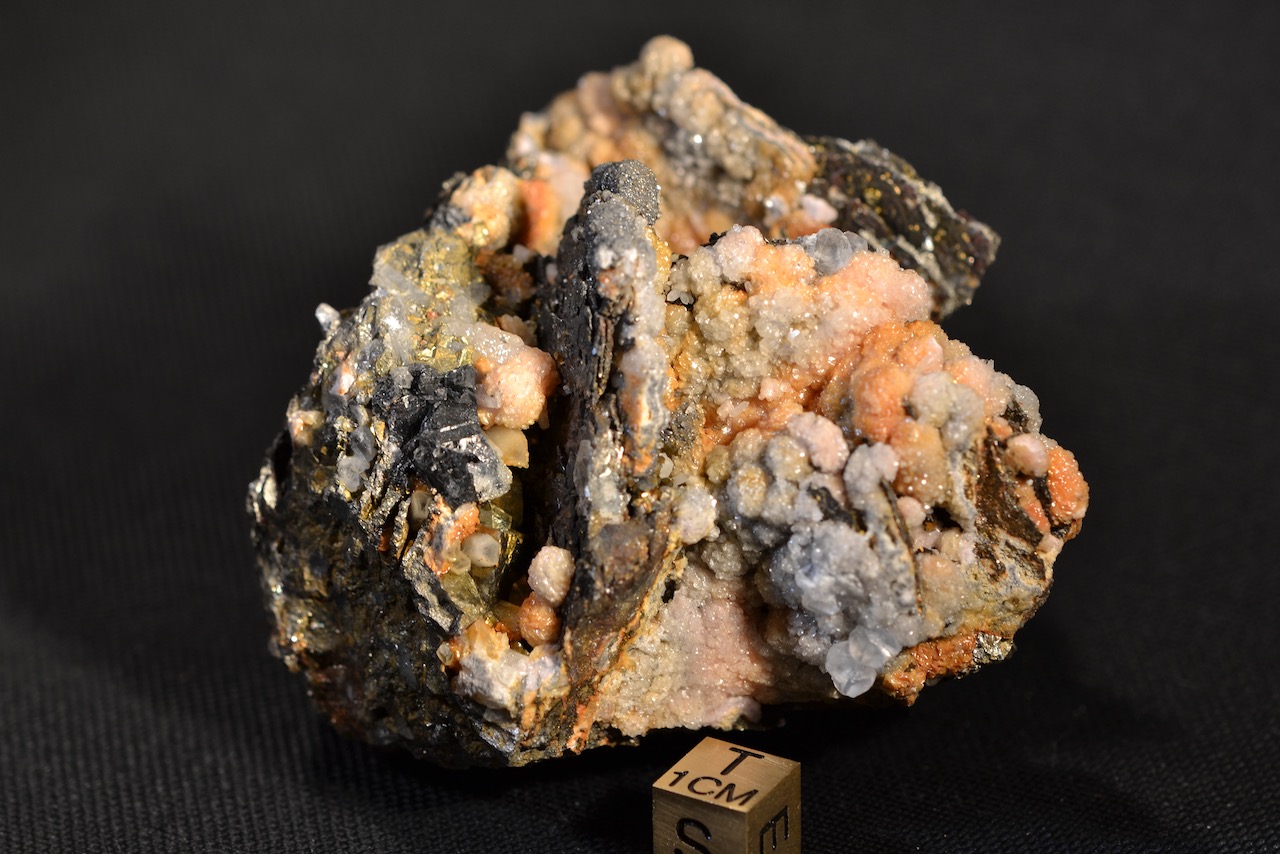
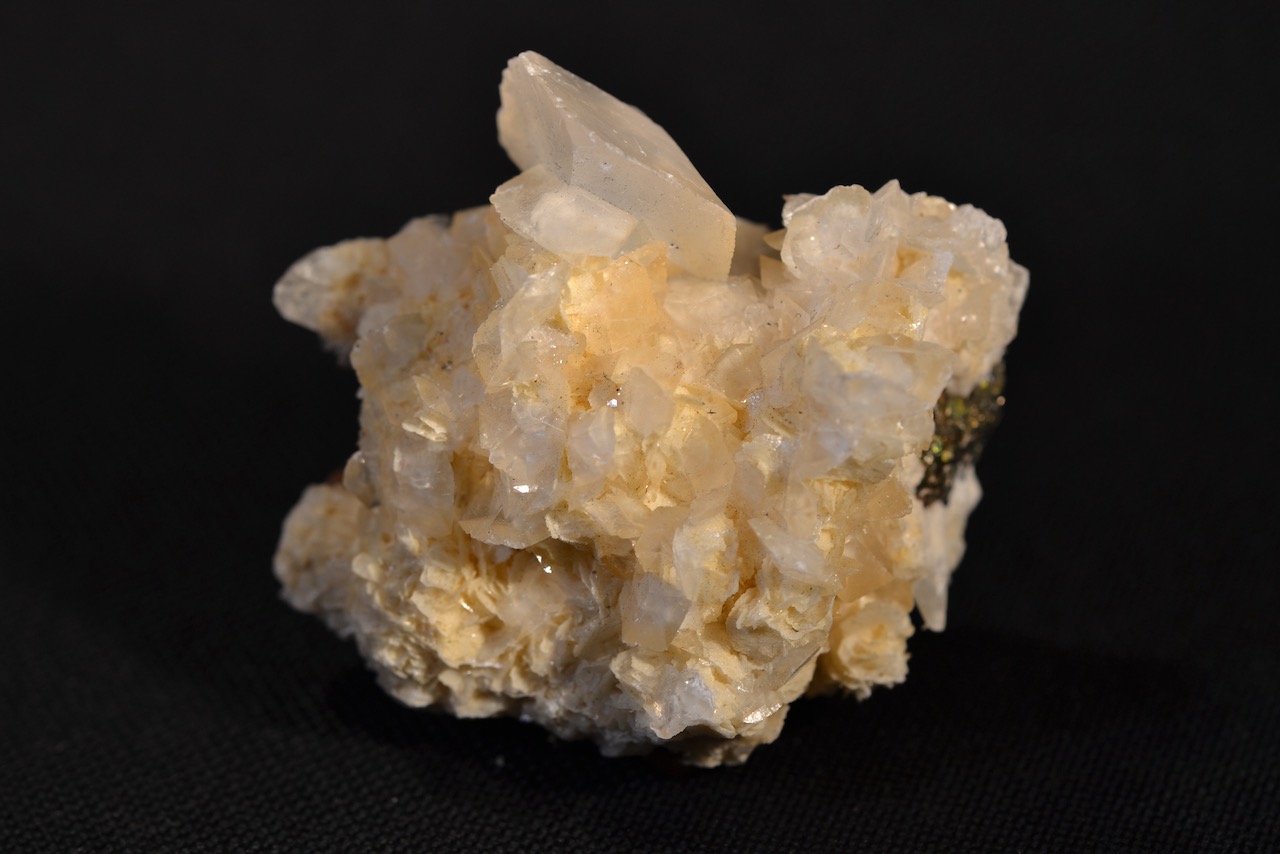
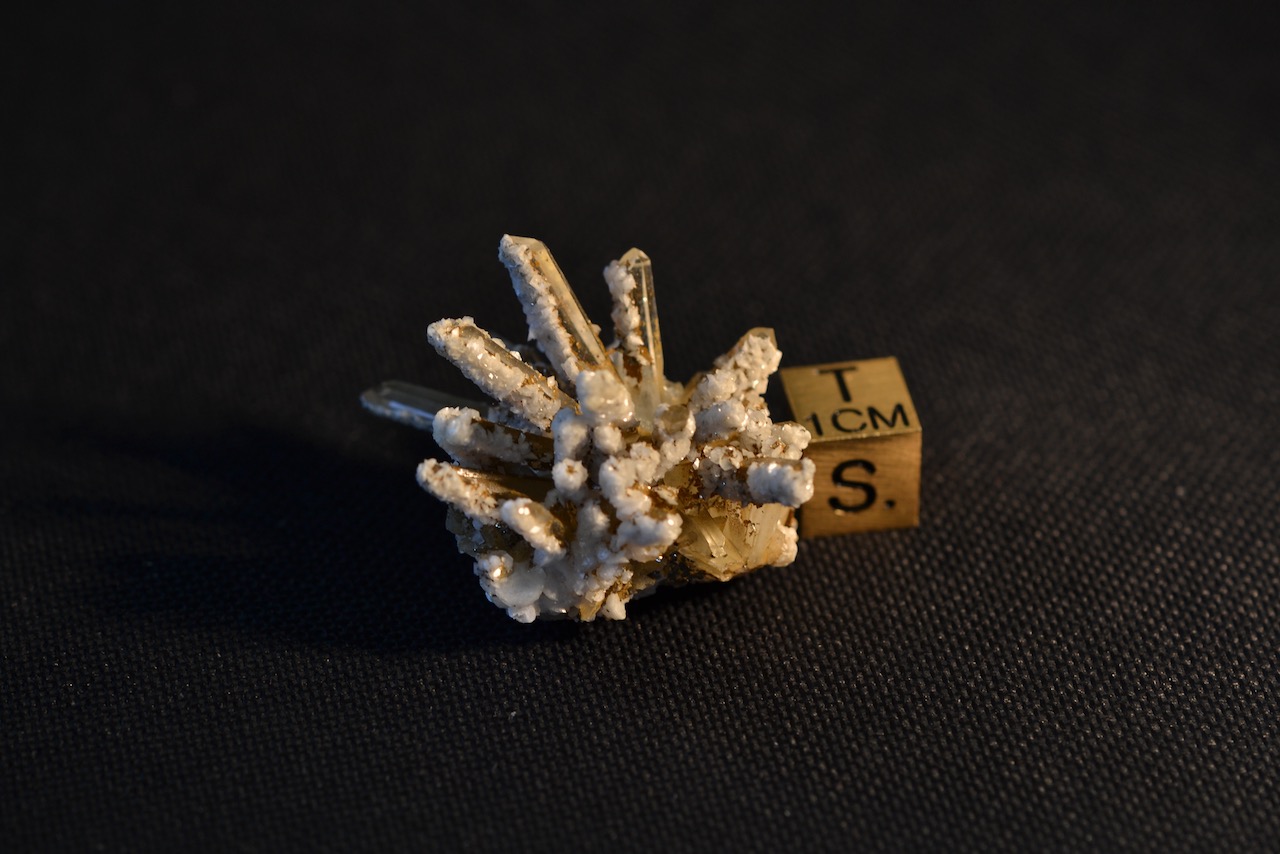
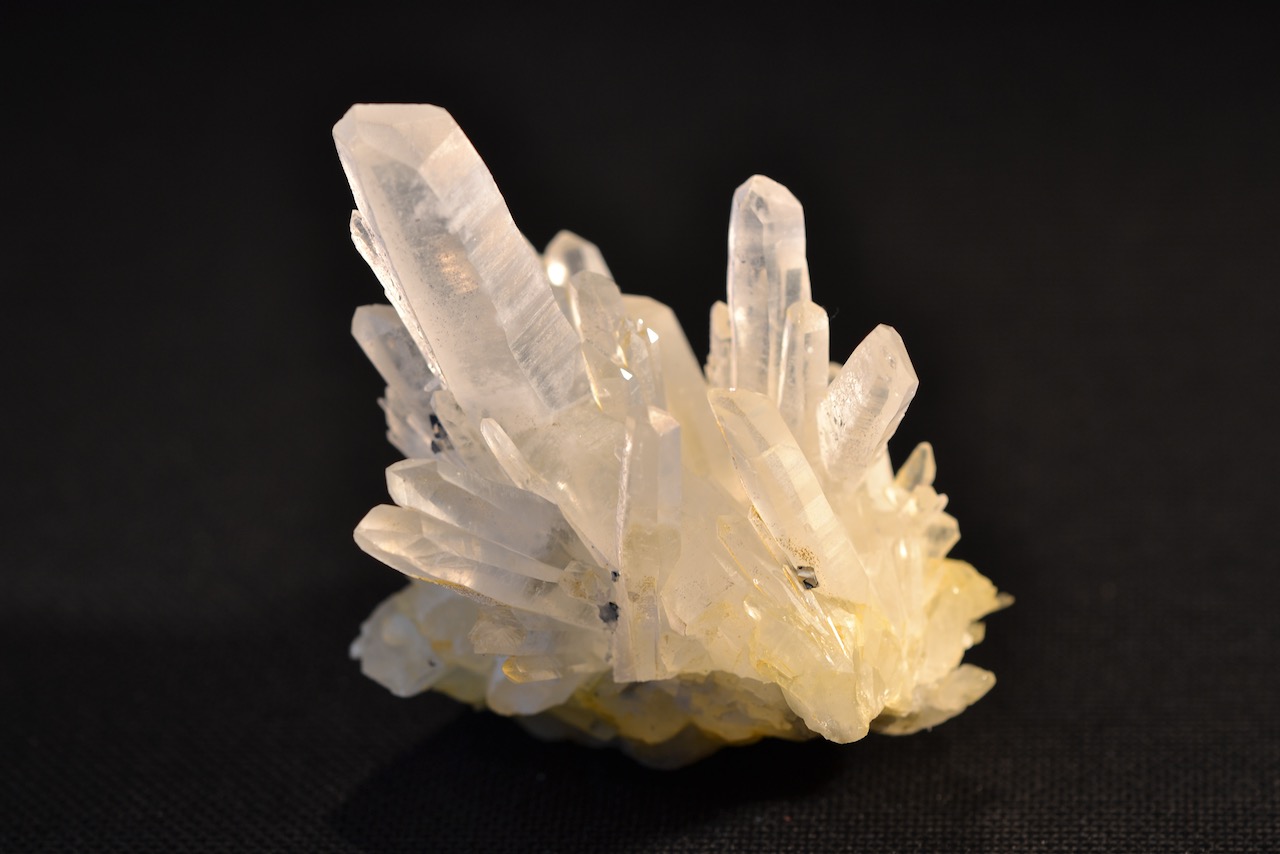
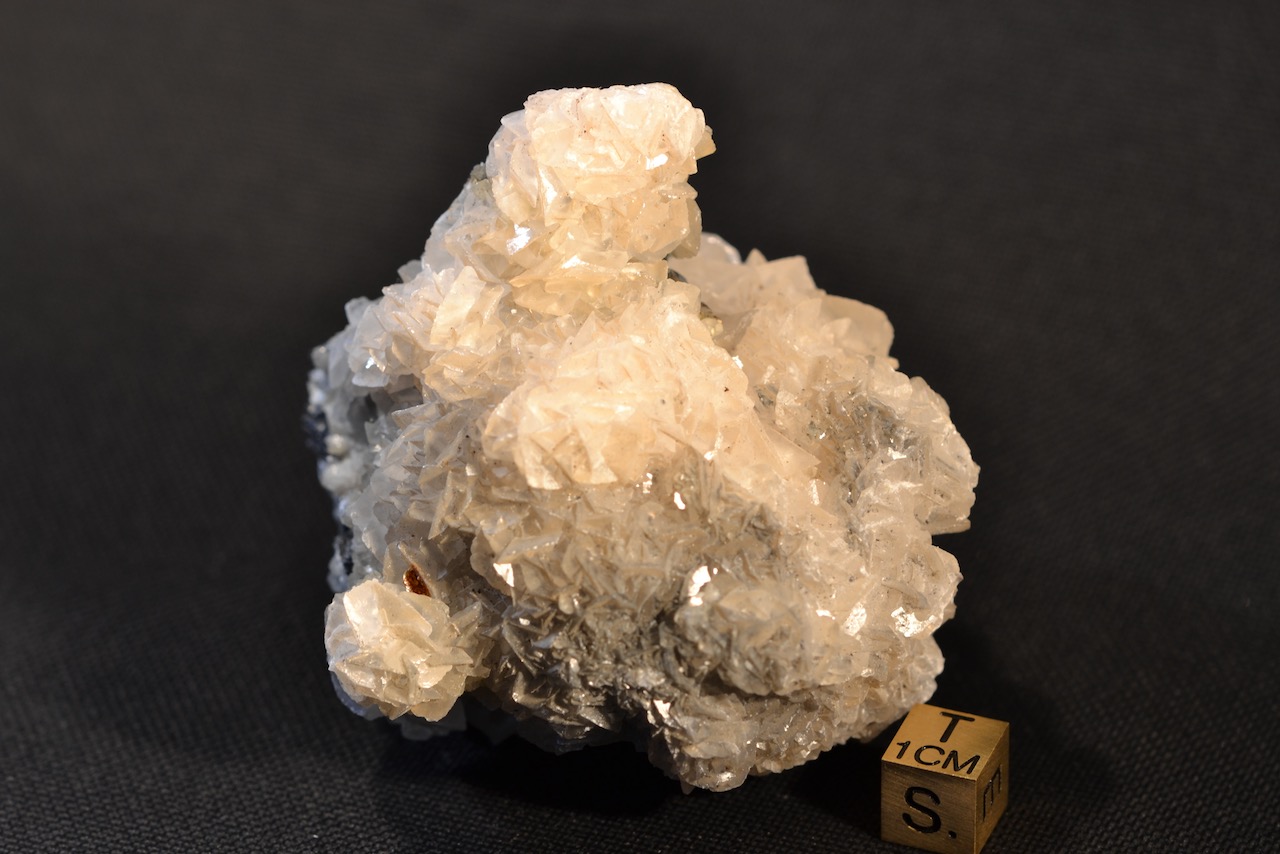
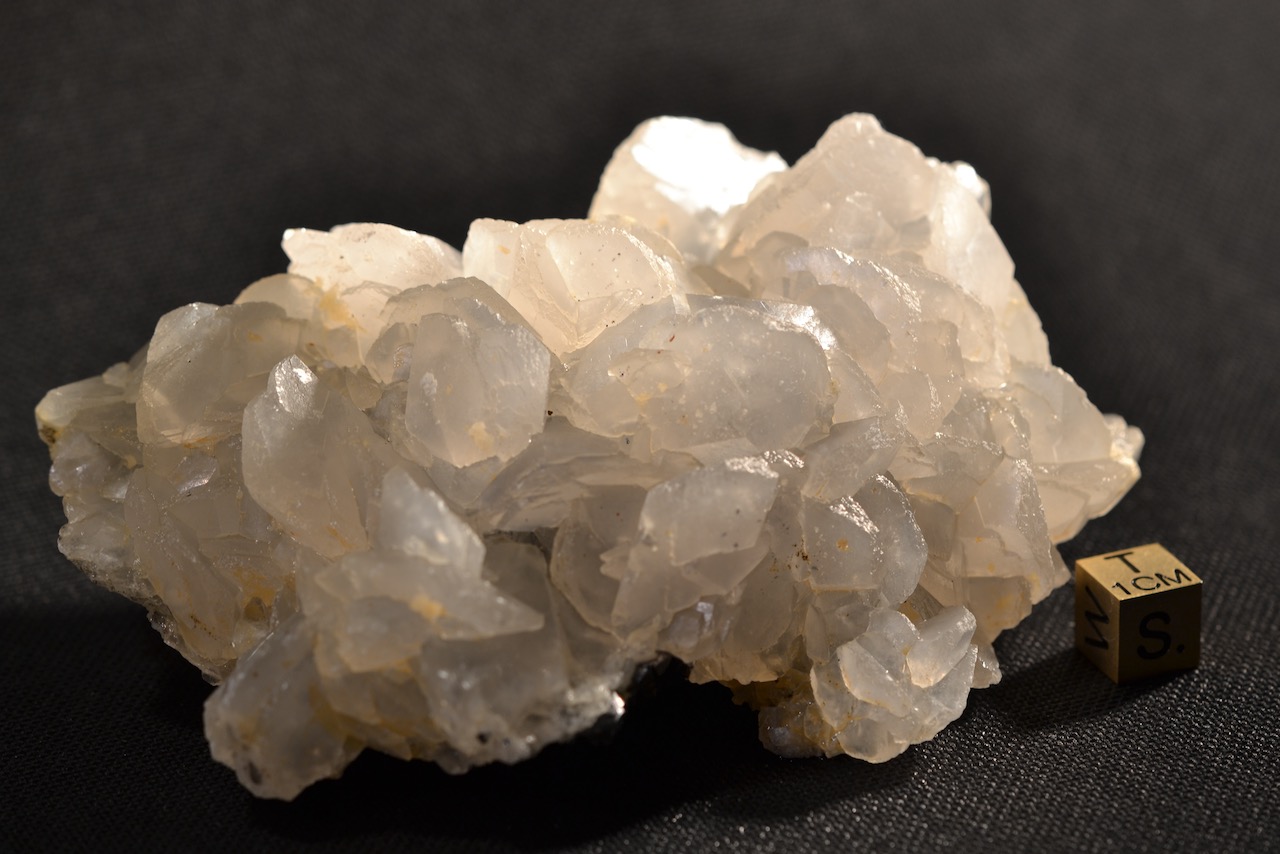
- Quartz, Calcite, and Dolomite: Adding delicate contrasts of white and pink to the metallic minerals.
Each specimen tells a story of intense heat, pressure, and time — a natural artwork formed in darkness, brought to light by human hands.
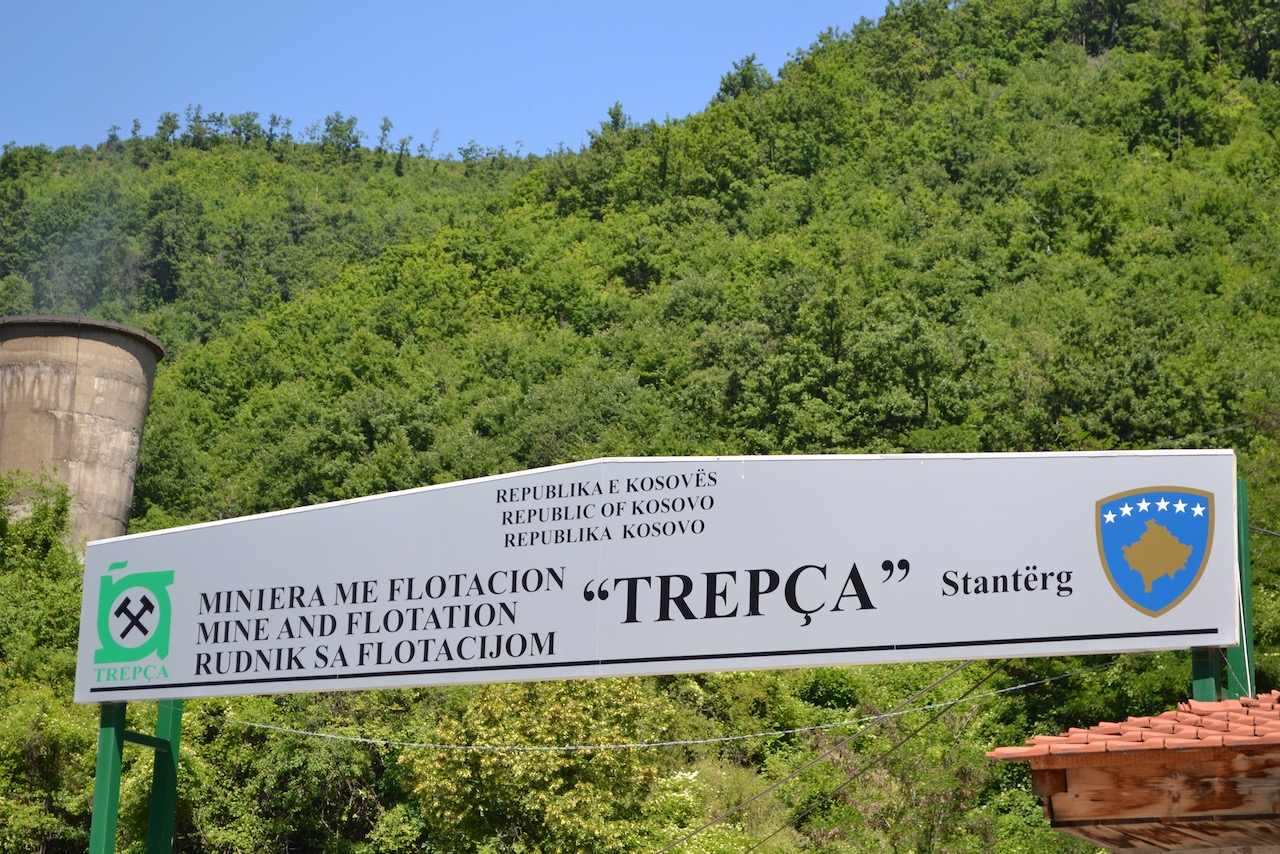
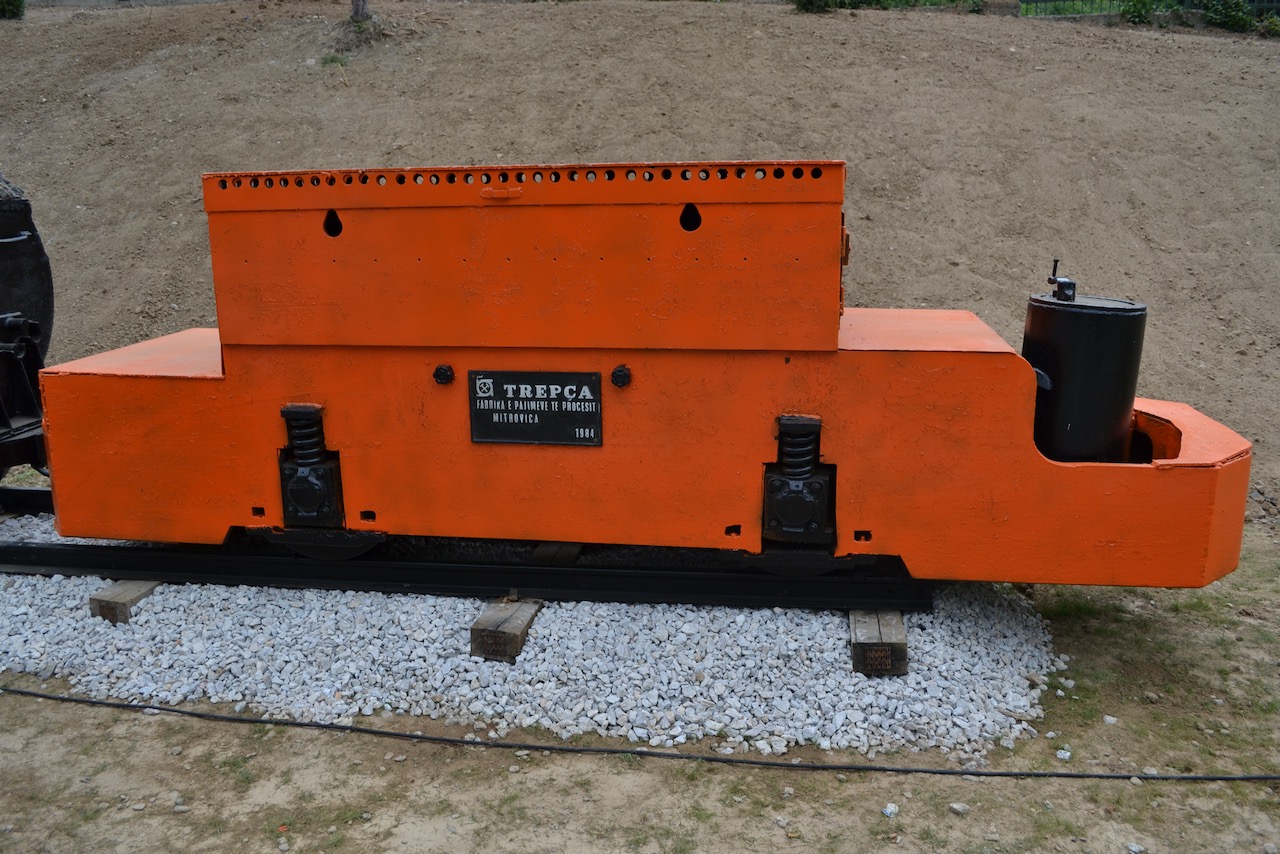

The Trepča Museum and Legacy
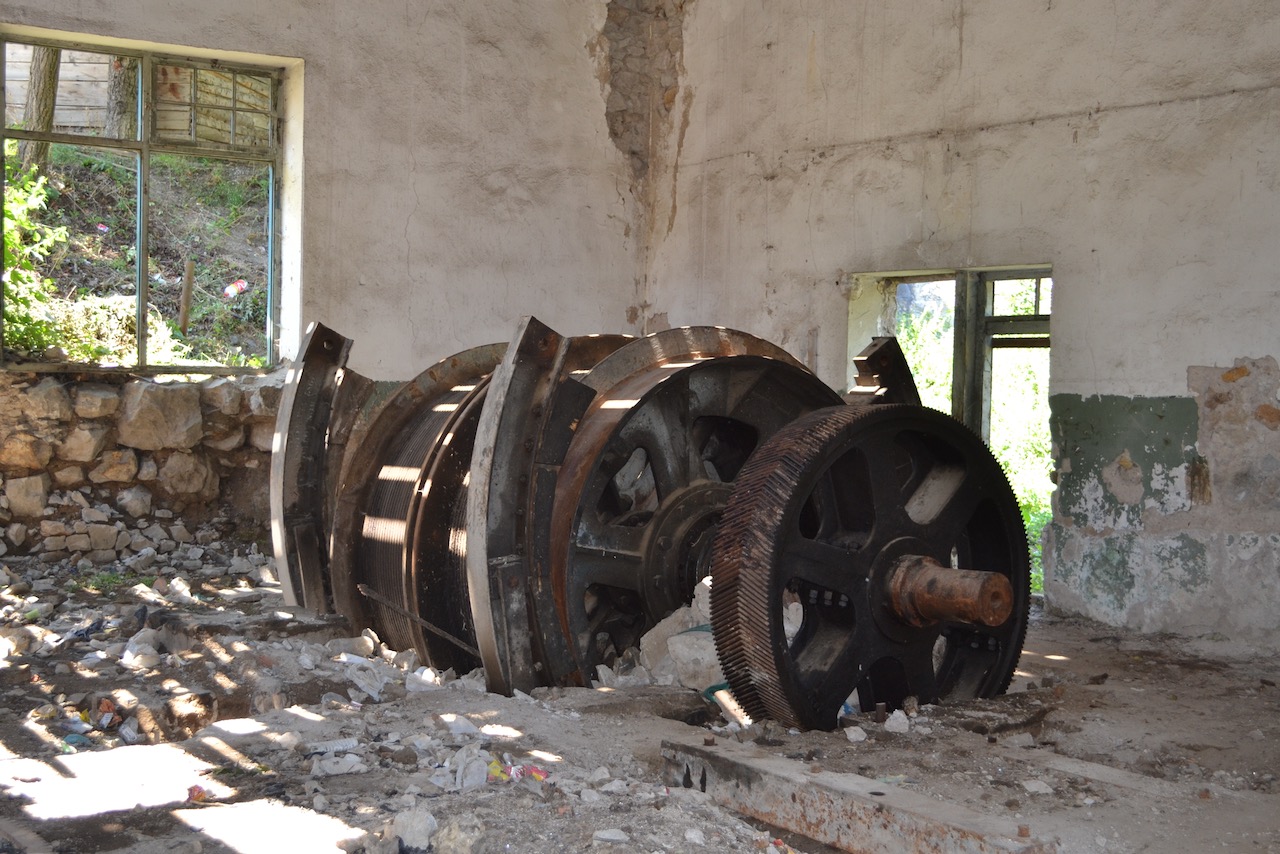
Just beside the mine lies a small but fascinating museum, where visitors can see an impressive collection of Trepča minerals, historical mining tools, and photos that document the evolution of this site through the decades. It’s not only a showcase of natural beauty but also a tribute to the generations of miners who dedicated their lives to extracting these wonders.
The museum preserves the legacy of Trepča — a reminder that beyond the minerals and machinery lies a deep human story of endurance, discovery, and pride.
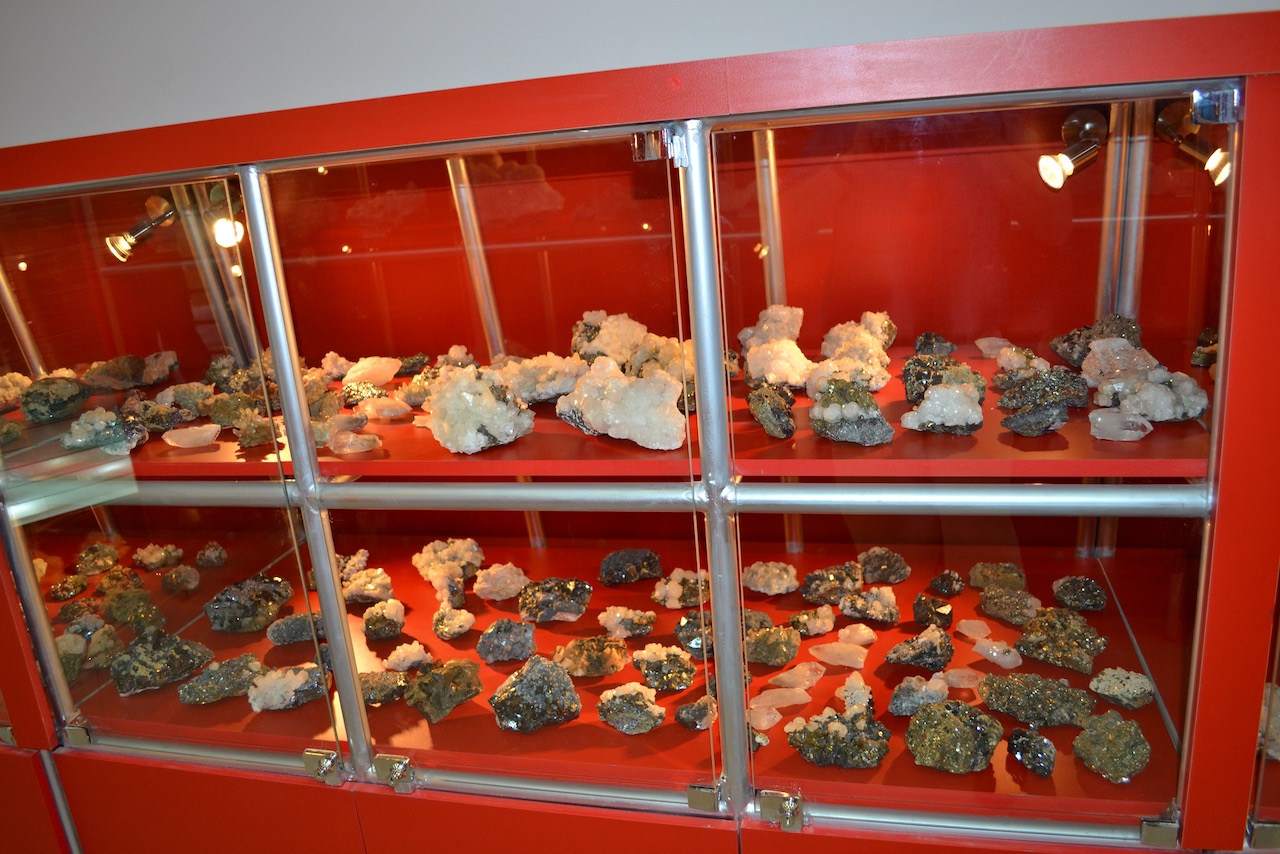
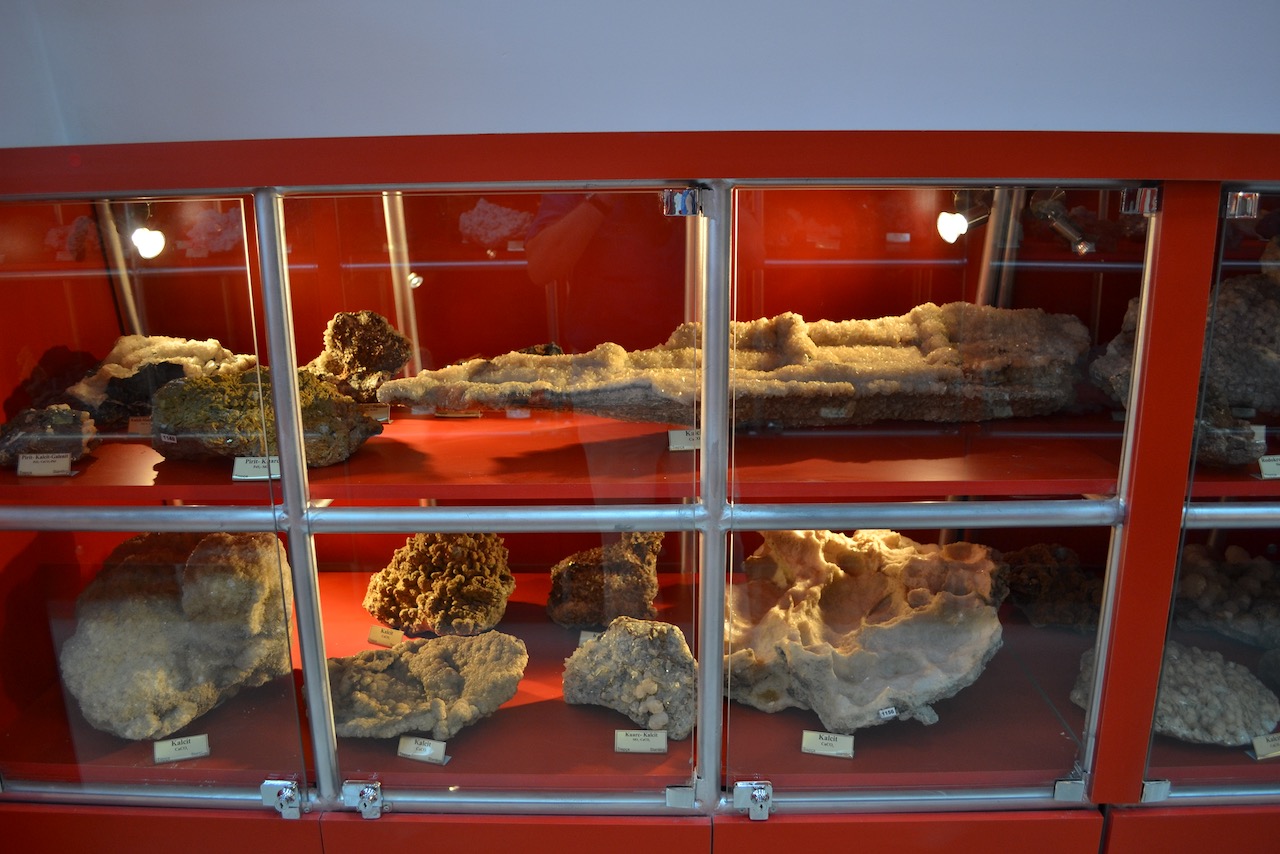
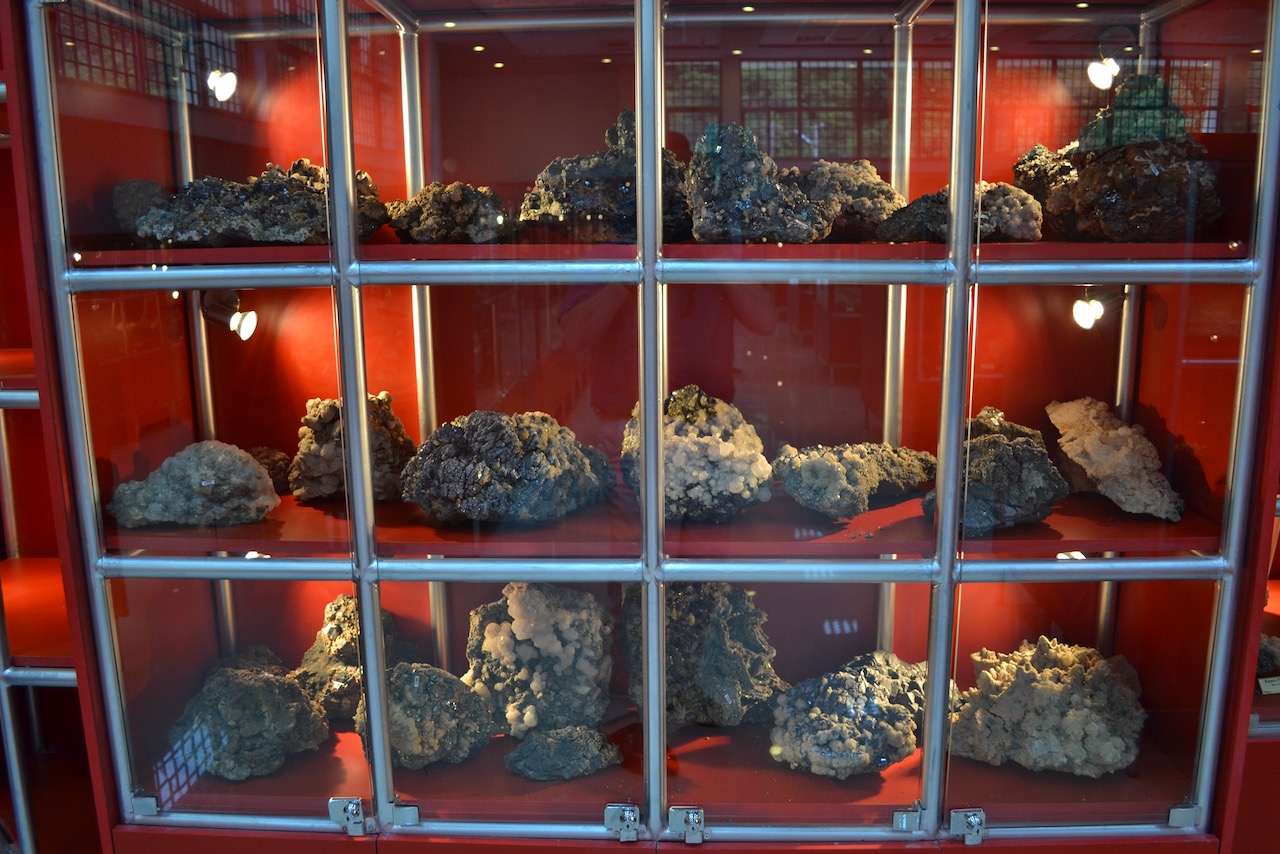
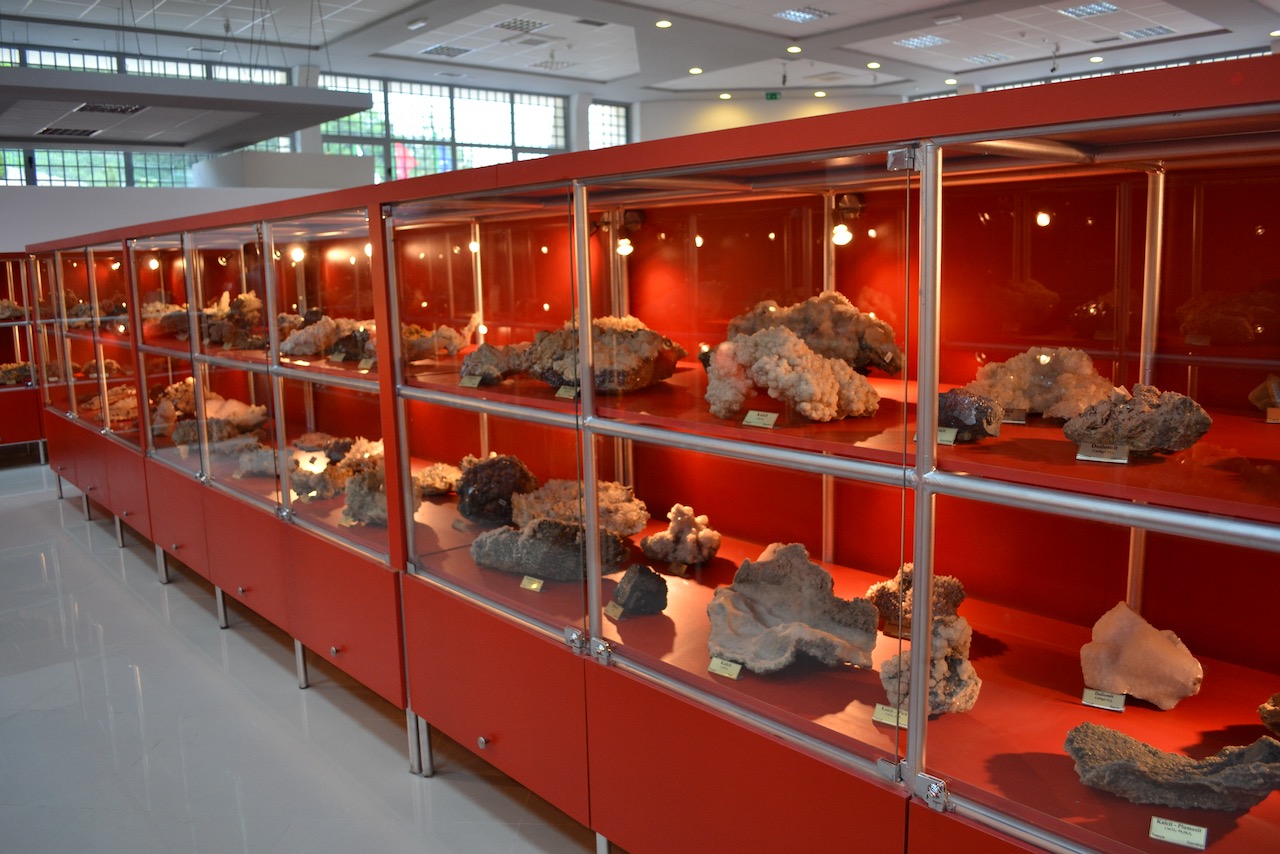
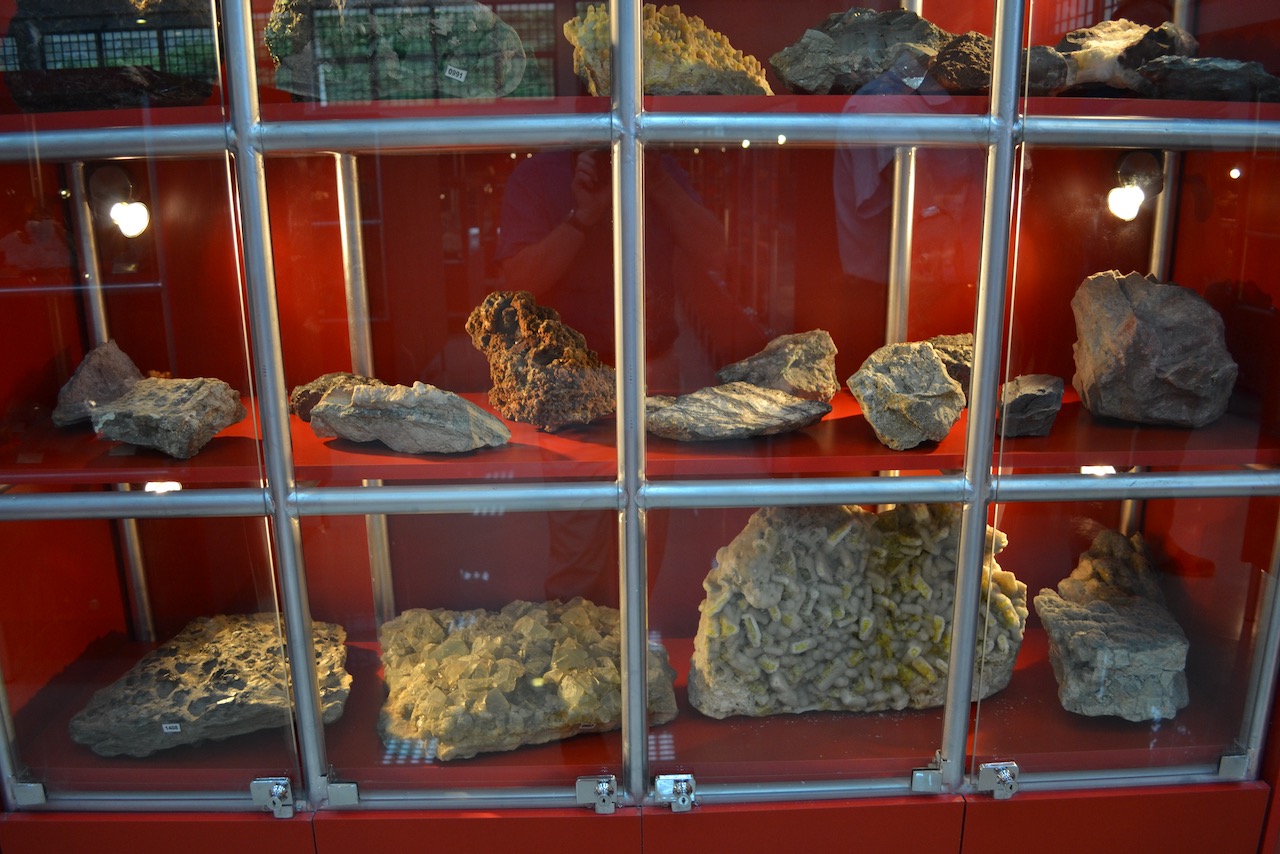
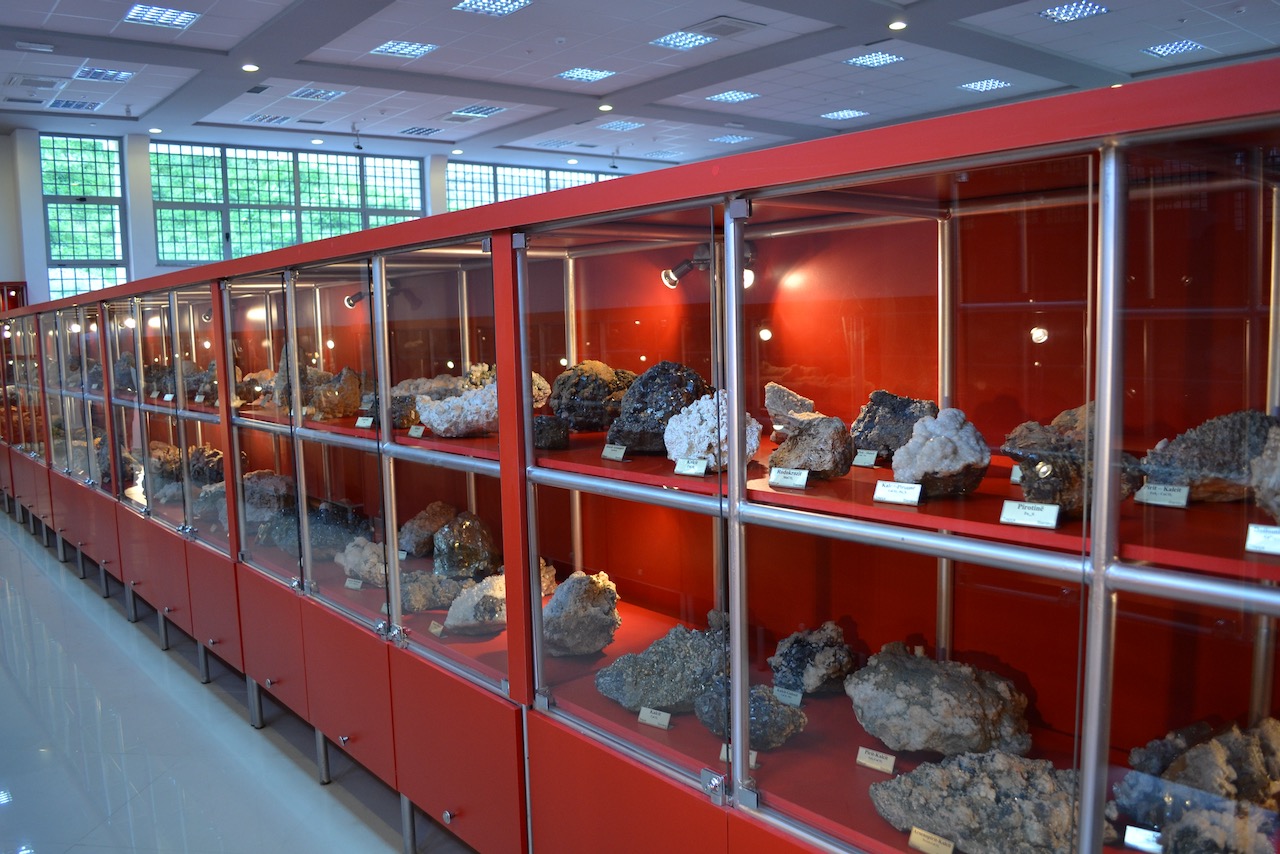
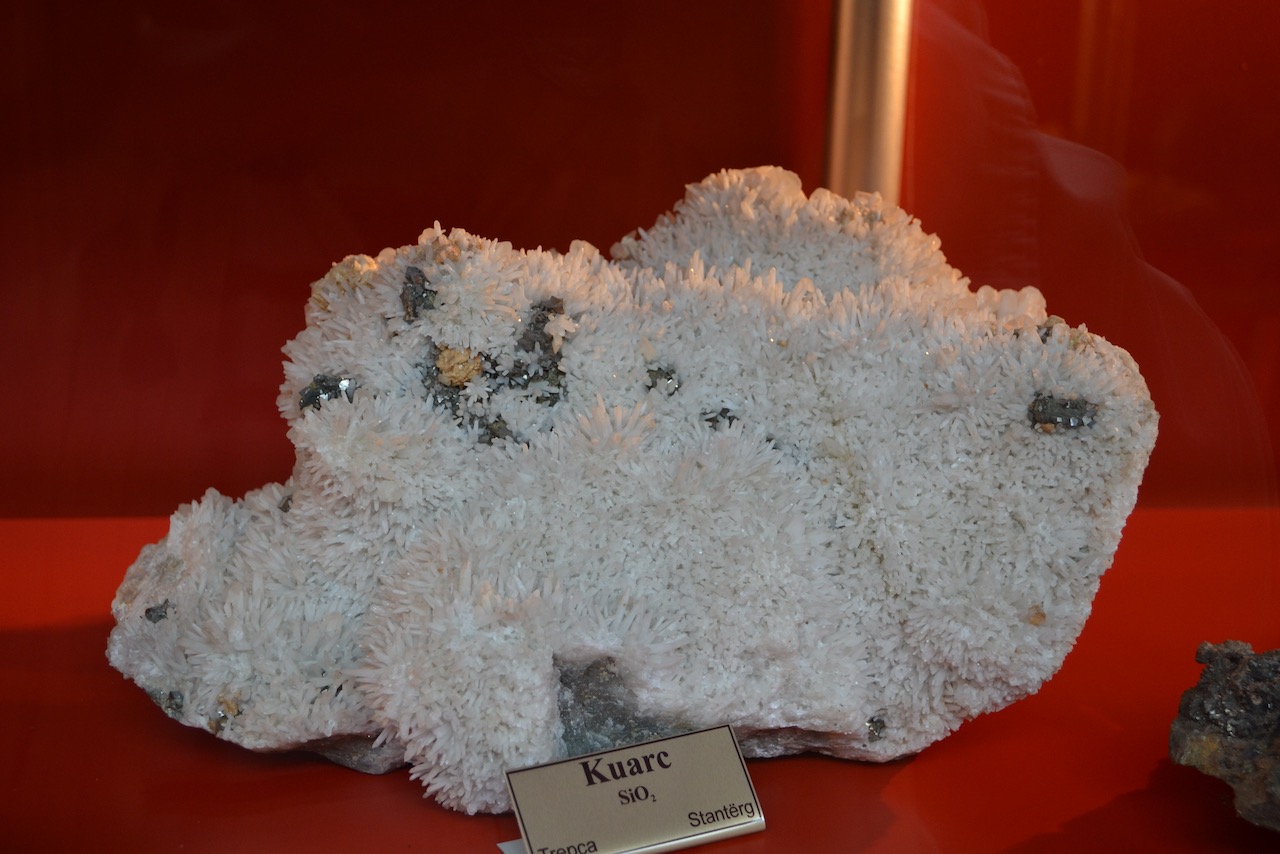
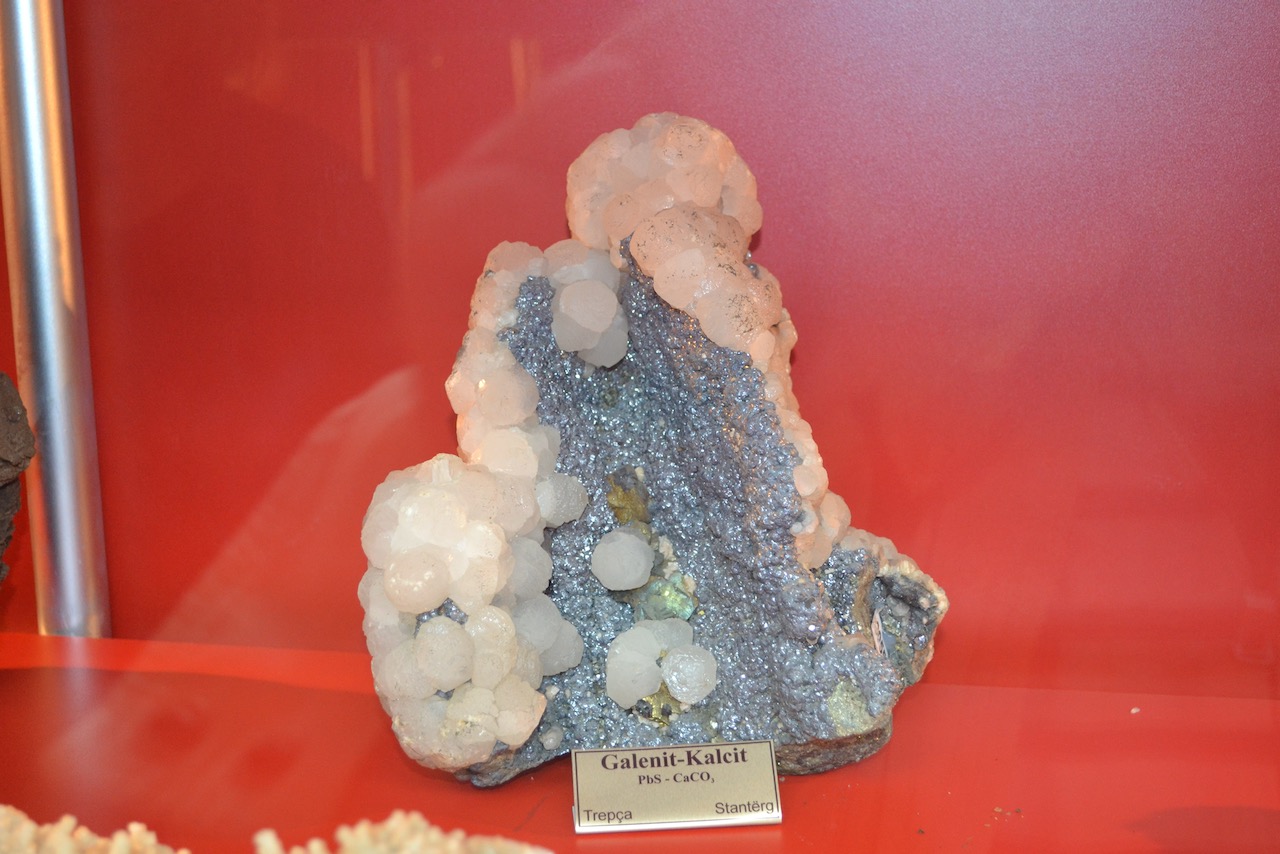
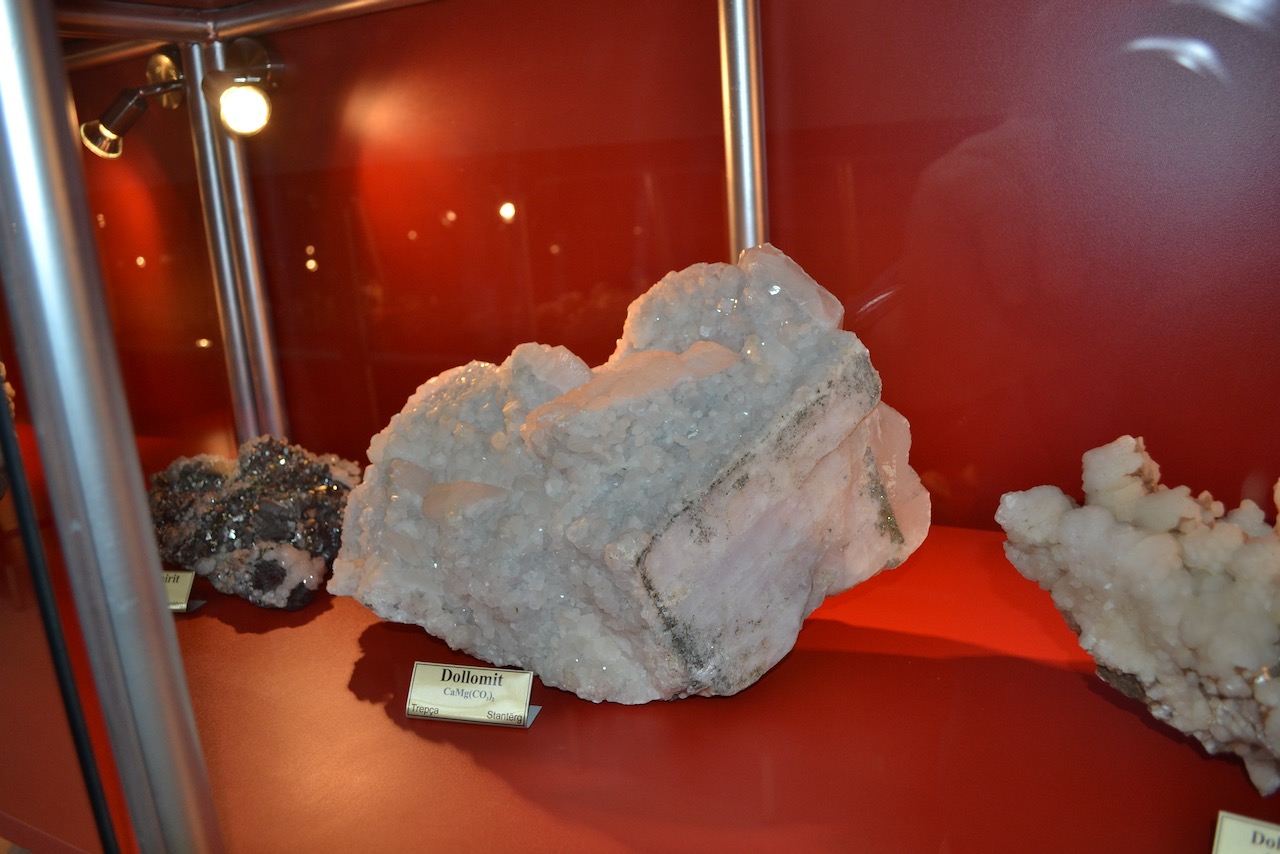
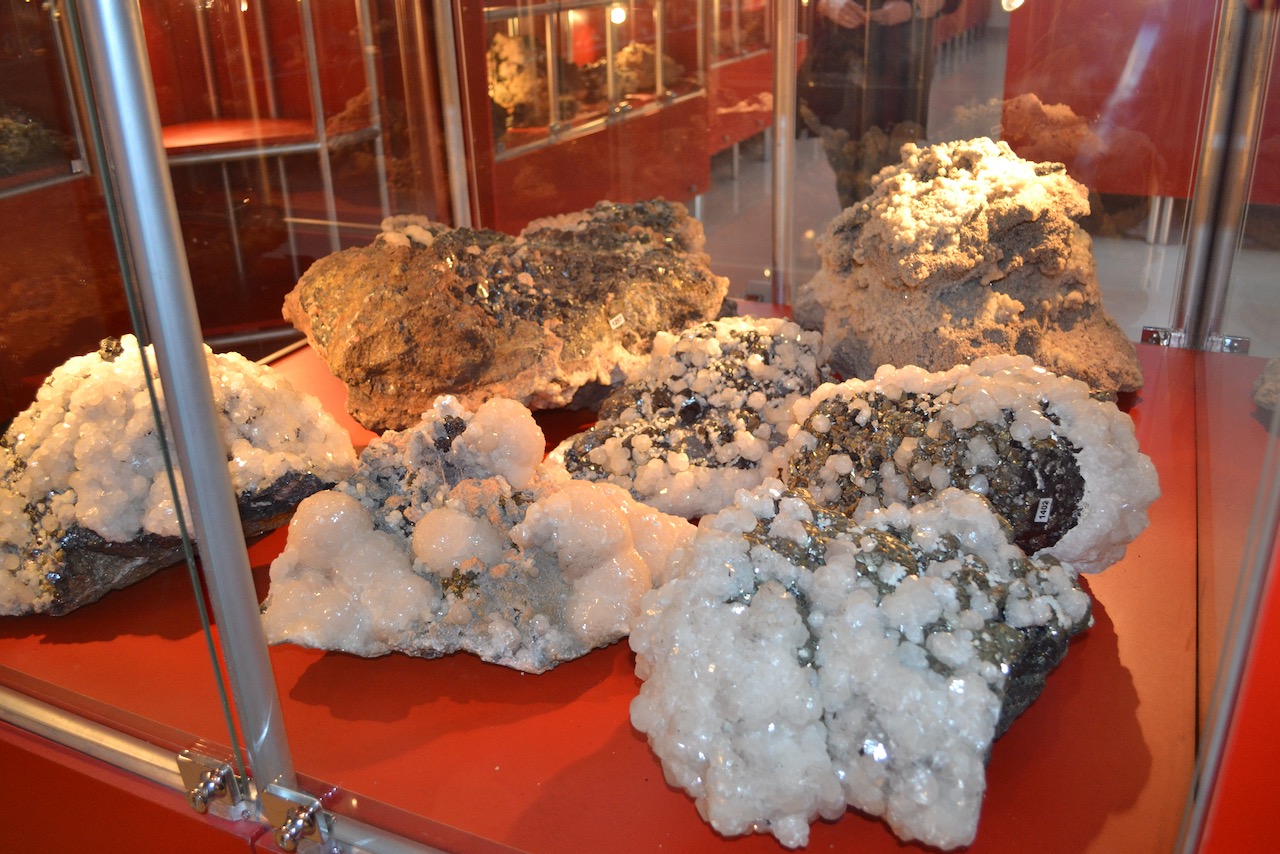
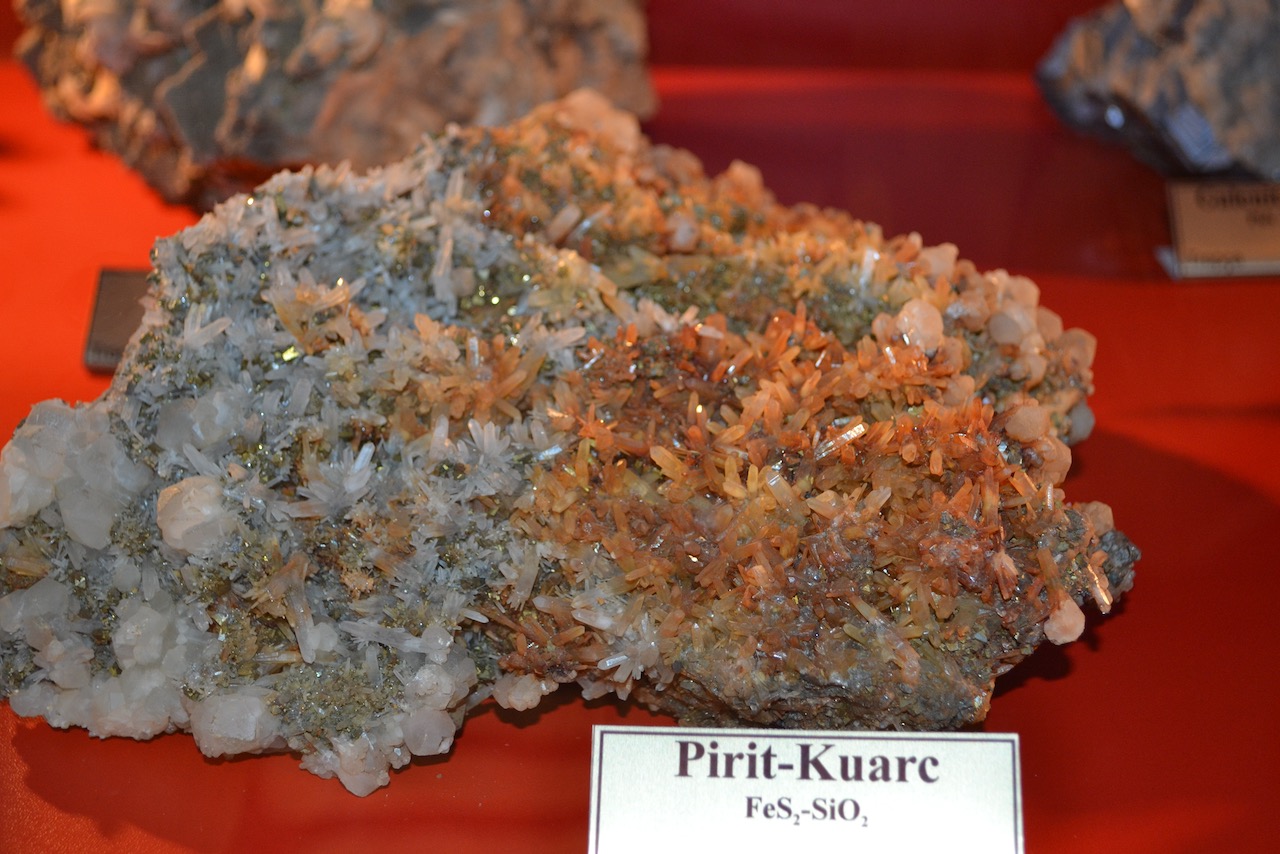
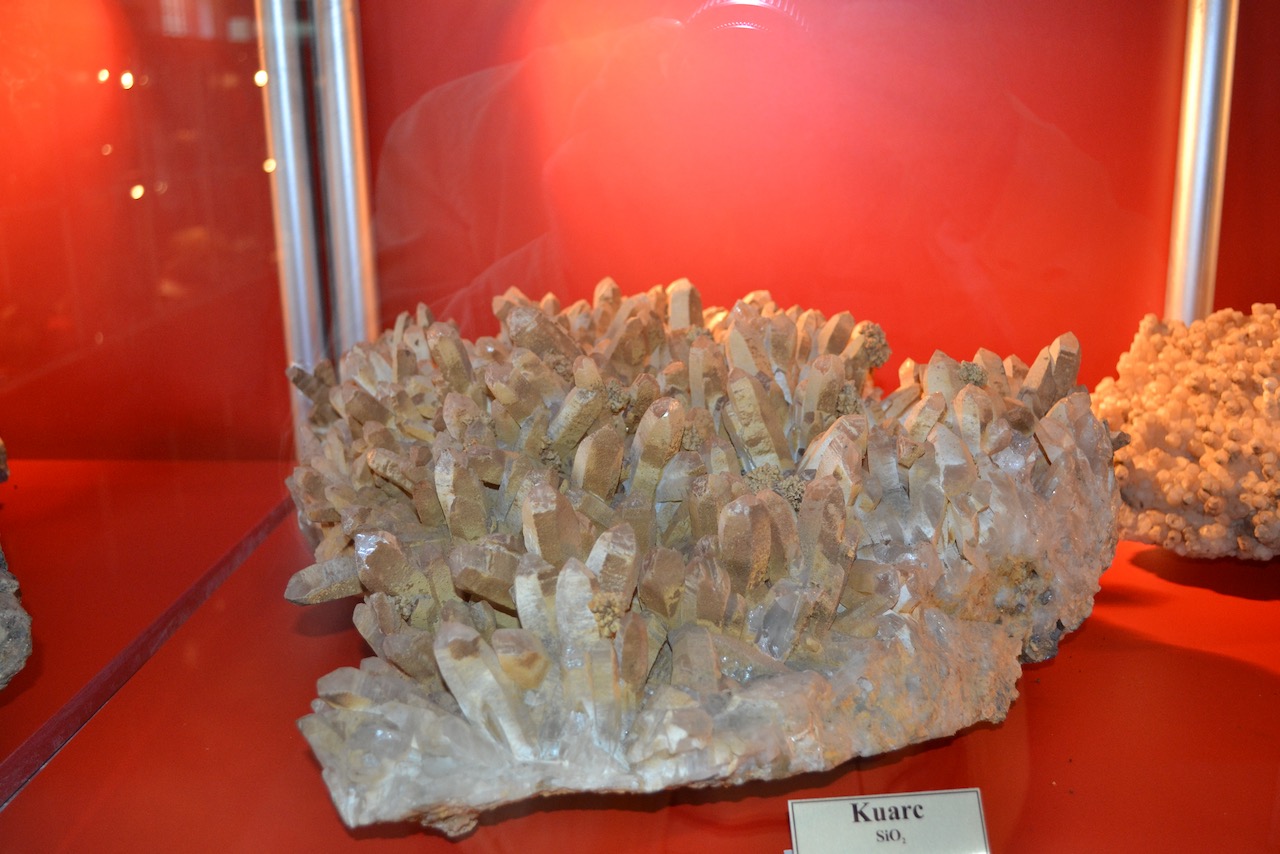
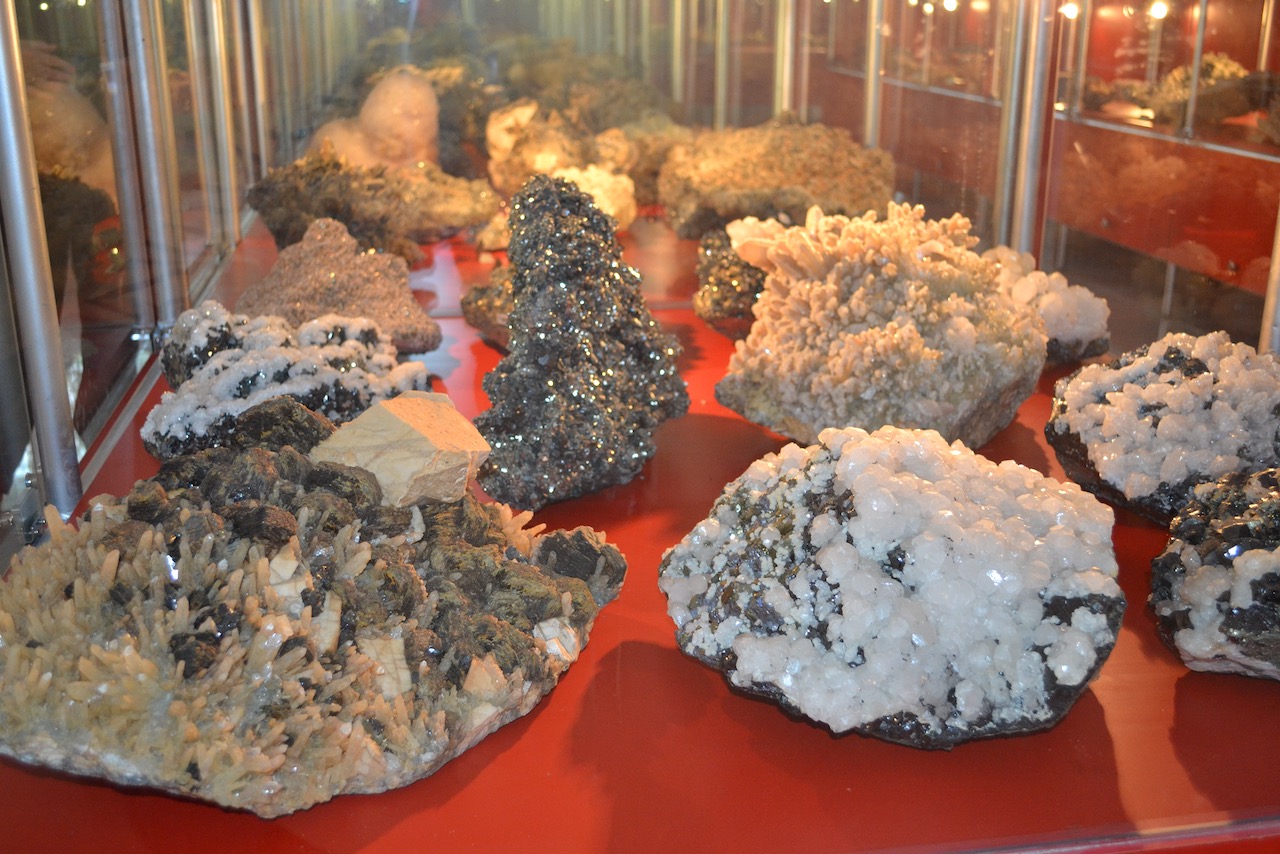
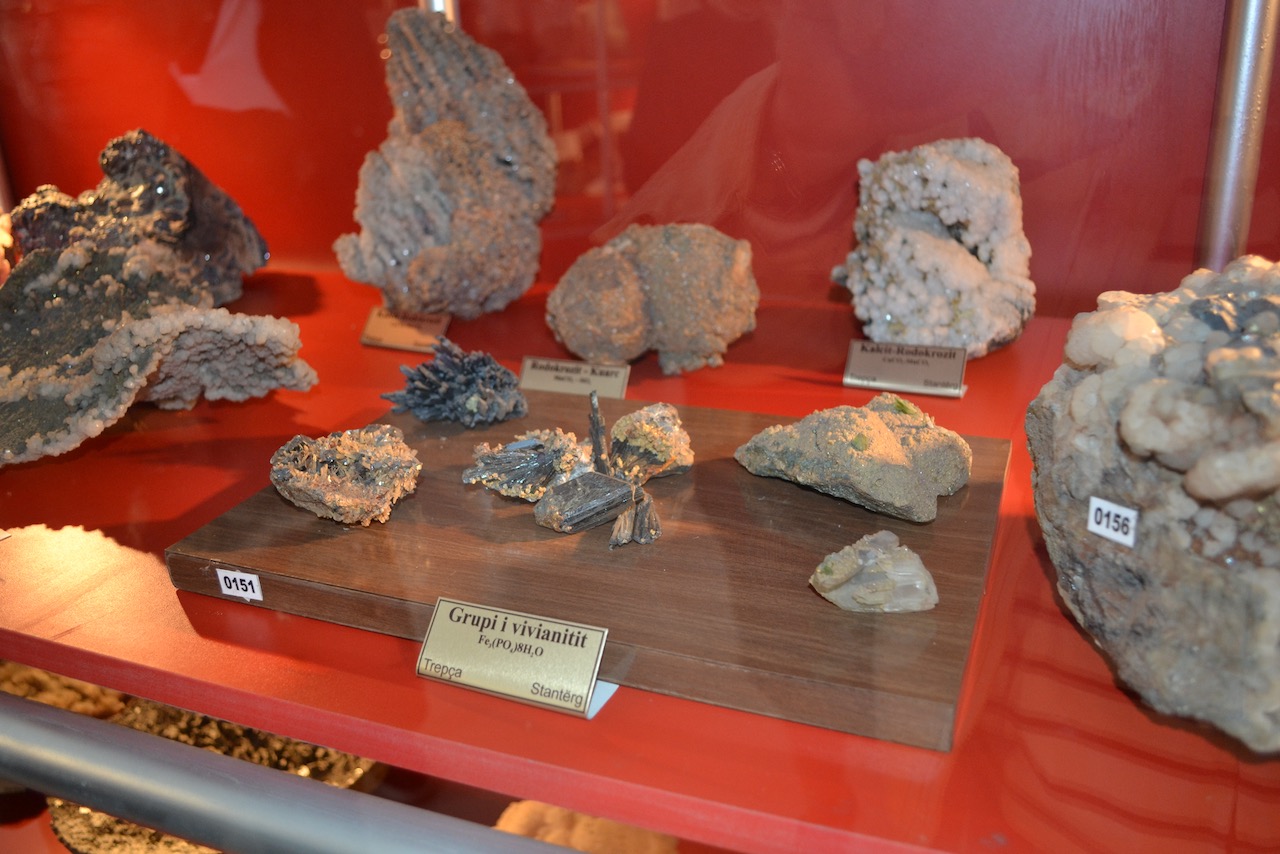
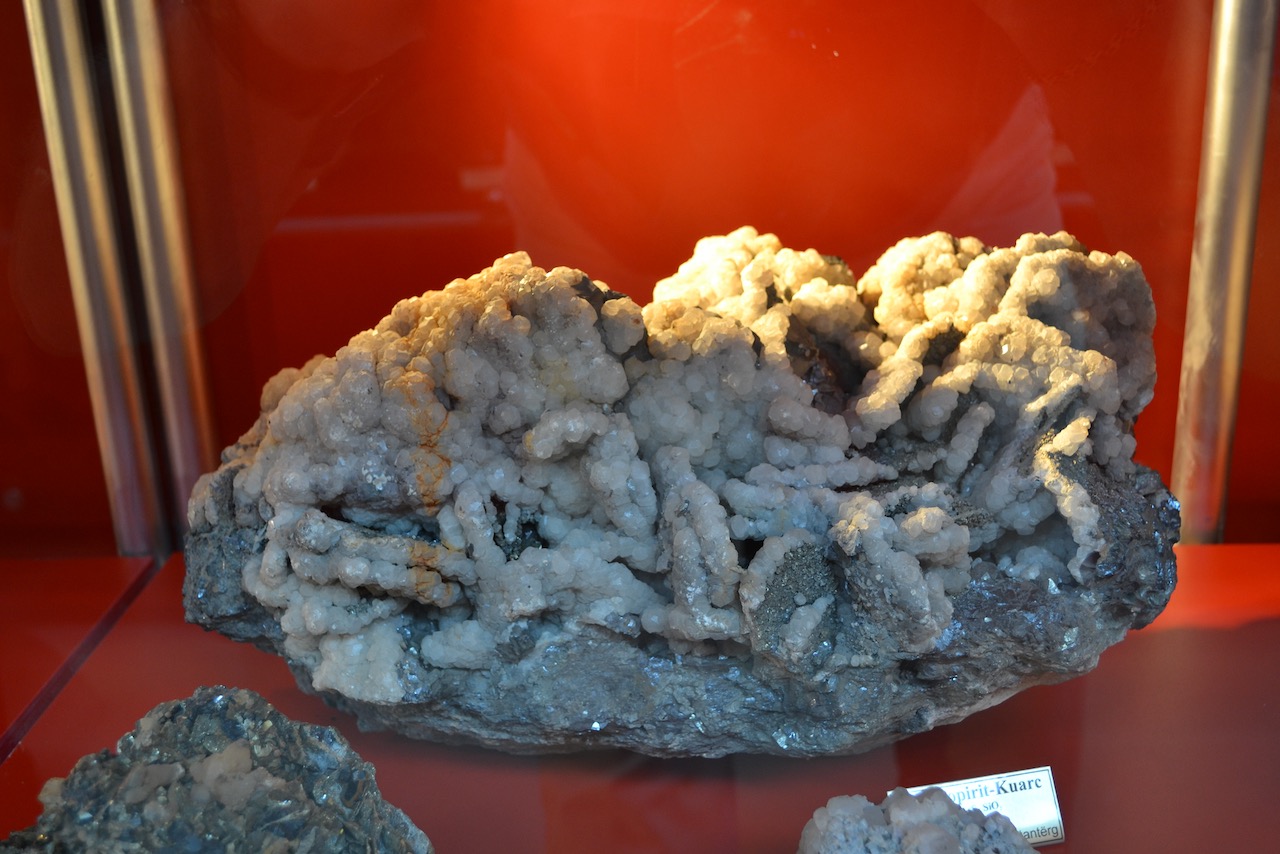
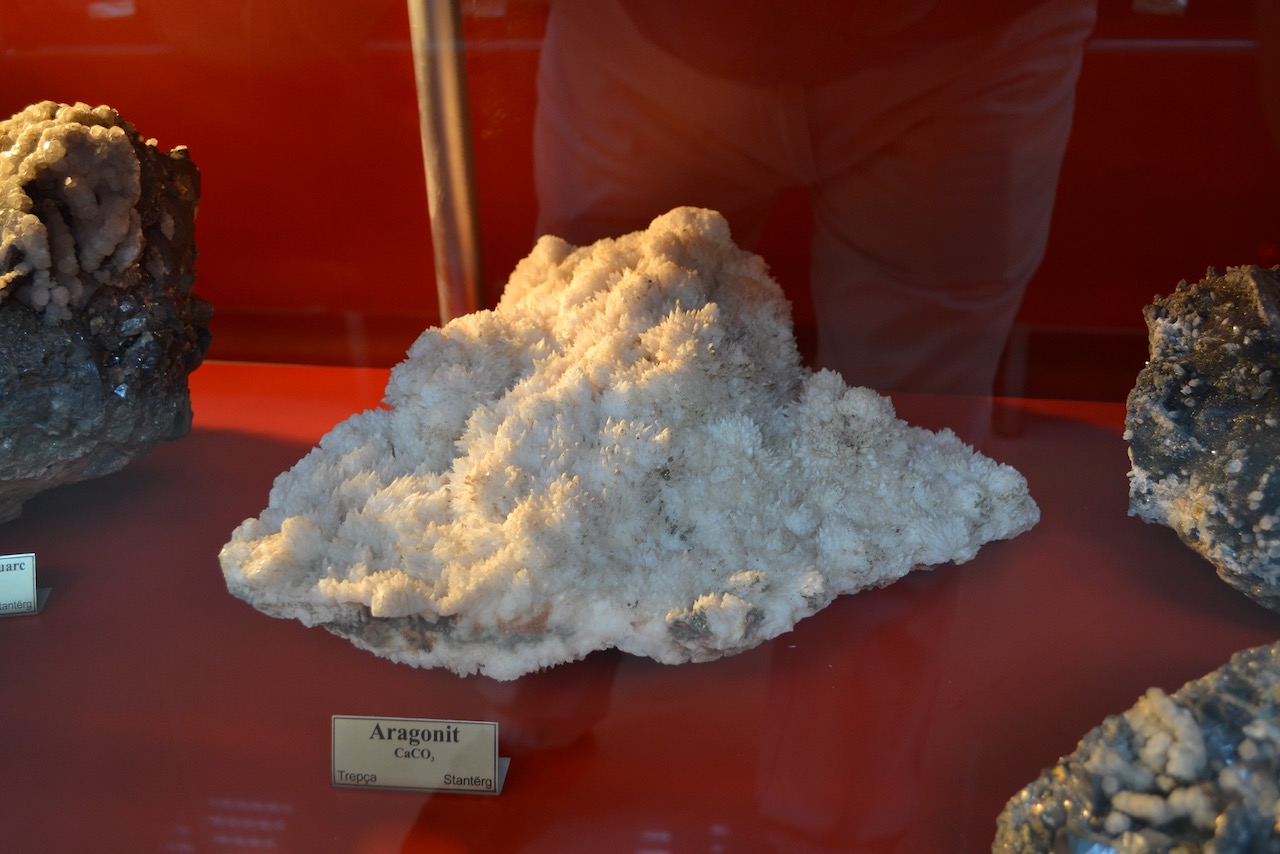
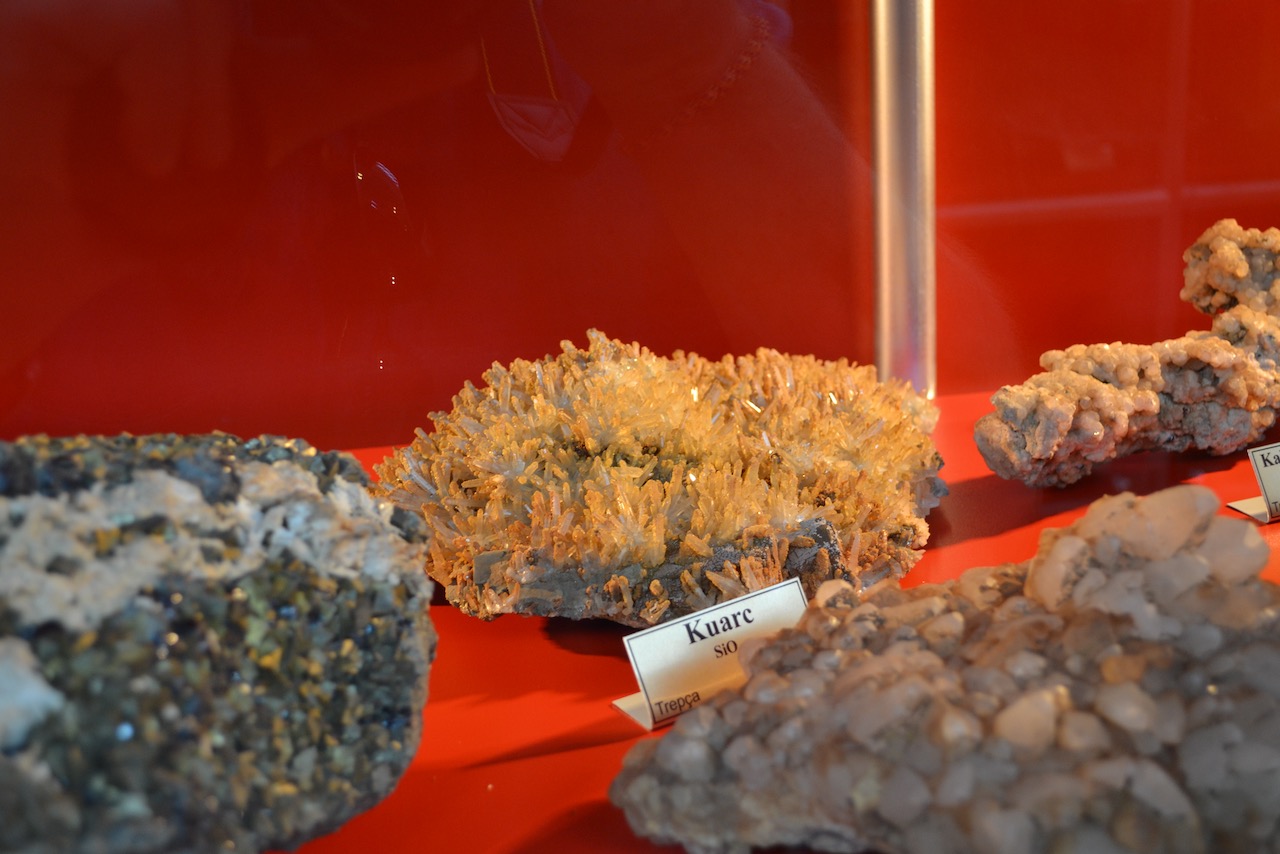
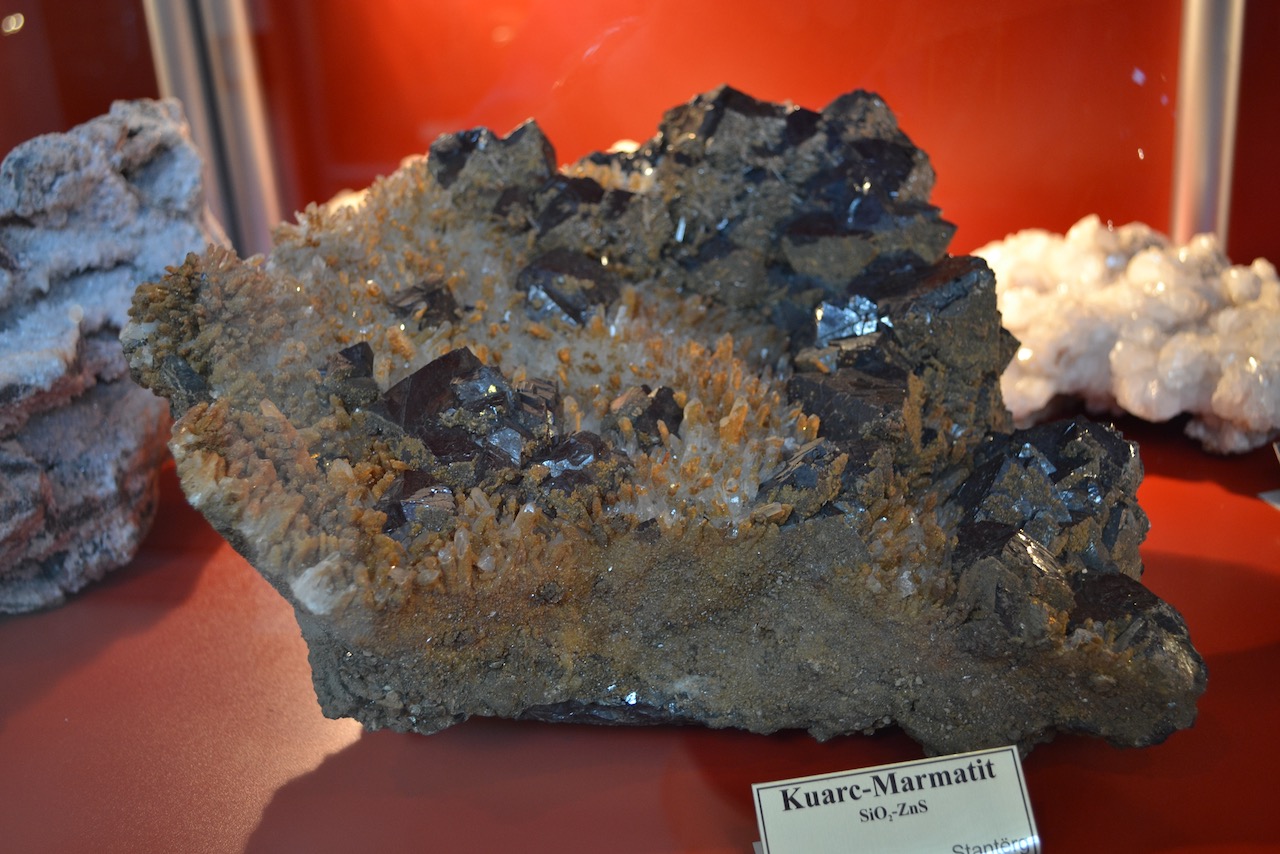
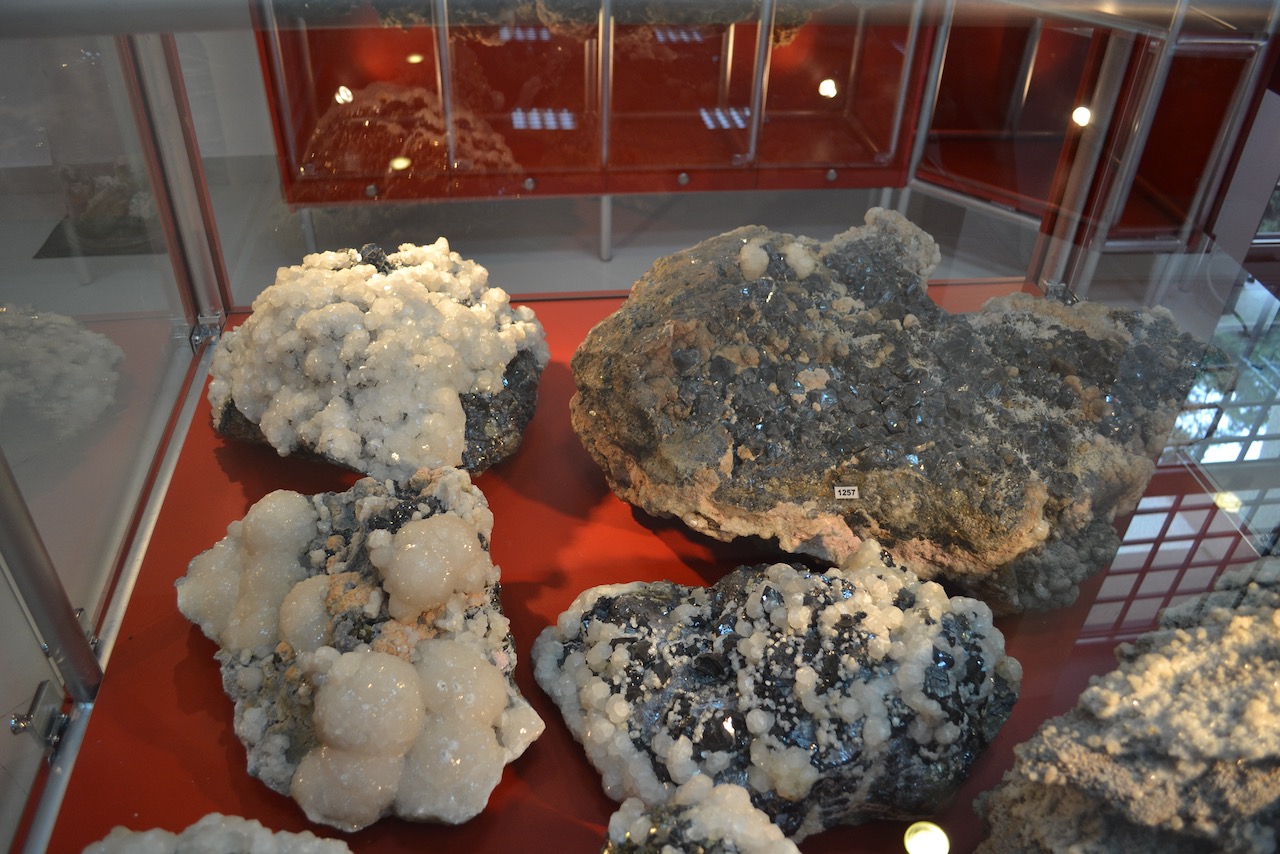
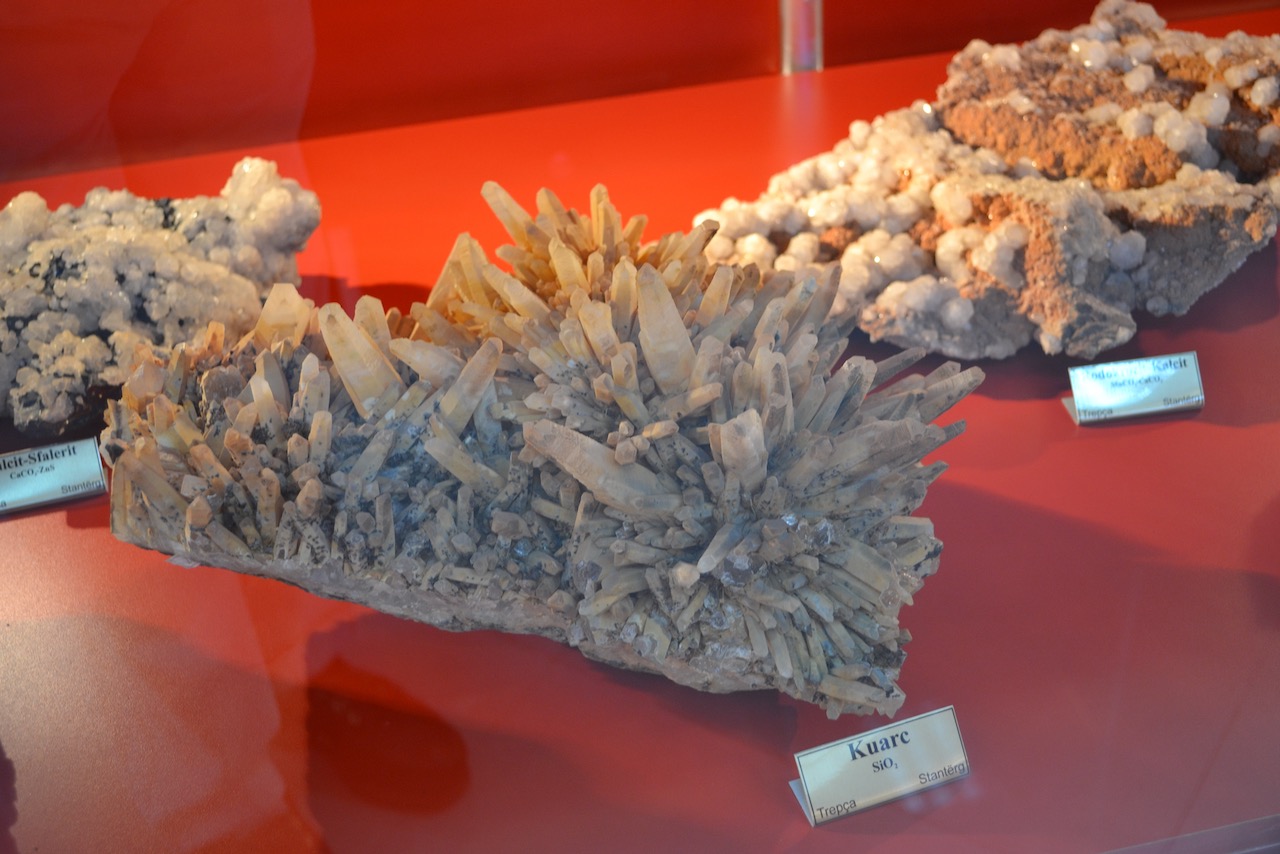
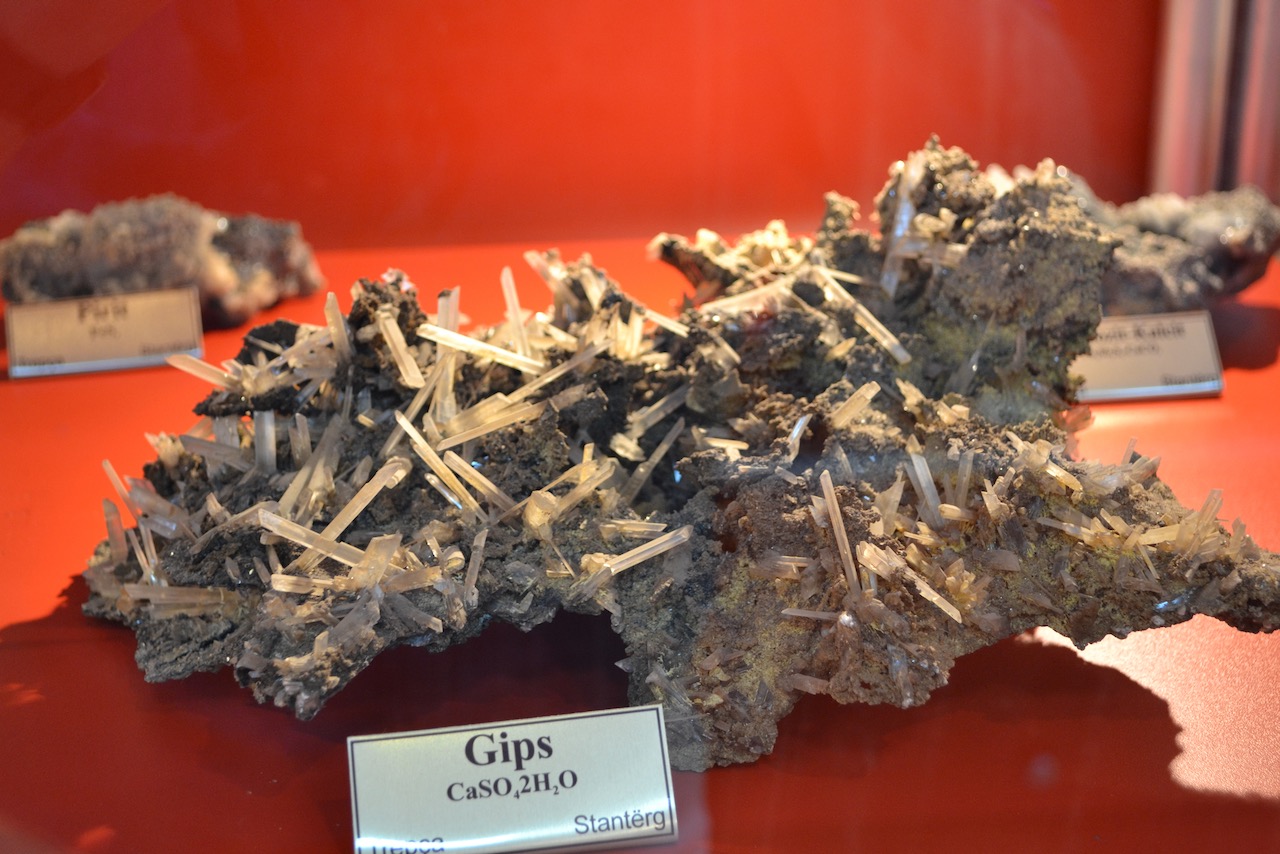
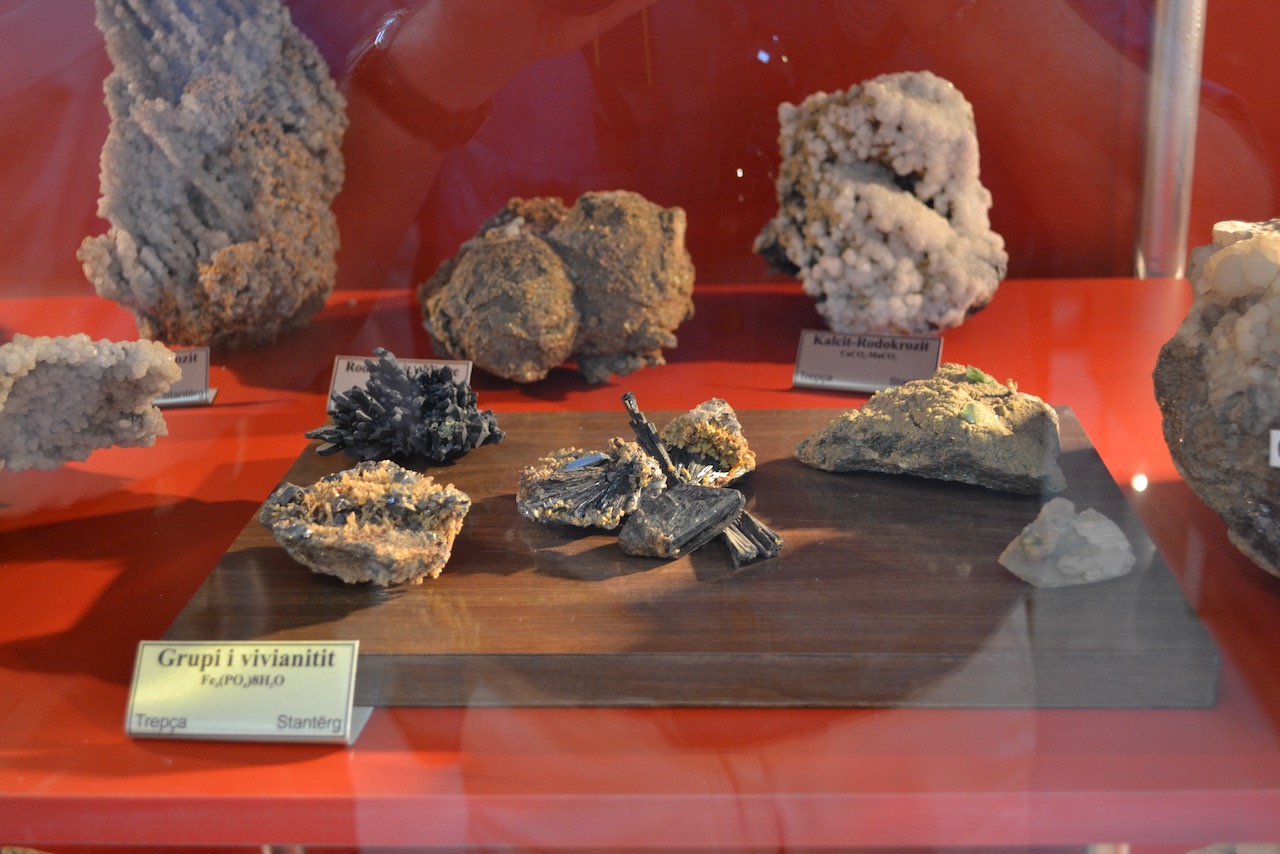
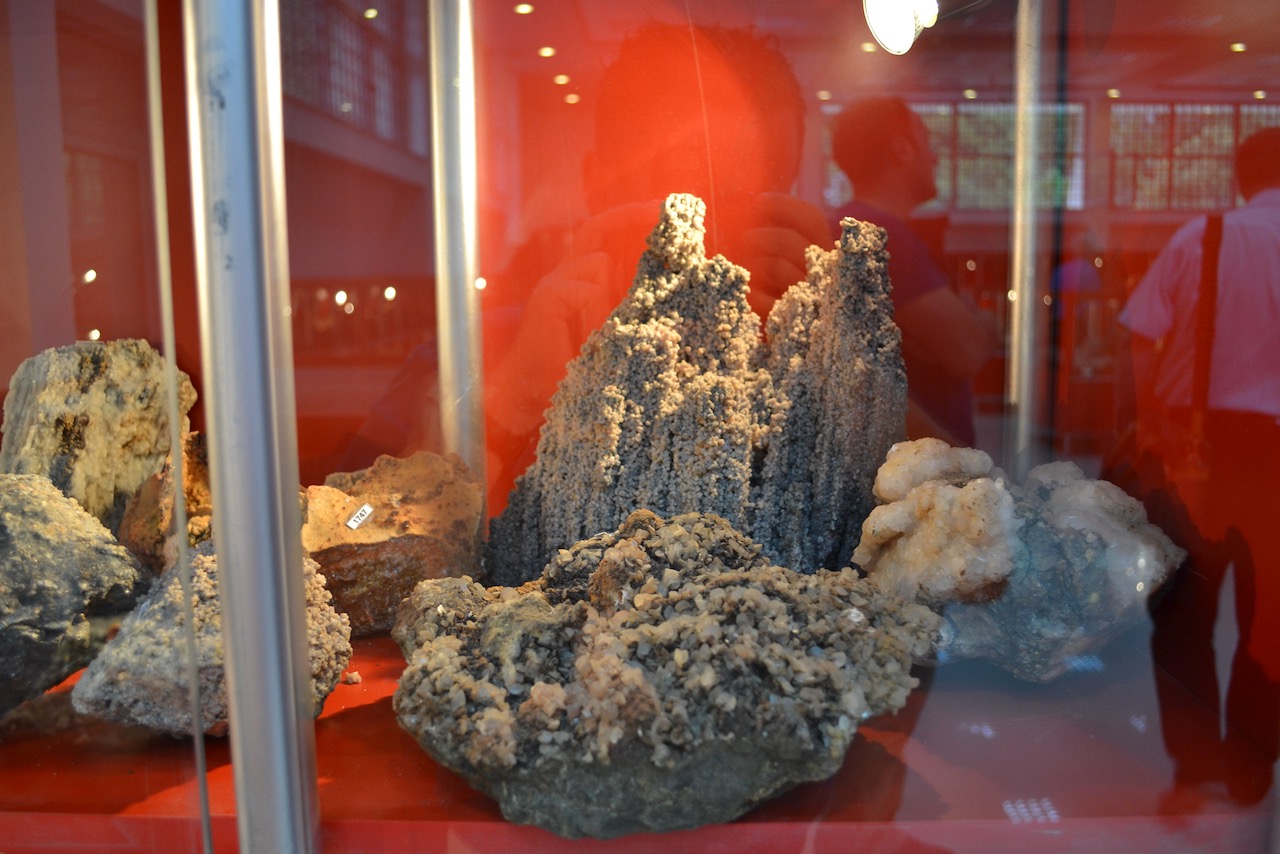
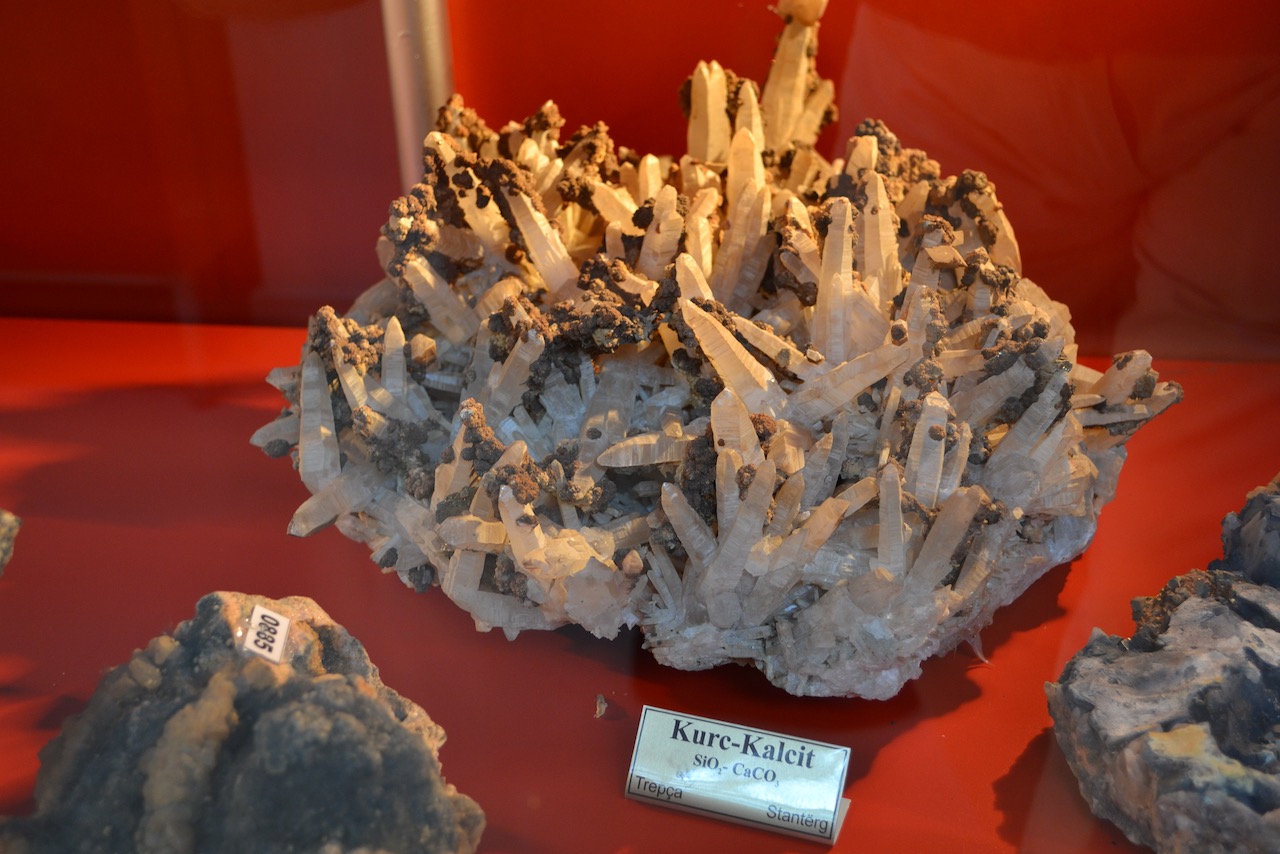
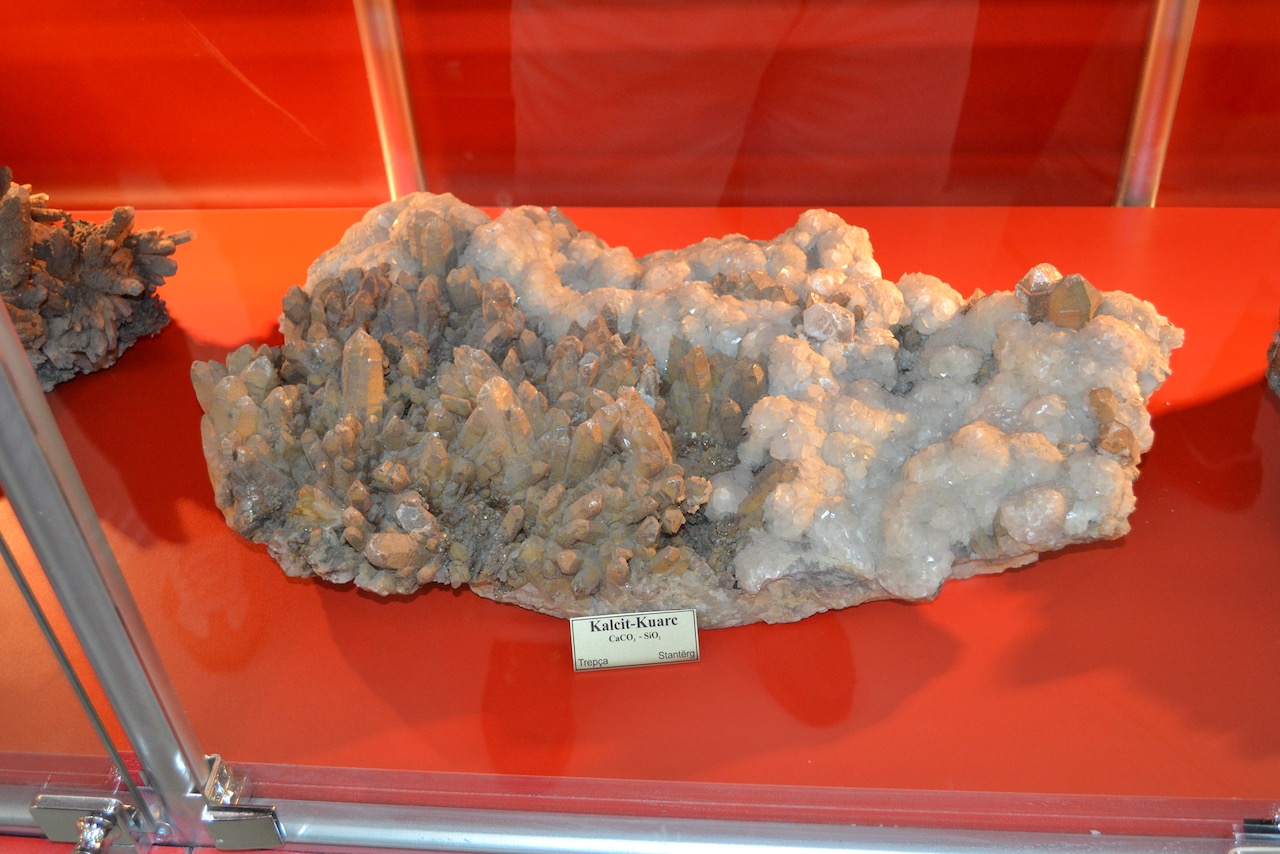
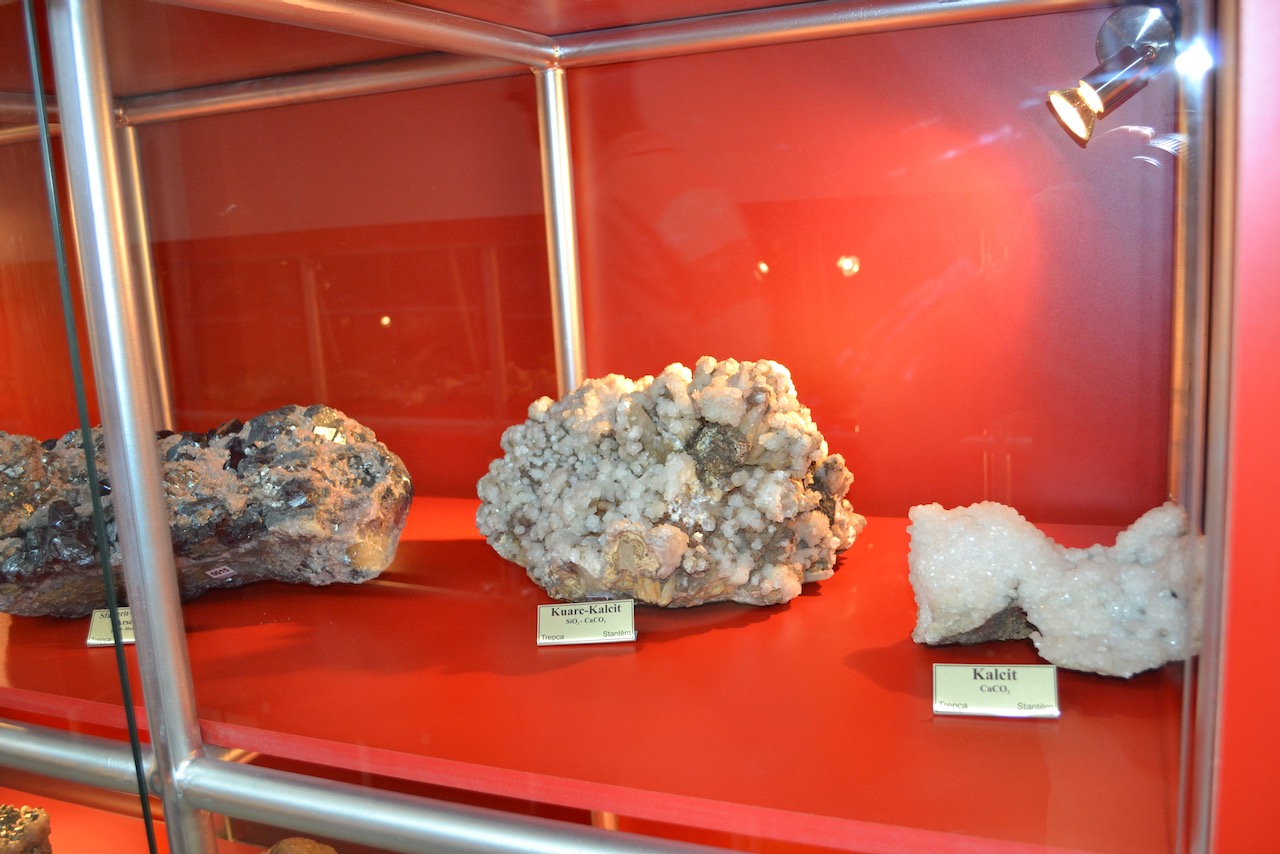
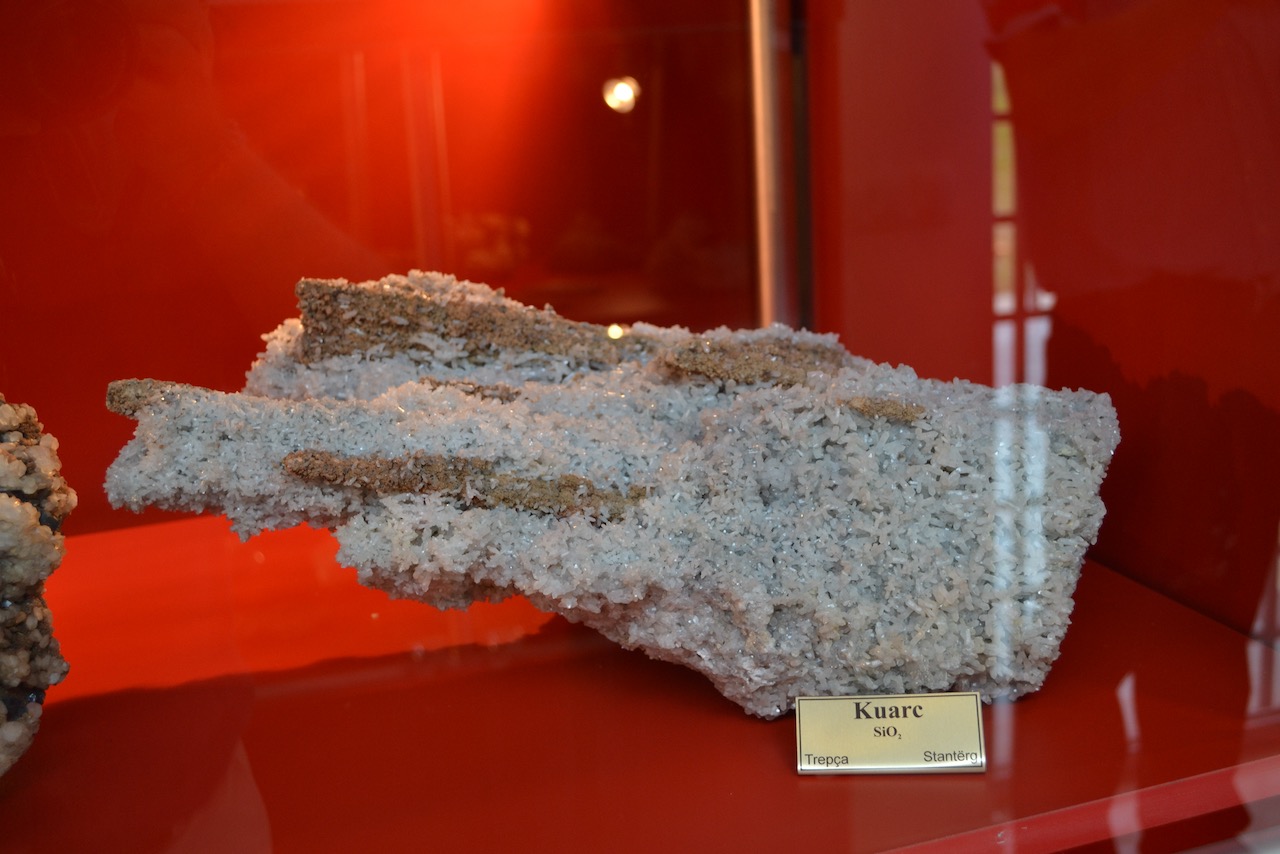
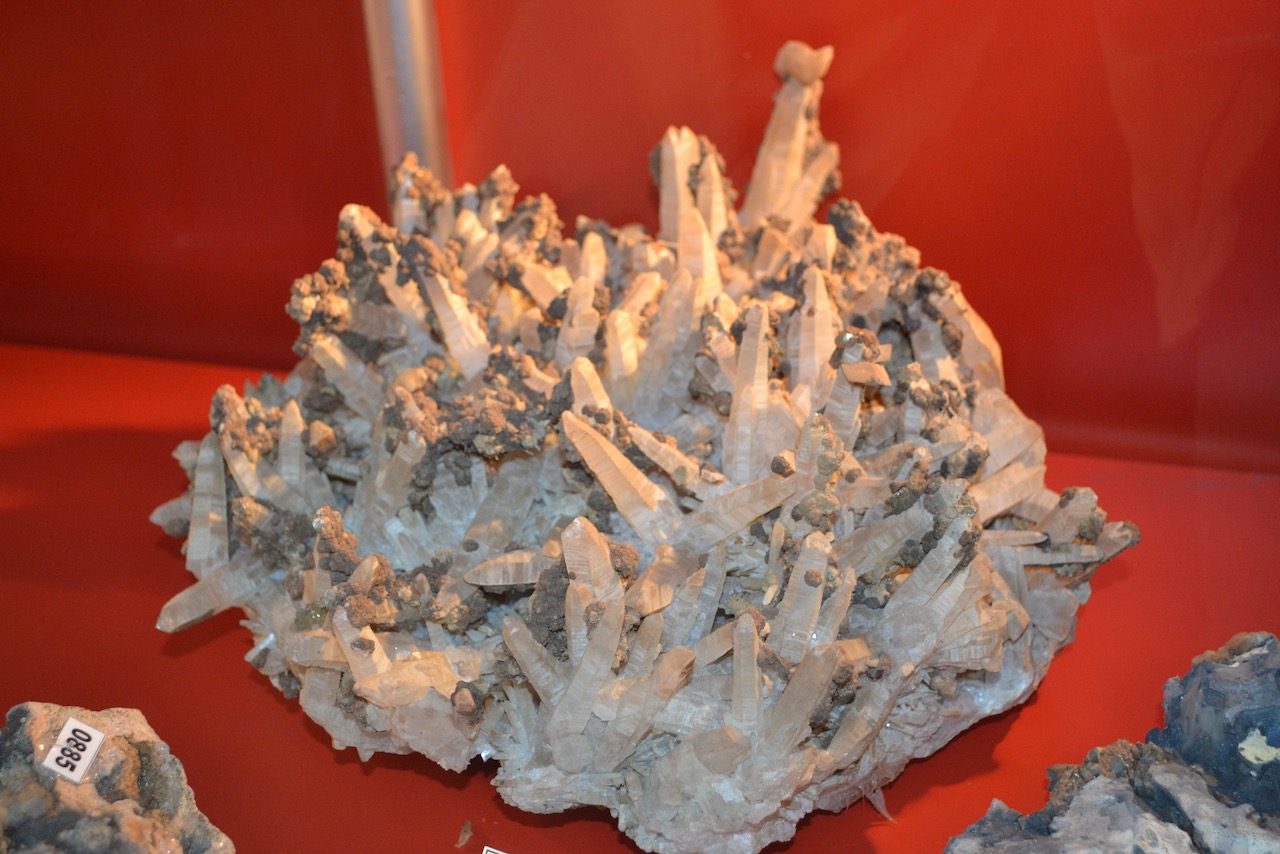
Some of my Trepca Minerals collected between 2011 and 2014