
 Meteorites
 Libyan Desert Glass
 Jewelry
What Makes a Meteorite Valuable? Seven Things Collectors Look At
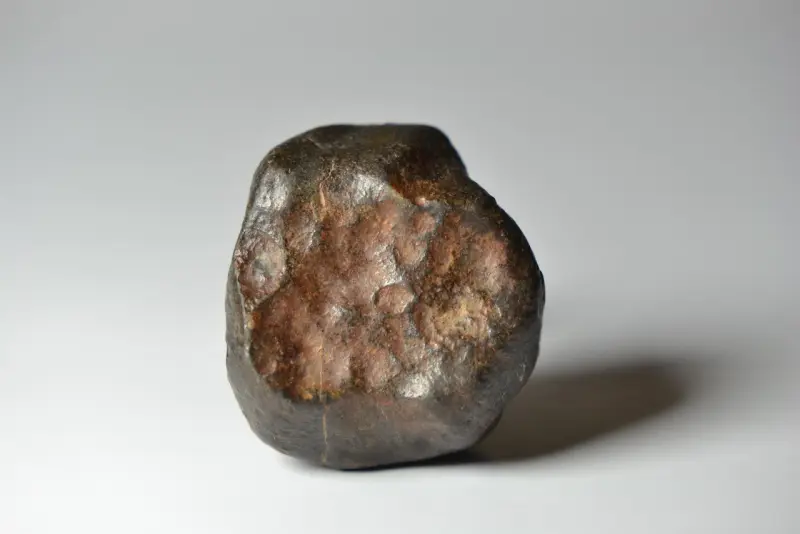
A meteorite's value depends on seven things: its type, how rare that type is, whether its fall was witnessed, its condition, its form, its provenance and its paperwork. Two meteorites of the same weight can differ in value many times over. Weight matters, but it is rarely the deciding factor.
"How much is my meteorite worth?" is one of the questions I hear most often, from collectors and from people who have just found an unusual stone in their garden. There is no price list for meteorites, and I will not pretend there is one. What I can explain is what collectors, museums and dealers look at, so you can judge a piece yourself.
1. Is it really a meteorite?
Before anything else: a stone that is not a meteorite has no meteorite value at all. Most stones sent to dealers and museums as "meteorites" turn out to be slag, magnetite or iron-rich Earth rocks. If you are not sure, start with our guide on how to identify a real meteorite and the free six-check guide, How to spot a fake meteorite. A genuine new find needs a laboratory classification before it can be sold as a named meteorite.
2. The type and how rare it is
Ordinary chondrites are the most common meteorites, so they are usually the most affordable way into collecting. Iron meteorites and carbonaceous chondrites are less common. Pallasites are rarer still, and meteorites from the Moon and Mars, of which only a few hundred are known, are among the most sought-after objects a collector can own. If you would like to understand the families first, read types of meteorites explained.
3. Was the fall witnessed?
Most meteorites are "finds": stones discovered on the ground, sometimes thousands of years after they landed. A much smaller group are "falls", meteorites that were seen coming down and collected soon afterwards. Of the more than 70,000 meteorites with an official name, only a small fraction are witnessed falls.
Falls are fresh: they have had little time to weather, and many come with a date, a place and eyewitness accounts. Chelyabinsk in 2013 and Sikhote-Alin in 1947 are famous examples, and pieces from witnessed falls are valued accordingly.
4. Condition: crust, weathering and freshness
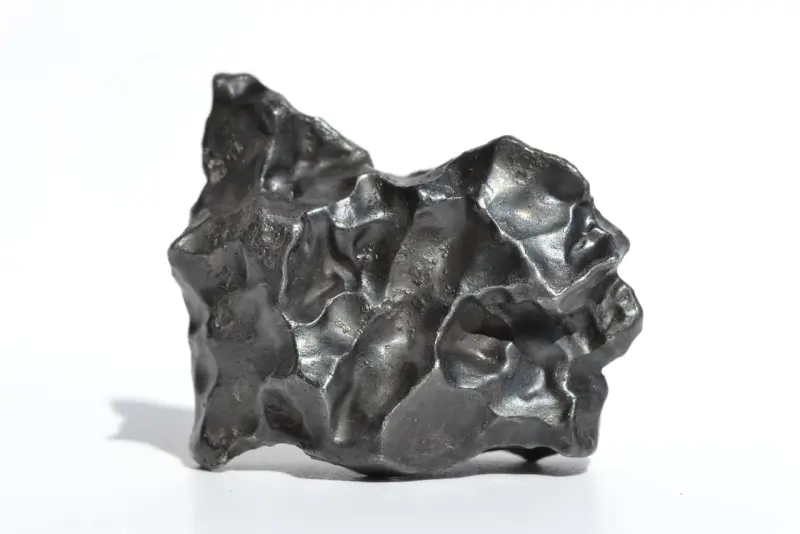
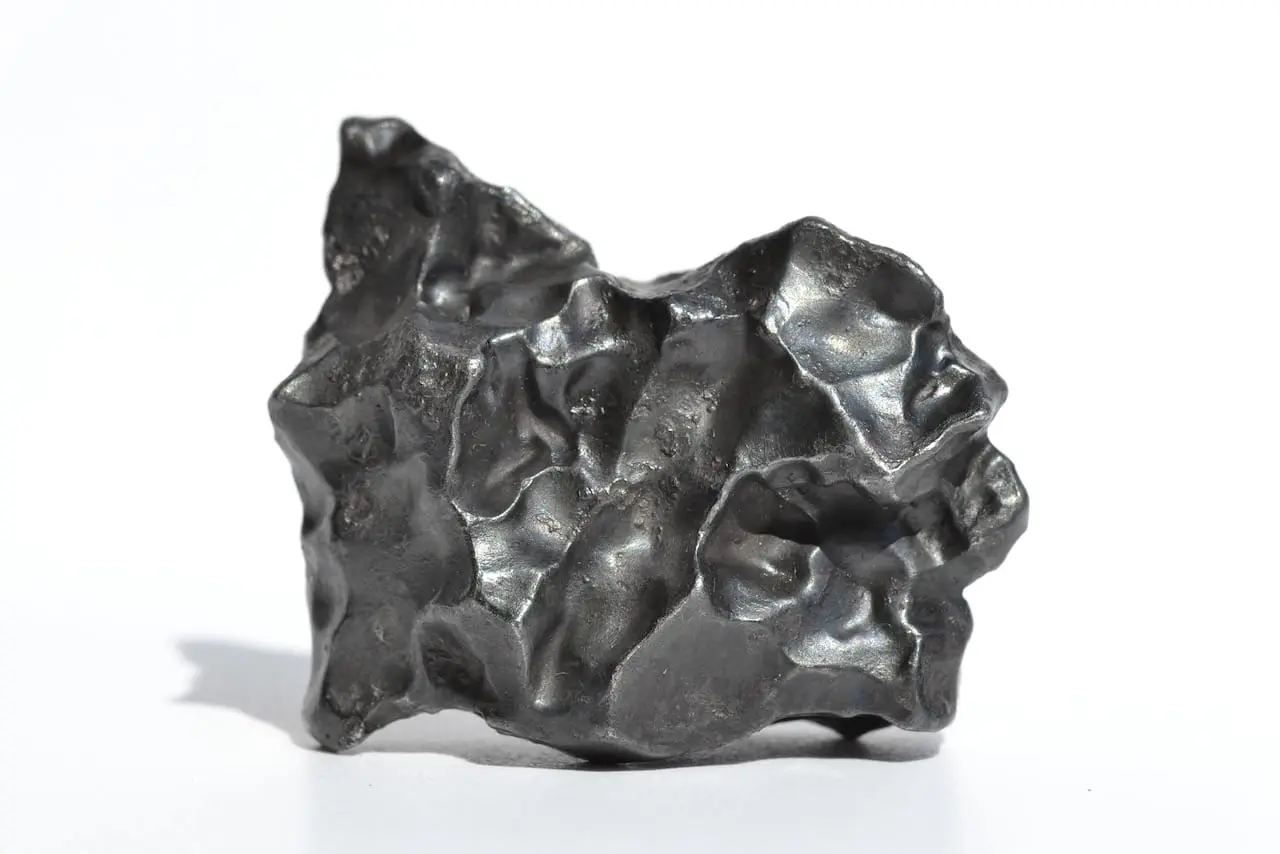
When a meteorite passes through the atmosphere, its surface melts into a thin, dark skin called the fusion crust. A fresh, complete crust is prized, and so are well-formed thumbprints (regmaglypts) and, rarest of all, an "oriented" shape, where the stone kept the same face forward during its fall and was moulded into a cone or shield.
Weathering works the other way. Meteorites start to rust and break down as soon as they meet Earth's air and water. Scientists grade the weathering of stony meteorites on a scale from W0 (fresh) to W6 (heavily altered). A fresher stone is worth more than a weathered one of the same type, and an iron that is actively rusting is a problem, not a bargain.
5. The form: individual, fragment, slice or end cut
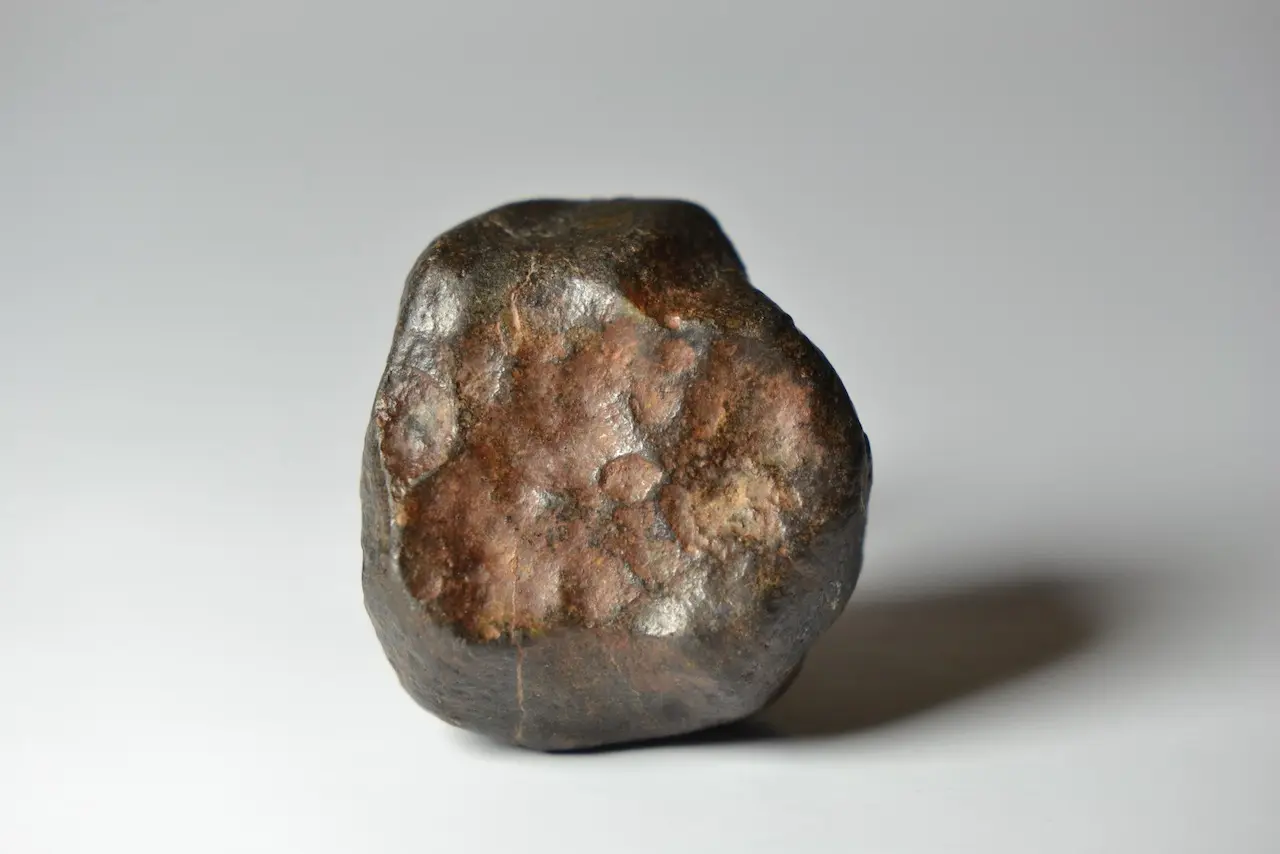
- Complete individuals are whole stones, crusted all round, exactly as they landed. They are the most desirable form.
- Fragments broke apart in the air or on impact and show broken faces as well as crust.
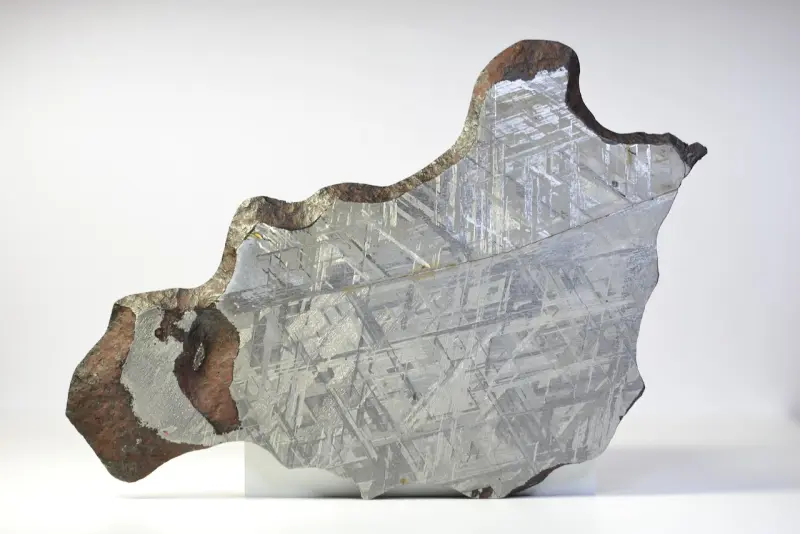
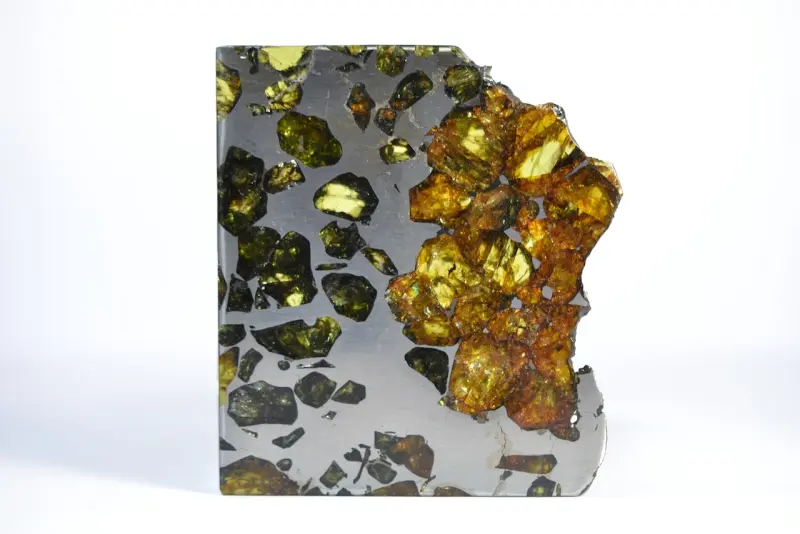
- Slices and end cuts show the inside: chondrules, a Widmanstätten pattern or the olivine of a pallasite. For pallasites and irons, a well-prepared slice can be the most beautiful way to own the meteorite.
Preparation counts as well. A slice that is cut flat, polished and well etched shows its structure clearly and lasts for generations; a poorly prepared one may rust or hide the pattern. Many of our pieces were prepared by Space Jewels Switzerland, the workshop of the late Marc Jost.
6. Provenance: where it came from and who has owned it
Provenance is the documented history of a piece: where and when it was found, by whom, and whose collections it has passed through. A meteorite with a find number, an old collection label or a known chain of owners is worth more than the same material with no history.
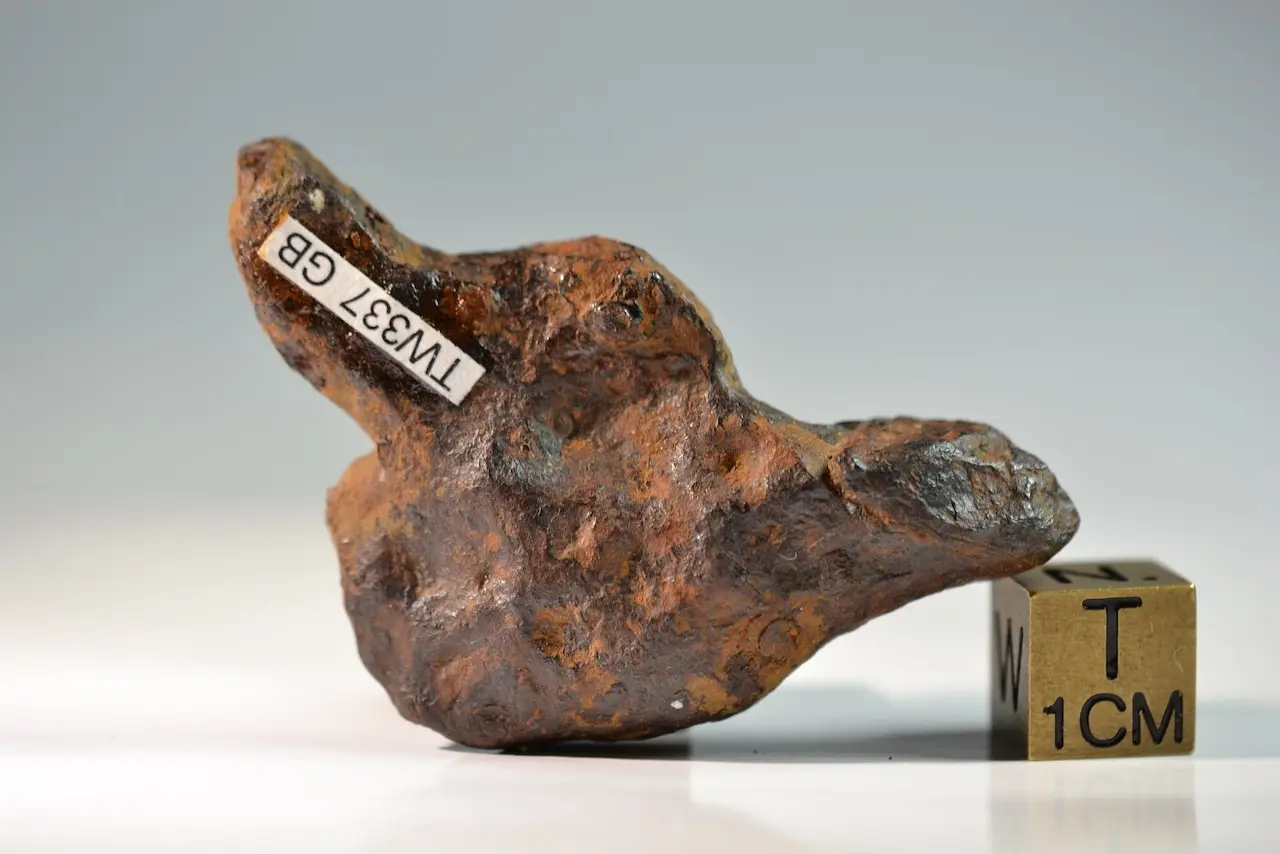
The Twannberg search I took part in is a good example. Every fragment found was documented, given an index number and recorded by the Natural History Museum Bern. That number follows the piece for the rest of its life, and it is part of what makes a Twannberg fragment special. Keep labels, notes and old certificates with your meteorites; once they are lost, the history is lost too.
7. Paperwork and legality
A named meteorite is listed in the Meteoritical Bulletin, the official register run by the Meteoritical Society. Ask for the name and check it. A Certificate of Authenticity from a dealer who is bound by a code of ethics, such as an IMCA member, adds confidence.
Legal status matters as well. Some countries treat meteorites as national property or restrict their export. In Switzerland, for example, the Twannberg search was carried out under an official permit from the Canton of Bern. A meteorite that left its country of origin legally, with that documented, is a sounder purchase than one with a question mark over it.
What does not make a meteorite valuable
- Weight on its own. A large weathered chondrite can be worth less than a small fresh slice of a rare type.
- A dramatic story without proof. "It fell in my grandfather's field" adds nothing unless it can be confirmed.
- A certificate from an unknown seller. Paper is easy to print. The person behind it is what counts.
Questions collectors ask
How can I find out what my meteorite is worth?
First have it confirmed as a meteorite and, for a new find, classified by a laboratory. Then compare it with pieces of the same type, condition and form offered by reputable dealers.
Are meteorites a good investment?
I would not buy a meteorite as an investment. Buy it because it fascinates you. Rare, well-documented pieces have held their appeal for collectors, but there is no guarantee and the market is small.
Why do your listings say "unclassified NWA" for some pieces?
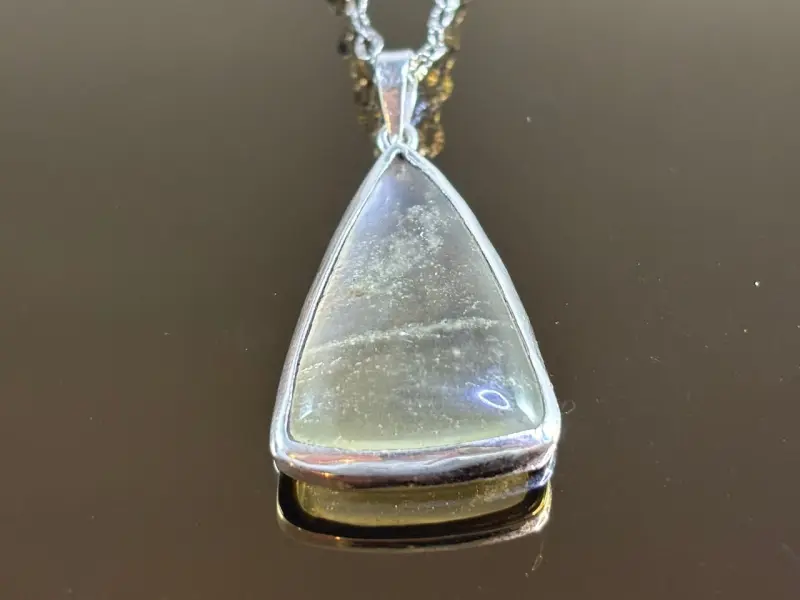
Some smaller pieces and pendants are cut from Northwest Africa (NWA) material that has not been individually classified. We say so clearly, because honesty about type is part of the value.
Every meteorite in our collection is described with its type where known, its weight, its find location when we have it and photos of the actual piece, and it comes with a Certificate of Authenticity. If you are comparing pieces, or want a second opinion on a meteorite you own, write to me. And if you buy, you can buy direct and save compared with Etsy.

Thomas, founder of SaharaGems. Collecting Libyan Desert Glass since 2000 and meteorites since 2008. IMCA member No. 8629 and part of the Twannberg meteorite search team. Our story