
 Meteorites
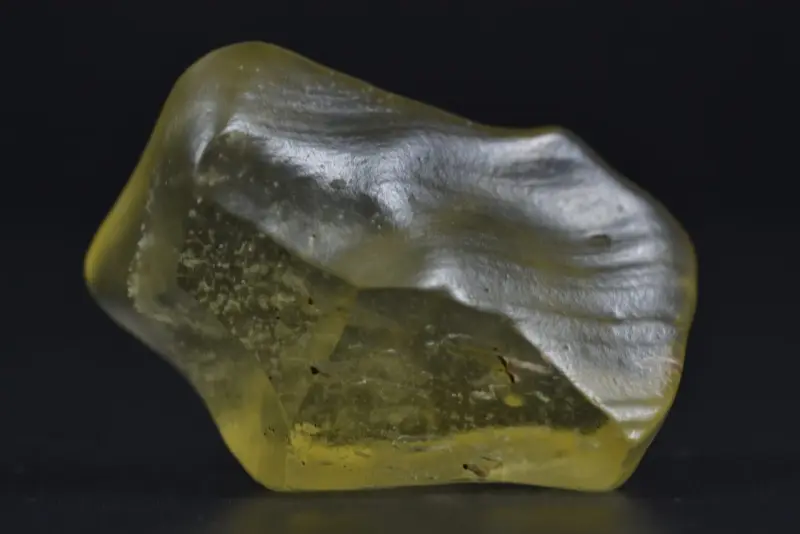 Libyan Desert Glass
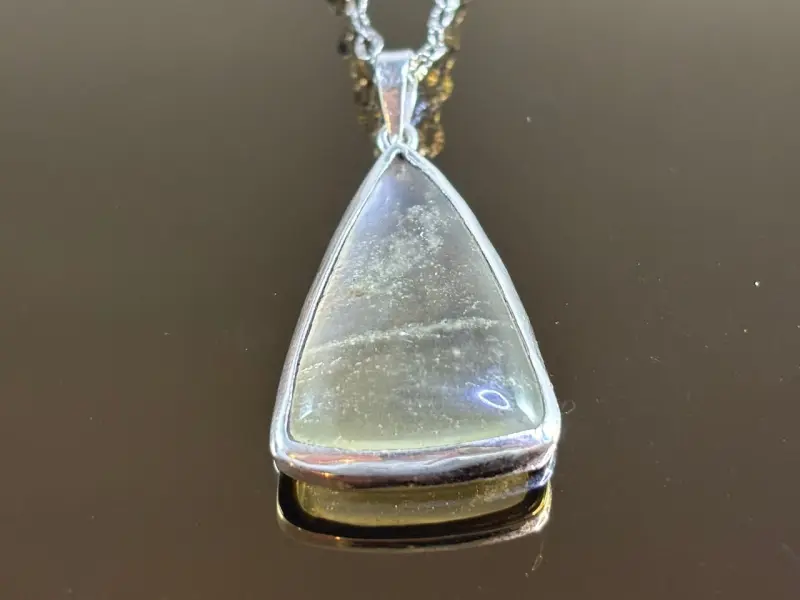 Jewelry
How to Care for a Meteorite: Storage, Cleaning and Stopping Rust
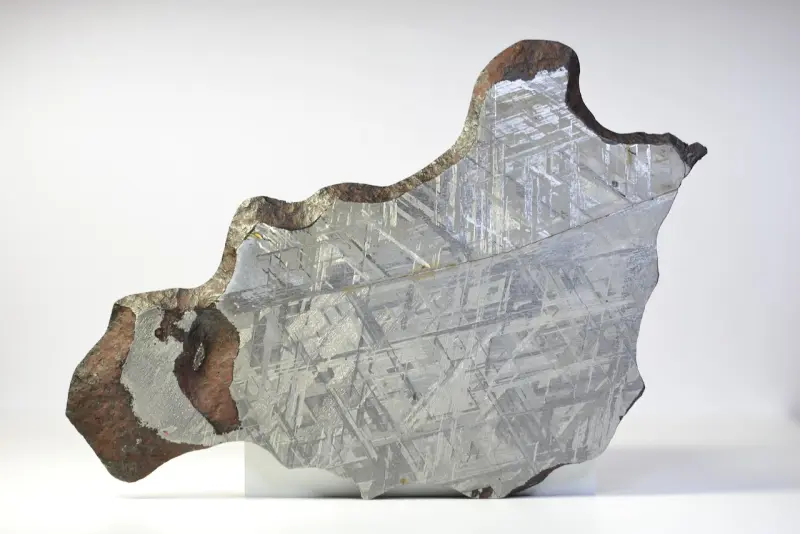
The most important rule for caring for a meteorite is simple: keep it dry. Most meteorites contain iron-nickel metal, and on Earth that metal wants to rust. Store meteorites in a dry place, ideally in a closed box with silica gel, never wash them in water, and handle cut faces by their edges. Do this and a meteorite that has survived billions of years in space will survive generations on your shelf.
With Christmas coming, many meteorites will soon be unwrapped by people who have never owned one. This is the advice we give every new collector, and it applies just as much to a large display piece as to a small pendant.
Why meteorites rust
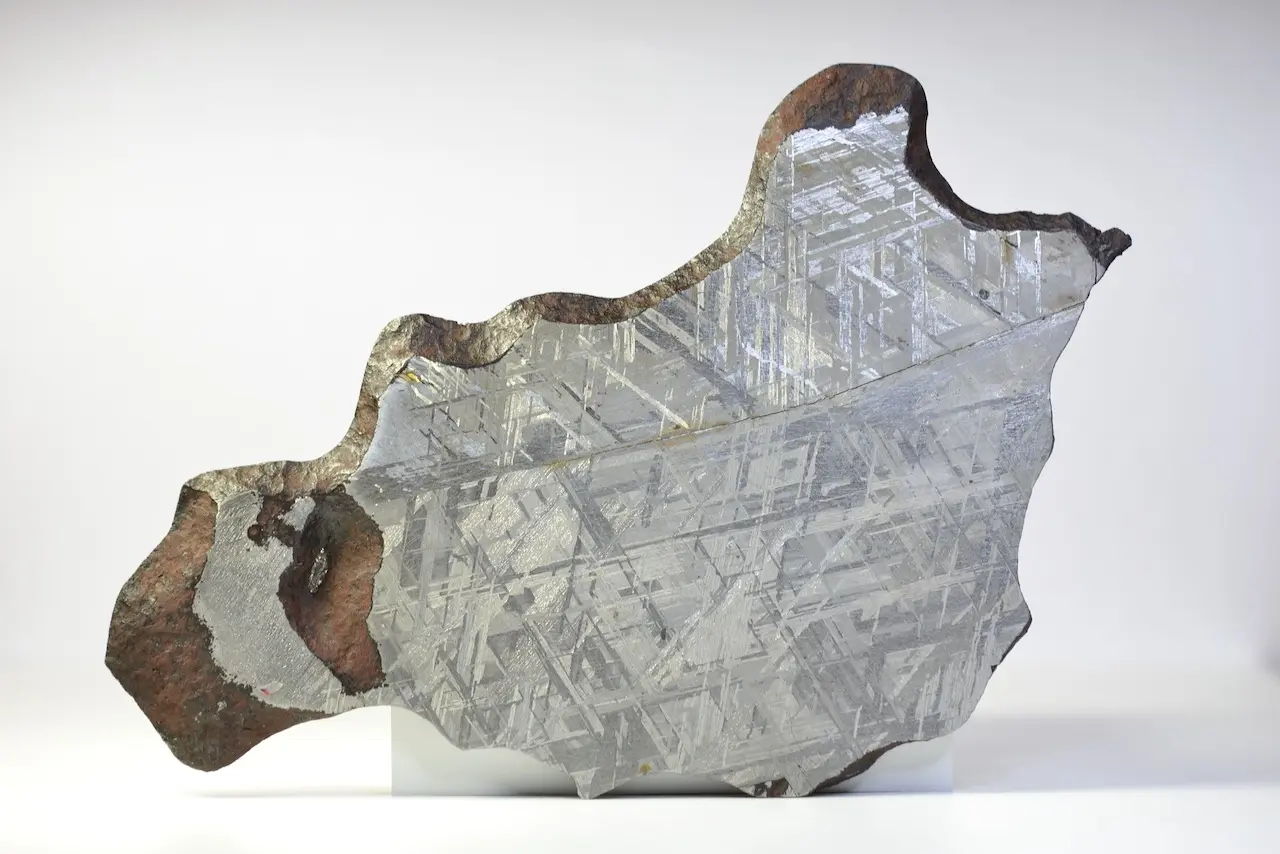
Iron meteorites and the metal grains in stony meteorites are iron-nickel alloy. On their own they rust slowly, like any iron. Some meteorites also contain chlorine, picked up from soil and groundwater during the years they lay on Earth. Chlorine and moisture together make rust spread from the inside: you may see orange powder, small cracks, or droplets that look as if the meteorite is "sweating". Collectors call this weeping, and it is the one problem every meteorite owner wants to avoid.
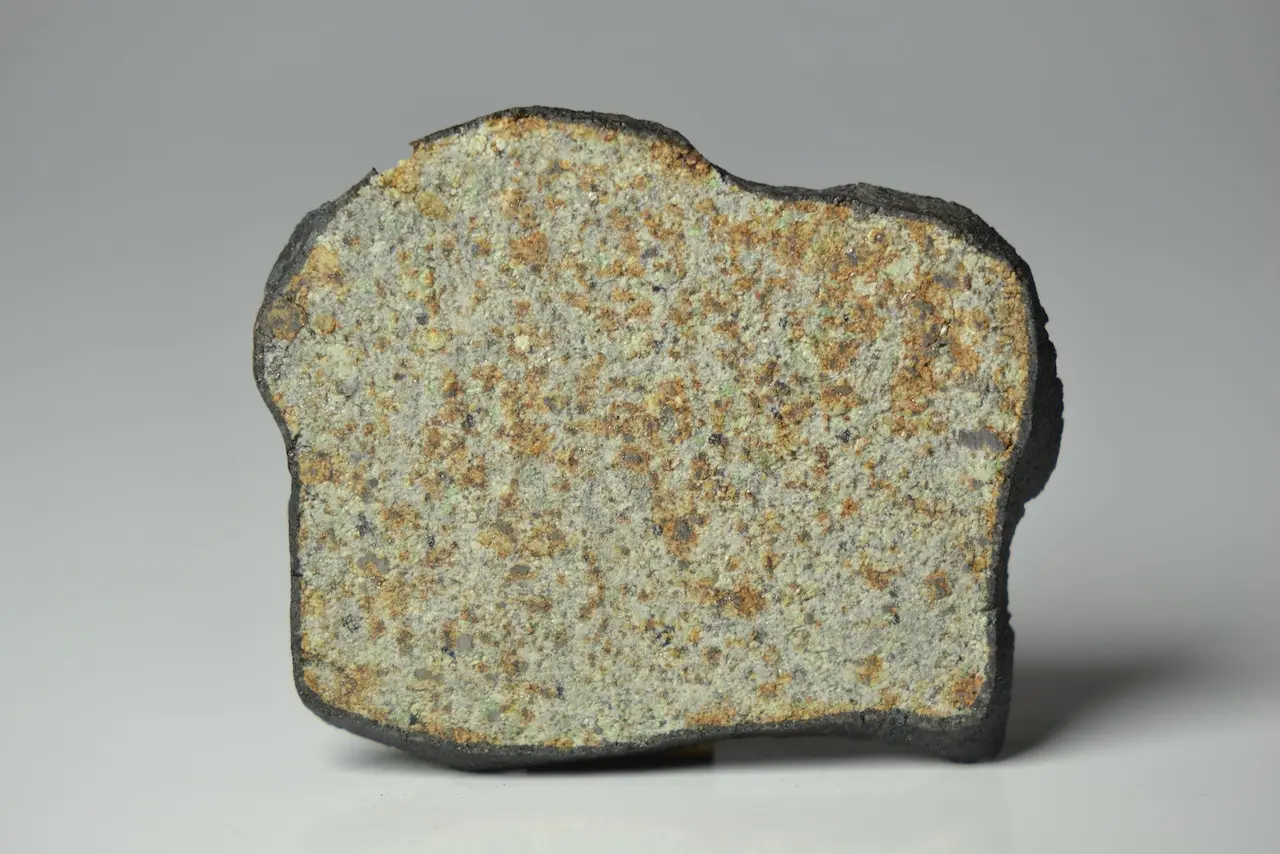
Storage: dry, closed and labelled
- Keep the air dry. Many collectors aim for a relative humidity below about 40 percent. A cheap hygrometer in your cabinet tells you where you stand.
- Use silica gel. A closed box or display case with a sachet of silica gel is the simplest protection. Choose the kind that changes colour, and dry or replace it when it does.
- Avoid damp rooms. Kitchens, bathrooms and cellars are the worst places for meteorites. So are windowsills, where condensation forms on cold nights.
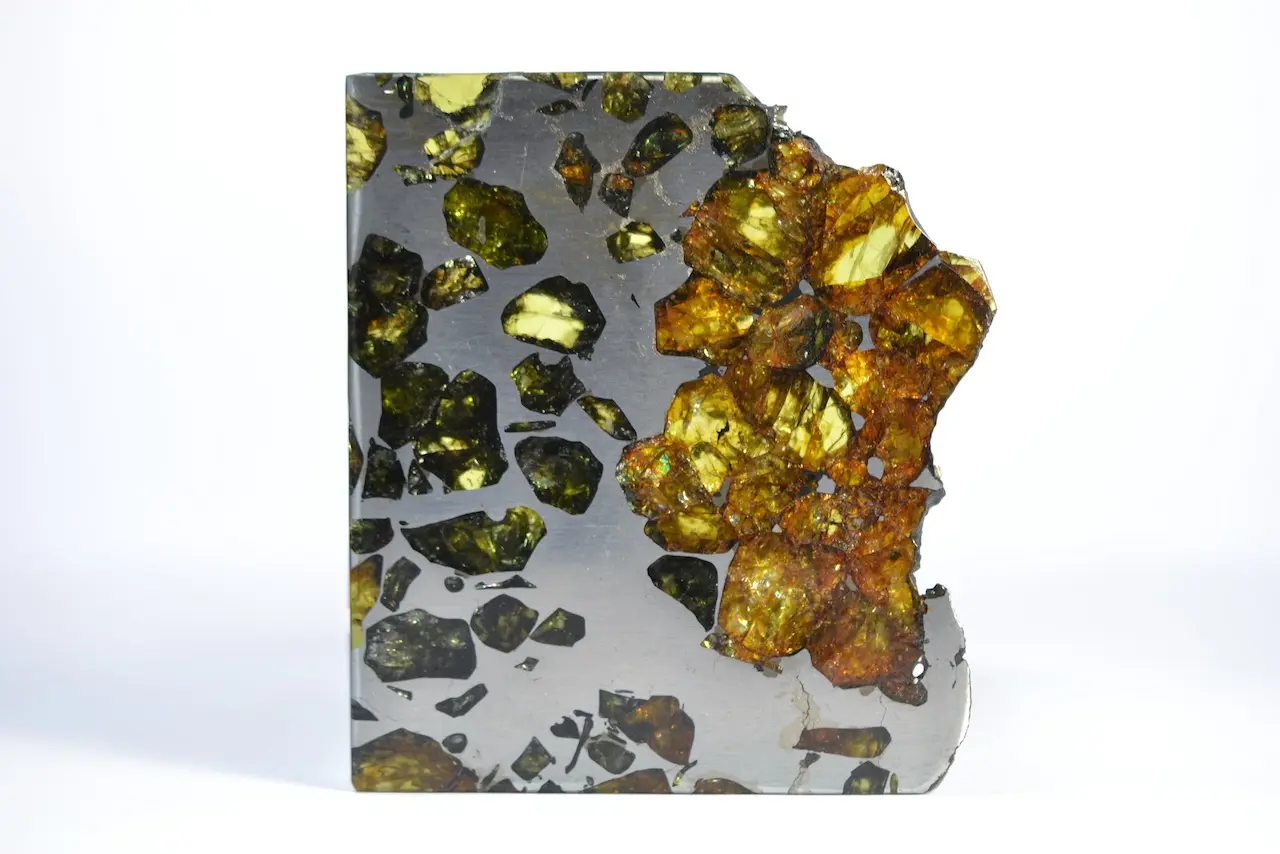
- Avoid rapid temperature changes. They cause condensation and can stress the crystals in pallasites.
- Keep the label and certificate with the piece. A meteorite's history is part of its value. Our article on what makes a meteorite valuable explains why.
Handling
Our skin leaves salt and oil behind, and on a polished iron face a fingerprint can turn into a rust mark. Hold slices by their edges, or wear cotton or nitrile gloves when you handle etched or polished pieces. Whole iron individuals and stony meteorites with crust are more forgiving, but clean hands and a soft cloth underneath never hurt.
One more thing: try not to test your meteorites with a magnet again and again. Scientists study the natural magnetism of meteorites, and strong magnets can change it. Once is enough to know it is metal.
Cleaning: never with water
The single most common mistake is to rinse a meteorite under the tap. Do not wash iron meteorites, stony meteorites or pallasites in water. Instead:
- Remove dust with a soft, dry brush or a puff of air.
- If a piece has got wet, dry it straight away. Collectors often use isopropyl alcohol, which pushes the water out and evaporates quickly, then let the piece dry fully in a warm, dry place before storing it.
- Many collectors protect etched iron slices with a very thin coat of microcrystalline wax or a light oil. Apply sparingly and buff off the excess.
Libyan Desert Glass is the exception: it is natural glass, not metal, and can be rinsed in lukewarm water. You can read more in what is Libyan Desert Glass.
Special care for each type
Iron meteorites
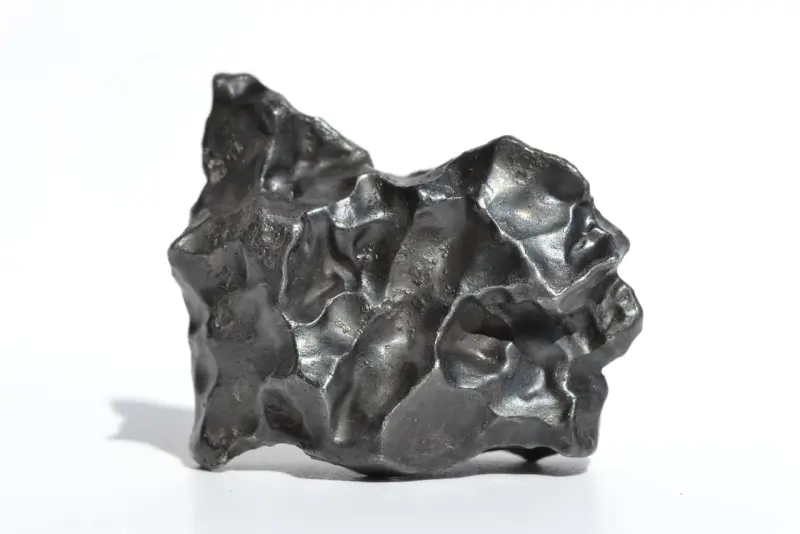
Robust in every way except rust. Keep them dry and check etched faces now and then for spots. Light surface rust on a crusted individual is normal and part of its character.
Stony meteorites
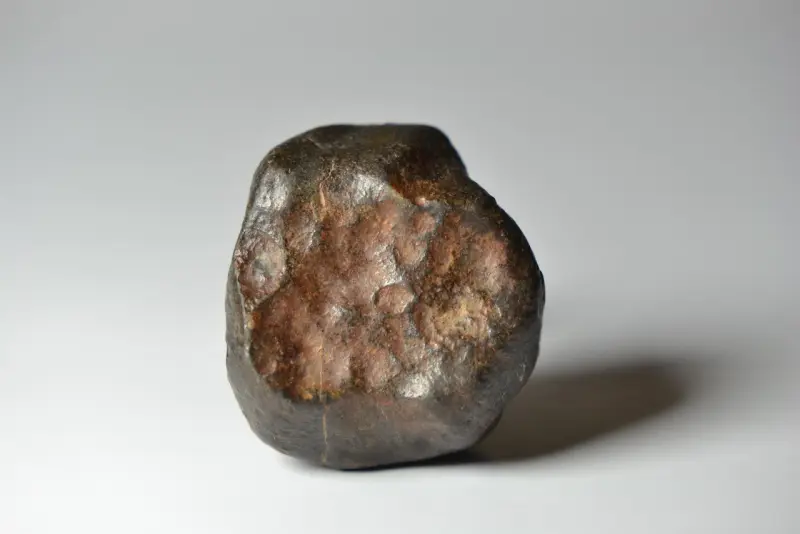
Their metal grains can rust and stain the stone, and some stones can crack if they take up moisture. Never scrub the fusion crust: it is thin, and once damaged it cannot be replaced.
Pallasites
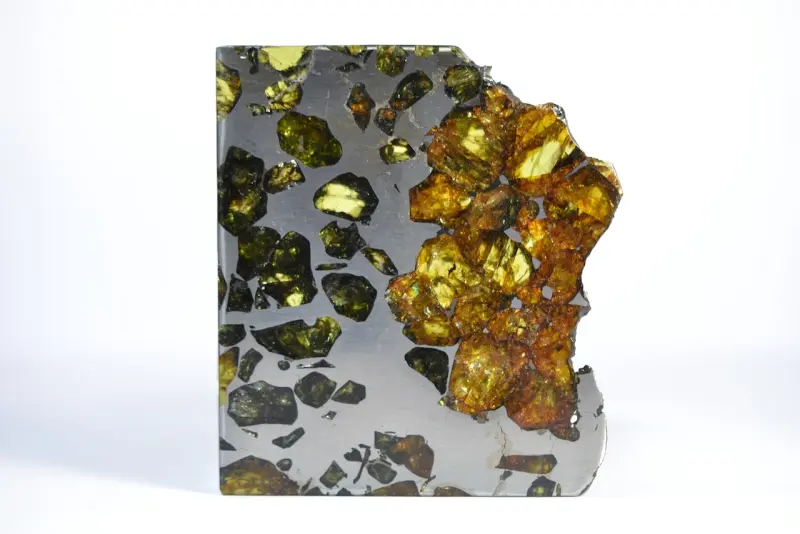
The most delicate meteorites. They combine metal that can rust with olivine crystals that can crack. Store pallasite slices dry, away from heat and sudden temperature changes, and handle them by the edges.
Meteorite jewelry
Take meteorite rings and pendants off before swimming, showering, washing up or using hand cream. Wipe them with a dry, soft cloth after wearing and store them in a small box or pouch, with silica gel if you can. Pieces set with Libyan Desert Glass are much less sensitive, but the same habits keep the silver bright.
What to do if you see rust
Do not panic, and do not reach for water or harsh rust removers. Dry the piece thoroughly, brush away loose powder with a soft dry brush and move it into the driest storage you have. If a meteorite keeps weeping, or if it is a valuable slice, ask an experienced preparer for help. And if a piece you bought from us shows a problem, write to me. I would rather help early than see a meteorite suffer.
Questions collectors ask
Can I touch my meteorite?
Yes. Crusted individuals and stony meteorites can be handled with clean, dry hands. For polished and etched faces, hold them by the edges or wear gloves.
Can a meteorite be displayed in the open?
In a dry, heated room, a crusted iron or stony meteorite will be fine on an open shelf. Polished slices and pallasites are better in a closed case or under a dome with silica gel.
Do meteorites need any care at all if they are kept in a box?
Very little. Check the silica gel every few months and look at the piece once in a while. That is all most meteorites ever need.
Every meteorite we sell comes with its Certificate of Authenticity. If you are looking for a first meteorite, or a gift that will last, browse our meteorite collection or the gift guide.

Thomas, founder of SaharaGems. Collecting Libyan Desert Glass since 2000 and meteorites since 2008. IMCA member No. 8629 and part of the Twannberg meteorite search team. Our story